• New
Whole Fermented Pondicherry Black Pepper by the...

Whole Fermented Pondicherry Black Pepper by the Kilo

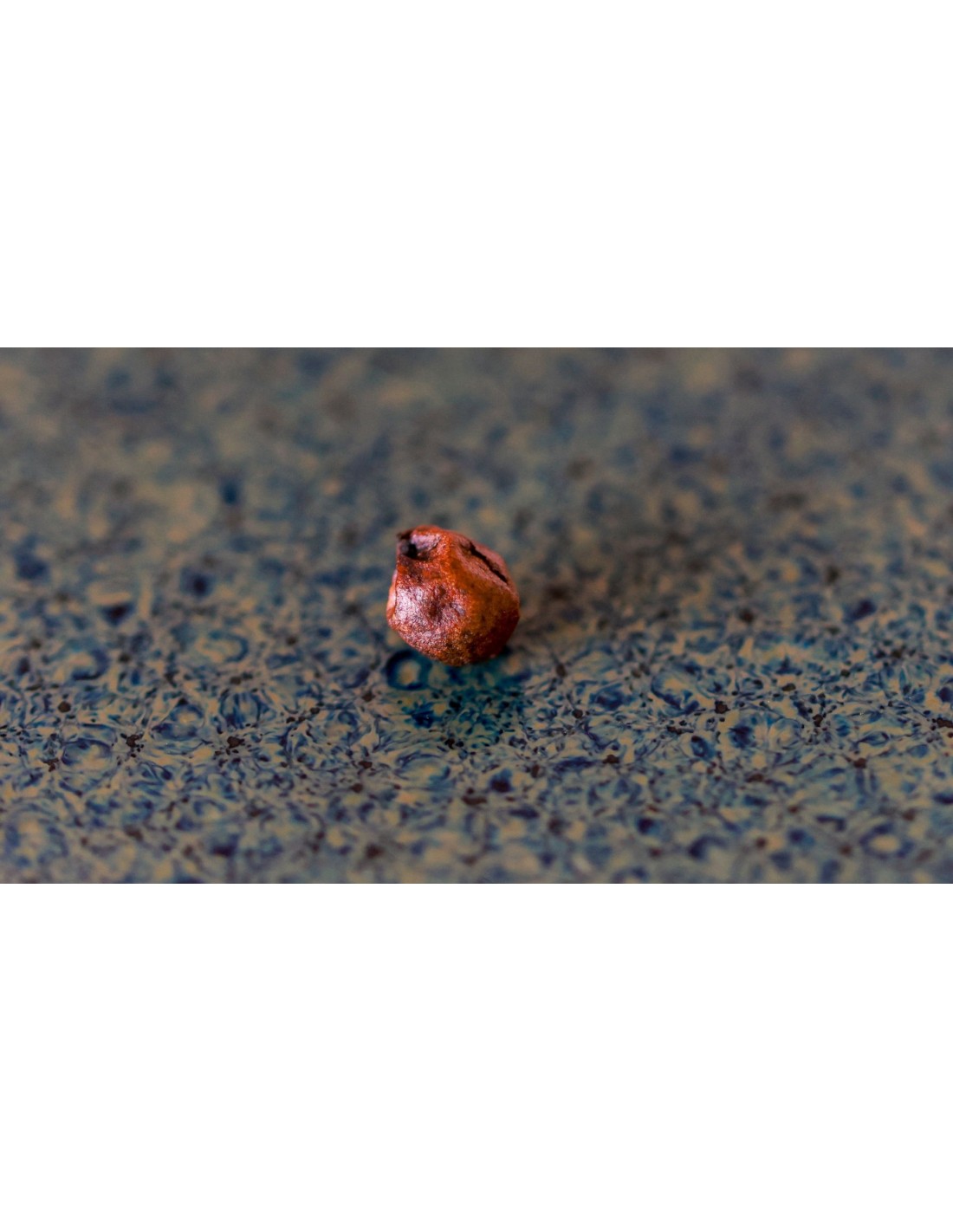
Discover whole fermented Pondicherry black pepper available by the kilo, a rare and captivating spice from Southern India. This exceptional black pepper is renowned for its slightly glossy whole grains and pleasantly tender, chewable texture. Its unique sea salt fermentation process softens the sharp heat while concentrating the rich, complex aromas of the pepper, making it a perfect wholesale format for professional kitchens and spice lovers.

Grown in the fertile soils of Tamil Nadu around the Pondicherry region, the peppercorns are hand-harvested at full maturity. Immediately after picking, they are repeatedly combined with moist natural sea salt and sun-dried until fermentation is complete. This traditional method seals in the aromatic profile while imparting a beautifully balanced roundness and long-lasting freshness in bulk quantities.

On the nose, it delivers a warm, intensely spicy, and subtly fruity fragrance. On the palate, the tender grains yield easily under bite, releasing a mild, fruity heat accompanied by a delicate, harmonic touch of sea salt. It serves as an exquisite finishing spice for hot dishes where rich flavor without overwhelming burn is desired.

  • Pepper Strength: 4/10 (Mild, warm heat)
  • Main Notes: Fruity, warm notes with a delicate touch of sea salt
  • Uses: Finishing spice for grilled meats, pepper sauces, vegetables, and pasta
  • Origin: India (Pondicherry / Tamil Nadu Region)
  • Format: Whole fermented peppercorns (Sold by the kilo)

Combining the bold depth of Indian black pepper with the subtle accent of natural sea salt, this Pondicherry pepper adds a refined, gourmet touch to your signature dishes. Purchasing by the kilo provides a convenient, cost-effective solution for catering and restaurant preparation.

Experience the finest quality of whole fermented Pondicherry black pepper at the best price per kilo with Le Comptoir de Toamasina.

Packaging
PNPEK
€39.90


Fermented Pondicherry Black Pepper
by the Kilo

« The format for professional kitchens: a South Indian pepper preserved in salt, with a supple grain and a rounded heat, that chefs crush as a finishing touch. I select it in France, batch by batch, for restaurants, caterers and fine food shops looking for a signature their customers won't find elsewhere. »

1 kg bag Restaurants & fine food shops Volume quotes

A signature on your menu

A pepper few tables offer: a melting grain and a salty finish that guests notice and staff can talk about.

A controlled cost per plate

About 2 g is enough for one plate, and its salt replaces part of the seasoning.

A real contact, not a catalogue

You order from Arnaud, who tastes every batch and answers your technical questions himself.

Fermented Pondicherry black pepper by the kilo is aimed first at professionals: chefs, caterers, butchers and charcutiers, cheesemongers and fine food shops. These are South Indian Piper nigrum berries that are not simply sun-dried like a classic black pepper. They are worked in sea salt, then partly dried, which leaves a black, supple, slightly moist grain veiled in salt.

In the kitchen, this pepper changes the way you work. You don't grind it, you crush it. It doesn't go in at the start of cooking, it goes on at the end. And because it brings its own salt, it makes you rethink the seasoning of a dish: less salt, better pepper. That is exactly what makes it a signature ingredient, the one that gives a pepper sauce, a compound butter or a cheese board an identity guests remember.

The 1 kg bag is designed for regular kitchen use or for bulk resale: at €79.90 per kilo, it is the best-value format in the range, cheaper per kilo than the 150 g bag. For larger volumes or regular deliveries, I'll prepare a tailored quote. Home cooks who want to try it first can start with the 150 g bag.

Comparative Sensory Analysis

Fermented Pondicherry vs Tellicherry vs Malabar

Our tasting profile: three South Indian black peppers, three uses in the kitchen

Heat
Saltiness
Ripe fruit
Woody · Warmth
Melting texture
Fermented Pondicherry
Tellicherry
Malabar

Three peppers, three jobs: Malabar is the cooking pepper, straightforward and powerful. Tellicherry, with larger and fruitier grains, is the table and mill pepper. Fermented Pondicherry is the finishing pepper: milder, salty and melting, it goes on at the very last moment, at the pass.

Pondicherry · Tellicherry · Malabar

The Taste Pyramid of Fermented Pepper

What your guests taste, bite after bite

ATTACK Clear saltiness · Melting grain HEART Rounded warmth · Ripe fruit BASE Soft woodiness · Lingering pepper

Technical sheet

What you receive

  • Botanical namePiper nigrum L.
  • OriginSouth India
  • IngredientsBlack pepper, sea salt
  • FormWhole grains, supple and slightly moist
  • Format1 kg bag — larger volumes on quote
  • Strength5/10 — rounded heat
  • Main notesSalty, ripe fruit, woody warmth
  • UseAs a finish, crushed in a mortar, with a knife or in a food processor
  • StorageAirtight, in a cool place; refrigerate after opening
  • AllergensNone
  • DocumentsTechnical sheet and batch number on request
  • Preparation / DeliveryPrepared within 24h - Delivered within 48h

Arnaud's view: why I offer it to professionals

I founded Le Comptoir de Toamasina in 2010, after my first trip to Madagascar. Many customers still know me by the nickname « Arnaud Vanille », but my range has since grown to include peppers from around the world, and I have been working with professionals since 2012, including a subsidiary of a major retail group. What I've learned from them is that a professional isn't just looking for a good product: they want a consistent one, from batch to batch, and someone who picks up the phone when they have a question.

I select this pepper in France, from my importer. Before approving a batch, I check three things. Touch first: the grain must be supple and glossy, neither dry nor sticky. Then the salt: it should support the pepper, not mask it. Finally the taste: I crush a few grains on a piece of grilled meat, the way a chef would at the pass. If the heat arrives rounded, followed by fruit and a woody finish, the batch makes it into the Comptoir.

I recommend it above all to kitchens looking for a signature that's easy to put in place. It needs no preparation, keeps well in the cold and is easy to explain to guests: « a South Indian pepper preserved in salt, crushed at the last moment ». It's often this kind of detail that brings customers back.

In a professional kitchen: how to use it

  • Mise en place: crush the amount needed for service in a mortar or with a knife, and keep it in a covered ramekin in the fridge. Avoid pepper mills, which the moist grain clogs.
  • At the pass: a few crushed grains on the finished plate are enough. Added at the start of cooking, they would lose their aroma.
  • Seasoning: reduce the salt in the recipes where you use it, then adjust by tasting.
  • Cost per plate: at €79.90 per kilo, 2 g per plate costs about 16 euro cents, for an ingredient guests notice.
  • Dosage guide: about half a teaspoon of crushed grains per portion, to adjust to the recipe.
  • Milder version: on products that are already salty (cured meats, aged cheeses), rinse the grains quickly and pat them dry.

Menu ideas

House pepper sauce

On your usual base (shallot, cognac, reduced veal stock, cream), stir in the crushed fermented pepper off the heat, just before plating. Allow about 30 g of grains per litre of sauce, and only salt after tasting.

Batch compound butter

For 1 kg of softened butter: 80 to 100 g of crushed fermented pepper, garlic, herbs. Roll into logs, wrap in film and keep cold. Slice to order over a cut of beef, a grilled fish or roasted vegetables.

Cheese and charcuterie boards

A few grains on fresh goat's cheese, burrata or an aged hard cheese. On charcuterie, use the rinsed version so the salt doesn't add up.

In a fine food shop

The 1 kg format lets you repack into small jars or sell the pepper loose. It's a product that intrigues: a short text on the label (supple grain, crush in a mortar, keep refrigerated) helps it sell and avoids returns.

Pondicherry, a trading-post name

If you need to present this pepper to your customers, it's worth knowing the real story. Pondicherry, on the Coromandel Coast, became from 1674 the capital of French India, founded by François Martin for the French East India Company. Its port mainly exported cotton cloth. Pepper came from the opposite coast, Malabar, where France opened the trading post of Mahé in 1721 for that trade.

So the name « Pondicherry » doesn't point to a growing area: the territory has only a few hectares of pepper vines. It's a trade name that recalls the spice routes between India and France. The pepper comes from South India, the historic home of Piper nigrum. Telling the story as it really is also works as a selling point: customers appreciate being told the truth.

Frequently asked questions from professionals

What is the price per kilo?
The 1 kg bag costs €79.90. For larger quantities or regular orders, contact me for a quote.
How should I store an opened 1 kg bag?
Transfer it into small airtight containers, keep them in the fridge and open one at a time. Follow the date shown on the packaging.
Can it go in a pepper mill or food processor?
Not in a pepper mill: the moist grain clogs the mechanism. In a food processor, pulse briefly in small amounts; a mortar or a knife remains the simplest.
Is it grown in Pondicherry?
No. It is a South Indian pepper; « Pondicherry » is a trade name recalling the former French trading post.
Do I need to adjust the salt in my recipes?
Yes. This pepper is preserved in sea salt: reduce the salt in the dishes where you use it, or rinse the grains for a milder version.
Can you provide a technical sheet?
Yes, on request, with the batch number of your order.

« A finishing pepper that signs a plate: supple grain, rounded heat, salty finish. »

Order the 1 kg bag

Piper nigrum · South India · €79.90 per kilo · Volumes on quote · Selected by Arnaud Sion

No reviews