Madagascar Vanilla - Buy and Sell Bourbon Beans
"Discover the excellence of Madagascar bourbon vanilla at Le Comptoir de Toamasina. Each bean we select is a masterpiece of flavor and aroma."
Gourmet Quality
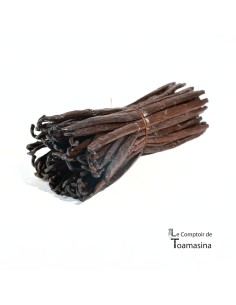
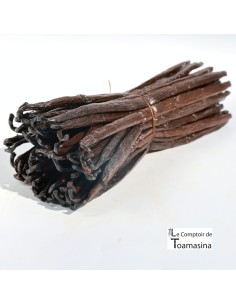
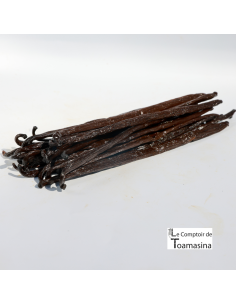
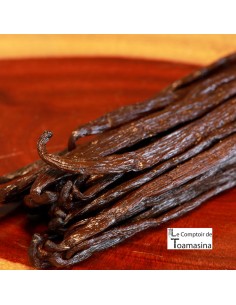
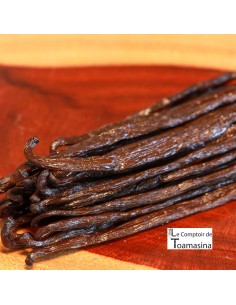
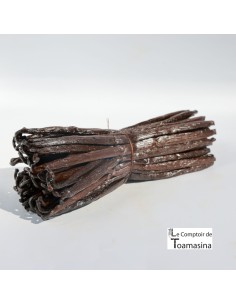
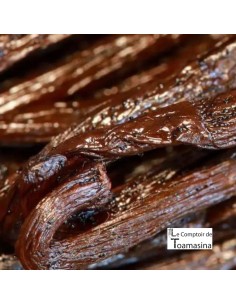
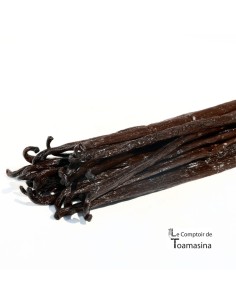
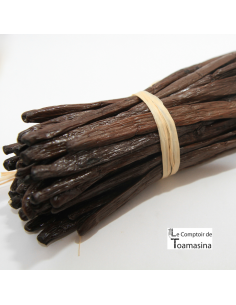
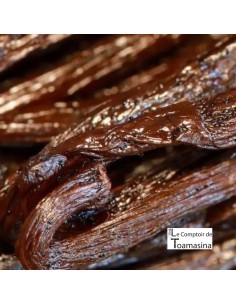
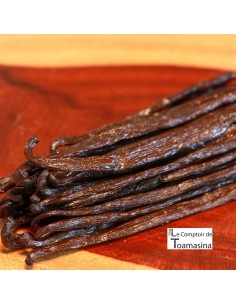
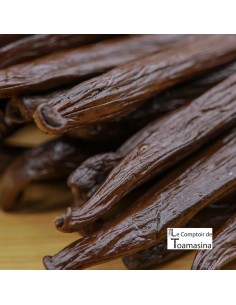
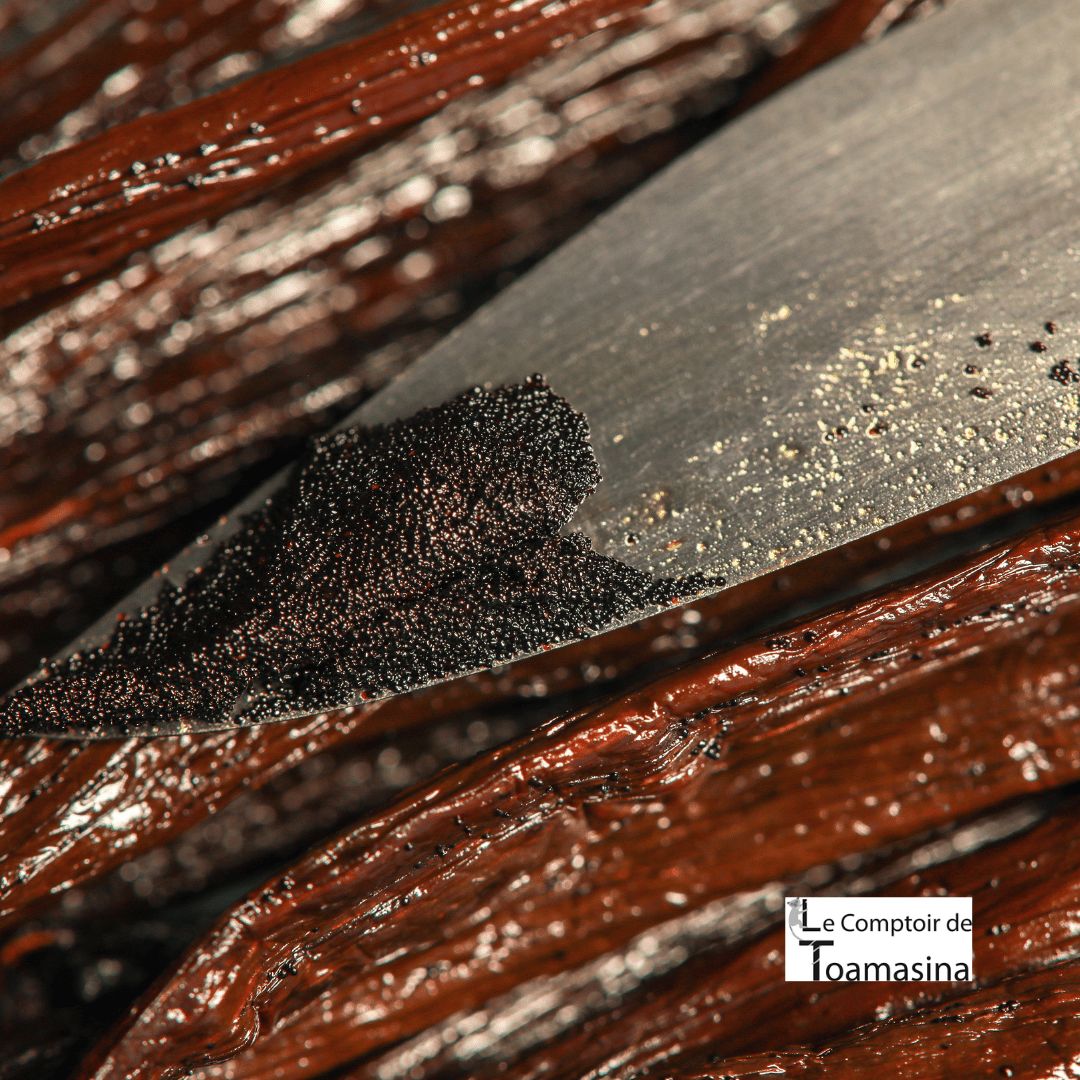
The highest quality according to the AFNOR 5565-1 standard. A supple, shiny, plump, and un-split vanilla bean.
Arnaud Sion's Expertise
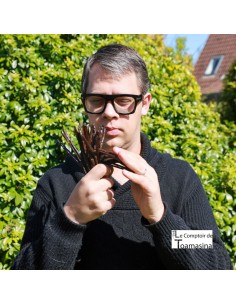
Founder of Le Comptoir in 2010. I was trained in the selection of cuttings and vanilla in Madagascar. Today, I offer you the finest selection of Madagascar vanilla.
Intense Notes
An incomparable aromatic richness with notes of intense, gourmet vanilla and a touch of cocoa.
100 Madagascar's Bourbon Vanilla Beans
2 Madagascar's Bourbon Vanilla Beans
Madagascar Bourbon Vanilla - Categoria Ouro - 18 and 23 cm
15 Madagascar Bourbon Vanilla Beans
Vanilla Extract Madagascar
50g Madagascar Bourbon Vanilla Beans
250g Vanilla Beans Madagascar AOC Bourbon
Madagascar Bourbon Vanilla Beans per kilo
50 Vanilla Beans Bourbon Madagascar - Gourmet, Prime, Grade A1
5 Bourbon Vanilla Beans from Madagascar Gourmet
Madagascar Pompona Vanilla Bean
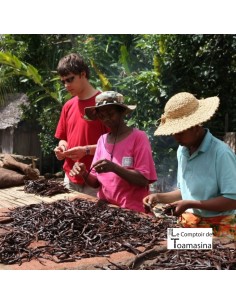
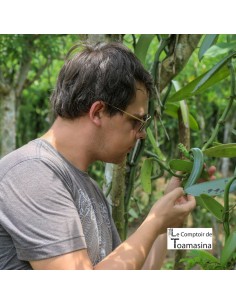
The Malagasy orchid cannot fertilize itself: the Melipona bee, its native Mexican pollinator, is absent from the island. Every single flower is therefore married by hand by women known as "matchmakers" (marieuses). Armed with a simple carved bamboo stick, they lift the plant flap of the flower to press the pollen against the stigma—a gesture repeated flower after flower, exclusively at dawn, before the corolla dies under the midday heat.
From Arnaud Sion's field log on the SAVA region, Le Comptoir de Toamasina blogThe Story of a Family Passion
My name is Arnaud Sion, and in 2010 I founded my family business specializing in the purchase and sale of Madagascar vanilla. Today, I am a recognized specialist in the world of vanilla, mastering the complete cycle from plant cuttings to selecting the finest vanilla pods.
On my specialty store, you will buy the unique: Gourmet Quality. You will receive Madagascar Bourbon vanilla that has benefited from optimal curing. It is a supple, glossy, plump vanilla pod filled with seeds.
Arnaud Vanille: A Life Dedicated to Excellence
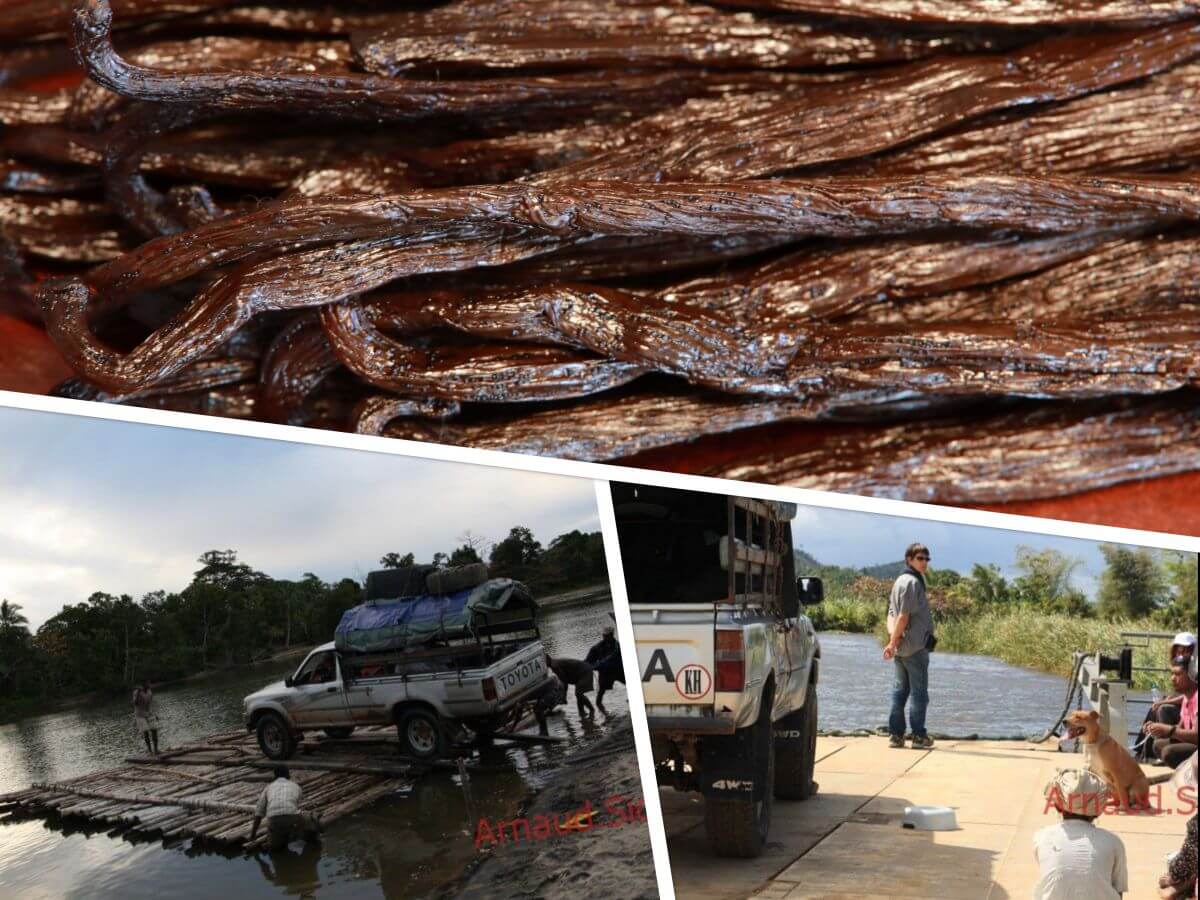
In 2010, driven by my passion, Le Comptoir de Toamasina was born. My very first vanilla pod came from a remote plantation nestled deep in the Malagasy bush, reachable only after 48 hours on dirt tracks. That is where I learned the craft of a vanilla curing specialist.
Today, I am nicknamed "Arnaud Vanille". I travel the world, from Minas Gerais in Brazil to the SAVA region in Madagascar, to select unique batches. My goal is not to sell a "price point", but a true culinary emotion.
The Le Comptoir de Toamasina Difference
Contrary to popular belief, size isn't everything. A 20cm pod can be full of water and lacking flavor. I prioritize Gourmet Quality: long-cured vanilla that has lost excess water to concentrate its essential oils. This is what we call "finest tasting vanilla".
A stifling June afternoon on the beach of Sambava, in northeastern Madagascar. A local artisan energetically turns a traditional wooden manual ice cream maker, surrounded by crushed ice and coarse sea salt, to prepare raw ice cream using fresh pods from the morning's harvest. That original flavor, incredibly rich and woody, made a lifelong impression on Arnaud.
From the story of homemade vanilla ice cream on Le Comptoir de Toamasina blog
Botany: From Orchid to Black Pod
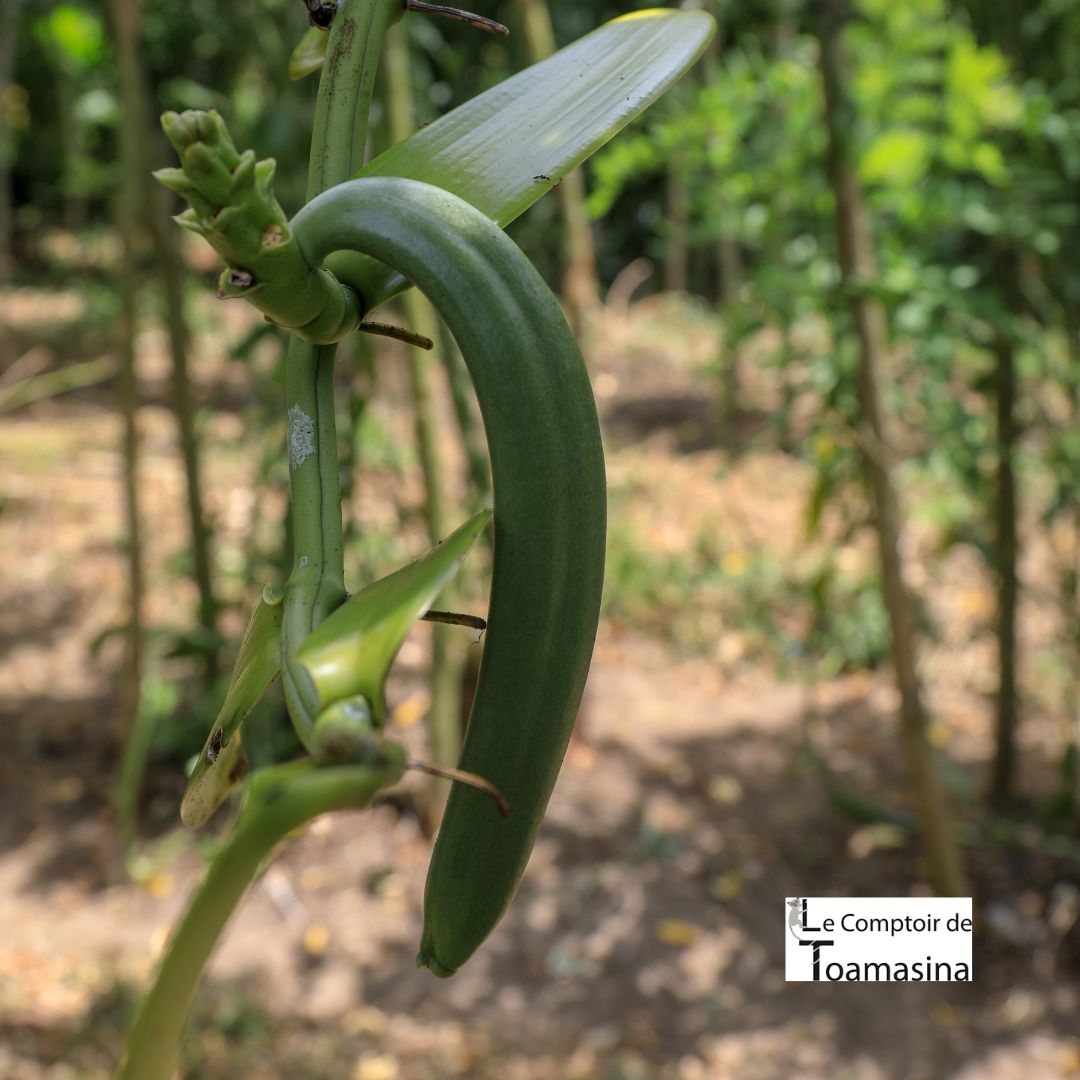
The vanilla plant is a climbing orchid that can grow up to 25 meters long. It is a delicate plant requiring constant care:
- Pollination: Outside its native Mexico (where the Melipona bee operates), the flower must be hand-pollinated flower by flower on the morning it blooms.
- Maturation: It takes 9 months for the green pod to reach full maturity. Vanillin concentrates in the very last week.
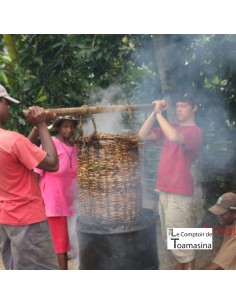
- Processing: Once picked, the pod undergoes scalding (a 63°C bath), sweating (wrapped in wool blankets), and slow drying.
It takes about 5 to 6 kg of green vanilla to obtain 1 kg of ready-to-use black gourmet vanilla. This drastic weight reduction and the labor involved (over 3,000 manual steps per kilo) explain the value of this spice.
Vanilla Varieties Around the World
Madagascar exclusively produces Vanilla planifolia. It is the most widely produced vanilla in the world. This vanilla must undergo scalding during its curing process.
The rarest vanilla in the world is Bahian vanilla. This vanilla grows solely in Bahia, Brazil. It naturally has 6 times higher vanillin levels than Vanilla planifolia from Madagascar.
Le Comptoir de Toamasina, French vanilla specialist, invites you to discover vanilla varieties from around the globe and those found in Brazil. Each variety features a description on our blog and an explanatory video. In Brazil, wild vanilla still grows, notably the Dubia variety.
- Chamissonis Vanilla
- Vanilla Dubia
- Vanilla odorata C.Presl
- Vanilla organensis Rolfe
- Vanilla ovale Rolfe
- Vanilla palmarum (Salzm. ex Lindl.) Lindl.
- Vanilla paludosa Pansarin, JM Aguiar & AC Ferreira
- Vanilla parvifolia Barb.Rodr.
- Vanilla pauciflora Dressler
- Paulista Vanilla
- Penicillata Vanilla
- Vanilla perexilis Bertoni
- Vanilla Planifolia
- Vanilla pleei Portères
- Vanilla Pompona Schiede
- Vanilla purusara Barb.Rodr. ex-Höhne
- Ribeiroi Vanilla Hoehne
- Vanilla rojasiana Hoehne
- Vanilla sativa Schiede
- Savanna Vanilla Britton
- Vanilla schwackeana Hoehne
- Spruce Vanilla Rolfe
- Vanilla surinamensis Rchb.f.
- Vanilla sylvestris Schiede
- Vanilla Tahitensis JWMoore
- Tiarei Vanilla Costantin & Bois
- Vanilla trigonocarpa Hoehne
- Vanilla uncinata Huber ex Hoehne
- Vanilla vanilla (L.) Huth
- Vanilla vellozii Rolfe
- Warty Vanilla Hauman
- Vanilla viridiflora Blume
- Vanilla wrightii
As you can see, there are many vanilla varieties around the world. However, two species account for 99% of global vanilla production: Vanilla Tahitensis and Vanilla Planifolia. Furthermore, the vanilla orchid is the only orchid species that produces edible fruit—what we call vanilla.
In addition to being edible, vanilla is fascinating: Vanilla planifolia is a terrestrial species, which is not unique but sets it apart from most other orchids that are epiphytic (growing on other plants). As you can tell, the world of vanilla is truly captivating.
Quality Criteria and Storage
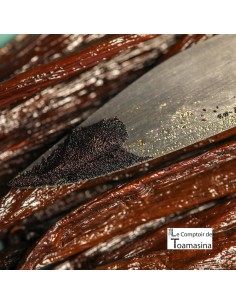
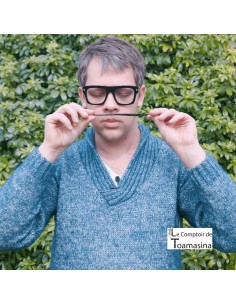
How do you recognize good vanilla? Here is Arnaud's trick: take the pod and tie it in a knot. If it snaps, it is too dry. If water oozes out, it was improperly cured. A Gourmet vanilla pod from Le Comptoir de Toamasina knots without breaking—it is flexible, glossy, and oily to the touch.
Mistakes to Avoid
We too often see incorrect advice. Here is what you should never do:
- The Refrigerator: It ruins vanilla. Cold temperatures freeze the aromas, and moisture fosters mold.
- Alcohol (Rum): This technique is used to mask low-quality vanilla that risks spoiling. Good vanilla stands perfectly on its own.
- Total Vacuum Sealing: Vanilla needs minimal breathing room; complete vacuum sealing stifles the long-term development of aromas.
Store your vanilla pods in a dry place away from light (a pantry), ideally in a glass tube or a tightly sealed tin box. They will maintain their flexibility for 12 to 18 months.
Chef Secrets: Mastering Infusion and Flavor Extraction
As an expert, I always advise against rushing vanilla. To release the full spectrum of phenolic compounds in the pod, infusion should be gradual. Contrary to popular belief, boiling milk with vanilla can alter its delicate top notes. Opt for a warm infusion kept below 70°C for at least 20 to 30 minutes.
For demanding recipes like whipped ganache or high-end pastry cream, a 24-hour cold infusion in the refrigerator is ideal. This method slowly extracts essential oils without denaturing them, revealing buttered and floral notes of unmatched delicacy that only gourmet-quality Bourbon vanilla can deliver.
Savory Culinary Art: Vanilla as a Complex Flavor Enhancer
Madagascar vanilla reigns supreme in baking, but it also elevates savory dishes. It is a remarkable flavor enhancer for seafood and white meats. Its rich natural vanillin acts as an aromatic "bridge" between tastes. In a sauce for scallops or lobster, it balances sea brine with gentle sweetness.
My expert secret for savory dishes? Create a vanilla-infused oil. Submerge two split pods in a neutral grapeseed oil for 15 days. A few drops of this oil on fish carpaccio or parsnip puree will turn a simple dish into a gourmet experience worthy of fine dining tables.
Zero Waste Approach: The Expert Way
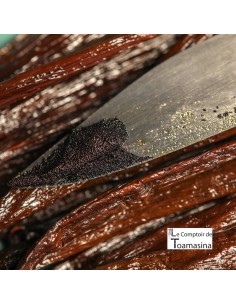
A common mistake is thinking all flavor resides in the seeds (the caviar). In reality, as a vanilla specialist, I can assure you that the epicarp (the pod skin) contains a phenomenal concentration of pure vanillin and volatile aromatic compounds. Throwing away a spent pod means wasting 50% of the product's flavor potential.
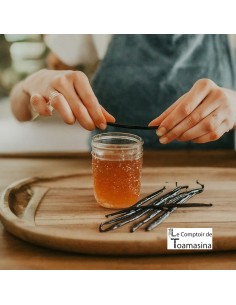
After infusion, gently rinse your pods with clean water and let them air dry (never in a hot oven, which destroys delicate floral top notes). Once dry and brittle, create "Whole" Vanilla Sugar (blend whole pods with sugar), Homemade Extract (5 to 10 spent pods in a bottle of vodka or white rum), or Vanilla Powder (grind dry pods in a coffee grinder).
Fifteen years spent traveling the rough dirt tracks of SAVA, sleeping in remote villages, and building a direct import model in Madagascar. Fifteen years is how long it took Arnaud to understand the raw reality of this delicate orchid—and to build, season after season, the strict standards that define Le Comptoir de Toamasina's Gourmet Quality today.
From "15 Years of Direct Import in Madagascar", Le Comptoir de Toamasina blogFrequently Asked Questions
How do you recognize good Madagascar vanilla?
How should you store vanilla pods?
Why is Madagascar vanilla expensive?
Vanilla pods or liquid extract: which should you choose?
Can you reuse an infused vanilla pod?
It is this intimate knowledge of the product, from botany to chemistry, that allows me today to select exceptional batches for Le Comptoir de Toamasina. Buying here means sharing this commitment to excellence.