Rare Peppers
"Buy quality rare pepper at the best price. Rare peppers are at the crossroads of flavors and creative cuisine. Le Comptoir de Toamasina is your online specialist."
Unique Botany
Rare peppers come from species other than the classic black pepper (Piper Nigrum), offering exceptional botanical richness.
Symphony of Flavors
Smell a rare pepper and discover an unexpected palette of flavors. Let yourself be transported by their unique notes.
Passionate Selection
We only select the peppers and berries that thrill us to offer you incomparable quality.
Discover their stories and how to properly use them in cooking. We recommend preparing them with a mortar to release all their essential oils.
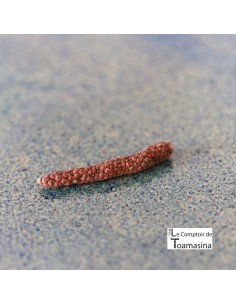
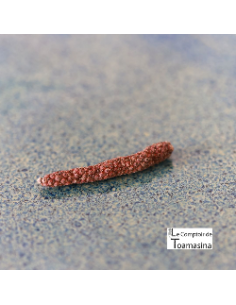
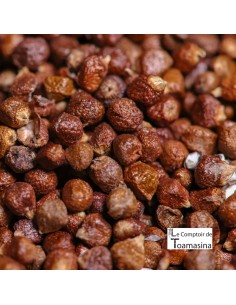
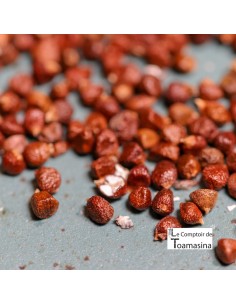
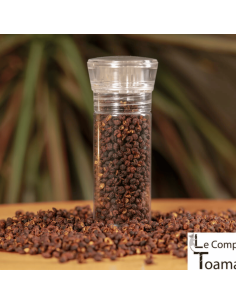
Le Comptoir de Toamasina allows you to buy very high-quality rare peppers and rare berries at the best price. Among the rare peppers, you will find the timut berry with its citrus notes, Madagascar wild pepper, Cambodia red pepper, long pepper, cubeb pepper, baiano pepper, macaco pepper, and the Timiz Berry.
Take a trip to the lands of peppers and berries with our world gift sets and achieve creative cuisine that inspires escape.
Allspice Berry
Cubebe Pepper (Tailed Pepper)
Cubebe pepper - Grinder
Cubèbe Pepper with Kilo
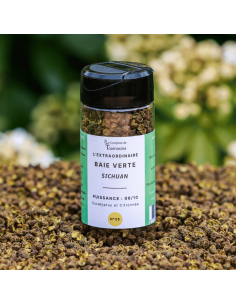
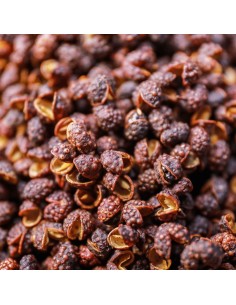
Green Sichuan Pepper
Green Sichuan Pepper per kilo
Long Java Pepper by the Kilo
Long Pepper
Long Pepper - Grinder
Long Red Pepper Cambodia
Maniguette - Seed of Paradise
Maniguette - Seed of Paradise - Mill
Maniguette - Seed of Paradise - per kilo
Pepper of Selim
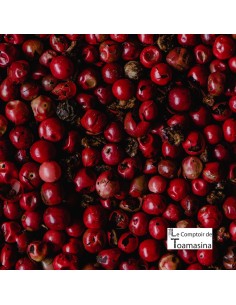
Pink Berry - Brazil
Red Kampot Pepper
Red Sichuan Pepper
Red Sichuan Pepper - Grinder
Red Szechuan Pepper by the Kilo
Selim Pepper - Grinder
Selim Pepper at Kilo
Sichuan Green Pepper - Grinder
Timut Bay - Mill
Timut Pepper Nepal
Timut Pepper Nepal at Kilo
Wild Pepper Voatsiperifery
Wild Pepper Voatsiperifery at Kilo
Buy rare peppers online that go off the beaten path
Arnaud Sion, the creator of Le Comptoir de Toamasina, invites you to discover peppers that will take you off the beaten path. Each origin is a discovery that inspires escape and the unveiling of a natural treasure. Peppercorns that are nuggets of nature. A small nugget full of flavors.
Pepper was once used as currency, and today it is a journey for the senses. Each pepper is the result of a selection designed to invite you on a culinary journey. A rare pepper must surprise and astonish with its quality, its palette of flavors, but it must also have a good maturation process like the Madagascar vanilla bean. So, set off to discover flavors of grapefruit, mint, blueberry, and give your creative cooking a new meaning.
The Rare Pepper Buying Guide
Berries and peppers are universal spices that will make your taste buds travel. Pepper is the pearl of all spices. Along with sea salt, there isn't a recipe without this little marvel. Arnaud, creator of Le Comptoir de Toamasina and a private chef in Brazil, wanted to create Le Comptoir de Toamasina because it wasn't easy to find good vanilla, good peppers, and especially pepper mills with good peppercorns.
This small grain, with its spicy, earthy, woody, and biting flavor, holds an important place in the history and gastronomic development of several nations. The unique taste of pepper accompanies most savory dishes and some sweet ones. Pepper was once so rare and precious that it was used as currency to pay taxes, rent, and dowries. Today, several countries produce excellent quality pepper, including India, Cameroon, Madagascar, Vietnam, Cambodia, Japan, Laos, Brazil, Malaysia, Indonesia, China, Ghana, and Zimbabwe.
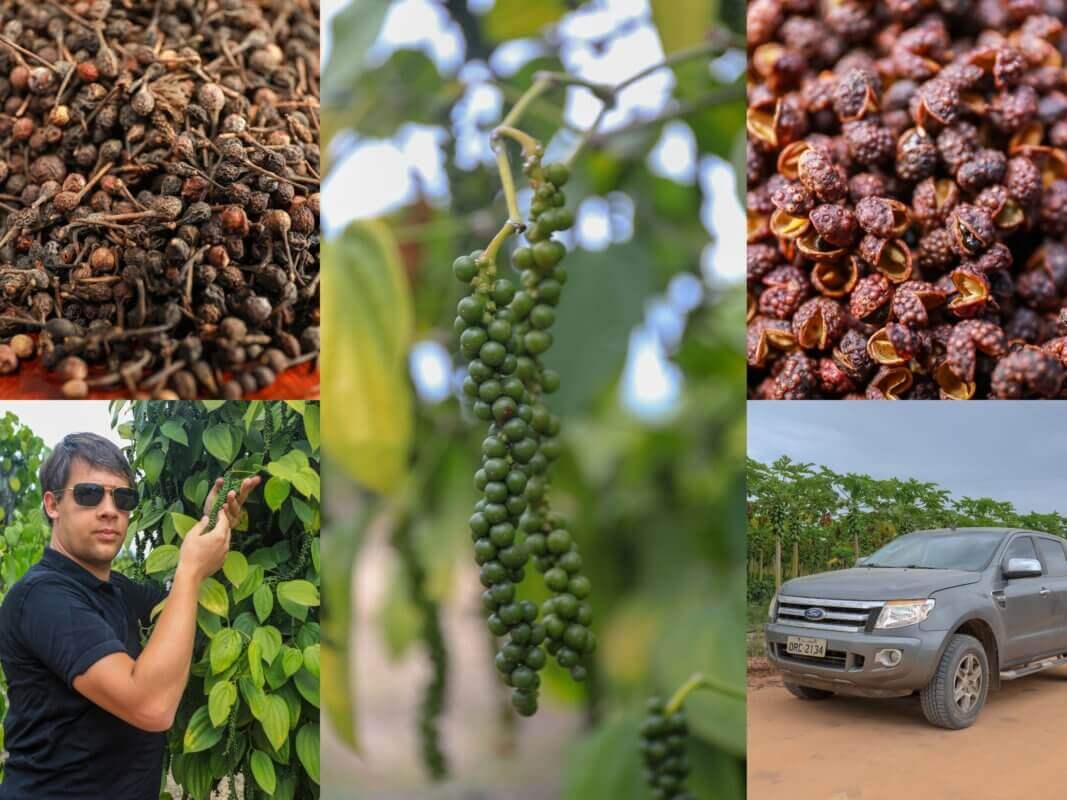
On pepper plants, peppercorns grow in clusters. The pepper plant is part of the Piperaceae family, a family of tropical plants. It takes about eight years for the plant to produce its first fruit. It takes several weeks for the pepper berries to ripen; before ripening, they are green, then yellow, and finally red. All types of pepper therefore come from the same fruit and vary depending on the harvesting phase, the drying time of the seeds, and the preparation technique.
Green pepper, black pepper, white pepper, and red pepper are the different types of pepper. The name pepper is only designated for berries of the Piperaceae family. All other berries that are not part of this family are called "false peppers". These berries are often incorrectly referred to as peppers. This is the case with "pink pepper", "allspice", and "Sichuan pepper". "Grey pepper" does not really exist! This is a verbal misuse. It is actually a bland combination of white pepper and black pepper powders.
The different botanical varieties of rare peppers
Rare peppers can be of the piper nigrum variety, other varieties of the piper genus, or berries. They are rare because there is limited production; they are grand cru peppers, from micro-regions, or simply tied to their production location. Often, however, it is the preparation of the pepper that makes it rare. We invite you to discover the different varieties.
The rare peppers of piper nigrum:
The berry is harvested before it matures and then preserved either in brine or by freeze-drying. Freeze-drying is expensive, so it is rare to find pepper in this form, which increases its price. The freeze-drying technique is what we use for our acai berry.
The piper nigrum species will produce red pepper at the last stage of maturation; it is a pepper harvested at full maturity and dried. It is very difficult to find because producers prefer to produce black pepper, which is easier and faster to dry.
As you can see, the world of pepper is magical; each variety of piper nigrum will be appreciated by gourmets, food lovers, and Michelin-starred chefs. Great chefs love red pepper for its fruity side.
Other varieties of the piper genus pepper plant:
For a purist, only piper nigrum should have the pepper appellation. But in the Piperaceae family we have:
- Piper Borbonense: Madagascar wild pepper, Voatsiperifery, is a pepper at the confluence of flavors that offers an extraordinary journey.
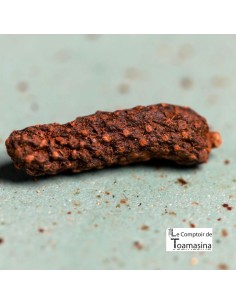
- Piper cubeba: Which yields cubeb pepper, a tailed pepper with a natural touch of mint, it's a magical pepper.
- Piper Longum: Long pepper or Java pepper, a magnificent pepper with warm notes of cocoa.
- Piper Guineense: A pepper found only in Cameroon, it is among the extraordinary peppers.
- Other pipers: Each country can have its own type of piper; it's a large family that we love to discover off the beaten path.
False peppers - rare berries:
Rare berries can be confusing because of the word "pepper". These berries possess extraordinary flavors:
- Aframomum melegueta: Here we are in Africa (Guinea) with grains of paradise (alligator pepper).
- Pimenta dioica: This is allspice (Jamaica pepper), the tree produces a berry with an odor close to that of the clove tree.
- Schinus terebinthifolius: This is the pink peppercorn, which grows in the tropics (like in Minas Gerais, Brazil).
- Tasmannia Lanceolata: Tasmanian pepper, a little devil in the mouth.
- Vitex agnus-castus: Monks' pepper or chaste tree berry.
- Xylopia aethiopica: A species that produces Selim pepper.
- Zanthoxylum piperitum: These are the berries we love at Le Comptoir, such as Sichuan pepper and timut berry with their citrus notes.
The history of Rare Pepper
The history of rare pepper dates back to 2,000 years BC. Since Antiquity, pepper has been a spice worth its weight in gold. Although there is a difference between the fruit of the long pepper plant and the fruit of piper nigrum pepper because they are cousins (like Timut Berry and Green Sichuan Berry), pepper has always been a part of cooking. Traces of it have been found as far back as ancient Greece, originating from the western Indian subcontinent.
Portuguese exports would compete with Italian exports in Europe thanks to the voyages of Vasco da Gama, who brought it from India directly to the European market. Not to mention Bartolomeu Dias who would pass the Cape of Good Hope. It took at least two millennia to get our hands on the peppers and blends we use today.
Pepper has been the symbol of wealth. For a long time, buying pepper was considered a social status symbol, particularly in Europe, where the price of pepper was quite high. You could pay with peppercorns back then. A spice rated like gold.
Black pepper (Piper nigrum) is one of the oldest and most well-known spices in the world, widely used in cuisines worldwide. Like oil today, it was the most important agricultural commodity in the past. The chemical ingredient, piperine, gives it a pungent and peppery taste.
More than 4000 years ago, it is believed to have appeared in the wild on the west coast of India, known as the Malabar Coast. It took a millennium, or 3000 years, to begin cultivating it. Discover the rest of the story here in the history of pepper.
7 tips from Chef Arnaud for choosing the right pepper
Each of our product sheets provides explanations about history, tips for use, and recipes. Let yourself be transported by the discoveries of Le Comptoir de Toamasina. Chef Arnaud offers 7 tips for buying a good rare pepper:
Favor whole peppercorns: They perfectly retain their aromas, unlike powdered pepper.
Give preference to origin peppers: Kampot, Sarawak, Madagascar pepper... the soil gives its aromas to the pepper and a rare aromatic power.
Cook with the 4 colors of pepper: Black, green, red, or white, enjoy this wide range of flavors just as you would with wine.
Do not crush too finely: The spiciness is mainly in the outer shell and the core holds the flavors. Crushing too finely gives too much weight to the heat.
Pepper does not tolerate heat well: A turn of the mill at the last moment is ideal, or crushing it "mignonette" style.
Dare to pair and mix: Dessert and pepper, melon and cubeb pepper, strawberry and Sichuan berry, fish and Timut berry.
Have several peppers on hand: Cooking with several varieties allows you to give new, unexpected depths to your dishes.
What is a rare pepper and rare berry?
Arnaud Sion, the creator of Le Comptoir de Toamasina, was the youngest spice researcher to our knowledge. It was at the age of 21 in 2010 that he began traveling the world in search of flavors. Our company is 100% family-owned and we also work with family plantations in Brazil.
Rare berries and peppers will have a very different flavor from other peppers. First of all because of their rarity, and then by their singular aromatic footprints. Smell, crunch, taste, and do not hesitate to blend these excellent peppers. The rare whole peppercorns come from the 4 corners of the world and bring you incredible flavors.
We love helping you discover rarity and peppers that will take you off the beaten path. When you start cooking with a rare pepper, you will quickly fall in love, just like with a beautiful vanilla bean.
How to use rare pepper in cooking
Rare pepper possesses a very impressive aromatic footprint. Most often it is used to have a more exclusive flavor than classic black or white pepper. We like to use it in soups, meats, vegetables, vinaigrettes, and sauces. Always add pepper at the end of cooking; a pinch is enough to subtly enhance a dish.
Did you know? Rare pepper loves its friend salt and will work wonders in all your dishes. We advise you to beat it in a mortar just before serving, as this is how it will best emit its symphony of flavors. Do not hesitate to do like the Brazilians: crush it to sublimate your BBQ meats.
In general, they can be used on white and red meats, raw or cooked vegetables, starches, salads, marinades, and even fruit desserts (tart, crumble) and chocolate desserts (muffins, fondants). It is suitable for all fish, especially high-quality fish.
Pair perfectly with red meats, duck, pâtés, terrines, and roasted vegetables.
Magnificently complement seafood, shellfish, fresh fruits, light sauces, and béchamel.
Pair very well with robust meats like game, but also work wonders in chocolate desserts.
Recipes with the best rare peppers
Discover the most beautiful recipes that will thrill your taste buds with rare whole peppercorns from Le Comptoir de Toamasina.
Magical flavors for your creative cuisine
When you want to discover the world of pepper, you start with classic black pepper and then you want to know about rare and wild peppers. Madagascar black pepper is certainly, along with Vietnamese pepper, the first grain you will come to know. Then little by little, you will discover new flavors like Madagascar wild pepper which comes from the vine that is cousin to black pepper.
In cooking shows, we see more and more prodigies using rare peppers like long pepper fruit or Timut berry. Timut Berry is the trendy berry; great chefs love it for its incredible flavors of pink grapefruit. It's a rare berry like its cousin the Sichuan Berry.
But beware, timut berry and Sichuan are false peppers: they do not come from piper nigrum but from a shrub. The Portuguese were the first to import pepper to Europe, and in the language of Camões, peppers and berries became pimenta. In France, a 1945 law grants the exclusive term "pepper" to piper nigrum.
Fall under the spell of the rare peppers of Le Comptoir de Toamasina and taste magical nuggets. You will discover an incredible range with notes that will make you travel: journey through Cambodia with Kampot, discover Java and its long pepper. Before traveling physically, make your plate creative!
Le Comptoir de Toamasina is about selling excellent and high-quality pepper. We have partnerships in France, Europe, and around the world to offer you extraordinary flavors.
Frequently Asked Questions about Rare Peppers & Kampot
What does Kampot pepper taste like?
- Green: consumed fresh locally, remarkable aroma and less spicy.
- Black: floral aromas with a hint of eucalyptus and fresh mint.
- Red: spicy, fruity and floral notes, pronounced lemon taste.
- White: extremely subtle, notes of citrus, undergrowth and herbs.