• New
Whole Fermented Pondicherry Black Pepper

Whole Fermented Pondicherry Black Pepper

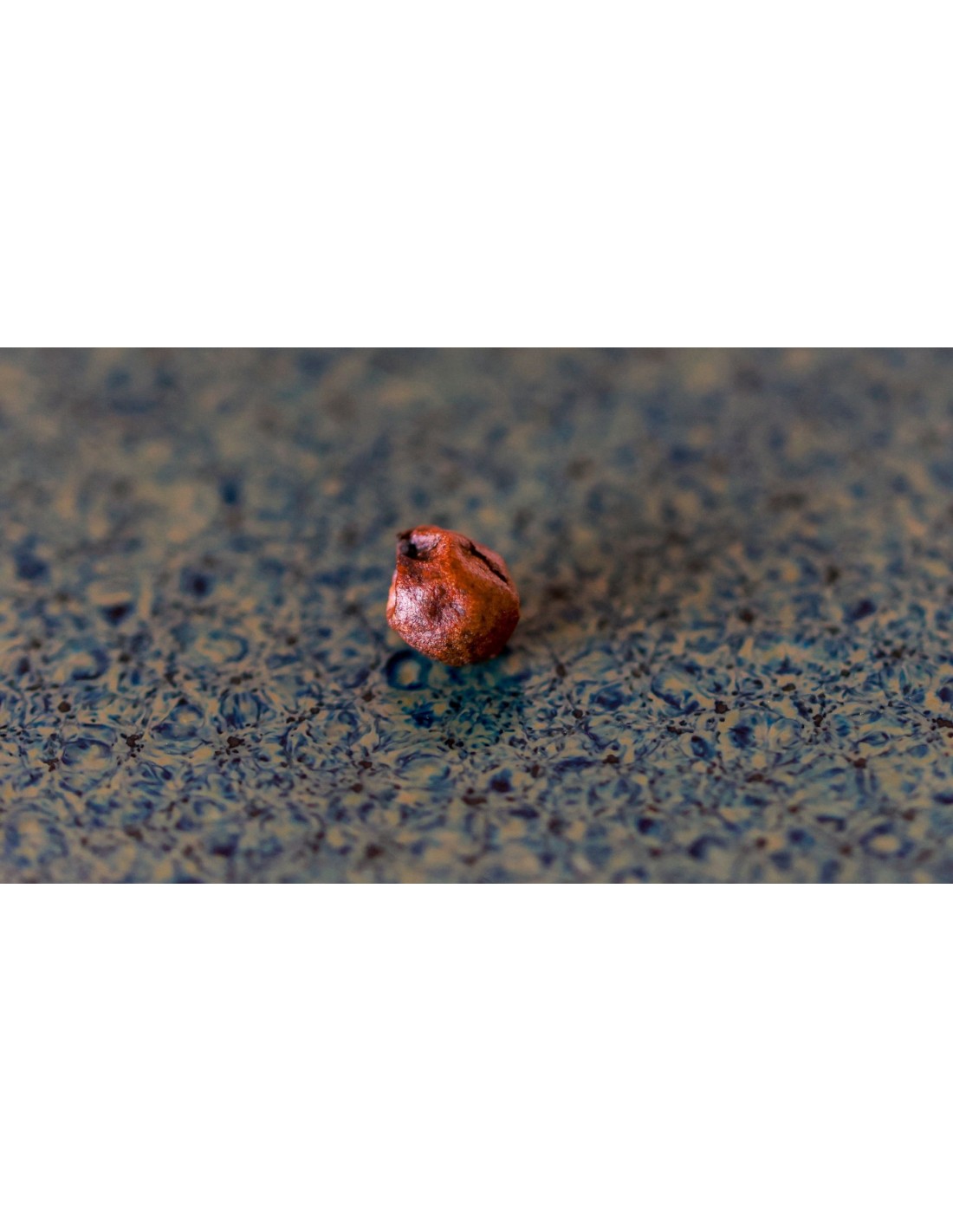
Discover whole fermented Pondicherry black pepper, a rare and captivating spice from Southern India. This exceptional black pepper is renowned for its slightly glossy whole grains and pleasantly tender, chewable texture. Its unique sea salt fermentation process softens the sharp heat while concentrating the rich, complex aromas of the pepper.

Grown in the fertile soils of Tamil Nadu around the Pondicherry region, the peppercorns are hand-harvested at full maturity. Immediately after picking, they are repeatedly combined with moist natural sea salt and sun-dried until the fermentation is complete. This traditional method seals in the aromatic profile while imparting a beautifully balanced roundness.

On the nose, it delivers a warm, intensely spicy, and subtly fruity fragrance. On the palate, the tender grains yield easily under bite, releasing a mild, fruity heat accompanied by a delicate, harmonic touch of sea salt. It serves as an exquisite finishing spice for hot dishes where rich flavor without overwhelming burn is desired.

  • Pepper Strength: 4/10 (Mild, warm heat)
  • Main Notes: Fruity, warm notes with a subtle touch of natural sea salt
  • Uses: Finishing spice for steak, lamb, poultry, pepper sauces, vegetables, and pasta
  • Origin: India (Pondicherry / Tamil Nadu Region)
  • Format: Whole fermented peppercorns

Combining the bold depth of Indian black pepper with the subtle accent of natural sea salt, this Pondicherry pepper adds a refined, gourmet touch to both everyday cooking and festive meals.

Experience the finest quality of whole fermented Pondicherry black pepper at the best price with Le Comptoir de Toamasina.

Packaging
PNPE
€14.90


Whole Fermented Black Pepper
from Pondicherry

"A South Indian pepper that isn't dried like the others: preserved in salt, its peppercorn remains supple, almost melting, with a rounded heat and a saline finish. A finishing pepper, unique in my collection."

South India Supple salted peppercorn Finishing pepper

A supple, saline peppercorn

Preserved in sea salt, the berries keep a tender texture that crushes easily under a knife blade, unlike hard, dry pepper.

A rounder heat

The heat is there but mellowed: a pepper that flavors without assaulting the palate, ideal for those who find black pepper too biting.

For the mortar, not the mill

Its moisture means it should be crushed with a pestle or a knife: a chef's touch that releases its full aroma at the very last moment.

Fermented black pepper from Pondicherry is a curiosity I love sharing. These are Piper nigrum berries, grown in South India. Instead of simply being sun-dried like classic black pepper, they are processed in sea salt, then partially dried. The result is a deep black peppercorn, soft to the bite, slightly moist, and veiled in salt.

On the palate, the difference is immediate. The heat is definitely there, but it arrives more gently, coated by the salinity and a note of ripe fruit. This isn't a pepper you grind over everything: it's a finishing pepper, meant to be crushed at the last moment over a finished dish, a seared steak, risotto, or cheese.

Its name evokes Pondicherry, the former capital of French India. I prefer to be transparent: "Pondicherry" is a trade name here, steeped in history, not the actual region where the pepper is grown. I explain why below.

Comparative Sensory Analysis

Pondicherry Fermented vs Dry Black vs Salted Kampot Green

Our tasting profile: three ways to process the peppercorn

Heat
Salinity
Ripe fruit
Vegetal freshness
Woody · Warmth
Pondicherry Fermented
Dry Black Pepper
Salted Kampot Green Pepper

Between two worlds: dry black pepper is the spiciest and woodiest, salted green Kampot pepper is the freshest and most vegetal. Pondicherry fermented sits between the two: saline like Kampot, warm like black, but with a rounded heat and a ripe fruit note.

Technical Sheet

What you receive

  • Botanical namePiper nigrum L.
  • OriginSouth India
  • IngredientsBlack pepper, sea salt
  • FormWhole peppercorns, supple and slightly moist
  • Power5/10 — rounded heat
  • Main notesSaline, ripe fruit, woody warmth
  • UseAs a finish, crushed in a mortar or with a knife
  • StorageTightly closed, in a cool place; refrigerate after opening
  • AllergensNone

Arnaud's take on this pepper

I select my peppers in France with my importer, always with the same instinct: open the bag and smell. But for a pepper like this, the nose isn't enough, you have to touch it. A good fermented pepper must be soft, black and shiny, never dry or brittle, and its salt must remain in the background behind the pepper's scent.

I added it to my collection because it is unlike any other. This opens another door: a pepper that you use as a condiment, substituting some of the salt and placed on the dish at the very last moment.

Pondicherry: what this name really tells us

Pondicherry is a city on the Coromandel Coast in southeastern India. In 1674, François Martin founded a trading post there for the French East India Company. It became the capital of French India and reached its peak in the 18th century.

However, Pondicherry was never the great pepper city. The true French pepper trading post was Mahé, on the Malabar Coast (current Kerala). That is where Indian pepper has always grown. Today, most Indian production comes from Karnataka and Kerala.

The name "Pondicherry" is therefore primarily a nod to the history of the spice routes. The pepper itself comes from South India, the historical homeland of Piper nigrum.

How to use it

  • Never in a mill: the moist peppercorn will clog the mechanism. Crush it in a mortar or with the flat of a knife.
  • At the end of cooking: add it off the heat or in the final seconds. Long cooking would ruin its aroma.
  • Reduce salt: this pepper brings its own salt. Always taste your dish before adding more.
  • To mellow it: if you find it too salty, quickly rinse the peppercorns in water and dry them before use.

Recipe ideas

Steak with fermented pepper

Sear your beef, set aside. Sweat a shallot in the pan, deglaze with cognac and veal stock, reduce, bind with cream. Off the heat, add a teaspoon of crushed fermented pepper. Coat the meat, do not add extra salt.

Mushroom Risotto

Prepare a classic risotto. When binding off the heat with butter and parmesan, sprinkle some crushed fermented peppercorns: their salinity replaces some of the salt and wakes up the parmesan.

Burrata, fresh goat cheese or salmon

On a burrata, fresh goat cheese, or a freshly cooked salmon fillet, a few crushed peppercorns and a drizzle of olive oil: that's all. This pepper is made for simple products.

Frequently Asked Questions

Can I put it in a pepper mill?

No. Its moist and soft peppercorn would clog the mechanism. Crush it with a mortar, a knife, or a fork.

Is it grown in Pondicherry?

No: it is a South Indian pepper, and "Pondicherry" is a trade name recalling the former French trading post.

Is it spicier than black pepper?

No, its heat is rounder and milder than a dry black pepper, with a note of ripe fruit.

"A unique finishing pepper: supple grain, round heat, saline finish."

Order Fermented Pepper

Piper nigrum · South India · Selected by Arnaud Sion

No reviews