
Your cart
There are no more items in your cart
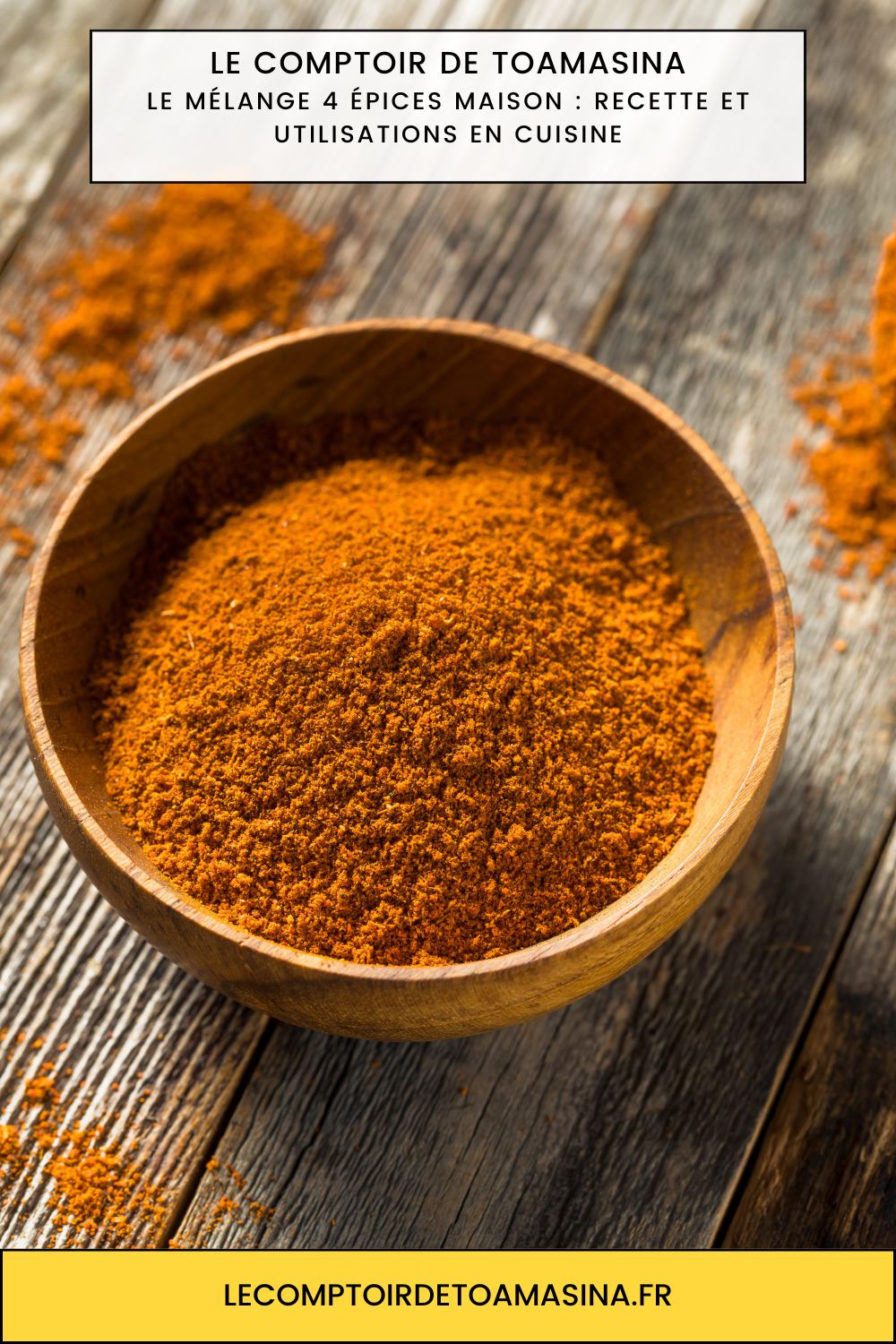
Table of contents
Why does gingerbread have such a long history?
The first time I truly understood what traditional French gingerbread (pain d'épices) was, wasn't in a kitchen, but in a spice market. Amidst torn jute bags and the rising morning heat, I crushed a clove between my fingers and smelled that warm, almost medicinal burst that lingers on the skin. I realized then that this cake isn't just a recipe; it's a travel log. Every spice within it crossed oceans before landing in our ovens.
Gingerbread is one of Europe's oldest cakes, holding the memory of ancient trade routes within its crumb. Its earliest form comes from Asia, where flour, honey, and aromatics were already being mixed. Spices arrived via caravans and ships, sometimes valued higher than gold. Today, as I walk the plantations of Madagascar, I often think of those merchants who, centuries ago, transported the very same cloves and cinnamon I hold in my hand.
What fascinates me is that there has never been a single, universal recipe for gingerbread. Every region, family, and baker developed their own blend. It is a deeply democratic cake: it gets passed down, tweaked, and evolved. That's precisely why a successful gingerbread relies less on pastry techniques and more on the correct balance of spices. Honey and flour set the stage; spices are the main characters.

Vanilla, though less common in traditional blends, is a chef's secret to bringing unparalleled smoothness to gingerbread.
Which spices actually go into gingerbread?
If you ask ten pastry chefs for the exact composition of a gingerbread blend, you will get ten different answers, and they will all be right. There is no formula set in stone. However, there is a core family of spices that almost always returns, and it's around this family that I build my own blends at the shop.
Cinnamon is the backbone. It provides the woody, enveloping sweetness that is instantly recognizable. I always prefer Ceylon cinnamon; it is finer, more floral than cassia, and less aggressive on the palate. Next comes ginger, which awakens the entire blend with its zesty edge and peppery freshness. Without it, the gingerbread falls asleep, becoming flat and syrupy.
Clove is the most recognizable yet delicate note. One pinch transforms the cake; one pinch too many turns it bitter and numbing. Nutmeg brings a warm, almost buttery roundness that binds everything together. Finally, anise notes like green anise or star anise are often added, and sometimes a touch of green cardamom for a more elegant, modern fragrance.
Ceylon Cinnamon
The sweet, woody base. It structures the blend without ever overpowering it.
Ginger
The bright, peppery heat that prevents the cake from becoming cloying.
Cloves
The intense signature. Powerful and must be dosed with extreme caution.
Nutmeg & Anise
The warm roundness and fresh top note that harmonize the whole.
Arnaud's Take
For me, a good gingerbread spice blend is judged cold, the next day. The aromas need a night to marry within the crumb. If your cake seems perfect fresh from the oven but bland the next day, your spices lacked freshness or proper dosage. Patience is part of the recipe.
How to measure your spices for perfect balance?
Dosage is where everything happens, and where mistakes are most frequently made. Many people think that simply adding more spices guarantees more flavor. The opposite is true. A balanced blend relies on a hierarchy: a dominant spice, two or three supporting spices, and a subtle background note. If everyone talks at once, you hear nothing.
For a gingerbread dough of about 500 grams, I generally start with one level tablespoon of cinnamon as the dominant note, one teaspoon of ginger, half a teaspoon of nutmeg, and only a third of a teaspoon of cloves. Cloves are always the first thing you reduce. Anise or star anise is added on the tip of a knife, just to perfume the air without taking over.
| Spice | Role | Indicative Proportion |
|---|---|---|
| Ceylon Cinnamon | Dominant | About half the blend |
| Ginger | Bright Support | A good quarter of the blend |
| Nutmeg | Roundness | A small binding portion |
| Cloves | Intense Accent | A simple pinch |
| Anise / Star Anise | Top Note | Tip of a knife |
Whole or ground spices?
This is the question I'm asked most often, and my answer never changes: whole, always, whenever possible. A ground spice starts losing its aroma the minute after it is milled. These aromatic compounds are volatile; they evaporate into the air. After a few months, a jar of pre-ground powder from the supermarket contains only a ghost of a fragrance.
When I open a bag of freshly harvested cloves, the smell fills the room. The same clove ground into powder a year ago will express almost nothing. That is why I grind my spices just before incorporating them, using a small mill or a mortar. It takes two minutes and changes everything.
My Instant Grinding Ritual
1. Lightly dry-toast the whole spices in a pan, without fat.
2. Let them cool for a few minutes to set the aromas.
3. Grind in a mortar or mill, just before weighing.
4. Incorporate immediately into the dough without letting the powder sit.
How I create my blend at the shop?
At Le Comptoir de Toamasina, I never consider a blend final. Every year, depending on the harvest, cloves are more or less powerful, cinnamon more or less floral, ginger more or less pungent. A good spice merchant tastes, adjusts, and corrects. It is a work of tasting, not just a copied recipe.
I also love telling the origin stories of my spices, because taste is geographical. My cinnamon and cloves grow on the east coast of Madagascar, where humidity and volcanic soil yield deep fragrances. This connection to the land is what separates industrial gingerbread from a cake that carries a story in every bite.
My advice, if you are a beginner, is to start your first blend with only four spices: cinnamon, ginger, cloves, and nutmeg. Master this basic harmony before adding rarer notes like cardamom or star anise.
The Little Secret I Rarely Share
A pinch of Madagascar black pepper in a gingerbread blend gives the cake unexpected depth. The pepper does not add spicy heat here; it elongates the aromas, giving them relief and a lingering finish. It's an old field reflex that few recipes mention, yet it makes all the difference in a honey gingerbread.
- Black pepper brings length without overpowering the sweetness.
- High-quality honey elevates spices; a neutral honey erases them.
- Resting the cake overnight remains the best "invisible spice".
Key Takeaway
Great gingerbread isn't achieved by accumulating spices, but by organizing them. A sweet dominant note, bright supporting spices, an intense accent dosed carefully, and above all, fresh spices ground at the last moment.
What mistakes should you absolutely avoid?
The primary and most frequent mistake is using too much clove. It is tempting because its smell reminds us of the gingerbread itself. But beyond a tiny pinch, it dries the mouth and covers everything else. The second mistake is using old, lifeless spices. A blend made from powders forgotten in a cupboard for two years will yield a dull cake, no matter the quality of your dough.
Another error is neglecting the resting time. Gingerbread is a cake that improves with age. Tasting it warm out of the oven is a joy, but its full aromatic potential only reveals itself after a night, sometimes two, wrapped in a clean cloth.
Build Your Gingerbread with Single-Origin Spices
Ceylon cinnamon, Madagascar cloves, ginger, nutmeg: find the whole spices that make the difference, sourced directly from farmers.
Explore the Shop