
Your cart
There are no more items in your cart
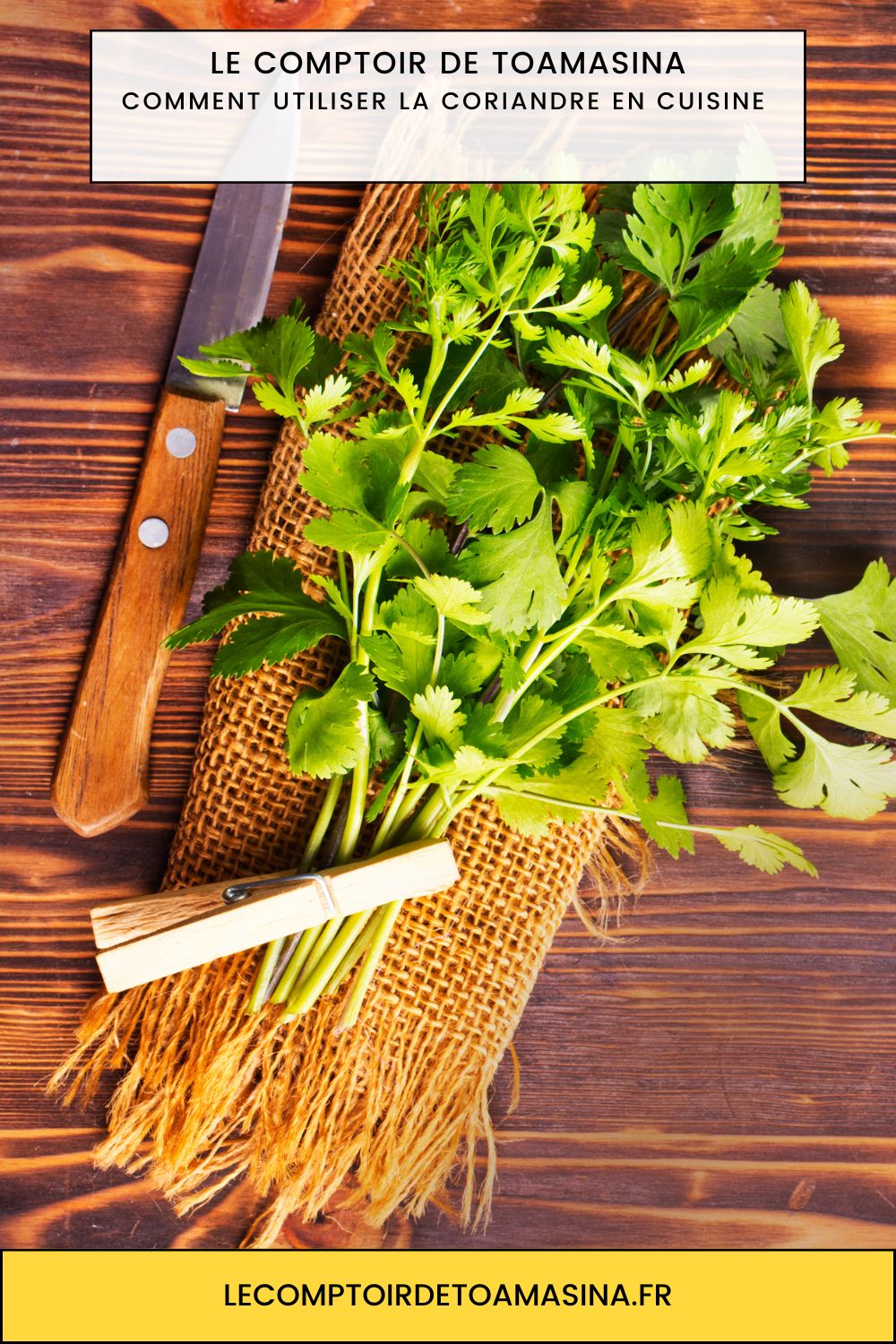
Table of contents
Why does coriander have two faces?
Coriander is perhaps the most polarizing ingredient at the table, and I understand why. It's a plant with a dual identity. On one hand, you have its fresh, vivid green leaves (often called cilantro in North America), with a citrusy and sometimes soapy aroma for certain palates. On the other hand, you have its dried seeds, round and golden, with an entirely different aroma: warm, sweet, slightly orangey, with a hint of hazelnut. Two products, one plant, two culinary worlds.
For a long time, I preferred the seed—probably due to my spice merchant background. Then, throughout my travels, I learned to respect the leaf, the one you toss at the last second over a dish to make it vibrate. In Latin America, where I spend much time between Brazil and its neighbors, fresh coriander is everywhere, generous and joyful. In India and North Africa, the seeds primarily flavor curries and tagines.
In this article, I offer my top five favorite coriander recipes, the ones I make at home constantly. Some highlight the seed, others the leaf, and some use both. The idea is simple: to show you that this spice isn't intimidating at all, provided you understand which of its two faces you are using.

The seed is cooked into the dish, the leaf is placed raw at the end: two gestures, two distinct moments.
How to make a zesty coriander hummus?
Hummus is my favorite introductory recipe to tame the coriander seed. I dry-toast a teaspoon of seeds in a hot pan until they pop and release their warm, orangey fragrance. Then I crush them in a mortar and incorporate them into the chickpea purée along with tahini, lemon juice, garlic, and a drizzle of olive oil.
The toasting step changes everything. A raw seed remains discreet, almost shy, whereas a heat-awakened seed becomes round and enveloping. I always finish this hummus with a few chopped fresh coriander leaves on top, playing with both faces of the plant on a single plate. A pinch of cumin and a twist of Madagascar black pepper complete the harmony.
Which chicken curry highlights coriander best?
In a curry, coriander seed acts as a foundational spice, silent yet indispensable. For a family-style chicken curry, I start by sautéing onions, garlic, and ginger, then I add my ground spices: primarily coriander, along with cumin, turmeric, and a hint of chili. Coriander brings a slightly citrusy sweetness that prevents the dish from becoming too heavy.
I let the chicken simmer in a tomato and coconut milk sauce over low heat while the house fills with aromas. Just before serving, I throw in a large handful of fresh coriander leaves. The contrast between the cooked seed in the sauce and the raw leaf added at the end is striking. This is exactly where coriander shows all its richness.
Arnaud's Take
Coriander seed hates being added too late. It needs heat and cooking time to deliver its best. Conversely, the leaf dies when cooked: it turns black and loses its fragrance. Remember this simple rule and you'll never ruin a coriander dish.
How to prepare an incredibly vibrant salsa verde?
My third recipe is a condiment I make almost every week: a coriander salsa verde, inspired by my trips to Latin America. You blend a large bunch of fresh coriander with garlic, green chili, lime juice, a little oil, and a pinch of salt. In seconds, you get a vibrant green sauce that awakens absolutely everything: grilled meats, fish, eggs, roasted vegetables.
Here, the leaf is the star in its purest freshness. The secret is not to over-blend to keep some texture and prevent the sauce from heating up and oxidizing. I always prepare it at the last moment because it tastes best fresh. A pinch of crushed coriander seeds can be added for depth, but the spirit remains that of the fresh herb.
My 4-Step Salsa Verde
1. Carefully wash and dry a large bunch of coriander, including the stems.
2. Add garlic, green chili, lime juice, oil, and salt.
3. Pulse-blend to retain texture.
4. Taste, adjust acidity, and serve immediately.
Can you bake bread with coriander seeds?
It's rarely thought of, yet the coriander seed is magnificent in baking. I love incorporating lightly crushed seeds into a country bread dough, or sprinkling them on the crust before baking. During baking, they develop warm, orangey notes that perfume the entire crumb. Combined with a little cumin, they evoke Middle Eastern breads.
This recipe is also a great way to discover coriander from an unexpected angle, far from spicy savory dishes. The natural sweetness of the bread enhances the seed's sweet side. I recommend crushing them coarsely rather than grinding them finely to keep small crunchy bursts of flavor. It's a detail, but it makes all the difference on a nice, warm slice.
What fish marinade transforms a simple fillet?
My fifth recipe unites both faces of coriander one last time. For a white fish marinade, I mix toasted, crushed coriander seeds with chopped fresh coriander, garlic, lemon, olive oil, and a pinch of mild chili. I let the fish absorb the flavors for about an hour before pan-frying or baking it.
The seed deeply perfumes the flesh during marination, while the leaf provides the final freshness once the fish is cooked. It's a bright recipe, perfect for summer, showcasing how well coriander adapts to delicate products without ever overpowering them. A sea bream or cod fillet treated this way completely changes dimension.
| Recipe | Coriander Form | When to Add |
|---|---|---|
| Zesty Hummus | Toasted seed + leaf | Seed in purée, leaf as garnish |
| Chicken Curry | Ground seed + leaf | Seed during cooking, leaf at serving |
| Salsa Verde | Fresh leaf | Raw, at the last moment |
| Country Bread | Crushed seed | In the dough and on the crust |
| Fish Marinade | Seed + leaf | Seed in marinade, leaf as garnish |
The gesture that separates the shy seed from the generous seed
If I had to retain only one piece of advice regarding coriander seeds, it would be this: always dry-toast them, even for just ten seconds. The heat awakens the essential oils dormant in the raw seed. The fragrance then shifts from discreet to warm, from flat to round. This simple gesture separates decent cooking from cooking with real depth.
- Dry-toast until the seeds pop and perfume the room.
- Crush in a mortar rather than grinding too fine, to keep textured bursts.
- Add the fresh leaf only at the end, off the heat.
Key Takeaway
Coriander is two spices in one. The seed is cooked, toasted, and settles into the duration of a dish. The leaf is placed raw, lively, at the very end. Understanding this division of roles is the key to succeeding in all coriander recipes, from the simplest to the most ambitious.
Upgrade to Premium Coriander Seeds
Discover my selection of whole, traceable spices, ideal for toasting, crushing, and flavoring your homemade recipes just like in the field.
Explore Spices & SeedsFrequently Asked Questions
Can I replace fresh coriander with parsley?
Flat-leaf parsley can substitute for color and freshness, but the fragrance is entirely different. Coriander has unique citrus notes that parsley lacks. If you dislike the leaf, it's better to rely on the seed, whose aroma is more universally enjoyed.
How do I keep fresh coriander longer?
I place the bunch in a glass of water, like a bouquet, in the refrigerator, with a light bag over it. The stems stay hydrated and the leaves last for days. The stems, often mistakenly discarded, are full of flavor and perfect for blending into a sauce.
Do coriander seeds keep for a long time?
Whole seeds retain their fragrance for several months in an airtight jar away from light. Once ground, they lose their potency quickly. My advice is always the same: buy whole seeds and grind them on demand, just before cooking.