
Your cart
There are no more items in your cart
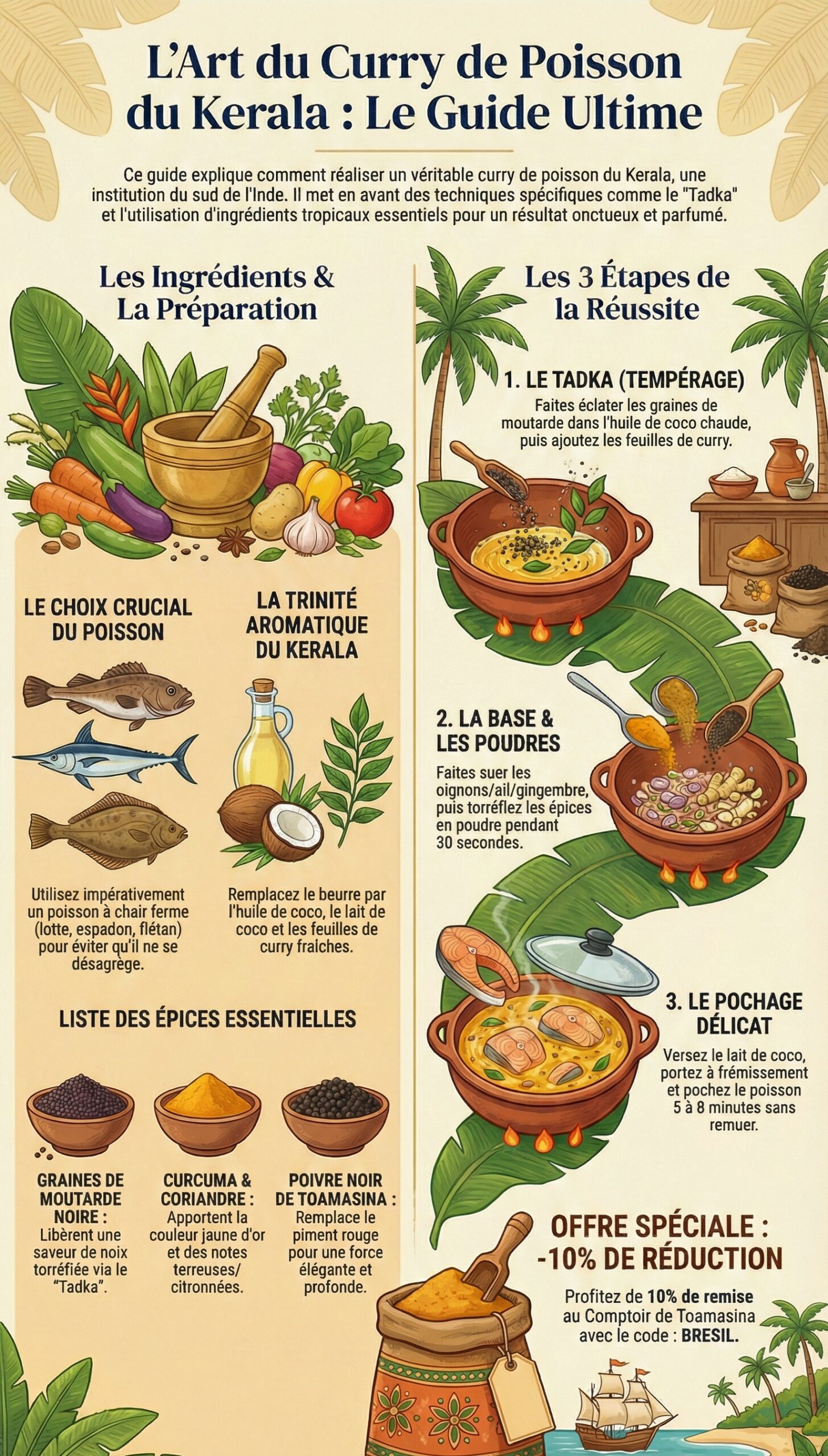
What exactly are curry and garam masala?
I remember a morning in Antananarivo's Zoma market when a customer, slightly lost looking at my spice jars, asked if curry and garam masala weren't just two names for the same thing. It is a very common confusion. Let's clarify right away: they are two entirely distinct blends with different histories, ingredients, and culinary uses.
The term "curry powder" as used in the West is an Indian-inspired blend standardized largely by the British during the colonial era. In India, a fixed "curry powder" rarely exists—every family prepares its own masala per dish. Commercial curry powder is a Western interpretation, recognizable by its deep yellow color and mild, earthy roundness.
Garam masala is a traditional Northern Indian blend meaning "warm spices." Note that "warm" does not mean chili-hot; it refers to Ayurvedic principles describing spices that warm the body and provide deep aromatic complexity. It is typically added at the very end of cooking as an aromatic signature.
What is inside each blend?
When I compose my blends, the difference is visually obvious: curry powder relies heavily on turmeric, giving it that iconic vibrant yellow hue. Traditional garam masala contains little to no turmeric, resulting in a rich, dark brown color.
Curry is built around turmeric, coriander, cumin, fenugreek, and often mild chili for length on the palate. Garam masala relies on highly aromatic, woody spices: cardamom, cinnamon, cloves, black pepper, and toasted cumin and coriander seeds. This cardamom-cinnamon dominance gives it an enveloping, almost sweet fragrance.
| Feature | Curry Powder | Garam Masala |
|---|---|---|
| Origin | Western interpretation of Indian spices | Traditional Northern Indian blend |
| Turmeric | Central ingredient | Absent or minimal |
| Color | Yellow to orange | Deep brown |
| Key Spices | Turmeric, coriander, cumin, fenugreek | Cardamom, cinnamon, cloves, pepper |
| Profile | Mild, round, earthy | Warm, woody, highly fragrant |
| When to Add | Early, during cooking/sautéing | Late, at the end of cooking |
Arnaud's Take
The simplest rule: if the blend is yellow, it’s a curry. If it is brown and smells immediately of cardamom and cinnamon, it’s a garam masala. Trust your nose before you even taste it.
Why do they taste so different?
The flavor difference comes from both the ingredients and how they are processed. In a premium garam masala, the seeds are dry-toasted before grinding, releasing caramelized, nutty aromas that provide immense depth.
Curry powder is marked by the earthy note of turmeric and the slightly sweet, characteristic restaurant-curry aroma of fenugreek. It is smoother and mellower, whereas garam masala delivers sharp, bright bursts of warm aromatics.
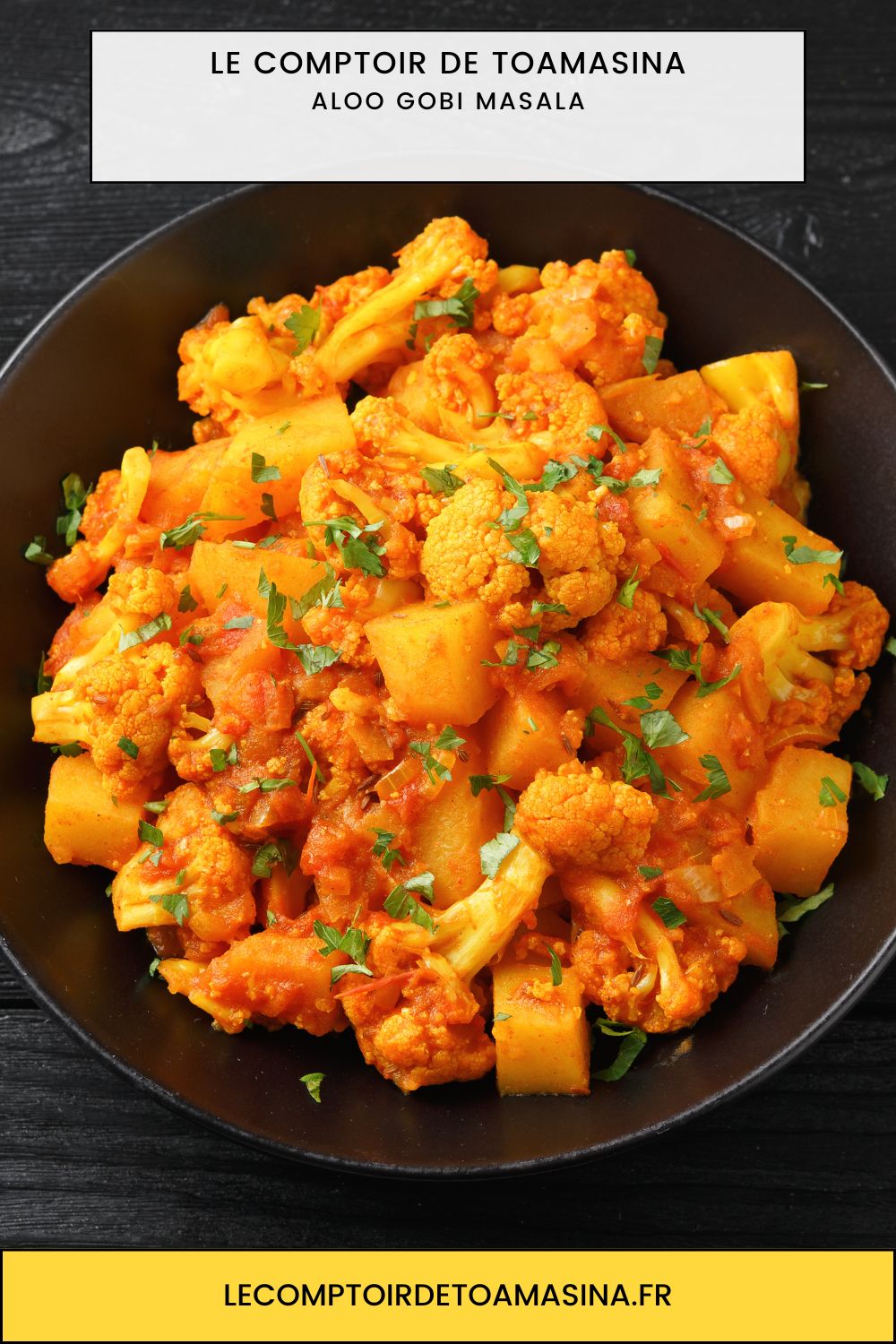
In a dry vegetable curry, curry powder builds the foundational flavor early in the pan.
When should you use one over the other?
The golden rule is a matter of timing. Curry is used early: I sauté it in fat (oil or ghee) with onions and garlic at the very beginning of a recipe to "awaken" the turmeric and cumin, allowing them to infuse the entire dish.
Garam masala is a finishing spice. Its volatile aromas (cinnamon, cardamom) are destroyed by long simmering. Sprinkle it in the last two minutes of cooking, or directly over a plated dish like lentil dal or warm basmati rice, to preserve its full aromatic power.
The Curry Reflex
Vegetable stir-fries, coconut milk stews, creamy chicken dishes. Add early into hot fat to build the dish's base.
The Garam Masala Reflex
Lentil dals, rice dishes, meat marinades, finishing touch. Add late to keep its vibrant fragrance intact.
Can you substitute curry for garam masala?
You can, but you must understand how it alters the dish. If you use garam masala instead of curry powder, the dish will be browner, more fragrant, and lack the earthy roundness of turmeric. To mimic curry, add a pinch of turmeric to your garam masala.
Replacing garam masala with curry at the end of cooking will yield a surprisingly bitter taste, as raw turmeric requires cooking time to mellow. Ultimately, they are complementary—many great Indian recipes use curry powder at the start and a pinch of garam masala at the end.
Key Takeaway
Curry builds the foundation of the dish from the beginning thanks to turmeric; garam masala elevates it at the end thanks to cardamom and cinnamon. Two distinct roles for a richer culinary experience.
How to select a high-quality blend?
A blend is only as good as its ingredients. At Le Comptoir de Toamasina, we source directly from farmers. A vibrant blend relies on fresh cardamom, fully ripe pepper, and aromatic cumin.
- Trust your nose: a fresh blend perfumes the air instantly; an old one smells like cardboard.
- Check the color: bright yellow for curry, deep rich brown for garam masala.
- Buy in small quantities to ensure freshness, as pre-ground powders lose their volatile oils.
Master Global Flavors
Discover our expertly sourced spices and blends for curries and masalas that truly deliver authentic taste.
Explore the Spice ShopMy Shop Ritual
When introducing these blends to customers, I always have them smell both jars side by side. The curry leads with turmeric and fenugreek; the garam masala opens with cardamom and cinnamon. In seconds, everyone understands they are completely different products. Let your nose guide your cooking.
Frequently Asked Questions
Is garam masala hotter (spicier) than curry?
It is stronger in aroma, yes, but not necessarily chili-hot. The heat in garam masala is warming, not burning. Curry powder often feels smoother and rounder on the palate.
Can I add turmeric to my garam masala?
Traditional garam masala does not contain it. You can add a pinch to mimic a curry profile, but you will create a hybrid blend rather than an authentic masala.
Which one should a beginner buy first?
I recommend starting with a high-quality curry powder, as it is highly versatile for daily cooking. Once comfortable, add garam masala to your pantry as a premium finishing touch.