
Your cart
There are no more items in your cart
Where does the word 'curry' come from?
I always love explaining a fundamental truth to my customers: the word "curry" as we use it daily does not have an exact equivalent in the cuisines that inspired it. The term is widely believed to derive from the Tamil word "kari," which in southern India simply means a sauce or a gravy-based dish eaten with rice. Originally, it was never the name of a specific spice or a fixed blend, but rather a style of preparation.
It was the Europeans, specifically the British during the colonial era, who adopted the word "curry" to label a vast array of spicy Indian dishes, and later, the famous yellow powder meant to replicate them. By compressing an immense and diverse culinary reality into a single word, they created a convenient but somewhat misleading shortcut. Understanding this is the first step into the true history of curry.
Did curry exist before the Europeans arrived?
India's spiced cuisine is ancient. Archaeological excavations in the Indus Valley have unearthed traces of turmeric, ginger, and other aromatics used thousands of years ago. Long before any European ship docked on these shores, Indian cooks were already composing rich sauces combining spices, herbs, and legumes, tailored to the regional harvest and local community traditions.
What fascinates me is that the very essence of a curry—the patient marrying of roasted and ground spices—is a skill passed down through generations. Every family had, and still has, its own masala (blend), its own unique balance. There was never "one curry," but a thousand distinct kitchens that foreigners grouped under a single label.
Arnaud's Take
When asked for the "authentic" curry recipe, I always answer that it doesn't exist—and thankfully so. Curry is a family of dishes, not a strict formula. It is this diversity that we celebrate at the spice shop.
How did curry conquer the world?
The major turning point came during the colonial period. From the 17th century onward, European trading companies settled in India and discovered these fragrant cuisines. British officers grew so fond of them that they wanted to recreate the flavors back home. Thus, "curry powder" was born: a standardized blend designed to offer a simplified Western imitation of Indian flavors.
This powder—dominated by turmeric for color and coriander for balance—was a massive commercial success. It crossed the British Empire and spread along global trade routes. Curry powder became a pantry staple, exported, imitated, and adapted worldwide. Paradoxically, an approximate imitation of Indian cuisine became its greatest global ambassador.
It is important to remember that this global expansion rode the waves of ancient spice routes. Pepper, cinnamon, and cloves had been circulating between Asia, the Middle East, and Europe for centuries. Curry powder utilized this established network to spread rapidly, making exotic flavors accessible to home cooks everywhere.
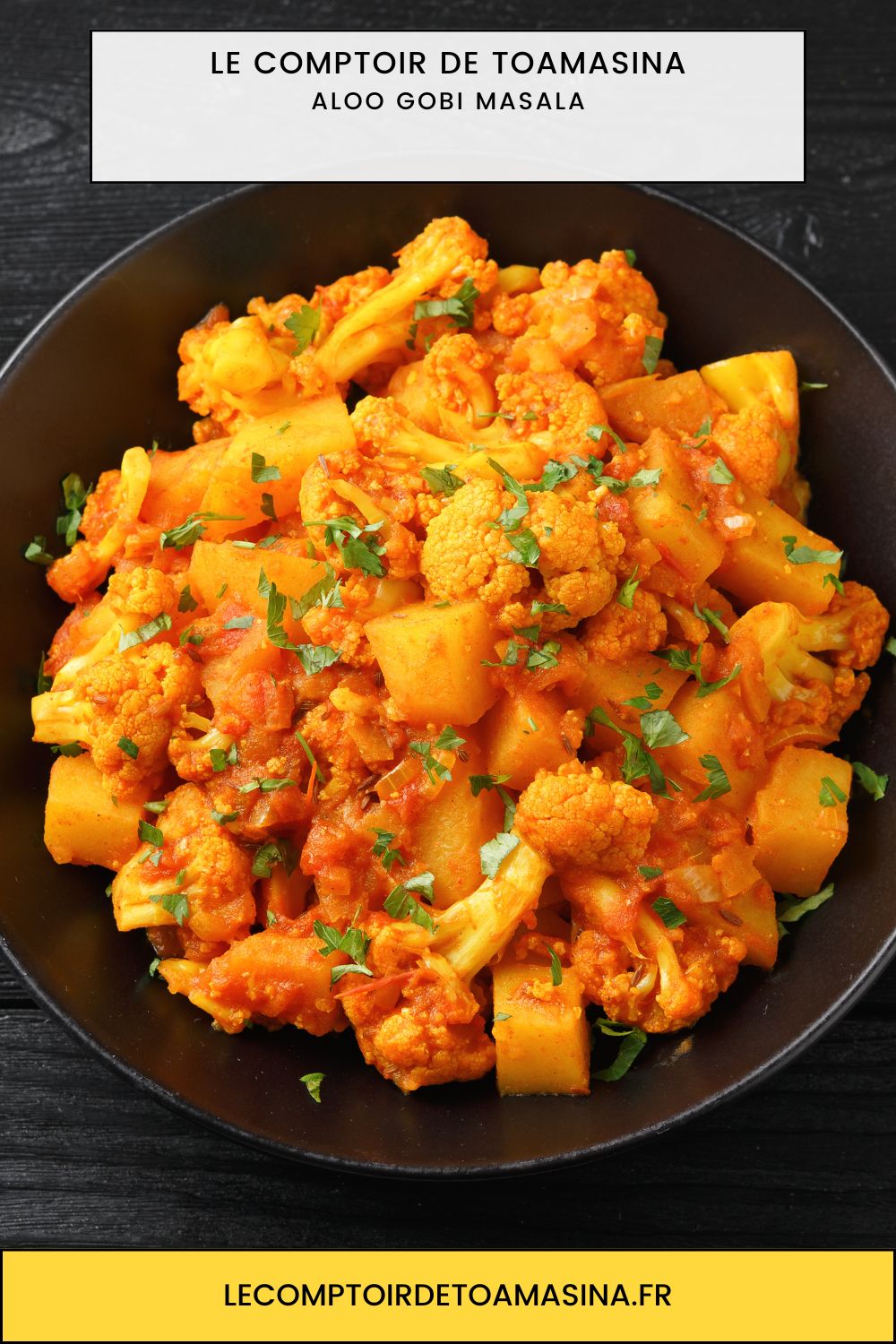
A simple vegetable dry curry: the culmination of centuries of trade and cultural fusion.
How did curry transform as it traveled?
This is perhaps my favorite chapter, as it proves how alive culinary traditions are. Upon leaving India, curry adapted to every new host country, embracing local ingredients and palates. In Japan, it became a mild, thick, and sweet comfort food served over rice. In Thailand, it merged with coconut milk, lemongrass, and fresh chili pastes to create vibrant green and red curries.
In the West Indies and the Indian Ocean, it met local turmeric, kaffir lime, and habaneros. In Great Britain, it birthed entirely new dishes designed for the Western palate, like Chicken Tikka Masala. At every stop, curry kept its spirit while changing its face. This adaptability makes it one of history's greatest culinary adventures.
| Region | Local Curry Signature | Typical Ingredients |
|---|---|---|
| Southern India | Sauce over rice, the historical root | Turmeric, curry leaves, tamarind, coconut |
| United Kingdom | Standardized powder & fusion dishes | Turmeric, coriander, cumin, fenugreek |
| Thailand | Fresh paste curries with coconut milk | Lemongrass, galangal, fresh chili, coriander |
| Japan | Thick, sweet comfort curry | Curry powder, apple, flour roux |
| Indian Ocean | Fragrant Creole "Cari" | Turmeric, kaffir lime, cloves, ginger |
What about curry in the Indian Ocean?
This is a region I know intimately, spending much of my time in Madagascar with farmers. Here, the word "cari" is used to describe slow-cooked stews flavored with turmeric, ginger, and spices, utilizing the abundant land and sea produce. Malagasy and Reunion Island caris reflect the region's diverse heritage: Indian, African, and European influences simmering in the same pot.
It always moves me to see the same techniques used in India replicated in Indian Ocean markets: spices being roasted, pounded, and measured by eye. Curry here isn't a static import; it's a living tradition reinvented daily in family kitchens.
Key Takeaway
Curry wasn't born from a single recipe but from a long journey: a Tamil word, a colonial powder, and a thousand global adaptations. Its story is the story of the spice route itself.
What does curry represent today?
Today, curry is undoubtedly one of the planet's most popular dishes, served in Tokyo cafeterias and Michelin-starred London restaurants alike. But beyond this universality, it remains an incredible ambassador for spice culture. Rediscovering the history of curry means returning to the taste of high-quality, carefully sourced spices rather than stale industrial powders.
By choosing traceable, respectfully harvested spices, we do more than eat better: we sustain a human chain that is centuries old.
Take Your Kitchen on a Journey
Explore our single-origin spices and authentic blends to recreate the true history of curry at home.
Explore the Spice ShopWhat the Spice Route Taught Me
Wandering through spice markets from Toamasina to the Orient, I realized that curry belongs to no one, yet it belongs to everyone. It is the culinary proof of human exchange, curiosity, and cultural blending throughout history.
This is the spirit we promote: we don't just sell a powder; we share a flavor adventure, with absolute respect for the farmers who keep this legacy alive.
Frequently Asked Questions
Is curry truly Indian?
Its roots are firmly Indian, but the commercial "curry powder" we know in the West is a product of British colonial trade. It was born in India but grew up traveling the world.
Why is curry yellow?
The color comes from turmeric, the foundational ingredient of most commercial curry powders. This root gives the blend its highly recognizable golden hue.
Is there a difference between "Curry" and "Cari"?
They share the same linguistic root. "Cari" is primarily used in Indian Ocean countries (like Madagascar and Reunion) to describe spiced stews, while "Curry" became the globally recognized term.