
Your cart
There are no more items in your cart
The Indicator of Exceptional Peppercorns
500 g to 600 g/LAstra Quality Density
10 kgfresh berries for 1 kg of Voatsiperifery
200+Volatile aromatic compounds
100 %Selected whole peppercorns
- No. 1 Tanzania Black: Sharp heat (9.5/10) paired with vivid citrus freshness and unmatched length on the palate. The best-kept secret of top chefs.
- No. 2 Madagascar Duo: The union between classic Black Pepper regularity (6.5/10) and the rare fruitiness of Wild Voatsiperifery Pepper (warm & incisive, 6.8/10).
- No. 3 Ceylon White: Perfect balance of musky, mild, and animal notes with unbeatable value for money.
- No. 4 Kampot Red PGI: Cambodian gastronomic excellence with mild heat (6/10), high complexity, but high manual harvesting costs.
- No. 5 Cubeb: A delightful mild aromatic surprise (4.5/10) featuring ultra-fresh eucalyptus and mint notes.
Why this ranking, and why you can trust my evaluation
This article ranked number one on Google for four consecutive years. Not by luck: year after year, I went directly to the source in the plantations — in Kampot, Penja, Tanzania, and the rainforests of southeastern Madagascar where wild pepper grows — rather than copying text from a desk.
My "Astra Quality" evaluation method.
This Top 5 is built on three pillars: aromatic terroir uniqueness, intrinsic grain quality, and real value for money. My evaluation relies systematically on "Astra Quality," the top international standard guaranteeing a density strictly between 500 grams and 600 grams per liter, eliminating hollow and stale grains.
The Podium of the Best Peppers in the World
Here is the overview of my comparative ranking, illustrating the complementarity of these grand terroirs:
Nº 1
Tanzania
Black Pepper · Crisp citrus & High heat (9.5/10)
Nº 2
Madagascar
Black (6.5/10) & Wild Voatsiperifery (Warm & Incisive, 6.8/10)
Nº 3
Ceylon
White Pepper · Mild & Animal (Musky notes, 6.2/10)
Nº 4
Kampot PGI
Red Pepper · Mild heat (6/10) & Gourmet depth
Nº 5
Cubeb
Tailed Pepper · Mild & Ultra fresh (Mentholated, 4.5/10)
Figure 1 — Organoleptic analysis by Arnaud Sion: Tanzania Black Pepper combines high heat (9.5/10) with explosive citrus aroma (9.5/10), whereas world-class peppers like Voatsiperifery, Kampot Red, or Cubeb feature mild to moderate heat (4.5 to 6.8/10).
What is a "True" Pepper?
Before seeking the world's best pepper, we must set a strict botanical boundary. The word "pepper" strictly belongs to the fruits of the tropical vine Piper nigrum. This species alone produces the four core colors depending on harvest maturity and processing method:
| Pepper Color | Harvest Stage | Processing Method | Main Aromatic Profile |
|---|---|---|---|
| Green Pepper | Very young fresh berry | Eaten fresh, brined, or freeze-dried | Vegetal, fresh-cut grass, crunchy, low heat |
| Black Pepper | Berry picked right before full maturity | Traditional sun-drying (fermentation) | Warm, frank heat, woody and citrus notes |
| Red Pepper | Berry picked at full maturity (bright red) | Metalous sun-drying without steeping | Fleshy, notes of ripe fruits, honey, and gingerbread |
| White Pepper | Fully ripe red berry | Soaking (retting) then removing pericarp | Elegant, musky notes, direct linear heat |
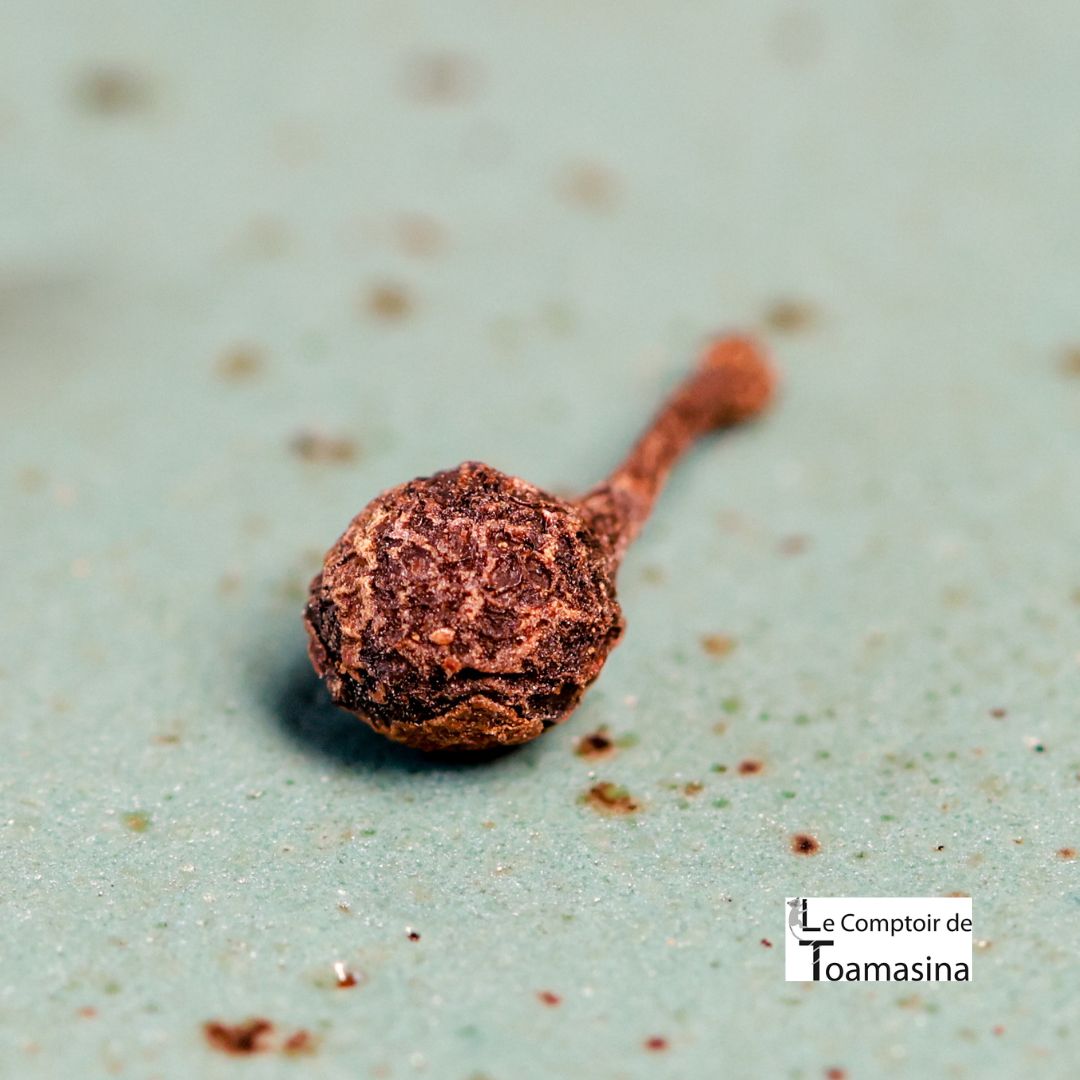
Madagascar Wild Voatsiperifery Pepper: instantly recognizable by its characteristic small tail and high-canopy citrus fragrance.
Detailed Analysis of My World Top 5
No. 1 — Tanzania Black Pepper: Crisp, Vibrant & Structured
The champion of my cupping sessions. Grown on rich volcanic soils in East Africa, this black pepper combines a crisp and frank heat of 9.5 out of 10 with lively citrus notes (grapefruit zest). Its length on the palate is outstanding: it never fades during cooking and instantly lifts a fine piece of meat.
No. 2 (Tied) — The Madagascar Duo: Classic & Wild Expression
Madagascar holds a special place in my journey. This duo combines two complementary expressions:
Madagascar Black Pepper: A benchmark pepper displaying great consistency. Its heat sits at an ideal 6.5 out of 10: warm, unaggressive, with cocoa, resin, and woody undertones.
Wild Voatsiperifery Pepper: The treasure of Malagasy rainforests. Harvested over 20 meters high from wild vines (10 kg of fresh berries yields 1 kg dry), its profile is warm, woody, and incisive. Its heat remains controlled (6.8 out of 10), letting high-canopy citrus and precious wood notes explode.
No. 3 — Ceylon White Pepper: Mild & Animal Elegance
Obtained through natural clear-water retting in Sri Lanka, this white pepper stands out with a **mild and animal** character. Far from the sterile harshness of industrial white peppers, it reveals delicate, musky, and lightly lemony nuances paired with a mild heat (6.2 out of 10). A flawless match for noble fish and poultry.
No. 4 — Kampot Red Pepper PGI: Sweetness & Mild Heat
Harvested grain by grain at full maturity when berries turn deep red, Kampot Red Pepper PGI is a marvel of subtlety. Its heat is **mild (6 out of 10)**, giving center stage to a bouquet of ripe fruit, honey, and gingerbread notes. It misses the top spot solely due to its high artisanal harvesting cost.
No. 5 — Cubeb Pepper: Surprisingly Mild & Ultra-Fresh
Also known as "tailed pepper" (Piper cubeba), Cubeb is the most surprising entry in this ranking. With very low heat (4.5 out of 10), it is **extremely mild and ultra-fresh**, unleashing intense eucalyptus, mint, and clove aromas upon crushing. It elevates carpaccios, summer salads, and pairs beautifully with dark chocolate.
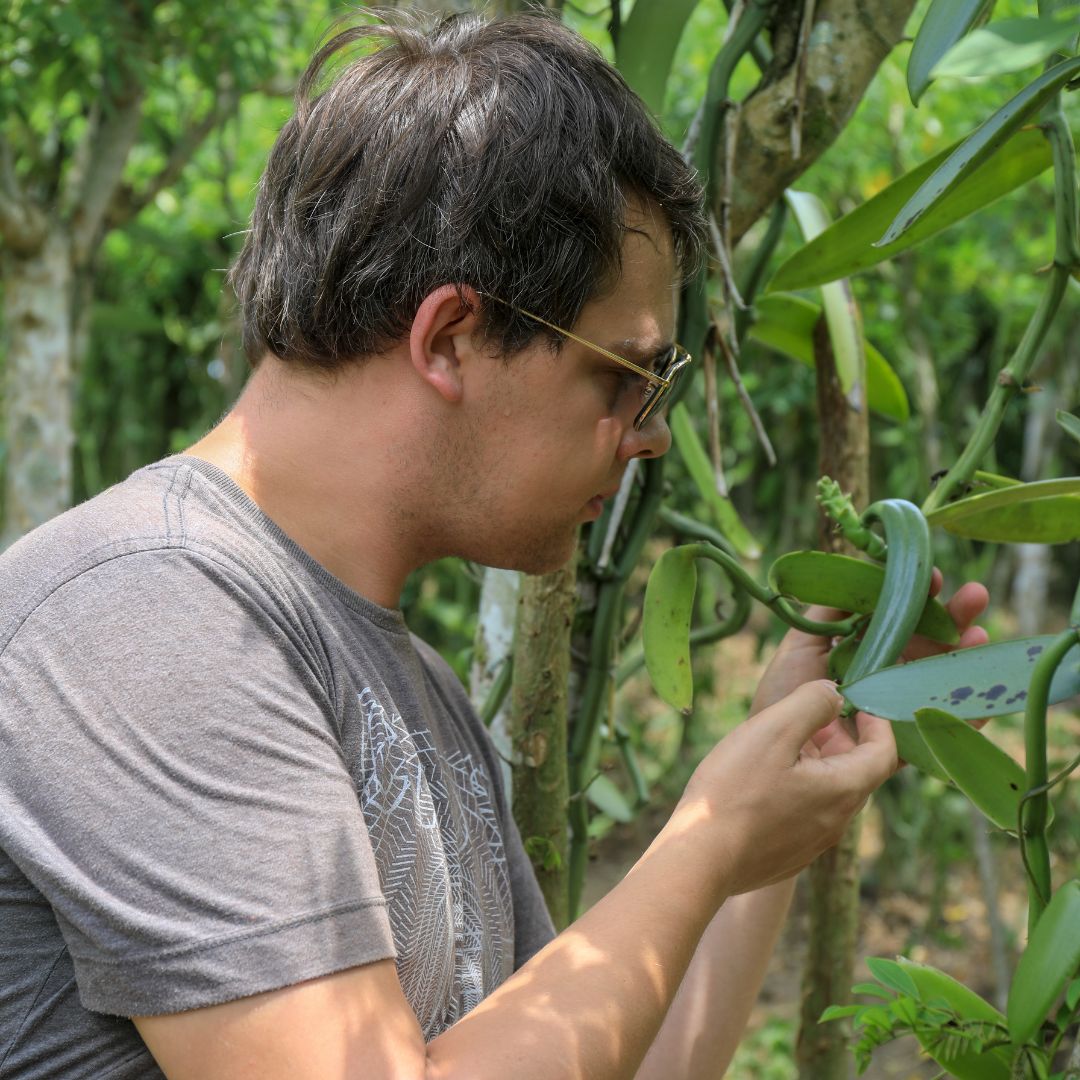
Arnaud Sion inspecting harvest quality: checking berry density (500 g to 600 g per liter) in hand is the sole guarantee of Astra quality selection.
True Peppers vs "False Peppers": Clear the Confusion
The word "pepper" is often misused in the spice industry. Many fragrant berries are called peppers despite having no botanical connection to the Piperaceae family:
| Common Name | Actual Botanical Family | Origin & Flavor Profile |
|---|---|---|
| Sichuan Pepper | Rutaceae (Citrus family) | China. Numbing/tingling tongue effect, lemongrass notes. |
| Pink Peppercorns | Anacardiaceae (Pistachio family) | Madagascar/Brazil. Mild, sweet, resinous, zero heat. |
| Grains of Paradise | Zingiberaceae (Ginger family) | West Africa. Also known as "Guinea Pepper", peppery cardamom notes. |
| Selim Pepper / Kani | Annonaceae | Dried African pods, smoky, minty, and nutmeg nuances. |
Which Pepper for Which Dish? The Perfect Pairing Guide
Using a rare red pepper during a long stewing process would be a culinary waste: heat would destroy its delicate volatile aromatic molecules. Here are my golden rules for perfect culinary pairings:
| Pepper Family | Recommended Terroirs | Ideal Food Pairings |
|---|---|---|
| Powerful Black Peppers | Tanzania, Madagascar, Penja | Red meat, BBQ grills, pepper sauces, stews, wild game. |
| Refined White Peppers | Ceylon, White Kampot | Noble fish, shellfish, poultry, white cream sauces (bechamel). |
| Red & Wild Peppers | Red Kampot, Voatsiperifery Mada | Finishing touch: foie gras, carpaccio, strawberries, dark chocolate desserts. |
| Rare Aromatic Peppers | Cubeb, Long Pepper | Summer salads, roasted oven vegetables, ganaches, and pastry creations. |
Storage Tip by Arnaud Sion
"Always buy your pepper as whole peppercorns. Essential oils containing the pepper's perfume oxidize within weeks once ground. Grinding peppercorns at the last second with a ceramic or steel burr grinder is the only way to release true freshness."
Discover Our Exceptional Pepper Selection
Explore our grand cru whole peppercorns selected in Astra Quality (density of 500 g to 600 g per liter): from Tanzania Black Pepper to prestigious Madagascar Wild Voatsiperifery Pepper.
Frequently Asked Questions (FAQ)
What is the best pepper in the world according to Le Comptoir de Toamasina?
In my expert ranking, Tanzania Black Pepper takes top spot for its explosive citrus freshness and frank heat (9.5/10), followed closely by the Madagascar duo (Black Pepper and Wild Voatsiperifery Pepper).
Why isn't Kampot pepper No. 1 in your ranking?
Kampot Red Pepper PGI is an extraordinary product of immense complexity with mild heat (6/10). It ranks fourth purely due to its high grain-by-grain harvesting cost, which affects its overall value-for-money score.
What is "Astra Quality" for whole peppercorns?
Astra standard is the highest quality benchmark in the spice market. It guarantees cleaned, hand-sorted peppercorns free of impurities, with a controlled density of 500 grams to 600 grams per liter, ensuring full grains rich in essential oils.
What is the difference between black, white, green, and red pepper?
They all come from the same vine (Piper nigrum). Green is picked very young. Black is picked before maturity and sun-dried. Red is picked at full maturity. White is a fully ripe red berry whose outer skin (pericarp) has been removed through soaking.
Why should I avoid pre-ground pepper?
Once a peppercorn is ground, volatile essential oils evaporate and oxidize upon contact with air. Within 30 days, ground pepper loses up to 80% of its aromatic properties, retaining only sterile, harsh heat.