
Your cart
There are no more items in your cart
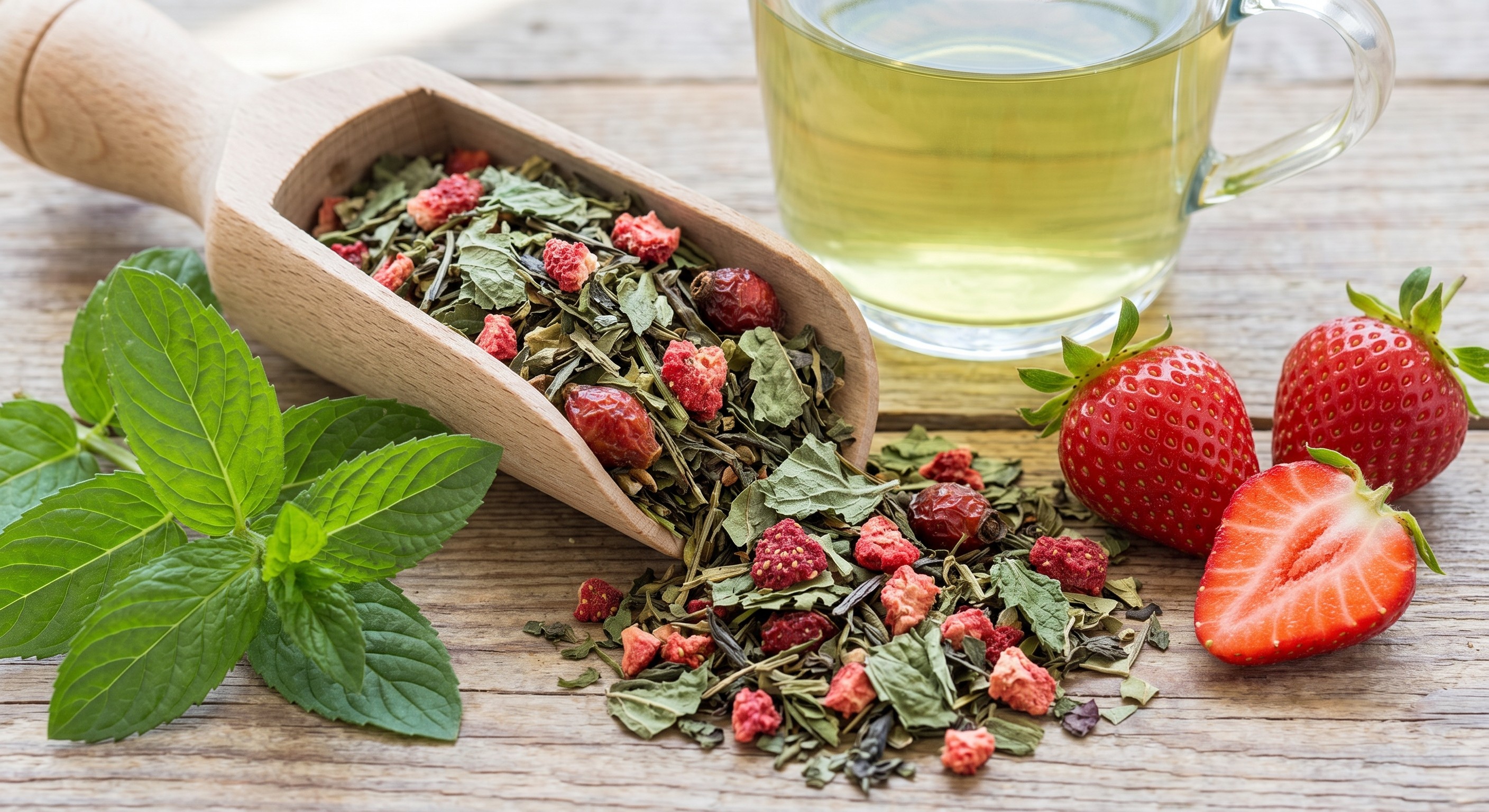
Key Takeaways
- Bitterness almost always comes from temperature: steeping too hot or for too long releases the tannins responsible for a harsh taste.
- The cold brew method avoids this issue, resulting in a naturally smoother, fruitier tea without needing added sugar.
- Green tea or white tea are the easiest to make iced, as they react poorly to high heat which turns them bitter.
- Store your homemade iced tea for up to 24 hours in the refrigerator to preserve full freshness.
Why homemade iced tea often fails
The most common approach is brewing tea hot as usual and letting it cool down before adding ice cubes. The problem is that hot water heats the leaves in a way that extracts bitter tannins—compounds that release primarily at high temperatures. The result is an iced tea that is harsher than necessary, which people often try to mask by dumping in sugar.
Cold brew: the real solution
Cold brewing involves steeping loose tea leaves directly in cold water inside the refrigerator for several hours. Without heat, bitter tannins release much more slowly, resulting in a drink that is naturally sweeter, aromatic, and deeply refreshing.
Base Recipe — Cold Brew Tea
- Ratio
- 2 to 3 g of loose tea per 250 ml of cold water (filtered preferred)
- Steep Time
- 4 to 8 hours in the refrigerator depending on the chosen tea
- Best Teas
- Green tea, white tea, or light black tea for those who prefer more body
- Serving
- Strain, serve over ice, optionally add fresh fruit slices or mint
3 variations for summer
| Recipe | What to Add | Ideal For |
|---|---|---|
| Iced Citrus Green Tea | Lemon or orange slices added during cold steeping | Hot summer days, ultimate thirst-quencher |
| Fresh Mint Iced Tea | A few fresh mint leaves added right when serving | Summer brunch, non-alcoholic mocktail |
| Red Berry Iced White Tea | Lightly muddled strawberries or raspberries at the bottom of the glass | Light dessert or summer afternoon treat |
Why white and green teas work best.
These are lightly oxidized teas that do not handle intense heat well even when brewed hot. They are naturally suited for cold brewing, a gentler process that respects their delicate aromatic profile.
These are lightly oxidized teas that do not handle intense heat well even when brewed hot. They are naturally suited for cold brewing, a gentler process that respects their delicate aromatic profile.
Mistake to avoid.
Do not leave your iced tea steeping in cold water for more than 24 hours. Past this point, flavor quality degrades and the tea may begin to ferment slightly, especially in warm room temperatures.
Do not leave your iced tea steeping in cold water for more than 24 hours. Past this point, flavor quality degrades and the tea may begin to ferment slightly, especially in warm room temperatures.
My personal tip
I always prepare my cold brew iced tea the night before in a sealed pitcher in the fridge: by morning, it is ready and perfectly steeped without having to watch a timer.
Explore our tea selection
Teas carefully selected for their freshness, perfect for both hot steeping and homemade cold brew.
FAQ — Homemade Iced Tea
Why is my homemade iced tea bitter?
Bitterness is usually caused by steeping in water that is too hot or leaving the tea in for too long. Cold brewing avoids this problem entirely.
How long should I cold brew tea?
Between 4 and 8 hours in the refrigerator depending on the tea variety, without exceeding 24 hours to maintain peak freshness.
Do I need to add sugar to cold brew iced tea?
Not necessarily: cold brewing produces a naturally smoother, rounder flavor that is often sweet enough without added sugar.
Which tea is best for beginners making iced tea?
Green tea and white tea are the easiest to succeed with, as they respond exceptionally well to cold water steeping.