
Your cart
There are no more items in your cart
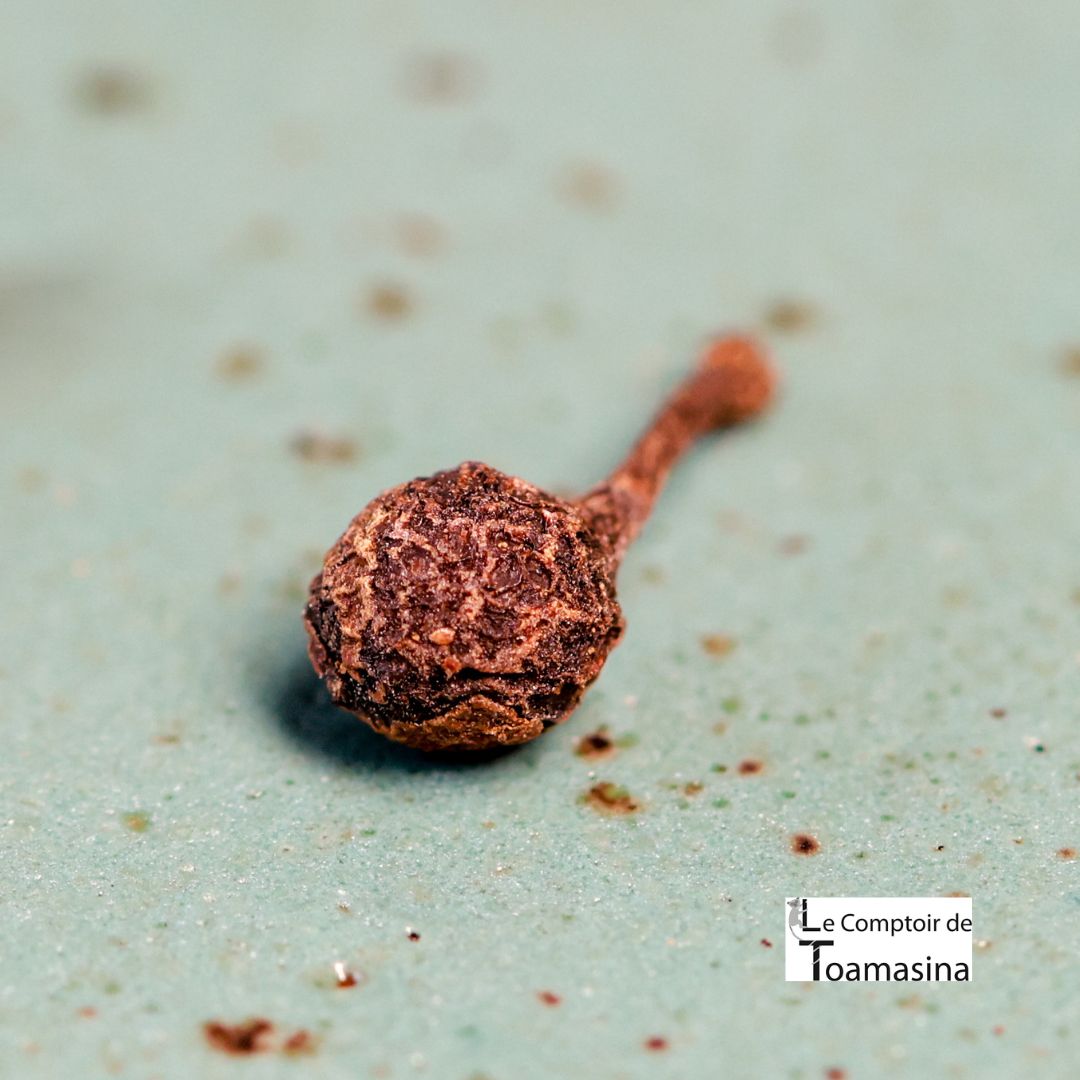
The essentials of pepper cultivation
Piper nigrumA climbing tropical vine
Several yearsbefore the first real harvest
4 colorsfrom one and the same plant
HarvestingBy hand, cluster by cluster
- A vine, not a bush: the pepper plant climbs along a support, often a living tree that provides it with support and shade.
- A demanding climate: heat, humidity, and regular rains, without frost or stagnant water.
- A long process: from the cutting to full production, it takes several seasons of patient care.
- The terroir marks the grain: soil, altitude, and know-how give the pepper its personality.
The first time I saw a pepper plant in full production, I was surprised. I expected a bush, but I found a vigorous vine climbing several meters up a support, covered in long clusters of green berries. The planter snapped off a cluster where a few grains were turning red and told me: "Here, it's time." Let me take you to the plantations and tell you about pepper cultivation as I learned it in the field.
What exactly is a pepper plant?
The pepper plant, botanically named Piper nigrum, is a perennial tropical vine native to the Malabar coast in India. It is neither a tree nor a shrub, but a climbing plant that needs support to grow. In nature, it clings to the trunks of large trees. In a plantation, it is given a support, often a living tree that provides both backing and comforting shade.
The vine produces long hanging clusters, called spikes, on which dozens of small berries form. These are the ones that, once harvested and processed, become peppercorns. One thing always strikes me: the plant is robust and generous, but it requires time. It takes several years for a young plant to come into full production, and a well-maintained vine can then produce for decades.
A plant of patience.
Between the cutting and the first great harvest, several seasons of care go by. When you grind a terroir pepper, you pay homage to this long time and to the hand that cultivated it.
The pepper plant is a climbing vine. In Madagascar, harvesting remains a manual and patient gesture.
What climate does the pepper plant need?
The pepper plant is a humid tropical climate plant. It likes constant heat, high humidity, and regular rains brought by monsoons or wet seasons. It dreads frost, prolonged drought, and strong winds. That is why it is cultivated in a relatively narrow band around the equator.
In Madagascar, the east coast offers exactly what the vine needs: heat, abundant rains, and rich volcanic soils. When I travel through these plantations, I understand why the Big Island has become a land of excellence for pepper. The microclimate, the altitude, and the nature of the soil combine to produce grains of beautiful aromatic complexity.
How do you plant a pepper vine?
Cultivation begins with a cutting. A fragment of the vine is taken from a vigorous and healthy plant, and then set to root. This method helps preserve the qualities of the mother plant. Once the young plant has rooted, it is placed at the base of a support, in well-drained soil enriched with organic matter. Drainage is essential: the pepper plant loves humidity but hates having its roots waterlogged.
In the first few years, the plant devotes its energy to climbing and establishing itself. Patience is required, as it is only after several seasons that the first real clusters appear. I have immense respect for this long timeframe, which runs so counter to our fast-paced era.
How does the harvest take place?
The harvest is the decisive moment. On the same cluster, the berries do not all ripen at the same time. The planter chooses the right moment depending on the type of pepper they want to produce. For black pepper, the clusters are picked when a few berries are just starting to turn red. Harvesting is mostly done by hand, cluster by cluster, which requires a tremendous amount of time and delicacy.
Then comes the processing, which is just as crucial. The berries are sorted, sometimes briefly scalded, and then laid out to dry in the sun. It is during this drying process that the magic happens: the grain wrinkles, turns black, and develops its aromas. A well-managed drying process makes all the difference between a flat pepper and a profound pepper.
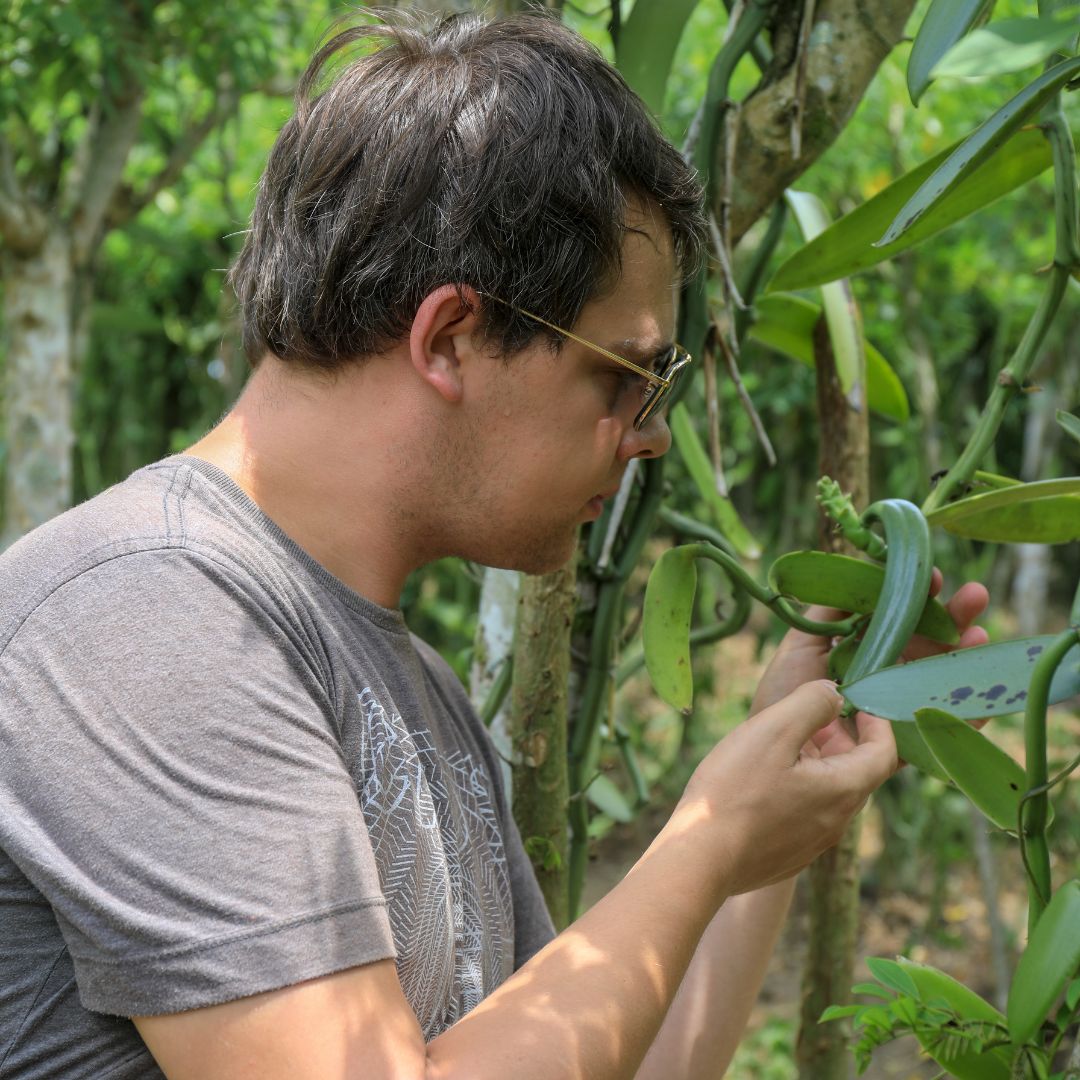
In the field in Madagascar: to understand where a grain comes from is to understand how it was cultivated and dried.
How does the same grain become black, white, green, or red?
This is one of the points I love to explain the most, because it always amazes people. Black pepper, white pepper, green pepper, and red pepper all come from the same vine. What distinguishes them is the stage of maturity at harvest and the treatment applied afterward. Understanding this transforms how you look at your grinder: you are not crushing four different plants, but four expressions of the same vine.
| Pepper | Harvest stage | Treatment |
|---|---|---|
| Green | Young, immature berry | Preserved fresh or dried without turning black |
| Black | Early maturity | Sun-dried with the outer shell |
| Red | Full maturity, red berry | Picked fully ripe and carefully dried |
| White | Ripe grain | Outer shell removed, core of the grain preserved |
Arnaud Sion's opinion
"We often forget that a peppercorn represents years of work. Selecting a good pepper isn't ticking a box in a catalog: it's understanding where it comes from, how it was grown and dried, and respecting the plant as well as the men who cultivate it."
Why does the terroir change everything?
Just like wine or coffee, the terroir leaves its mark on the pepper. The soil, the altitude, the climate, the rains, the cultivated variety, and local know-how give each pepper a unique signature. A black pepper from Madagascar, with its roundness and complexity, is nothing like a standardized, mass-produced pepper.
That is why I spend so much time in the field. That is the whole meaning of my job at Le Comptoir de Toamasina: to offer you grains that tell their origin, grown with respect for the plant and the planters.
What maintenance does a plantation require?
A pepper plantation requires constant attention. The vine must be pruned to keep it at a height that allows for harvesting, guided to grow on the support, soil moisture must be monitored, and it must be regularly enriched. The base is often mulched to keep it cool and limit competing weeds. The vine is sensitive to excess water and certain diseases, which forces planters to be constantly vigilant.
What I admire most is the accumulated knowledge of these cultivators. They read the plant, know when it is thirsty, when it suffers, when it is ready. No manual can replace this knowledge passed down from generation to generation. When I select a pepper, I know that it carries within it this invisible but very real know-how, that of patient hands that have accompanied the vine for years.
Key Takeaways
- The pepper plant is a tropical vine that requires years of patience and constant care.
- The same plant yields black, white, green, or red pepper depending on maturity and processing.
- The terroir makes all the difference between an ordinary grain and an exceptional pepper.
Taste the fruit of this patience
Discover our whole peppercorns, carefully cultivated and selected directly from the planters: our whole peppercorns.
Frequently Asked Questions (FAQ)
How long does it take for a pepper plant to produce?
It generally takes several years after planting for a vine to come into full production. In return, a well-maintained plant can produce for many decades.
Can you grow a pepper plant in Europe (France)?
In the open ground, no: the pepper plant needs a hot and humid tropical climate and cannot withstand frost. In a pot, in a heated greenhouse, or in a very bright veranda, you can try the adventure as an ornamental plant, but true production remains very difficult in our latitudes.
Why is pepper often hand-picked?
Because the berries on the same cluster do not ripen simultaneously. Manual harvesting, cluster by cluster, makes it possible to harvest at the right stage of maturity and achieve consistent quality.