
Your cart
There are no more items in your cart

I am often asked this simple question at the shop counter: what actually is a spice? Behind the straightforward answer lies a fascinating world of botany, history, and geography. A spice is not merely something that adds flavor—it is the yield of a specific plant, a climate, skilled craft, and often a long journey. Harvesting wild Voatsiperifery pepper alongside Malagasy forest foragers brings this living origin home.
In this guide, I want to clearly define what a spice is, how it differs from an aromatic herb, and how to classify spices into intuitive plant families. Understanding where flavor originates transforms how you cook.
Table of contents
What actually is a spice?
A spice is an aromatic or pungent plant-derived substance used in small amounts to flavor, color, or preserve food. It originates from a specific part of a plant: seeds, fruits, bark, roots, or flower buds. This distinguishes a spice from green tender leaves, which are classified as herbs.
The botanical diversity is remarkable. Cinnamon is tree bark. Clove is an unopened flower bud. Turmeric and ginger are roots (rhizomes). Black pepper consists of dried berries. Nutmeg is a seed. Nature offers endless ways for a plant to yield a spice.
Arnaud's Take
To me, a spice is concentrated nature. All of a plant's energy, aroma, and color gather in a single seed or piece of bark. That is why a tiny pinch can elevate an entire dish.
What is the difference between a spice and an aromatic herb?
The distinction is simple. An aromatic herb is the green, tender part of a plant: leaves and soft stems (basil, parsley, fresh cilantro, thyme, rosemary). A spice comes from the firmer or more concentrated parts: dried seeds, fruits, barks, roots, or flower buds.
Cilantro/Coriander illustrates this perfectly. Fresh green leaves are an aromatic herb (cilantro). Dried seeds from the exact same plant are a distinct spice (coriander seeds) with a warm, citrusy flavor profile.
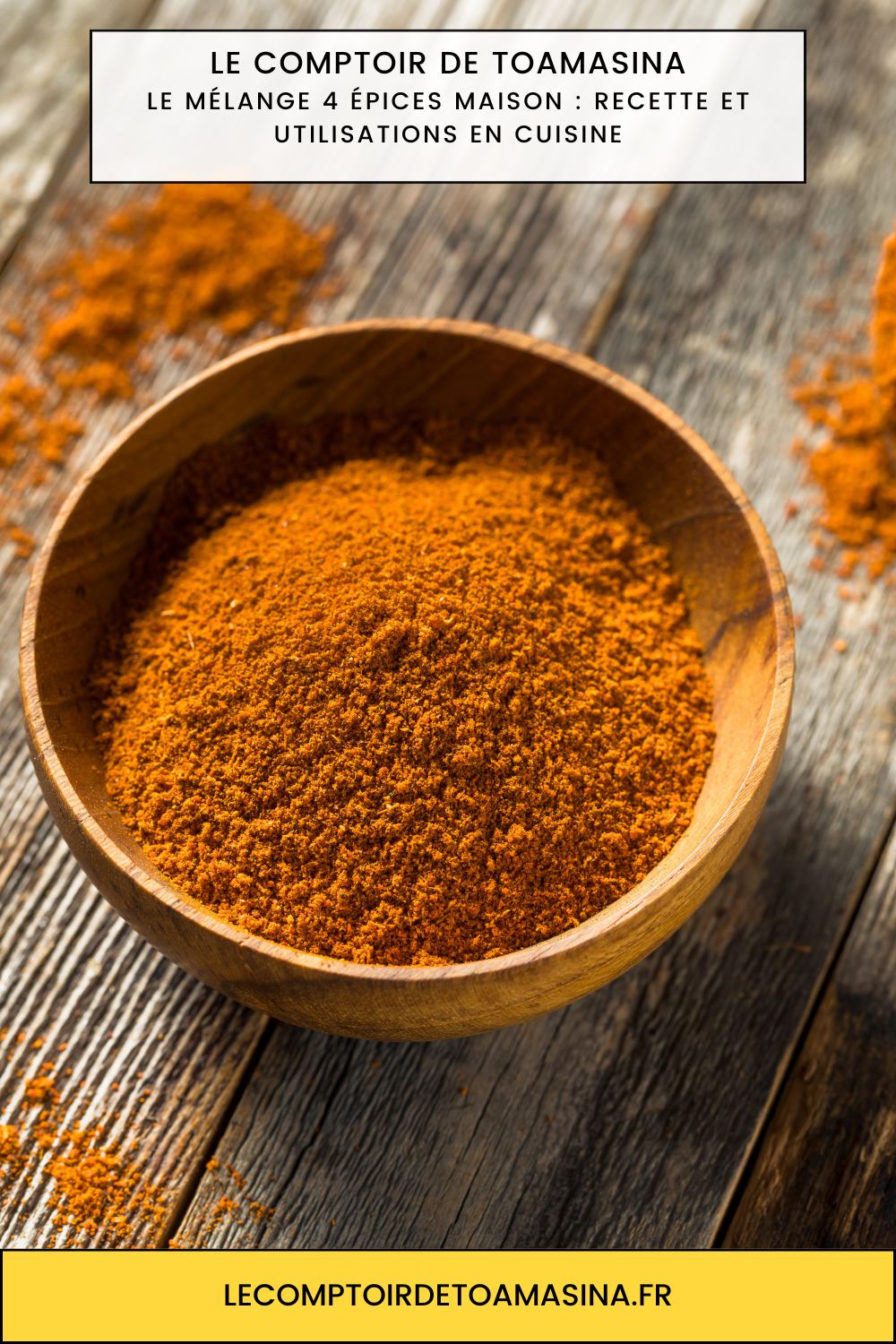
Seeds, barks, roots, berries: each spice family tells the story of a different part of the plant.
How to classify spices by plant part?
The most intuitive way to categorize spices is by the plant part they come from. This helps predict texture, potency, and cooking technique.
Seeds
Cumin, coriander, mustard, fennel. Often dry-toasted before grinding to release essential oils.
Fruits & Berries
Peppercorns, Sichuan pepper, allspice. Cured and dried, concentrating aroma and heat.
Barks
Ceylon cinnamon and cassia. Used whole in sticks for steeping or ground into fine powder.
Roots & Rhizomes
Ginger, turmeric, galangal. Vibrant and earthy, used fresh or dried.
Buds & Flowers
Cloves, saffron. Hand-harvested, among the most precious culinary treasures.
Exceptional Aromatic Seeds
Nutmeg, cardamom, tonka bean. Small powerhouses of rich, complex aromas.
Key Takeaway
Knowing a spice's plant origin guides how to cook with it: barks steep, seeds toast, and roots grate.
Is peppercorn really a spice apart?
True peppercorns belong exclusively to the botanical genus Piper. Black, white, green, and red peppercorns are all the fruit of Piper nigrum harvested and processed at different maturity stages. Long pepper, Cubeb pepper, and wild Voatsiperifery pepper also belong to this true pepper family.
True pepper's signature heat comes from piperine, paired with complex woody, fruity, or floral essential oils depending on terroir.
Why are some berries not true peppercorns?
Many botanical berries are colloquially called "pepper" despite not belonging to the genus Piper. Sichuan pepper comes from a citrus-family shrub, pink peppercorns from a South American tree, and Timur berries from a Himalayan relative. None are true peppercorns.
This doesn't make them any less fascinating—Sichuan offers an electric tingling sensation, while pink berries bring fruity sweetness. Using accurate botanical terms honors their true nature.
| Product | Correct Name | Botanical Origin |
|---|---|---|
| Black, White, Green, Red Pepper | Peppercorn | Genus Piper |
| Long, Cubeb, Voatsiperifery Pepper | Peppercorn | Genus Piper |
| Sichuan Pepper | Sichuan Berry | Citrus Family (Rutaceae) |
| Pink Peppercorn | Pink Berry | South American Tree |
| Timur Pepper | Timur Berry | Related to Sichuan Berry |
Explore Whole Peppercorns
From Madagascar black pepper to wild hand-harvested Voatsiperifery, discover single-origin peppercorns sourced at the origin.
Discover Spice StoreWhere do the world's great spices come from?
Spice geography mirrors human history. Madagascar excels in vanilla, pepper, cinnamon, and cloves. India anchors cardamom, turmeric, and complex masalas. Sri Lanka produces fine Ceylon cinnamon. The Americas gave us chili peppers and original vanilla. The Middle East and Iran harvest precious saffron.
Terroir shapes flavor profiles dramatically. Peppercorns grown in Malagasy rainforests carry distinct notes compared to those grown under different climates. Sourcing directly at the origin reveals those unique nuances.
Understanding for Better Cooking
Knowing what a spice is and where it originates helps you make informed choices and cook with confidence.
- Spices come from specific plant parts.
- Herbs and spices can originate from the same plant.
- Not all fragrant berries are true peppercorns.
Frequently Asked Questions
Is salt a spice?
No. Salt is a mineral, not a plant product. It is an essential seasoning, but botanically not a spice.
Is vanilla a spice?
Yes. A vanilla bean is the cured fruit of an orchid vine, making it one of the most precious spices in the world.
Do spices only provide flavor?
They provide aroma, color, and depth. Enjoy them primarily for the culinary pleasure they bring to the table.
Spices are far more than jars on a shelf—they represent seeds, barks, roots, terroirs, and traditions. Explore our single-origin range at Le Comptoir de Toamasina and discover our whole peppercorn collection.