
Your cart
There are no more items in your cart
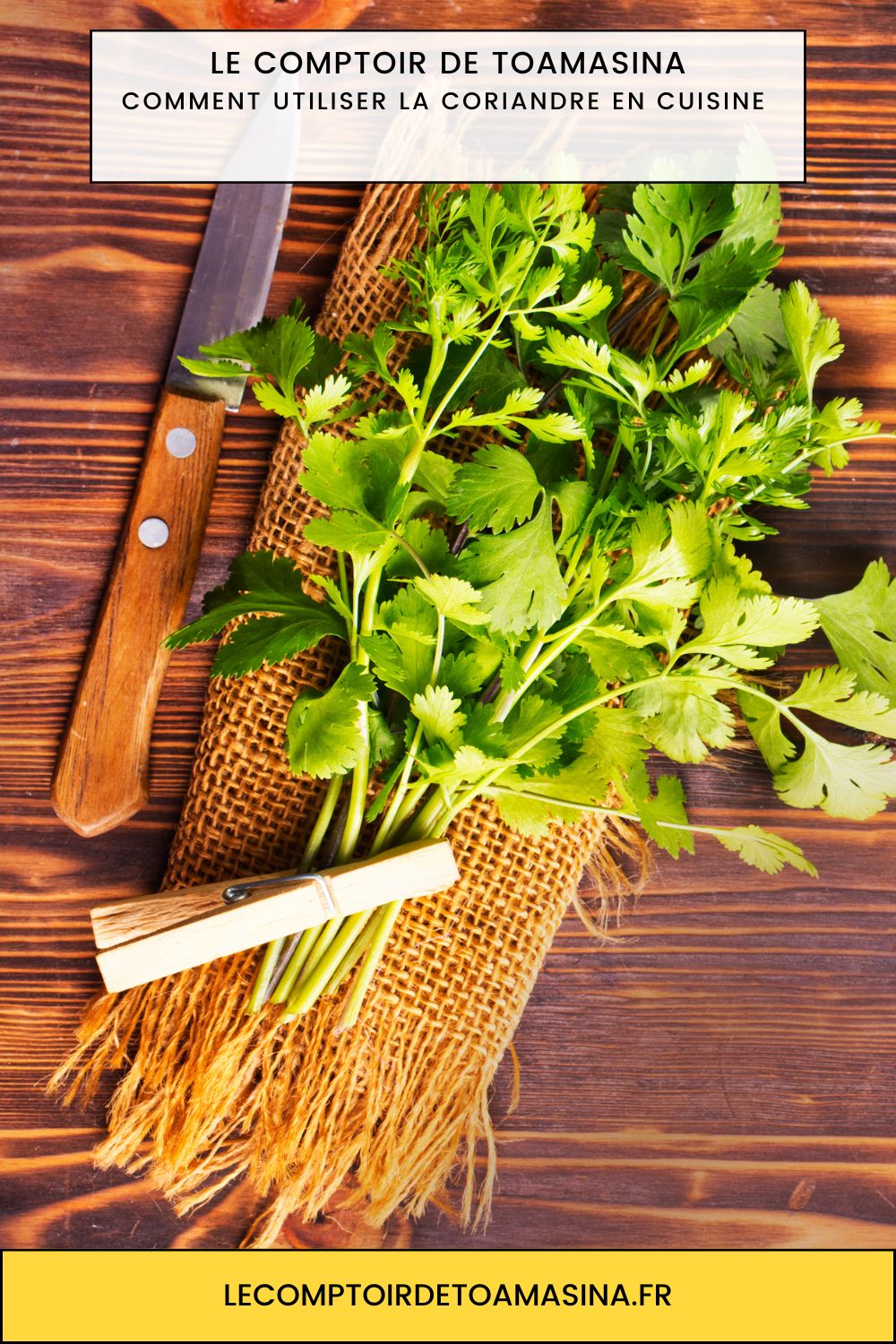
Table of contents
I hear this confusion weekly at Le Comptoir de Toamasina: cumin and coriander seeds look similar at first glance and are often kept side-by-side. Yet as soon as you smell them, their differences become unmistakable. One brings warm, enveloping depth; the other delivers bright, refreshing citrus notes. Here is your complete guide to mastering both in home cooking.
Why are these two seeds confused so often?
Confusion arises from visual resemblance and shared culinary history. Cumin and coriander seeds feature similar size and light beige-brown hues, frequently appearing together across North African, Indian, and Middle Eastern spice blends. Many cooks assume they are variations of the same plant.
In reality, they originate from entirely different plants. Coriander produces both fresh green leaves (cilantro) and round, dry seeds, whereas cumin is harvested exclusively as elongated, ridged seeds. While both belong to the Apiaceae family (alongside fennel and dill), their flavor profiles and kitchen uses are distinctly different.
| Criterion | Cumin | Coriander (Seed) |
|---|---|---|
| Shape | Elongated, ridged, brown seed | Round, smooth, light beige seed |
| Aroma | Warm, earthy, bold | Fresh, citrusy, sweet floral notes |
| Intensity | Strong; can dominate if overused | Mild, easy to balance |
| Edible Leaf | No | Yes (Fresh Cilantro) |
Arnaud's Take
The foolproof test takes one second: smell them. Cumin hits your nose with warm, earthy intensity. Coriander seeds smell round, fresh, and zesty. Once tasted side-by-side, you'll never confuse them again.
Cumin: where does its earthy warmth come from?
Cumin is a characterful spice. Its elongated seeds contain potent essential oils delivering a warm, slightly smoky signature essential to couscous, chili, lentil dals, and roasted vegetables. It ranks among humanity's oldest cultivated spices, deeply rooted in Mediterranean and Asian cooking traditions.
The culinary secret to cumin lies in dry-toasting. Warm whole seeds briefly in a dry pan until fragrant before crushing in a mortar—this doubles their aromatic depth. Cumin pairs naturally with meats, legumes, and root vegetables, but requires moderate dosing to prevent overwhelming a dish.

Toasted and freshly ground cumin seeds: how I unlock maximum warmth before cooking.
Coriander seeds: why that citrusy freshness?
Coriander seeds are the complete opposite of cumin. Round and light, they yield fresh, citrusy, sweet floral notes that brighten dishes rather than weigh them down. It is a light-filled spice, perfect for mild curries, marinades, vegetables, and artisan breads. Unlike cumin, coriander seeds allow generous dosing without harsh bitterness.
It is important to distinguish coriander seeds from fresh cilantro leaves. Fresh leaves deliver sharp, herbaceous flavor, whereas dried seeds offer rounded, sweet citrus warmth. Toasting coriander seeds briefly before grinding unlocks delicate top notes.
Cumin
Earthy warmth for stews, chili, dals, and roasted roots. Toast and dose with moderation.
Coriander Seeds
Citrus freshness for curries, marinades, and breads. Gentle and easy to balance.
Fresh Cilantro
Bright herb sprinkled raw over dishes right before serving.
The Duo
Together, they anchor global spice blends from Garam Masala to Ras el Hanout.
How to use each one in cooking?
Cumin shines in rich, hearty preparations: chili con carne, lentil dals, roasted carrots, and savory meat rubs. It pairs exceptionally well with garlic, paprika, and cinnamon bark.
Coriander seeds elevate lighter dishes: mild curries, poultry marinades, vegetable broths, and flatbreads. Where cumin provides grounding warmth, coriander seeds bring lifting brightness. This complementary contrast explains why they feature together so frequently.
My Roasting Technique
This simple one-minute technique elevates both spices dramatically:
- Preheat a dry, clean pan over medium heat with no oil.
- Add whole seeds in a single layer, stirring constantly.
- Toast for a few seconds until fragrant and lightly popping.
- Transfer immediately to a cool mortar to halt cooking.
- Grind fresh right before adding to your dish for peak flavor.
Should you pair them or use them separately?
Both approaches are valuable. Cumin and coriander seeds form one of culinary history's great pairings, featured side-by-side in Garam Masala, Ras el Hanout, falafel mixes, and barbecue rubs. Cumin brings body; coriander brings light.
However, using them individually allows precise flavor control. Working with whole seeds toasted and ground fresh unlocks authentic single-origin depth.
Key Takeaway
Cumin warms; coriander refreshes. Cumin requires a light hand; coriander permits generous dosing. Together they anchor classic global blends; separately they bring distinct signatures. Always choose fresh whole seeds over stale pre-ground powders.
Fresh Cumin & Coriander Seeds at Origin Quality
Hand-selected whole seeds packed with natural essential oils: experience fresh-ground depth in your kitchen.
Explore Spice ShopComplete your spice collection with our whole Madagascar peppercorns and explore Le Comptoir de Toamasina.
Frequently Asked Questions
Can I substitute coriander seeds for cumin?
Not ideal, as their flavor profiles are opposites. Cumin is warm and earthy; coriander seeds are fresh and citrusy. Adjusting recipe dosing works better than direct substitution.
Do coriander seeds taste like fresh cilantro leaves?
No. Fresh leaves taste bright and herbaceous; dried seeds are round, sweet, and citrusy. They offer two distinct culinary experiences from the same plant.
Is dry-toasting whole seeds necessary?
While optional, brief dry-toasting is highly recommended. A few seconds in a warm pan activates volatile essential oils, significantly multiplying flavor depth.