
Your cart
There are no more items in your cart
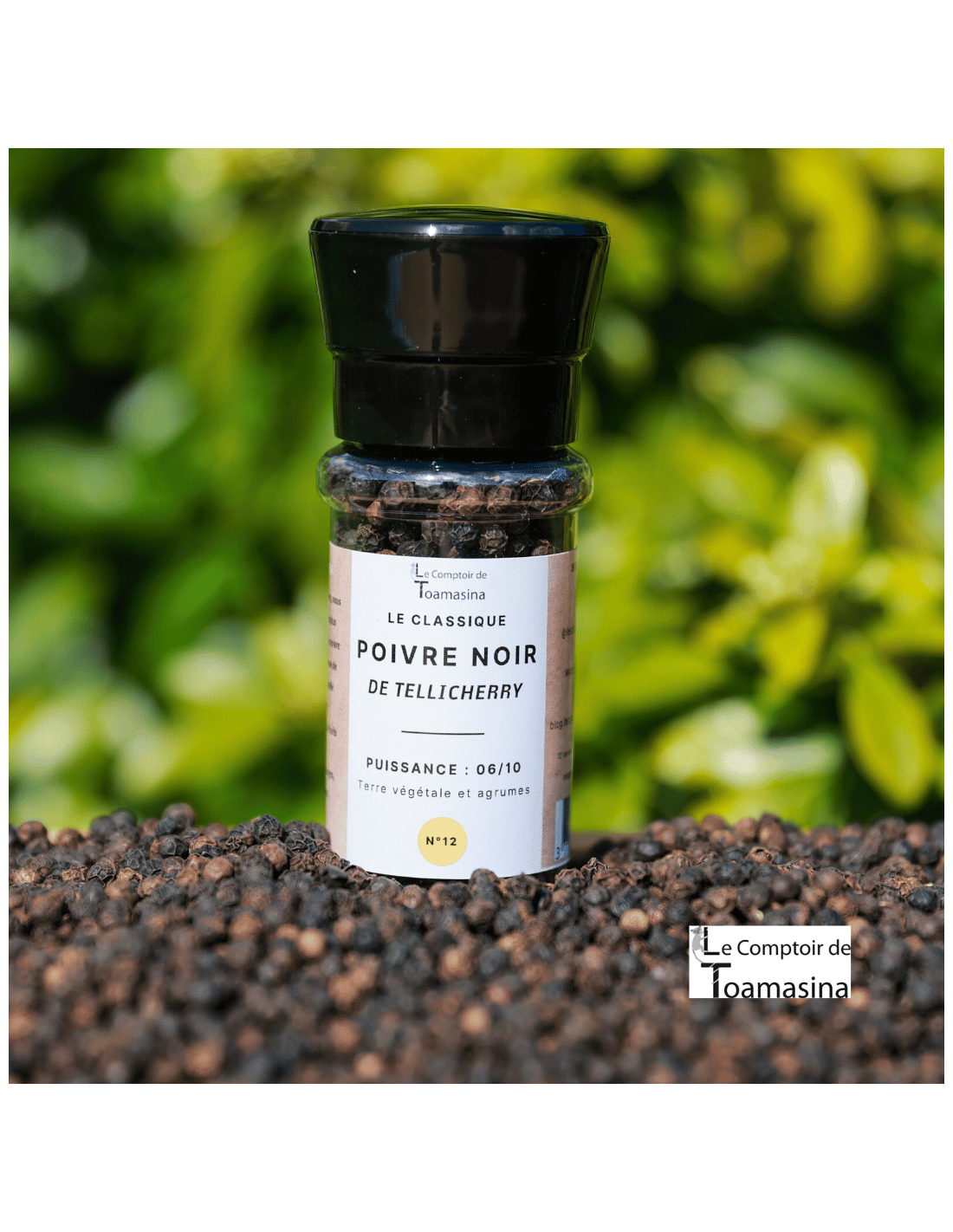
Table of contents
Why cook without salt?
I recall a lunch at a pepper farmer's home in the damp hills of eastern Madagascar. His wife served fragrant chicken rice, and I instinctively looked around for the salt shaker. There wasn't one. Instead, a small dish held crushed wild Voatsiperifery berries, fresh herbs, and wild citrus zest. The dish was bright, layered, and delicious. Not once did I miss salt. That day, I realized salt is merely one tool among many for creating flavor.
Many customers visiting our shop want to reduce their salt intake. While health reasons vary, my expertise is flavor. Years of hosting spice tastings prove that low-salt cooking doesn't mean bland food. It simply calls for a different approach—awakening taste buds through complex aromatic paths.
How can spices replace salt?
Salt works primarily by amplifying overall perception while suppressing bitterness. Well-chosen spices work differently yet effectively: they add depth, fill the palate, and leave a lasting aromatic trail. Peppercorn heat stimulates sensory receptors, compensating for the lack of sodium. Citrus acidity adds brightness, while dry-toasting whole seeds like cumin or coriander provides rich body.

At the Zoma market in Antananarivo, dozens of single-origin spices offer natural alternatives to salt.
Which spices should you choose to elevate salt-free dishes?
The right spice selection depends on your main ingredient:
| Dish Type | Recommended Spices | Pro Tip |
|---|---|---|
| Vegetables, purées, soups | Cumin, coriander, turmeric, paprika | Dry-toast seeds before grinding |
| Red Meat | Black pepper, long pepper, nutmeg | Grind fresh right when serving |
| White Meat & Poultry | White pepper, ginger, mild curry | Marinate overnight |
| Fish & Seafood | Pink peppercorns, dill, ginger, citrus zest | Add acidity near the end of cooking |
| Grains, rice, lentils | Cumin, turmeric, cloves (sparingly) | Infuse directly into cooking water |
Arnaud's Take
My go-to daily ritual: keeping a small long-pepper mill on the dining table. A few grinds over any plate instantly build flavor depth without a single grain of salt.
Is peppercorn the ultimate salt-free ally?
Peppercorn is the most versatile salt-free ally. Its warmth and heat fill the palate where salt is expected. Classic black pepper is great, but exploring wild Voatsiperifery or long pepper unlocks sweet, woody, citrus complexity.
Note the distinction between true Piper peppercorns and botanical berries (Sichuan, pink berries). While Sichuan berries aren't true peppercorns, their electric citrus tingle makes them fantastic for waking up salt-free recipes.
Long Pepper
Warm, sweet, and comforting. Grated onto stews, its depth masks the absence of salt.
Wild Voatsiperifery
Madagascar wild pepper delivering extraordinary citrus and forest aromas.
Sichuan Berry
Not a true pepper, but invaluable: zesty citrus notes and a light tingling feel on the tongue.
White Pepper
Milder and refined, ideal for seafood and light sauces without dark specks.
Should you combine spices, herbs, and citrus?
Yes—this combination unlocks true salt-free success. The 3-Pillar Method relies on combining heat (spice), freshness (herbs), and acidity (citrus/vinegar). Acidity acts as a psychological substitute for salt, signaling brightness to the brain.
The 3-Pillar Method for Salt-Free Cooking
1. Heat: A grounding spice like long pepper, ginger, or cumin.
2. Freshness: Fresh herbs added late, such as cilantro, parsley, or basil.
3. Acidity: Squeezed citrus, kombava zests, or quality vinegar added off the heat.
How to succeed with daily salt-free cooking?
Season in stages: add sturdy spices early to infuse, saving fresh herbs and citrus for the final moment off the heat. Always dry-toast whole seeds before crushing in a mortar to release essential oils.
Key Takeaway
Cooking with less salt is an upgrade, not a compromise. Use the 3-pillar method, toast whole seeds, and keep quality peppercorns nearby.
Field Notes
Madagascar taught me that the world's most flavor-rich cuisines rely on ingredient freshness and spice harmony, not heavy salt use.
- High-grade whole spices naturally replace salt requirement.
- Acidity and spice heat are your best flavor allies.
- Re-training your palate reveals subtle notes previously hidden by salt.
Build Your Salt-Free Spice Palette
Explore our single-origin peppercorns and spices sourced directly from origin farmers.
Explore Spice ShopExplore our whole peppercorns and complete spice collection at Le Comptoir de Toamasina.
Frequently Asked Questions
Which spice best replaces salt for beginners? Start with black or long pepper paired with fresh lemon juice at the end of cooking. This simple pairing works across daily dishes.
Do spice blends contain hidden salt? Commercial blends often contain high sodium levels. Choose pure single-origin spices or make custom blends at home.