
Your cart
There are no more items in your cart
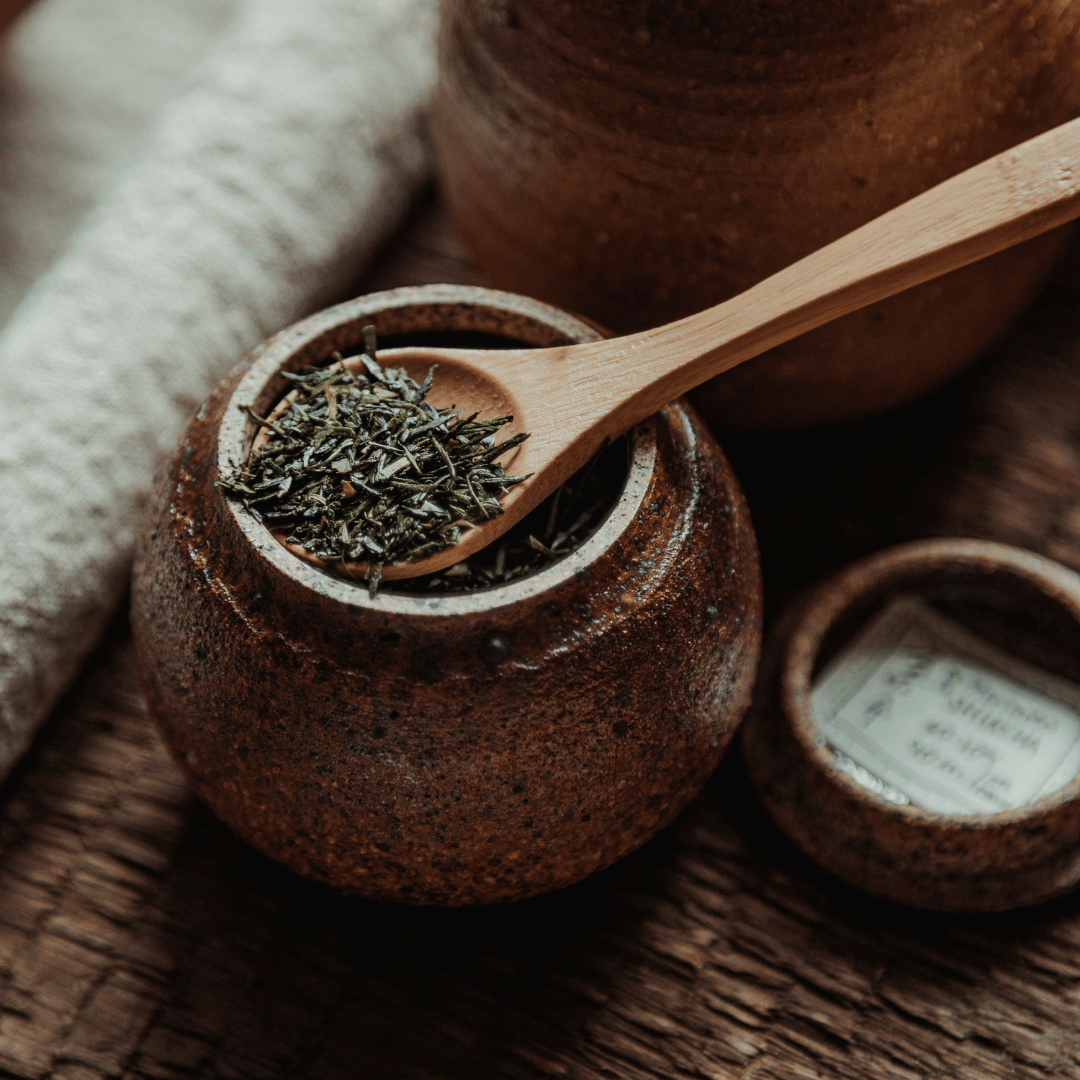
Key Takeaways
- Same plant origin: Both white and green teas come from the Camellia sinensis plant. The difference lies entirely in how they are harvested and processed.
- White tea undergoes minimal processing. It offers a delicate flavor with notes of melon or apricot and almost no bitterness.
- Green tea is heated immediately after plucking to stop oxidation. It has a more vegetal, sometimes grassy or slightly nutty taste.
- The caffeine myth: White tea is not always lower in caffeine than green tea. Caffeine content largely depends on which part of the plant is harvested.
- Both require moderation: Pregnant women, children, and people with certain health conditions should limit their intake.
Two Teas From The Same Plant
White tea and green tea are both considered unoxidized (or very lightly oxidized) teas, contrasting with black tea which undergoes full oxidation. For white tea, only the youngest buds and first leaves are plucked—often still covered in a fine silvery down that gives the tea its name. These leaves are simply withered in the open air and gently dried. There is no pan-firing or steaming to "kill" oxidation, nor any rolling or shaping.
Green tea, however, begins with young leaves and buds that are briefly withered and then subjected to a crucial step: the "kill-green" process. The leaves are quickly heated by steam (common in Japan, creating vegetal notes) or pan-fired (common in China, creating nuttier flavors). They are then rolled or shaped to help release their aromas during steeping, before finally being dried.
What to Expect from Their Flavor
White tea produces a gentle, subtle cup with a round mouthfeel, often revealing notes reminiscent of fresh melon, apricot, or honey. Green tea, depending on its origin and processing, can be much more vegetal, grassy, nutty, or slightly savory (umami), boasting a more assertive character than white tea.
| Criterion | White Tea | Green Tea |
|---|---|---|
| Processing | Minimal: withering and drying, no rolling | Quick heating ("kill-green"), followed by rolling |
| Flavor | Mild, delicate, melon or apricot notes | Vegetal, sometimes grassy or nutty |
| Caffeine (per cup) | Approx. 15 to 30 mg | Approx. 20 to 45 mg |
| Brewing Temp | 80 to 85 °C (175–185 °F) | 70 to 82 °C (160–180 °F), never boiling |
| Steeping Time | 3 to 5 minutes | 1 to 3 minutes |
Correcting the caffeine misconception.
People often assume that white tea always contains less caffeine than green tea. In reality, the caffeine level depends heavily on the plant variety and the part harvested: a premium white tea made purely from young buds can contain as much, if not more, caffeine than a standard green tea made from more mature leaves.
People often assume that white tea always contains less caffeine than green tea. In reality, the caffeine level depends heavily on the plant variety and the part harvested: a premium white tea made purely from young buds can contain as much, if not more, caffeine than a standard green tea made from more mature leaves.
My Personal Tip
To truly experience the difference, I recommend tasting both teas plain, without any additives, while strictly following their respective brewing temperatures. It is the best way to understand the true personality of each tea.
What We Know About Their Health Benefits
Both white and green teas are rich in polyphenols, specifically catechins—plant compounds widely studied for their antioxidant and anti-inflammatory properties. Because it is so lightly processed, white tea retains a broad spectrum of these compounds in a state very close to the fresh leaf. Green tea, thanks to its heating step, is particularly rich in EGCG (epigallocatechin gallate), one of the most thoroughly researched catechins.
These compounds are the focus of ongoing research regarding cardiovascular health, skin aging, and their role in a balanced diet. However, these remain areas of study rather than established medical claims. Tea should not replace medical treatments or a healthy lifestyle.
What to know before drinking large amounts.
Like all true tea, excessive consumption can lead to nausea, headaches, insomnia, irritability, or stomach upset, and can reduce iron absorption. As a precaution, large amounts are not recommended for pregnant or nursing women, children, or people suffering from sleep disorders, anxiety, arrhythmias, thyroid or kidney issues, anemia, or stomach ulcers. Always consult your doctor if you are on medication. A common guideline is to consume no more than 3 cups a day, ideally between meals.
Like all true tea, excessive consumption can lead to nausea, headaches, insomnia, irritability, or stomach upset, and can reduce iron absorption. As a precaution, large amounts are not recommended for pregnant or nursing women, children, or people suffering from sleep disorders, anxiety, arrhythmias, thyroid or kidney issues, anemia, or stomach ulcers. Always consult your doctor if you are on medication. A common guideline is to consume no more than 3 cups a day, ideally between meals.
Discover Our Green Tea Selection
Green teas handpicked for their fresh vegetal notes, perfect for enjoying hot or iced all year round.
FAQ — White Tea & Green Tea
Does white tea always have less caffeine than green tea?
No, not systematically. It depends mostly on the part of the plant used: white tea made from young, caffeine-rich buds can have higher caffeine levels than some green teas.
Can I blend white tea and green tea together?
Yes, many custom blends combine both to achieve an intermediate flavor profile that is both delicate and subtly vegetal.
What are the best brewing times and temperatures?
White tea brews best at 80-85°C for 3 to 5 minutes. Green tea requires slightly cooler water (70-82°C) and a shorter steep time (1 to 3 minutes) to prevent bitterness.
Do these teas offer health benefits?
They both contain high levels of antioxidants (like catechins and EGCG) that are actively studied in nutrition science. However, they should be enjoyed as part of a healthy diet, not as a medicine.
Are there any side effects or contraindications?
Excessive consumption is not recommended during pregnancy, for children, or for individuals with severe anxiety, sleep disorders, kidney issues, or anemia. When in doubt, consult a healthcare provider.