
Your cart
There are no more items in your cart
Key Takeaways
- Vanilla caviar consists of thousands of tiny black seeds and the aromatic oily pulp surrounding them inside a fresh pod.
- Vanillin is fat-soluble: it dissolves in lipids (whole milk, cream, butter, oil), not in water alone.
- Always scrape with the back of the blade, never the sharp edge, to collect pure pulp without scraping off bitter wood fibers.
- A scraped pod is never waste: reuse it for vanilla sugar, homemade extracts, or infused syrups.
What Exactly Is Vanilla Caviar?
Open a freshly cured gourmet vanilla bean: inside, thousands of tiny, shiny black seeds form a thick, sticky paste known as vanilla caviar. It is the result of meticulous labor—each orchid flower is hand-pollinated to produce a single pod that ripens for nine months on the vine.
Contrary to popular belief, the tiny seeds alone do not carry most of the flavor: the surrounding oily pulp holds the vast majority of aromatic compounds. Because seeds and pulp are scraped together, the mixture is called caviar—reflecting its preciousness.
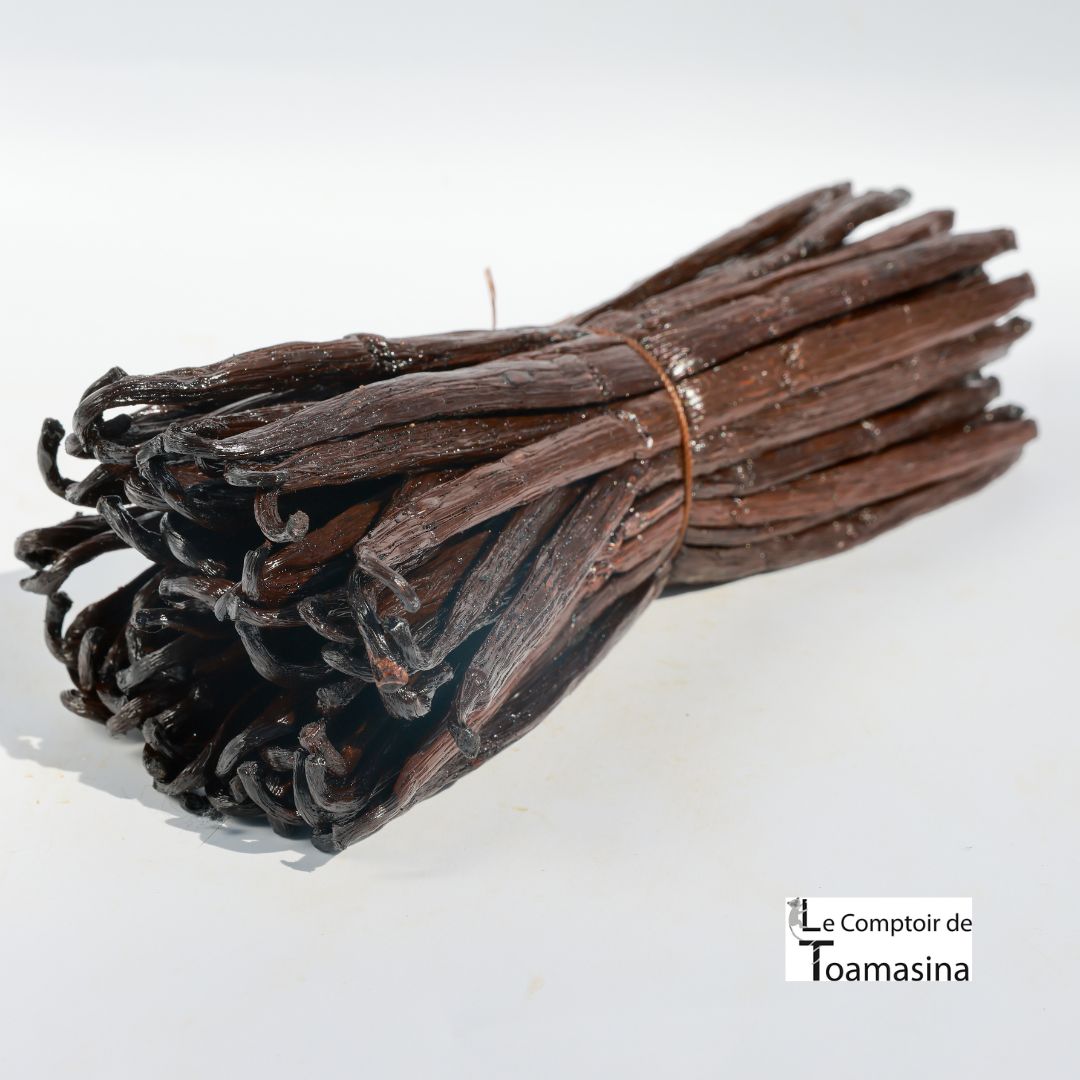
Plump, oil-rich gourmet vanilla pods loaded with fresh vanilla caviar.
Why Fat Is Essential: The Science of Fat-Solubility
This is the key chemical principle behind successful vanilla recipes. Vanillin—the primary aroma molecule in vanilla—along with hundreds of complementary compounds, is fat-soluble (liposoluble). This means it dissolves readily in fats, but very poorly in water.
What this means in practice.
Steeping a pod or caviar in plain water extracts very little flavor. However, infusing it into whole milk, heavy cream, butter, or coconut milk binds and releases the full spectrum of aromas.
Steeping a pod or caviar in plain water extracts very little flavor. However, infusing it into whole milk, heavy cream, butter, or coconut milk binds and releases the full spectrum of aromas.
How to Scrape a Vanilla Bean Step-by-Step
Extracting caviar takes only seconds with a small paring knife. Follow these steps:
- Flatten and soften: Place the pod flat on your cutting board and press it gently with the back of a knife to loosen the caviar inside.
- Split lengthwise: Slice open the pod down its entire length with the knife tip without cutting all the way through. Open the flaps like a book.
- Scrape with the back of the blade: Run the back (unsharpened side) of the blade down the inside of the pod. The dull spine scoops out all the caviar without tearing bitter wood fibers.
- Use immediately: Stir the caviar directly into your liquid or fat mixture so it does not dry out exposed to air.
| Vanilla Grade | Caviar Yield | Characteristics |
|---|---|---|
| Gourmet / Extra | Abundant & moist | High moisture content (30-35%), dense and highly aromatic pulp |
| TK (Tetsky) | Moderate | Drier pod, slightly less pulp yield when scraped |
| Red / Extraction | Nearly zero | Dry and brittle, meant for commercial extracts rather than scraping |
What to Do with Scraped Pods: Don't Throw Them Away!
A scraped vanilla pod retains nearly 50% of its aromatic power within its pod walls. Here are three ways to reuse it:
| Application | Preparation Method |
|---|---|
| Homemade Vanilla Sugar | Bury dried scraped pods in a sealed jar of sugar for a few weeks to infuse it with natural flavor. |
| Secondary Infusions | Simmer spent pods in warm milk, cream, or simple syrup. Rinse and dry between uses. |
| Homemade Vanilla Extract | Submerge spent pods in a bottle of rum or vodka for several months to create pure extract. |
Skincare Application
Fat-solubility works in cosmetics too: infusing chopped spent pods in jojoba oil produces a rich, naturally scented body oil.
Using Vanilla Caviar in Cooking
- Pastry & Desserts: Steep caviar and pod together in warm milk for custards, ice cream, or whipped cream.
- Cheesecakes: Mix caviar directly into cream cheese mixtures before baking.
- Savory Dishes: Add a touch of caviar to butter sauces or coconut milk for poultry and seafood.
Storage Advice.
Once extracted, caviar oxidizes quickly. Use it the same day. Store whole pods at room temperature in an airtight glass jar away from light—never put vanilla pods in the refrigerator!
Once extracted, caviar oxidizes quickly. Use it the same day. Store whole pods at room temperature in an airtight glass jar away from light—never put vanilla pods in the refrigerator!
▶
Watch video demonstrations on our YouTube channel.
Discover Our Exceptional Vanilla Beans
Explore our fresh gourmet vanilla pods brimming with aromatic caviar.
FAQ — Vanilla Caviar
What is vanilla caviar?
It is the combination of thousands of tiny black seeds and the surrounding oily pulp scraped from inside a gourmet vanilla pod.
Why must vanilla caviar be infused in fat?
Vanillin is fat-soluble. It dissolves readily in fats (milk, cream, butter) and poorly in pure water. Fat is essential to unlock flavor.
How do I scrape a bean properly?
Split the bean lengthwise and scrape the inside using the back (spine) of the knife blade to gather pulp without scraping off bitter pod fibers.
Can I reuse a scraped vanilla bean?
Yes, spent pods still contain significant flavor. Use them to make vanilla sugar, homemade extract, or infused syrups.