
Your cart
There are no more items in your cart
Key Takeaways
- Guarana is an Amazonian seed, exceptionally rich in caffeine compared to coffee weight-for-weight.
- Its energy release is more gradual and sustained than coffee, thanks to natural tannins that slow down caffeine absorption.
- Research is exploring its potential cardiovascular benefits, though studies remain preliminary and not yet clinically proven.
- Guarana also impacts digestion, with effects depending on the dosage consumed.
- Its effect on headaches varies greatly by individual, sometimes alleviating them, sometimes the opposite.
- It is consumed diluted in water, juice, milk, or smoothies, often prior to exercise.
- Like any caffeine source, it requires sensible precautions and a moderate dosage (max 2 g per day).
Guarana, a Seed with Ancient Roots
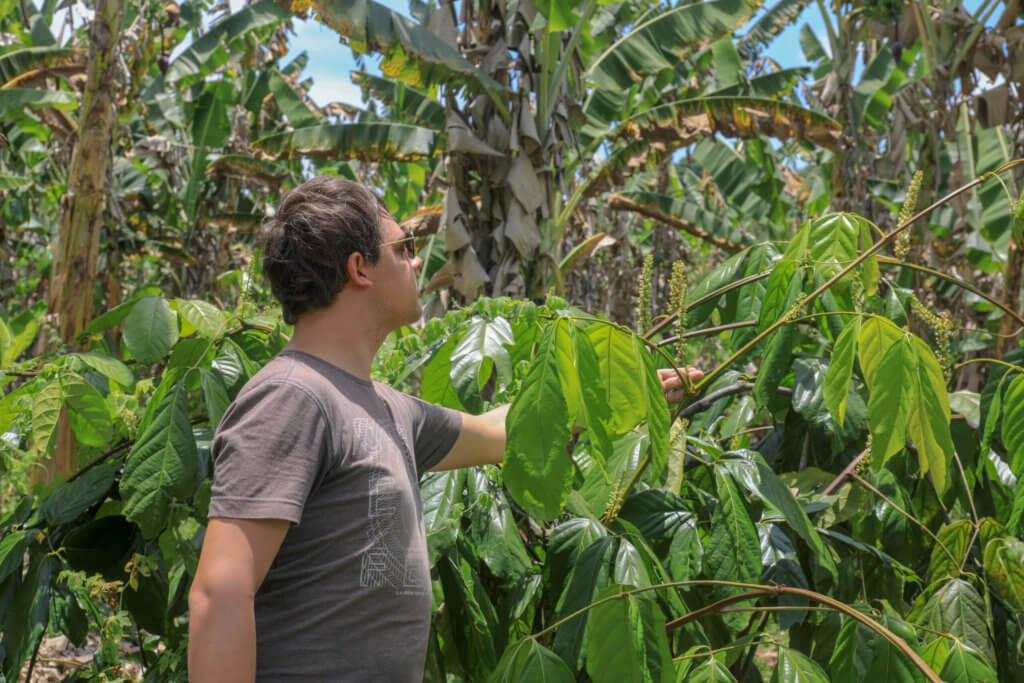
Guarana (Paullinia cupana) is a climbing plant native to the Amazon rainforest, used for generations by Brazil's indigenous populations. Once dried and ground into powder, its seed is one of the most concentrated natural sources of caffeine known, significantly higher than coffee beans by weight5.
A Different Type of Energy Than Coffee
The caffeine in guarana does not act in the exact same way as coffee caffeine. Natural tannins present in the seed slow down its absorption into the body, which explains why guarana's energizing effect is often described as smoother and longer-lasting than an espresso, avoiding the sudden crash some people experience with coffee.
What Research Explores Regarding Cardiovascular Health
A systematic review conducted at the University of São Paulo examined the effects of guarana on cardiovascular health2. This type of research gathers and analyzes existing studies to highlight promising areas, though it does not constitute definitive clinical proof. Guarana should therefore not be considered a medical treatment for heart conditions, and individuals with cardiovascular pathologies should consult their doctor before regular use.
Guarana at a Glance
- Scientific Name
- Paullinia cupana
- Origin
- Amazon Rainforest, Brazil
- Key Compound
- High caffeine concentration combined with natural tannins
- Usual Max Dosage
- Around 2 g of powder per day1,4
Digestion: Dose-Dependent Effects
When consumed in small quantities, the tannins in guarana are traditionally associated with an astringent effect on intestinal transit. At higher doses, caffeine takes over and instead stimulates natural bowel movements. This dual action explains why dosage significantly alters individual experiences.
Guarana and Headaches
Caffeine is recognized for its role in pain perception, which is why it is often included in commercial pain relievers. This explains why some people report a positive effect of guarana on mild headaches. However, this response varies greatly among individuals: for others, caffeine can trigger or worsen headaches, especially with irregular use or sudden withdrawal. The only reliable way to know how you react is to monitor your body, starting with small amounts.
Sleep and Caffeine Sensitivity
Like any caffeine source, guarana can interfere with sleep if consumed too late in the day3. It is generally advised to avoid taking it within 8 hours of bedtime and to pay attention to your personal sensitivity, which varies widely from person to person.
How to Consume Guarana Daily
Guarana powder dissolves easily in water, fruit juice, milk, or smoothies. It is often taken with meals or prior to a workout to benefit from a sustained energy release during exercise rather than a brief peak. Regardless of your beverage of choice, it is best to start with a small amount and adjust according to your tolerance and response to caffeine.
Regular use can build tolerance. As with coffee, prolonged daily consumption of guarana can cause your body to adapt, requiring slightly higher doses to achieve the same initial effect. This is a great reason to stay within recommended limits and occasionally take break days.
Possible side effects from overconsumption. Excessive intake can cause anxiety, nervousness, tremors, loss of appetite, nausea, vomiting, headaches, diarrhea, muscle tension, increased heart rate, stomach irritation, and increased urination4.
Who should avoid guarana. According to Brazil's health regulatory agency (ANVISA), guarana is not recommended for pregnant or breastfeeding women, children, or individuals suffering from hypertension, gastric or duodenal ulcers, gastritis, irritable bowel syndrome, hyperthyroidism, or arrhythmia4. It is also advised against for those with insomnia, anxiety, migraines, tinnitus, or balance disorders. If you are taking medication, always consult your physician.
My Personal Takeaway
I view guarana as a great ally for sustained energy, not as a remedy. I always pay close attention to dosage and time of day, exactly as I would with an extra cup of coffee.
Our Brazilian Guarana
Sourced directly in Brazil, our pure ground guarana powder can be enjoyed hot or iced in your favorite beverages.
CODE BOURBON — 15% off
FAQ — Guarana Benefits
Is guarana stronger than coffee?
Gram for gram, it contains a higher caffeine concentration, but its effects are released more gradually due to its natural tannins.
Is guarana good for the heart?
Research is exploring this avenue, but findings remain preliminary. It is not an established medical benefit, and individuals with cardiovascular conditions should exercise caution.
Can you build a tolerance to guarana?
Yes, as with any regular caffeine source, your body can adapt and require slightly higher amounts to feel the same effects.
What is the recommended maximum daily dose?
Around 2 g of powder per day, which equates to roughly 2 level teaspoons.
Can guarana help with headaches?
Some people experience relief due to caffeine's role in pain perception, but response varies: for others, caffeine can actually trigger headaches.
What is the best way to take guarana?
Diluted in water, fruit juice, milk, or a smoothie, typically with meals or prior to physical activity, starting with a small dose.
Sources Cited in This Article
- ANVISA (National Health Surveillance Agency, Brazil). Formulário de fitoterápicos: farmacopeia brasileira, 2nd edition, 2021.
- Campos, A. Efeitos do guaraná (Paullinia cupana) na saúde cardiovascular: uma revisão sistemática. Graduation thesis, University of São Paulo, 2018.
- Sleep Foundation. Caffeine and sleep. sleepfoundation.org
- ANVISA. Monograph Paullinia cupana Kunth ex H.B.K. var. sorbilis (Mart.) Ducke, semen, 2021.
- Brazilian Food Composition Table (TBCA), University of São Paulo. Composition of guarana powder.
This article is for informational purposes only and does not replace professional medical advice.