
Your cart
There are no more items in your cart
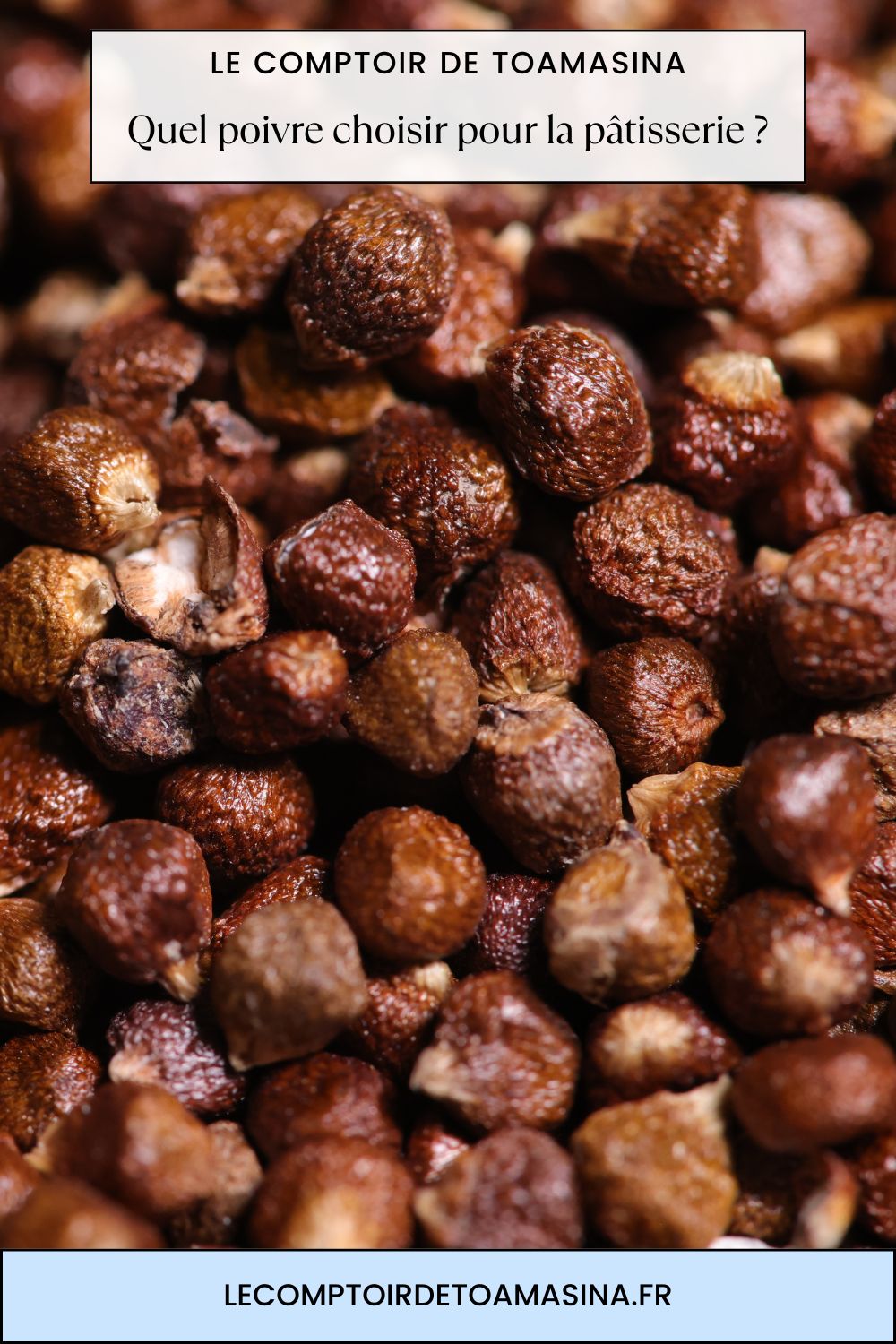
The Essentials to Wake Up Your Pepper
- Forget pre-ground supermarket pepper: Essential oils evaporate within weeks of breaking the peppercorn. Industrial powders often use hollow or damaged berries.
- The ideal grinder: Always choose a ceramic mechanism to avoid burning the pepper through friction heat.
- The art of roasting: Searing your peppercorns in a pan triggers the Maillard reaction, releasing deep caramelized and woody aromas.
- The golden fire rule: Never boil or overcook ground pepper. Always add it at the very end of cooking or directly onto the plated dish.
History and Botany of the Peppercorn
Black, white, or green—how can we not appreciate this marvel of nature once called "Venus's Delight"? True pepper comes from a climbing vine (Piper nigrum) native to the Malabar coast of India.
All classic colors come from this exact same vine. The only difference is the harvest time and the drying process. This is why you must buy whole peppercorns with beautifully wrinkled skins (for black pepper), guaranteeing perfect drying and trapped essential oils.
Why Roasting Changes Everything (The Maillard Reaction)
We often talk about roasting coffee beans, but it is an incredible technique for whole peppercorns too. Dry heating the peppercorns in a pan triggers the Maillard Reaction.
This chemical reaction occurs during cooking: amino acids and natural sugars interact, evaporating moisture, darkening the berry (Strecker reaction), and releasing intense toasted, caramel, and warm wood aromas. This process literally "wakes up" the spice.
Two Ways to Roast Your Peppercorns
Method 1: Dry Roasting (Mortar & Pestle)
- Heat a dry skillet over medium heat (no oil).
- Toss in your whole peppercorns.
- Roast for 2 to 3 minutes, shaking the pan constantly. The pepper will start to release its fragrance.
- Remove from heat, cool slightly, and crush them in a mortar.
Method 2: Oil Roasting (The Chef's Trick)
- Pour a drizzle of neutral oil into a pan over medium heat.
- Add the whole peppercorns when the oil is hot.
- When the peppercorns start popping like popcorn, turn off the heat immediately.
- Let it cool. Pro Tip: Use this incredibly fragrant oil to sear a steak!
Choosing the Right Grinder and Grind Size
Choosing your grinder is crucial: always favor a ceramic mechanism. Cheap metal grinders can overheat the peppercorn during the friction process, instantly destroying the most delicate volatile compounds.
Match the Grind to the Dish
- Very Coarse (Cracked / Mignonnette): Perfect for steak crusts, BBQ rubs, marinades, and pickles. The berry explodes under your teeth.
- Medium Grind: For daily table seasoning, pasta dishes, or stews at the end of cooking.
- Fine Grind: Ideal for vinaigrettes, delicate white fish, and savory baking.

The incredibly rare Long Red Kampot Pepper: meant to be roasted and freshly grated over desserts like nutmeg.
Chef Pairings: Which Roasted Pepper for Which Dish?
- Roasted Black Pepper: Its heat and woody warmth are amplified. Ideal on duck breast, game, red meats, or fatty fish.
- Roasted White Pepper: Its animal and musky notes soften beautifully. It is the secret weapon to elevate a beef tartare, dry goat cheese, or a complex vinaigrette.
- Red Pepper & Long Red Pepper: Naturally fruity, roasting makes them almost candied. Perfect on white meats, and especially... desserts!
The Boldness of Pepper in Desserts
Most people limit pepper to savory dishes. Yet, a fresh strawberry or mango salad dusted with roasted red pepper is the ultimate summer treat. For dark chocolate fondant cakes, replace cinnamon with finely ground, roasted black pepper: the result is mind-blowing.
Equip Your Kitchen for Excellence
Discover our selection of rare whole peppercorns, refillable ceramic spice grinders, and gourmet vanilla beans.
FAQ — The Art of Peppercorns
Is pre-ground supermarket pepper lower quality?
It loses the vast majority of its volatile citrus and floral aromas shortly after being ground. Moreover, industrial powder is often made from broken, hollow, or lower-grade berries, reserving the premium ones for the whole-bean market.
What is the Maillard reaction?
It is the chemistry of flavor: exposing amino acids and natural sugars to controlled heat causes them to bond and caramelize, drastically increasing the roasted, woody, and complex aromatic notes on the palate.
Should I boil pepper in my sauces?
Never! Boiling ground pepper destroys the complex aromas and leaves only a sharp, sometimes bitter burn (from piperine). Always add it at the very end of cooking, off the heat, or directly onto the plate.