
Your cart
There are no more items in your cart
Key Takeaways
- Quality pepper reduces the need for salt on grilled foods by naturally stimulating taste buds and prolonging flavor duration.
- Not all peppers perform equally: robust, complex whole peppercorns work much better than flat, pre-ground black pepper.
- Timing matters: Seasoning before, during, or after grilling yields completely different flavor profiles.
- A pepper dry rub can substitute a large portion of your usual salt intake while keeping food remarkably flavorful.
Why Peppercorns Can Replace Salt
Salt serves a specific role: it enhances existing flavors in food without introducing new ones. Peppercorns act differently. Their aromatic compounds, particularly piperine in black pepper, directly stimulate oral receptors and extend flavor longevity. In short, great pepper makes a dish feel richer and more seasoned even with lower sodium levels.
On high-heat grilled food, this effect is magnified. Barbecuing creates intense caramelization on meat and fish surfaces, which rich pepper aromas naturally elevate.
Not All Peppercorns Are Created Equal
Pre-ground industrial black pepper loses volatile essential oils shortly after grinding, leaving behind only sharp heat without aromatic depth. Freshly ground whole peppercorns retain complex woody, fruity, or floral notes that round out every bite.
| Type of Grill | Recommended Pepper | Why |
|---|---|---|
| Red Meat, Beef | Bold Black Pepper (Kampot, Madagascar) | Stands up to robust grilled meat flavors |
| Poultry, Pork | White Pepper or Timut Pepper | Softer profile with a refreshing citrus touch |
| Fish, Seafood | Timut Pepper or Pink Peppercorn | Citrus notes replace excess salt and lemon juice |
| Grilled Vegetables | Black Pepper or Red Pepper | Enhances charred flavors without overpowering veggies |
The Art of Timing Your Pepper
Pepper added too early over direct flames can scorch and lose delicate aromatics. Pepper added only at the table remains solely on the surface. The ideal approach is a two-step application: season generously right before placing meat on the grill, then finish with a fresh grind immediately upon serving.
The Pepper Dry Rub Method
A coarse dry rub featuring cracked peppercorns, garlic powder, and dried herbs allows you to drastically cut salt without sacrificing bold taste.
Pepper Dry Rub — Ingredients
- 2 tbsp coarsely cracked black peppercorns
- 1 tsp garlic powder
- 1 tsp sweet paprika
- 1 tsp salt (instead of the usual 2–3 tsp)
- 1 tbsp olive oil
Directions
- Combine cracked pepper, garlic powder, paprika, and salt in a bowl.
- Coat the meat or fish lightly with olive oil.
- Rub the spice mix thoroughly onto all sides.
- Let rest for 30 minutes at room temperature before grilling.
- Grill as usual and finish with a fresh grind of pepper right before serving.
Why cracked beats finely ground: For dry rubs, coarsely cracked peppercorns adhere better to meat surfaces and release essential oils slowly during cooking without burning instantly.
Beware of direct high flame: Peppercorns exposed directly to roaring flames can char and become bitter. If your grill runs extremely hot, apply most of your pepper at the end.
Field Tip
Keep two distinct peppercorns at your grilling station during summer: a bold black pepper for red meat, and a milder variety (like Timut or white pepper) for poultry and fish. This simple combo helped me cut my summer salt usage in half without anyone noticing.
Equip Your Grill with Whole Peppercorns
Discover our single-origin whole peppercorns and ceramic grinders for maximum flavor at your next BBQ.
FAQ — Pepper vs. Salt on Grilled Meats
Can pepper completely replace salt when grilling?
Not entirely: salt helps form the outer crust and texture during cooking. However, using rich peppercorns allows you to reduce total salt intake significantly.
Which pepper is best for grilled steak?
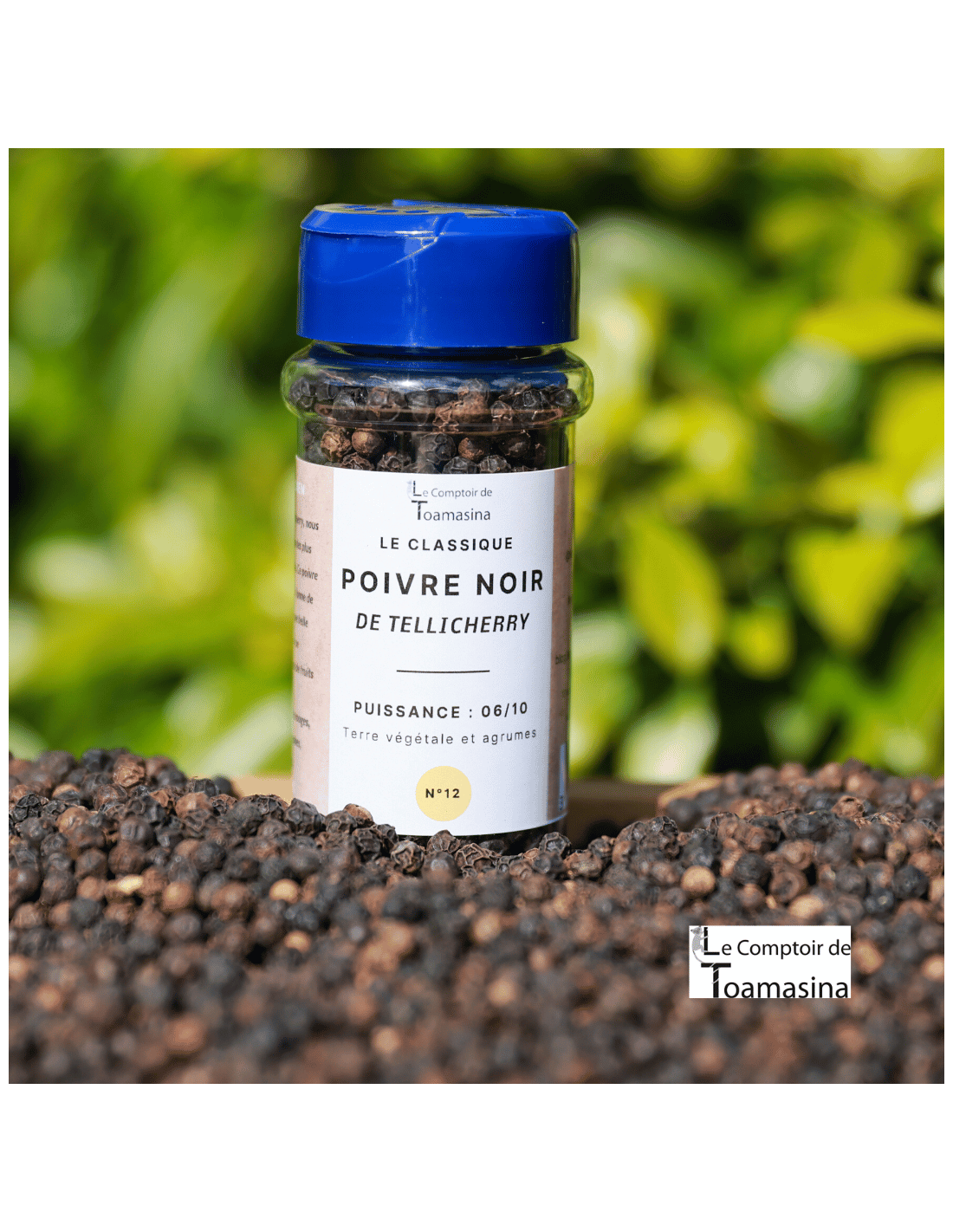
A bold whole black pepper like Kampot or Tellicherry provides enough body and essential oils to complement rich grilled red meat.
Should I pepper meat before or after grilling?
Both: apply coarsely cracked pepper right before grilling so flavors fuse with juices, then add a final fresh grind at the table for aromatic brightness.
Does pre-ground pepper work the same way?
No: pre-ground pepper has lost most of its volatile oils, offering sharp heat rather than the complex flavors required to substitute salt.