
Your cart
There are no more items in your cart
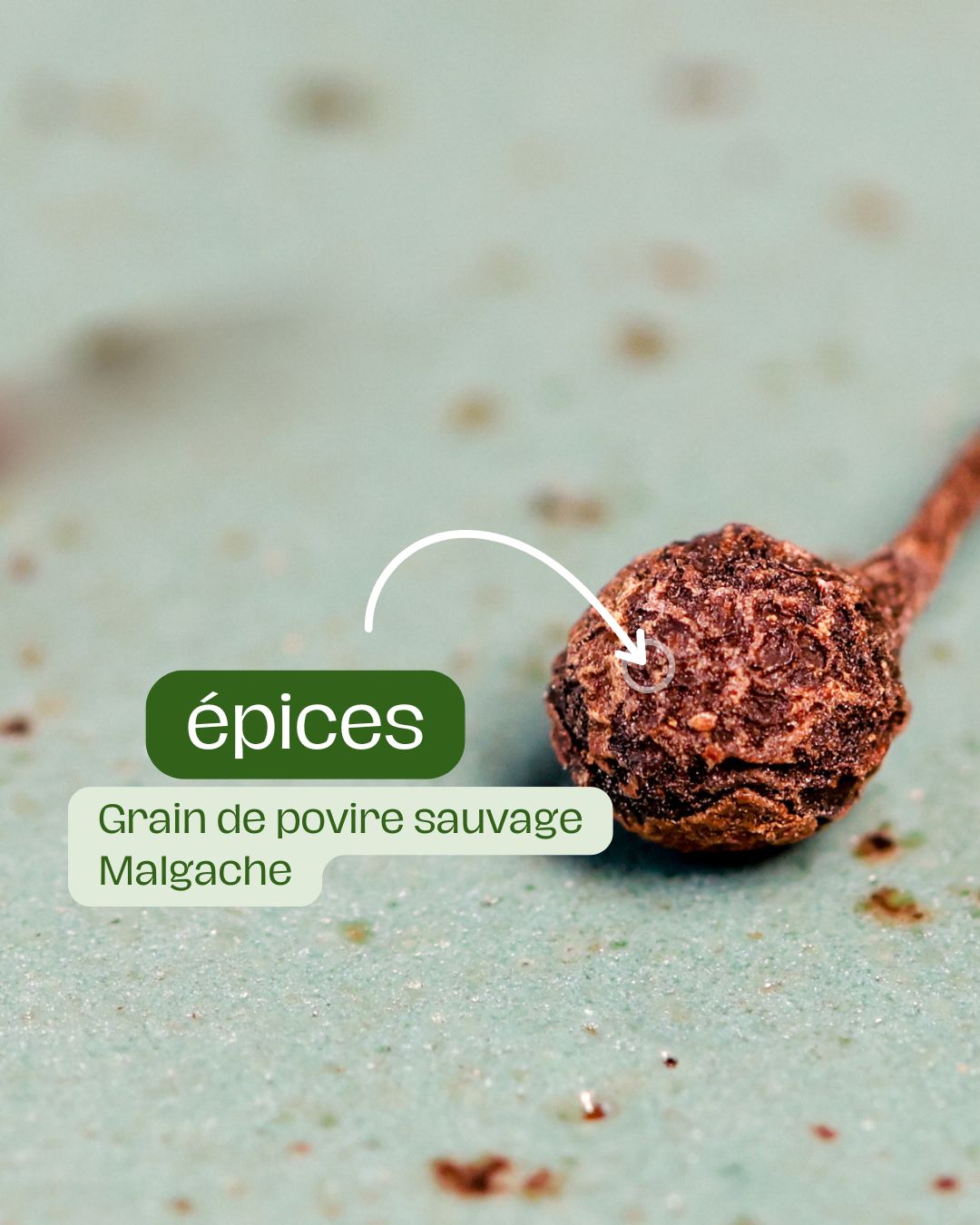
Table of Contents
Pepper is the most widely used spice in the world, yet it is also the most mistreated. How many times have I seen a cook throw pre-ground pepper into a piping hot pan, instantly destroying aromatic oils that a farmer spent months cultivating? Pepper isn't just a pungent condiment: it is a rich aromatic spice with notes ranging from woody and fruity to minty and chocolatey.
When to add pepper: before or after cooking?
This golden rule changes everything: pepper should always be added at the end of cooking or right before serving. Essential oils in pepper are highly volatile. When subjected to intense heat, they evaporate and degrade, leaving behind only harsh bitterness and raw heat from piperine.
In practice: salt early if needed, but add pepper at the end. For seared meats, grind fresh pepper after taking the meat off the heat while it rests. In sauces, stir in pepper off the heat and cover to infuse.
Arnaud's Tip
"On duck breast, I never pepper before searing. I cook the meat, let it rest, and give a fresh turn of the Voatsiperifery mill right before plating. The aroma rising from the plate is completely unmatchable."
Should you always grind pepper fresh?
Yes, absolutely. A whole peppercorn keeps its essential oils sealed inside its outer shell. As soon as it is ground, those aromas begin evaporating rapidly. Always buy whole peppercorns and grind on demand using an adjustable pepper mill.
Depending on the dish, you can also crush peppercorns coarsely in a mortar for texture, or use whole peppercorns infused into stocks and marinades.
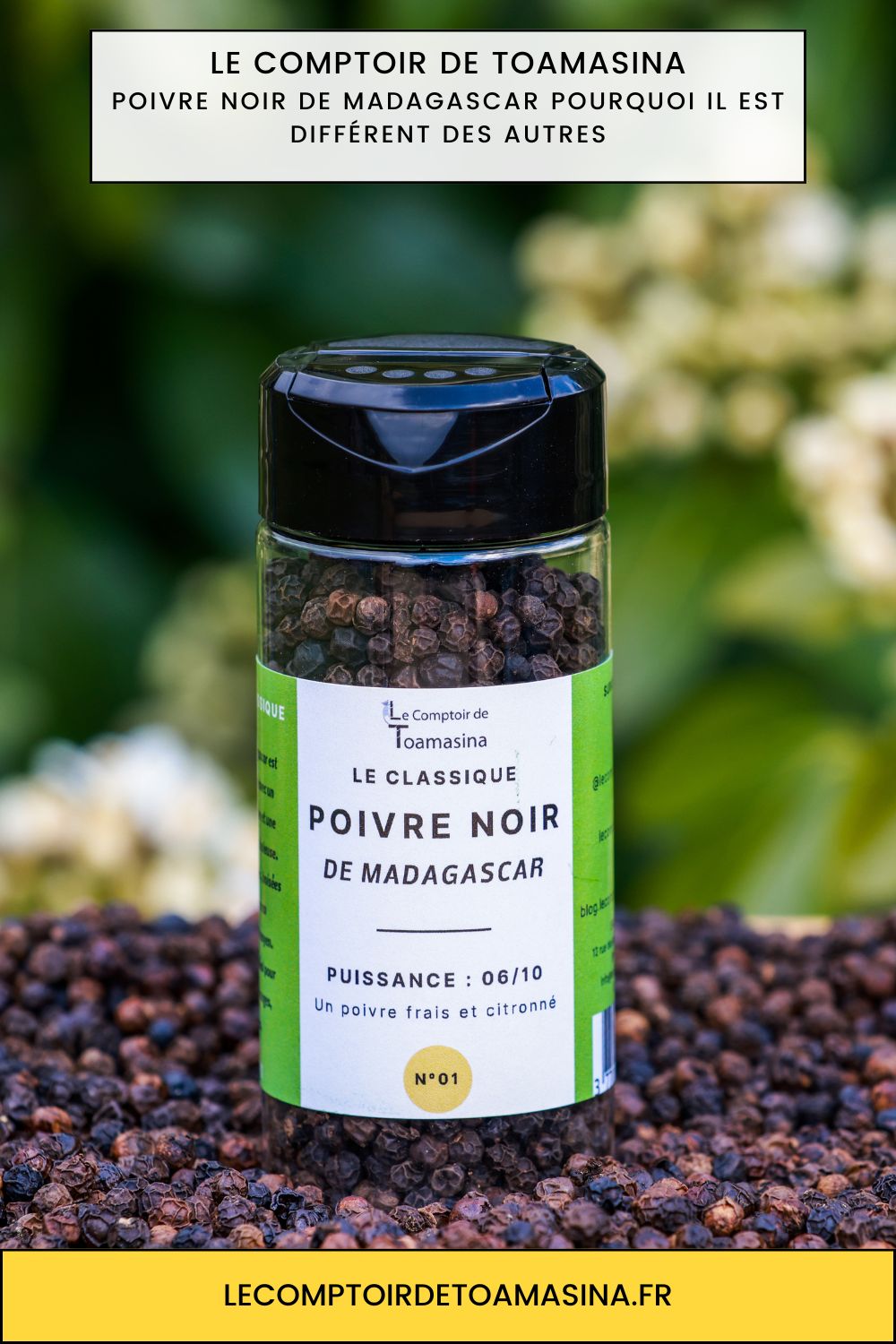
Whole peppercorns ground right before serving retain their full aromatic complexity.
Which pepper for which dish?
Peppercorns come in dozens of single-origin varieties, all harvested from the Piper nigrum vine or close botanical relatives. Color indicates harvest maturity and processing method:
Black Pepper
The most versatile, warm, and woody. Excellent on red meats, grilled dishes, rich sauces, and roasted vegetables.
White Pepper
Subtle, fermented, with the outer husk removed. Ideal for light sauces, fish, and creamy dishes where dark flecks are undesirable.
Long Pepper
Elongated spikes with sweet, warm, long-lasting flavor. Fantastic grated over braised dishes, curries, and desserts.
Voatsiperifery (Madagascar)
Wild vine pepper with fruity, floral, and woody notes. Our signature spice: sublime on meats, foie gras, and dark chocolate.
Explore My Whole Peppercorn Collection
From Madagascar black pepper to wild Voatsiperifery, discover exceptional single-origin peppercorns to grind fresh.
Shop All PeppercornsBeware of "Fake" Peppers: Sichuan, Pink, and Timur Berries
Botanically speaking, several popular spices sold as "peppers" belong to entirely different plant families:
- Sichuan Berry: Harvested from a citrus-family shrub, it produces a unique tingling, slightly numbing sensation on the tongue with citrus notes.
- Pink Berry: Sweet, floral, and resinous. Adds vibrant color and fresh notes to fish, carpaccio, and fruit salads.
- Timur Berry: A cousin of Sichuan pepper with a striking aroma of fresh grapefruit and passion fruit. Perfect on raw fish and ceviche.
Proper Pepper Dosing Guidelines
Pepper should complement flavors rather than overwhelm them. Aim for aroma over raw heat. Here are general benchmarks:
| Dish | Suggested Dosage | Recommended Pepper |
|---|---|---|
| Grilled Red Meat (per serving) | 2 to 3 turns of the mill after cooking | Black, Voatsiperifery |
| Cream Sauce (500 ml) | 1/2 tsp, off the heat | White |
| Raw Fish / Ceviche | A few crushed berries | Timur berry, Pink berry |
| Stew / Braised Dish (serves 4) | 1 tsp added near end of cooking | Long, Black |
| Chocolate Dessert | 1 light pinch grated | Voatsiperifery, Long pepper |
Pairing Pepper with Sweet Dishes
People often forget that pepper pairs brilliantly with desserts. Grated Voatsiperifery on chocolate ganache, a pinch of long pepper in berry compote, or pink peppercorns over fresh strawberries elevate sweet dishes with sophisticated complexity.
Mistakes That Ruin Your Pepper
- Boiling pepper for a long time: Prolonged heat destroys aromatic oils and leaves behind only harsh bitterness. Always add late.
- Buying pre-ground pepper: Pre-ground pepper loses its volatile essential oils within days. Stick to whole peppercorns.
- Storing near the stovetop: Heat and steam ruin fresh spices. Store in a cool, dry, dark pantry in airtight containers.
- Using one pepper for everything: Just like fine wine, every origin offers distinct flavor profiles for different pairings.
Frequently Asked Questions
Do black, white, and green peppercorns come from the same plant?
Yes. They all come from Piper nigrum berries harvested at different maturity stages and processed differently. Black is harvested maturing and dried; green is harvested young; white has its outer skin removed after soaking and fermentation.
Is Sichuan pepper a true pepper?
No, botanically it comes from the ash tree family (Rutaceae). It delivers a signature tingling sensation rather than traditional pepper heat.
How long do whole peppercorns stay fresh?
Stored in airtight containers away from heat and light, whole peppercorns retain their full flavor and aromatic potency for several years.
Key Takeaway
Always pepper at the end of cooking, grind fresh on demand, match pepper varieties to specific dishes, and distinguish true peppers from aromatic berries.