
Your cart
There are no more items in your cart
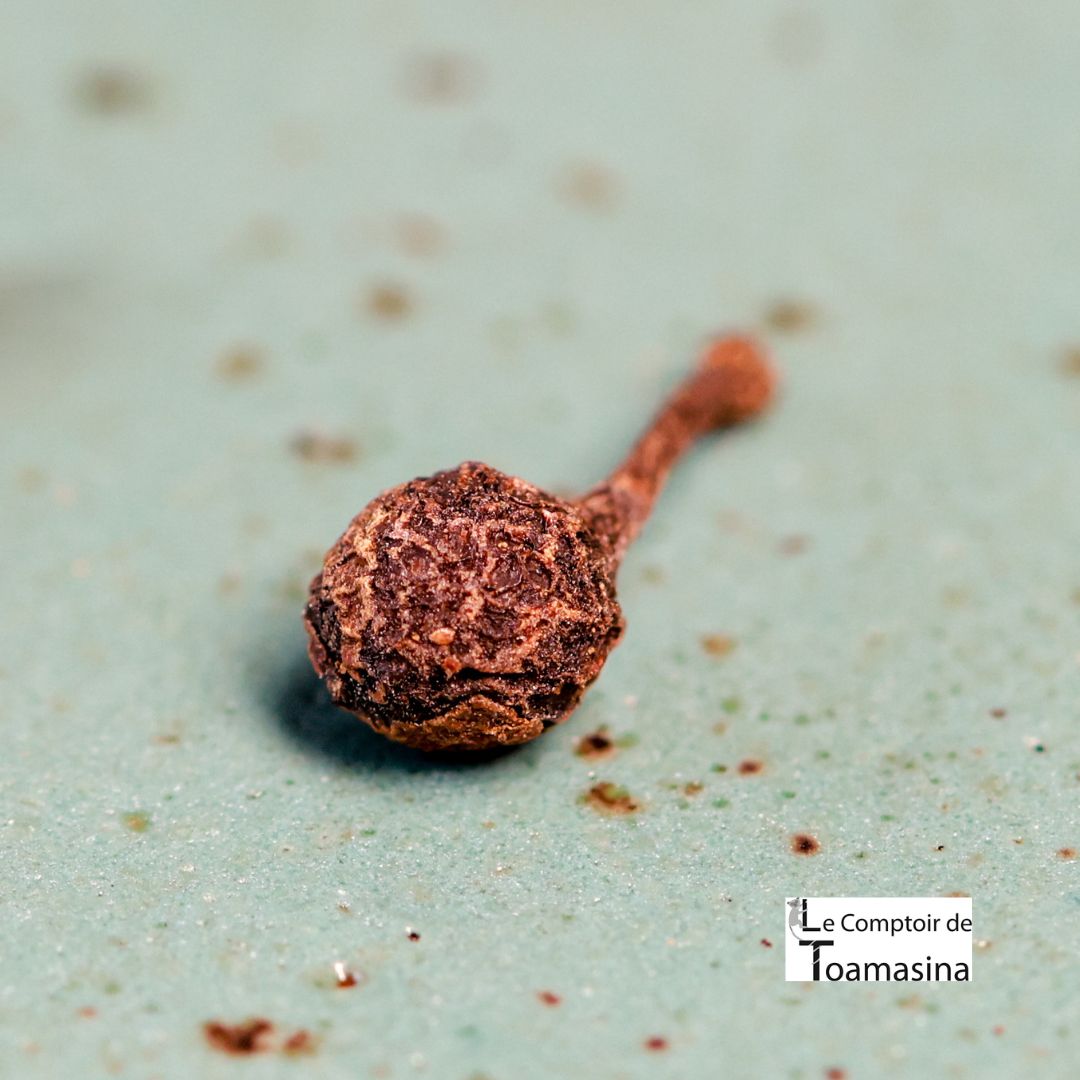
The essentials on the qualities of pepper
PiperineThe molecule of heat
200+Aromatic compounds in the grain
Millennial usePresent in kitchens since Antiquity
FreshnessThe first of the benefits, in whole grains
- Pleasure first: a fresh and powerful pepper transforms a dish, and savoring is a benefit in itself.
- A traditional spice: pepper accompanies meals and stimulates the appetite in many culinary cultures.
- Prudence and honesty: I do not attribute any treatment role to pepper; for health, only a professional can answer.
- In grains, always: freshly ground, pepper releases its essential oils all at once.
I am often asked this question at the counter, a peppercorn between my fingers: "Arnaud, besides the taste, what is it used for?" My answer is always the same: let's start with the taste, because it's already an immense benefit, then let's talk about the rest with caution. I am neither a doctor nor a pharmacist, I am a spice researcher who has spent years with the planters. So here is what tradition, the table, and common sense attribute to pepper, without miracle promises.
What gives pepper its strength?
The heat of the pepper comes mainly from one molecule, piperine. It is this that provides that warmth in the mouth, that tingling that awakens the palate. It is found in the shell of the grain, which explains why black pepper, dried with its casing, is more intense than white pepper. Alongside piperine, the grain contains a rich palette of essential oils that carry the aromas: woody, fruity, floral, or minty notes depending on the terroir.
What I observe in the field is that freshness changes everything. A freshly ground grain releases these compounds all at once, in an aromatic explosion. A powder bought months ago has let a good part of its oils evaporate. The first benefit of pepper, that of pleasure and aromatic power, directly depends, therefore, on its freshness.
What I won't say.
You will not find any promises of healing or weight loss here. Pepper is a spice of taste and tradition. For any health issues, especially in cases of particular sensitivity or ongoing treatment, the right reflex is to speak to a healthcare professional.
Piperine and essential oils are housed in the whole grain. Grinding them at the minute means enjoying them fully.
Why does pepper accompany meals so well?
In the traditional cuisine of many countries, pepper is present in almost all savory dishes. This omnipresence is no coincidence: pepper is reputed, in popular use, to pleasantly accompany meals and stimulate the appetite through its flavor. On a culinary level, it balances fat, enhances vegetables, and prolongs flavors.
I will remain cautious: I do not attribute any treatment virtues to pepper. What I can say is that in the traditions I have encountered, from Madagascar to Asia, pepper has always been considered a convivial spice, which stimulates the appetite and makes the meal more enjoyable.
What place does pepper hold in traditions?
In ancient cuisines, particularly in India where pepper comes from, the grain has always held a prominent place. It was integrated into spice blends, hot drinks, and comforting preparations. These traditional uses testify to the cultural value of pepper much more than medical proof, and that is how I present them: as an inheritance.
In Madagascar, I have seen pepper used in slow-cooked dishes, marinades, and fragrant infusions. This living heritage is part of well-being in the broad sense: that of cooking, sharing, and rediscovering comforting flavors.
| Type of pepper | Character on the palate | Recommended use |
|---|---|---|
| Black pepper | Powerful, woody, warm | Meats, slow-cooked dishes, sauces |
| White pepper | Milder, subtle | Fish, light sauces, purées |
| Green pepper | Fresh, vegetal | Creamy sauces, poultry |
| Red pepper | Ripe, fruity, round | Delicate dishes, finishing touches |
Why is pepper often paired with turmeric?
It's an association found in many cuisines and blends, like curry. Traditionally, pepper is paired with turmeric for the marriage of flavors, warm and earthy, and because this combination has been rooted in Indian culinary habits for a very long time. In terms of taste, pepper brings relief to the discreet sweetness of turmeric.
I stick to what I know: the gustatory marriage is a success and this alliance belongs to the heritage of spices. For any health-related questions, I refer everyone to a professional. My role is to provide you with exceptional spices and tell you how to combine them in the kitchen.
How does a good pepper change the dish?
I often do the experiment during tastings. I offer the same dish, once with an industrial pepper ground a long time ago, once with a terroir pepper ground in front of the guest. The difference is striking. The latter awakens flavors that the former crushed under a flat bitterness. That is the true immediate benefit: a quality pepper makes a dish more alive, more nuanced, more appetizing.
And eating with pleasure, taking the time to savor, choosing products that make sense, all this contributes to a more mindful way of feeding oneself. I deeply believe that the quality of what we put on our plates influences our relationship with the meal. A beautiful pepper invites you to slow down, to taste, to comment. It transforms a mechanical gesture into a little moment of daily gastronomy. Pepper, however modest it may be, plays its part in this search for what is good, and that is already a lot.
Which pepper to choose according to your tastes?
There isn't just one good pepper, but a family of characters. Some seek the power and frank heat of a robust black pepper, ideal on a grilled steak. Others prefer the finesse of a white pepper on delicate fish, or the fruity roundness of a red pepper as a finishing touch. My advice: start with a beautiful terroir black pepper, then gradually explore the other colors and rarer peppers like long pepper or cubeb. You will discover that peppering is not a reflex, but a choice, almost a cook's signature.
Arnaud Sion's opinion
"I am wary of speeches that make pepper a cure-all. Pepper is first and foremost a formidable ally of the table, and that is already enormous. A vibrant grain of freshness transforms an ordinary dish into a moment of pleasure, and the pleasure of eating well is a benefit in itself."
How to make the most of pepper's qualities?
The best way to enjoy pepper is to buy it in whole grains and grind it at the last moment. For slow-cooked dishes, add the pepper at the end of cooking to preserve its volatile aromas, as cooking for too long dissipates them. Store your grains away from light, heat, and moisture, in an airtight container.
Also vary the terroirs and colors. A black pepper from Madagascar will not say the same thing as a long pepper or a cubeb. This diversity transforms the mundane act of peppering into a true cook's choice. That is the whole spirit of our selection.
Key Takeaways
- The first benefit of pepper is pleasure: a fresh, powerful, and fragrant grain.
- Traditional uses enrich its history but are not health promises.
- For any health questions, only a professional can answer you.
Choose a pepper worthy of your dishes
Discover our whole peppercorns, selected from planters for their freshness and aromatic richness: our whole peppercorns.
Frequently Asked Questions (FAQ)
Does pepper help you lose weight?
No, you should not expect any slimming effects from pepper. It is above all a spice of taste. Its interest is to bring flavor, which can help in savoring simple dishes, but it does not replace a balanced diet or professional advice.
Is ground pepper as good as whole peppercorns?
No. Ground pepper quickly loses its essential oils and its heat. The whole grain, freshly ground, offers much more freshness, aromas, and character.
When to add pepper in cooking?
To preserve its aromas, add it towards the end of cooking or just before serving. Long cooking over high heat dissipates some of its volatile compounds.