
Your cart
There are no more items in your cart

Table of Contents
If I had to name the most unjustly forgotten pepper, I would undoubtedly choose long pepper. It is a spice that moves me, because it reigned over the kitchens of Antiquity before sinking into oblivion, eclipsed by black pepper, which was simpler to transport and grind. The first time I reintroduced it to a customer, they looked at me with that incredulous expression people have when faced with something beautiful and unknown. This guide is an invitation to this rediscovery.
What is long pepper?
Long pepper is a true pepper, a full member of the Piper family, just like black pepper. Its particularity is obvious: instead of a round grain, it comes in the form of a small elongated catkin, a sort of spike a few centimeters long made up of dozens of tiny fused seeds. It is grown mainly in India and in certain regions of Southeast Asia, on climbing plants similar to those of the classic pepper plant.
The catkin is harvested while still green, then dried until it takes on a dark brown, almost gray hue. This atypical shape often confuses novices, but it makes all its charm. You don't grind it like an ordinary grain: you grate it, break it, infuse it. It requires a little gymnastics in the kitchen, and it is precisely this special relationship that makes it endearing.
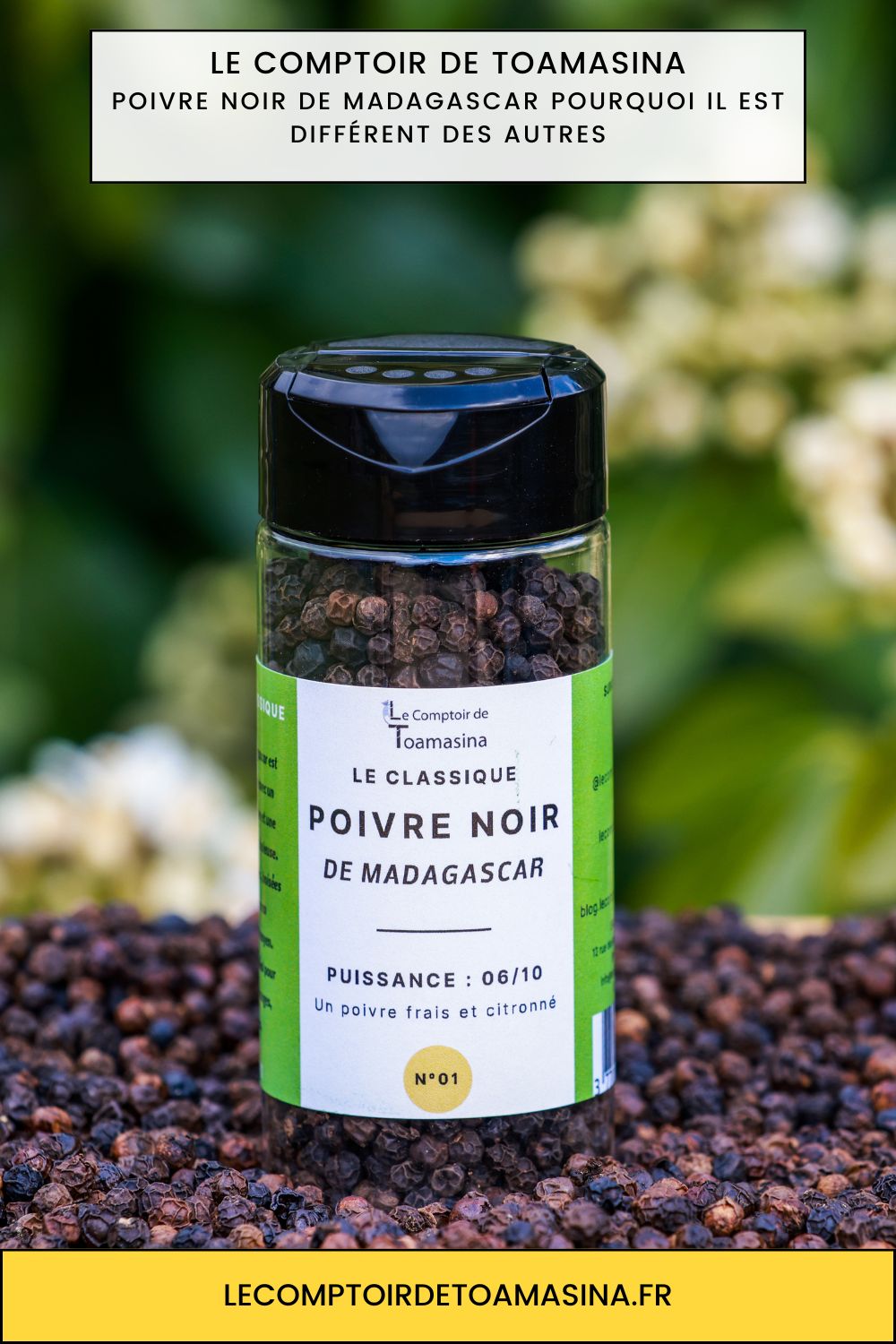
Among the true peppers of the Piper family, long pepper stands out with its elongated catkin shape.
Why did this spice disappear from our tables?
This is a story that says a lot about our habits. In Antiquity, long pepper was often more highly prized, and more expensive, than black pepper. The gastronomes of the time esteemed it for its aromatic complexity. Then trade routes evolved, the round grain of black pepper asserted itself through its simplicity, being easier to weigh, grind, and standardize, and long pepper gradually left European tables.
However, it never truly disappeared. It continued to live on in Asian cuisines and in certain traditions, before experiencing a beautiful resurgence of interest in recent years among chefs and curious enthusiasts. When I offer it at the counter, I see it as a form of justice rendered to a spice that had lost none of its value, only its visibility.
Arnaud's Take
Long pepper proves that a spice can be forgotten without ever ceasing to be great. It did not lose its quality; it lost its trendiness. Rediscovering it is reconnecting with the taste of the Ancients.
What does long pepper taste like?
This is where it reveals itself. Its heat is present but different from that of black pepper: it arrives more slowly, rises gradually, and settles deeply, with an enveloping warmth rather than a sharp attack. What truly sets it apart is the richness of its secondary notes. I perceive cocoa, gingerbread, an almost sugary sweetness, sometimes a touch of ginger and floral notes.
This complexity makes it a tasting pepper as much as a culinary companion, because its length on the palate allows for pairings that few other peppers can match. During my tastings, I have people try it right after a classic black pepper, and the contrast is striking. Where the black snaps and disappears, the long pepper unfolds and tells a story. It is a pepper for those who like to take their time.
The heat
Progressive and deep, a warmth that rises slowly rather than hitting right away.
The warm notes
Cocoa, gingerbread, and an almost sugary sweetness that surprises the palate.
The nuances
Touches of ginger and flowers that bring freshness to the whole.
The length
A remarkable persistence, which makes it a tasting pepper in its own right.
How to cook with it, in savory and sweet dishes?
Long pepper enjoys two approaches. The first, infusion: you break a catkin into a broth, a sauce, mulled wine, or custard, and let it gently diffuse its aromas before removing it, somewhat like a vanilla bean. The second, grating: using a fine grater (microplane), you grate the catkin directly over the dish right before serving, for an explosion of fragrances.
Its pairings are generous. It magnifies slow-cooked meats, game, dishes with sauces, and tagines. But it is in sweet cooking that it reveals its most surprising personality, over chocolate, a poached pear, applesauce, or homemade gingerbread, where its cocoa notes work wonders. Many adopt it first in savory dishes, and then dare not do without it in dessert. Because it is highly aromatic, it is used sparingly: half a grated catkin is often enough to flavor a dish for several guests.
| Method | Dish | What it brings |
|---|---|---|
| Infusing the catkin | Broths, mulled wine, custard | A slow diffusion of its cocoa and gingerbread notes |
| Grated with a microplane | Slow-cooked meats, game, tagines | A deep warmth that enriches saucy dishes |
| Grated as a finish | Chocolate, poached pear, compote | A sweet and surprising touch for dessert |
| Broken into pieces | Long marinades | A gradual infusion at the heart of the preparation |
How to bring it back into fashion?
Giving long pepper its rightful place is within everyone's reach. The easiest way is to start with an infusion, half a catkin in a cream or mulled wine, to tame its cocoa notes without risk. Once this first encounter is made, you can dare to grate it over meat, then make the big leap to dessert, where it surprises the most. It is by playing like this, step by step, that you make it your own.
- Keep the catkin whole and away from light: its shape naturally protects its aromas for many months.
- Only grate or break it right when you use it, never in advance.
- Dare to go sweet: this is where long pepper reveals its most astonishing signature.
- Dose with measure, because its depth quickly takes over a dish.
Key Takeaway
Long pepper is a true pepper in the shape of a catkin, with a warm profile of cocoa and gingerbread. Infuse it like vanilla or grate it freshly, in both savory and sweet dishes, and use with restraint.
Want to reconnect with the taste of the Ancients?
I select my peppercorns with the highest standards, to help you rediscover rare flavors like that of long pepper.
Discover my whole peppercornsA historical spice to put back on our tables
Giving back its place to long pepper means repairing a small injustice in the history of taste. This spice that enchanted the Ancients has everything to seduce today's cooks: a fascinating shape, a complex profile, a rare versatility between savory and sweet. It only needed a little light.
Start with a very simple infusion, let yourself be surprised by its cocoa notes, then dare to go sweet. You will understand why it holds a special place alongside my other whole peppercorns.
Your Frequently Asked Questions
Is long pepper a true pepper?
Yes, it is a species of the Piper family, like black pepper, but in the shape of an elongated catkin.
How do you grind it?
You grate it with a fine grater (microplane) or break it to infuse it. Its spike shape is not suitable for a classic pepper mill.
Savory or sweet?
Both. It magnifies slow-cooked meats and tagines, but also surprises on chocolate and poached fruits.
Does it keep well?
Very well, kept whole and away from light. Its catkin shape naturally protects its aromas.