
Your cart
There are no more items in your cart
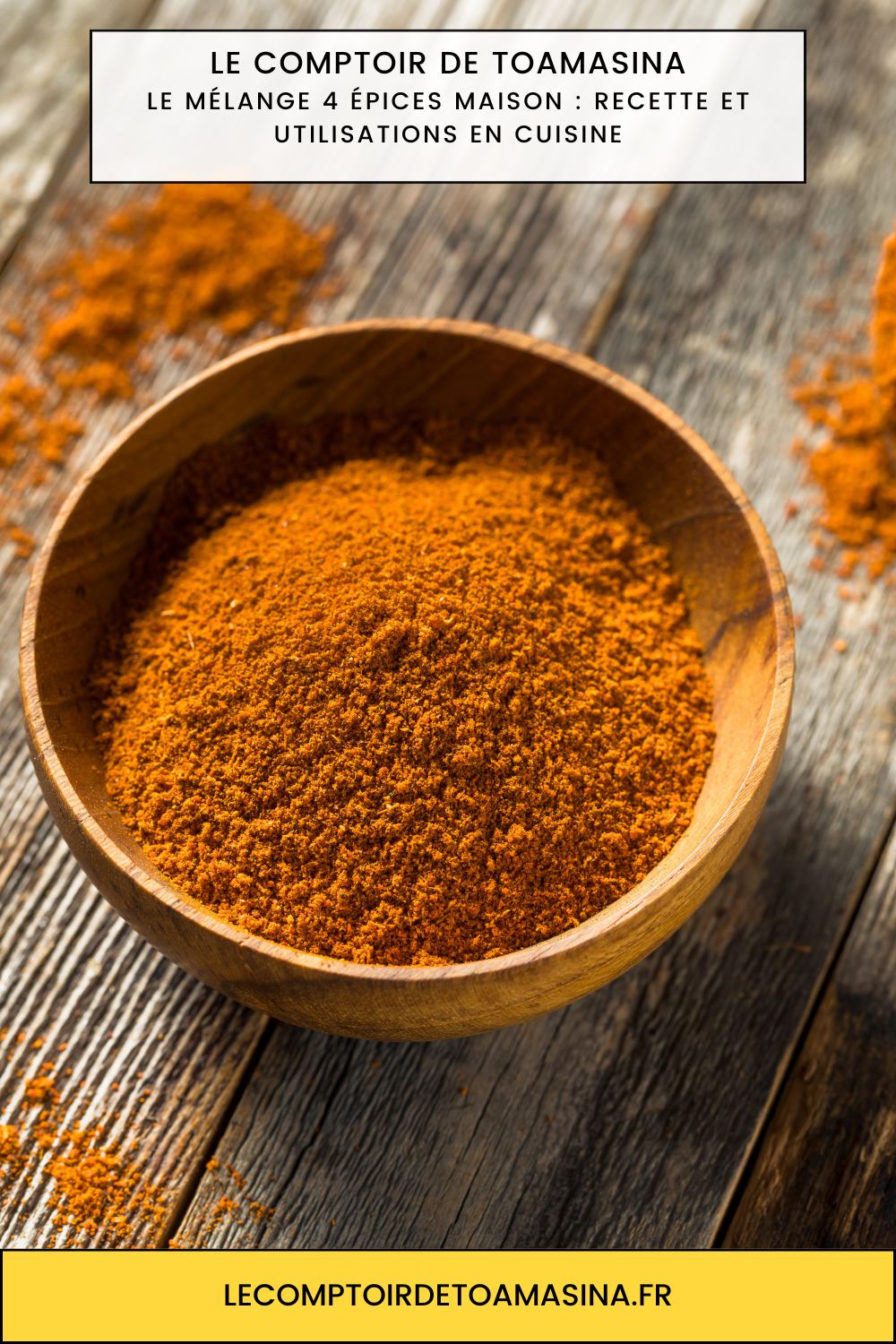
The first time I opened the spice cabinet of a chef friend in Antananarivo, I realized something I have repeated to my customers ever since: a great cook isn't defined by the number of jars they own, but by their choices. He had barely a dozen jars, but each was full, well-stored, dry, and used daily. Nothing sat forgotten at the back of a shelf.
When visitors enter my shop, they always ask: where should I start? It's easy to feel overwhelmed facing a wall of spices from across the globe. So I ask back: what do you cook most often? A well-stocked kitchen isn't a museum of novelties—it is a functional toolkit suited to how you eat.
Table of contents
Why a curated spice rack beats a massive collection
I often see kitchens crammed with impulse-bought spice jars opened once and forgotten. Yet spices aren't eternal. Once ground, essential oils rapidly dissipate. A cabinet with thirty stale jars leads to flat dishes, even when cooking with care.
My advice goes against hoard-culture: ten fresh, vibrant spices beat thirty stale ones. A fresh spice hits your nose the moment you open the container, colors food quickly, and carries vibrant warmth. That is the vitality I seek directly from growers in the field.
Arnaud's Take
In my kitchen, if a spice has lost its aroma, it goes to the compost. That isn't waste—it's respect for the food you serve. A good spice rack is one that gets refreshed.
Which spices form the true starter kit?
If I had to stock an empty kitchen tomorrow, here is what I would pick first. These versatile workhorses handle slow stews, roasts, and baking with equal ease.
Cumin
The backbone of global cuisine, from chili to roasted carrots. Lightly dry-toasted, it releases an irreplaceable earthy warmth.
Coriander Seeds
Sweet, citrusy, and mild, balancing cumin's rustic depth. The cumin-coriander duo is foundational across many cuisines.
Paprika
Color and sweetness. Sweet or smoked paprika adds rich body to sauces, eggs, and roasted vegetables.
Turmeric
The golden spice. A pinch brings warm earthy notes and vibrant color to rice, broths, and lentil soups.
Ceylon Cinnamon
The bridge between sweet and savory. I recommend delicate Ceylon cinnamon over harsher cassia varieties.
Ground Ginger
Convenient when fresh ginger root isn't on hand, ideal for baking, spice rubs, and marinades.
To this core list, I add nutmeg (grated fresh over purées and béchamel) and quality Madagascar vanilla beans for baking—the spice that started my journey back in 2010.

At the Zoma market in Antananarivo, I learned that vivid color and rich scent always reveal a spice's freshness.
Which peppercorns should you start with?
Pepper deserves its own spotlight. It is the most used spice, yet often the most neglected. Pre-ground pepper in shakers loses its volatile oils quickly. Real whole black peppercorns, ground right when serving, deliver woody, fruity, and bold notes depending on origin.
To start, choose a characterful black peppercorn and a milder white pepper for light sauces or fish. As your palate expands, try long pepper, Madagascar's wild Voatsiperifery, or mentholated Cubeb pepper. Note that Sichuan, pink peppercorns, and Timur berries are botanical berries rather than true Piper nigrum peppers.
Key Takeaway
Buy whole peppercorns and grind them as you cook. Freshly cracked pepper provides vastly superior flavor compared to pre-ground pepper.
Premade blends vs whole single spices?
Both have a place in cooking. A quality curry blend, ras el hanout, or four-spice blend saves time on busy weeknights. The problem lies with cheap industrial blends padded with salt, sugar, and fillers.
My advice: keep one or two trusted blends for convenience, but also keep the individual whole spices that compose them. This gives you full control to adjust and customize flavors to taste.
| Spice | Key Use | Pro Tip |
|---|---|---|
| Cumin | Stews, roasted vegetables | Dry-toast whole seeds before grinding |
| Turmeric | Rice, soups, curries | Pair with fats to unlock color and flavor |
| Paprika | Sauces, eggs, marinades | Add off the heat to avoid burning |
| Ceylon Cinnamon | Desserts, savory stews | Use sticks for infusions, ground for baking |
| Black Pepper | Everyday seasoning | Grind at the very last second |
How to build your spice cabinet on a budget
High-quality spices cost less over time because they are concentrated—you use less per dish, and they store better when purchased fresh. Buying small quantities regularly avoids letting large stocks go stale.
Start with the core essentials listed above, then explore one new single-origin spice every month. This approach builds a living, functional spice collection suited to your cooking style.
Build Your Essential Spice Rack
I select each spice at origin directly with trusted growers. Explore my collection at Le Comptoir de Toamasina.
Discover Spice StoreHow to spot quality spices at the counter
Use three senses when selecting spices: smell (fresh spices release a rich aroma immediately upon opening), sight (colors should be vibrant, not faded or dull), and touch (whole seeds should feel firm and free of excessive dust).
Always ask about origin and harvest season. Reliable spice purveyors know their sourcing chain and can share the story behind each batch.
My Spice Cabinet 15 Years Later
After fifteen years travelling between Madagascar, Brazil, and my shop counter, my own spice cabinet remains simple: whole peppercorns ground fresh, cumin and coriander seeds toasted as needed, vibrant turmeric, Ceylon cinnamon, and single-origin vanilla beans. True luxury lies in freshness and connection to origin.
- Opt for whole spices ground as needed.
- Replenish stocks regularly instead of hoarding.
- Trust your sense of smell above all else.
Frequently Asked Questions
How many spices do you really need for good cooking?
Around ten well-chosen spices cover almost all daily cooking needs. Additional spices can be added gradually based on curiosity and preferences.
Is it better to buy ground or whole spices?
Whole whenever possible. Grinding releases aromatic oils that dissipate quickly over time. Freshly crushing seeds makes a world of difference.
Do spices offer health benefits?
Spices have long been enjoyed in traditional culinary cultures for their rich aromas and flavor. Enjoy them primarily as a culinary pleasure.
If you keep one takeaway from this guide, let it be this: choose fewer spices, but make sure they are fresh and vibrant. Start small, smell, taste, and enjoy. Explore our full range at Le Comptoir de Toamasina and check out our whole peppercorn selection.