
Your cart
There are no more items in your cart
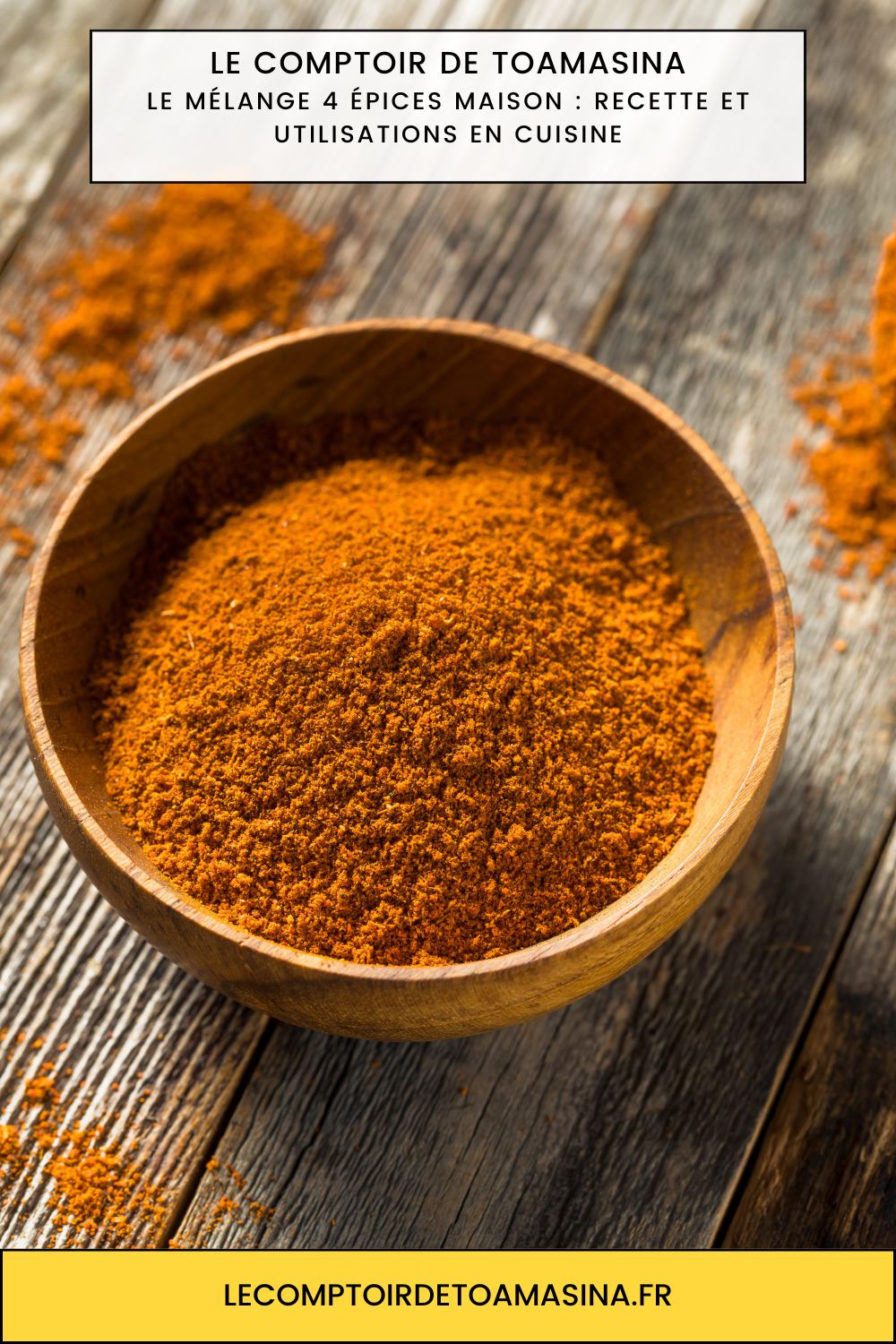
There is a scene I often recall. I am in a warehouse in Toamasina, on Madagascar's east coast, and the workshop master is showing me how he stores peppercorns: away from light, far from the door where humid ocean air creeps in, inside bags sealed tight. Nothing theatrical—just precise habits handed down through generations. That day, I realized storage isn't an afterthought; it's half the craft. A fine spice poorly stored becomes mundane within weeks.
Ever since, at Le Comptoir de Toamasina, I tell every customer the same thing: you can buy the finest wild Voatsiperifery pepper or delicate Ceylon cinnamon, but if left next to a hot stove in a loose jar, you'll have wasted your investment within a month. Here is everything you need to know about keeping your spices vibrant as long as possible.
Table of contents
Why do spices lose their aroma?
A spice's flavor resides in its essential oils—microscopic aromatic droplets tucked within seeds, bark, or berries. These volatile molecules readily escape into the air. Every time you open a jar, some aroma evaporates. Whenever heat rises, evaporation accelerates. Once gone, flavor cannot be recovered.
This is why whole spices always outlast ground spices. As long as a peppercorn or cinnamon stick remains whole, essential oils stay protected inside. Grinding dramatically increases surface area exposed to air, accelerating oil evaporation. My first rule: keep spices whole, grind as needed.
Arnaud's Take
I compare ground spice to unstoppered perfume. Left open on a warm, bright shelf, it fades away. Stored tightly sealed in a cool, dark spot, it retains its richness. Your spices deserve the exact same care.
What are the four main enemies of spices?
In the field, I learned to watch out for four primary elements that degrade spices. Knowing them makes protecting your collection easy.
Light
Fades color and breaks down aromatic compounds. A clear glass jar exposed to sunlight is the enemy of turmeric or paprika.
Heat
Accelerates essential oil evaporation. Storing spices directly above a cooking range is a widespread mistake.
Humidity
Causes powders to clump and promotes mold growth. Dipping a damp spoon into a jar is a common mistake.
Air
Oxygen oxidizes aromatic essential oils. Unsealed containers let fragrance slip away daily.
Remember these four words: light, heat, humidity, air. Good spice storage simply means keeping your collection away from these elements.

At the Zoma market in Antananarivo, experienced spice merchants always keep their stock shaded from tropical heat.
What containers should you store spices in?
The ideal container is airtight and opaque, or placed inside a dark cabinet. Tinted glass jars and metal tins work wonderfully because they block light. Clear glass jars work well too, provided they live inside a closed cupboard rather than on open counter shelves.
Avoid keeping spices long-term in open plastic bags, which let air and moisture leak in. Transfer them to a proper sealed jar upon opening. And never insert a damp spoon into your spice jars.
Key Takeaway
Airtight, opaque, dry: three rules for great storage. Transferring spices from open bags into well-sealed jars makes a world of difference.
Where should you place your spice cabinet?
This is where most home cooks make mistakes for convenience: storing spices right above the stove or next to the oven where heat and steam rise constantly. This is the worst location. Choose a cabinet positioned away from cooking surfaces in a cool, dry, dark area.
In small, warm kitchens, a closed drawer is an excellent option: it cuts out light, keeps jars organized, and stays cooler than upper wall cabinets where heat gathers. Keep your storage area away from sinks, kettles, and ovens.
Step-by-Step Storage Routine
1. Buy spices whole whenever possible.
2. Transfer into airtight, opaque containers.
3. Label containers with the opening date.
4. Store in a cool, dark, dry cabinet or drawer.
5. Grind only the amount needed right before cooking.
How long do spices actually last?
Dry spices don't strictly spoil or become unsafe—they simply lose flavor potency over time. Storage is about aroma retention rather than food safety. Here are practical freshness guidelines for properly stored spices.
| Spice Category | Recommended Shelf Life | Sign of Aging |
|---|---|---|
| Whole Spices (Seeds, berries, sticks) | 2 to 3 years | Aroma no longer bursts upon opening |
| Ground Spices | 6 to 12 months | Faded color, faint aroma |
| Ground Blends | Approx. 6 months | Flat, dull flavor |
| Whole Peppercorns | Multiple years | Dry, weak bite when ground |
Your nose remains the best judge. Rub a small amount between your fingers and smell: if the aroma hits instantly, it's fresh. If you must strain to smell anything, it's time to replace it.
Start Fresh with Single-Origin Quality
Proper storage begins with freshly sourced spices. I select every batch at origin directly with growers I know personally.
Explore Spice ShopShould you store spices in the refrigerator?
For dry spices, my answer is almost always no. Refrigerators are humid environments, and taking cold jars out into warm kitchen air causes condensation inside the container. Moisture is precisely what you want to avoid. A cool, dry pantry cabinet works far better.
Lessons from Madagascar Warehouses
In commercial spice warehouses, storage is tightly controlled to slow time down: shade, cool temperatures, controlled ventilation, and sealed packaging. You can easily replicate this discipline at home with simple, consistent habits.
- Keep away from direct heat and light sources.
- Always seal containers tightly; keep moisture out.
- Buy whole spices and grind right before cooking.
Frequently Asked Questions
Can you still cook with a spice that has lost its aroma?
It is perfectly safe, but it won't add much flavor. It's better to replace it, or use more of it knowing the result will be subtle.
Is freezing spices a good idea?
For dry spices, freezing introduces condensation risks similar to refrigeration. It can work for long-term bulk storage of tightly sealed whole seeds, but isn't ideal for daily use.
Should you discard clumped ground spice?
Clumping indicates moisture exposure. If it smells fresh and shows no mold, break clumps apart and use quickly. Discard immediately if mold is present.
Storing spices properly extends the journey they took to reach your kitchen. An airtight jar, a dark, cool corner, and whole seeds ground at the last second make all the difference. To refresh your collection, explore Le Comptoir de Toamasina, or check out our whole peppercorn selection.