
Your cart
There are no more items in your cart

Key Takeaways
- Arabica: The gold standard. Complex, smooth, and grown at high altitudes.
- Bourbon: Originating from the same island as Bourbon vanilla. Famous for chocolate and citrus notes.
- Robusta: Strong and punchy, containing twice the caffeine of Arabica.
- Geisha: Extremely rare and floral. Crowned Brazil's best coffee in 2018.
- Minas Gerais: The Brazilian state where I live. If it were a country, it would be the world's #1 coffee producer!
The Art of Coffee: From Brazil to Your Cup
I moved to Brazil in 2015 to join my wife, a neurologist. We settled in Minas Gerais. Living here means breathing coffee culture every day, as this state alone supplies a massive portion of the world's coffee.
Visiting local fazendas taught me to taste coffee the way I taste vanilla. The altitude, soil, and processing method shape the "terroir." Here are the 7 coffee beans you need to know.
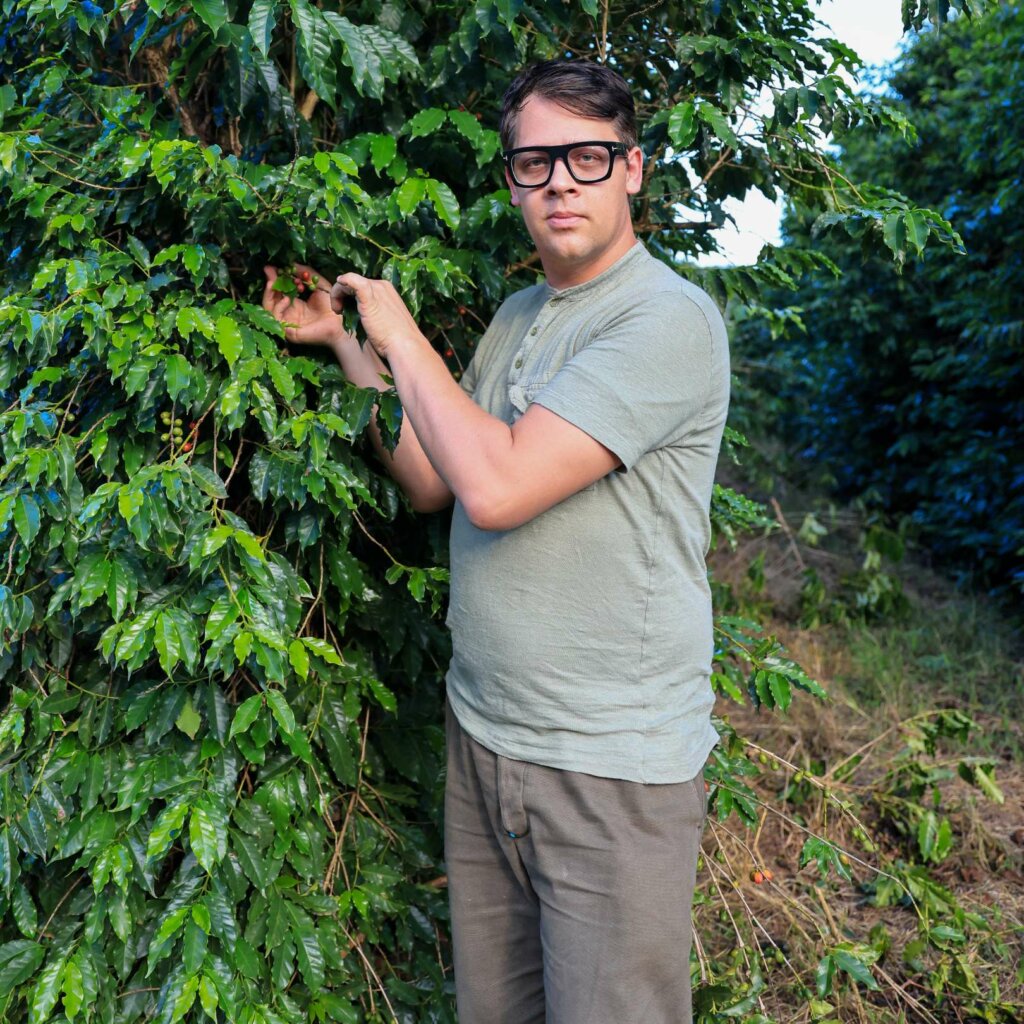
Arnaud Sion exploring a traditional coffee Fazenda in the mountains of Minas Gerais, Brazil.
The 7 Coffee Varieties
1
Arabica
- Origin
- Mountains of Ethiopia.
- Cultivation
- Thrives at high altitudes (above 800m). The higher it grows, the more complex the flavor.
- Profile
- Lower caffeine than Robusta, highly complex aromas with floral and fruity notes.
2
Bourbon
- Origin
- Bourbon Island (Reunion Island). Yes, the exact same origin as Bourbon Vanilla!
- Profile
- Low acidity, medium body, famous for its rich chocolatey and citrusy undertones.
- Variants
- Red and Yellow Bourbon (the yellow being slightly sweeter).
3
Acaiá
- Origin
- A natural 100% Brazilian mutation of the Mundo Novo bean.
- Profile
- Sweet, fruity, with a very balanced body. Often used to soften intense coffee blends.
4
Catuaí
- Origin
- Created in Brazil in 1949 by crossing Mundo Novo and Caturra.
- Market Share
- Accounts for nearly 45% of coffee planted in Brazil today.
- Profile
- Highly versatile. "Catuaí" means "Very good" in the native Tupi-Guarani language.
5
Robusta
- Origin
- West Africa (Congo).
- Profile
- Contains twice as much caffeine as Arabica. Heavy body, woody and bitter notes.
- Usage
- The backbone of instant coffee and the secret to thick "crema" in Italian espresso.
6
Geisha
- Origin
- Ethiopia, popularized in Panama.
- Profile
- Extremely delicate, floral (jasmine, black tea), and very expensive.
- Fun Fact
- In 2018, a Geisha grown in my home state of Minas Gerais won the Cup of Excellence for Best Brazilian Coffee.
7
Kona
- Origin
- Hawaii, USA.
- Terroir
- Grown in rare volcanic soil.
- Profile
- Velvety smooth with tropical fruit and nutty flavors.
| Coffee Bean | Origin | Dominant Profile | Caffeine Level |
|---|---|---|---|
| Arabica | Ethiopia | Complex, Floral | Moderate |
| Bourbon | Indian Ocean | Chocolate, Citrus | Moderate |
| Acaiá | Brazil | Sweet, Balanced | Moderate |
| Catuaí | Brazil | Versatile, Rich | Moderate |
| Robusta | Central Africa | Strong, Bitter | High (x2) |
| Geisha | Panama | Jasmine, Black Tea | Moderate |
| Kona | Hawaii | Velvety, Nutty | Moderate |
Summer is Coming: The "Fit" Iced Coffee
When temperatures rise in Brazil, hot espresso makes way for cold extractions. We have crafted a special guide for those who want refreshment, coffee, and fitness in one glass.
Our 8 Healthy Iced Coffee Recipes
Discover how to make sugar-free, protein-packed iced coffees. Perfect for a pre-workout boost or a guilt-free summer afternoon.
 View All Recipes
Expert Tip
If you want to truly compare two coffee origins, always grind them fresh and use the exact same brewing method and water temperature. This is the only way to taste the true signature of the bean's altitude and terroir.
Explore the Flavors of the World
Discover our vanilla, spices, and superfoods sourced directly from Brazil and Madagascar.