
Your cart
There are no more items in your cart
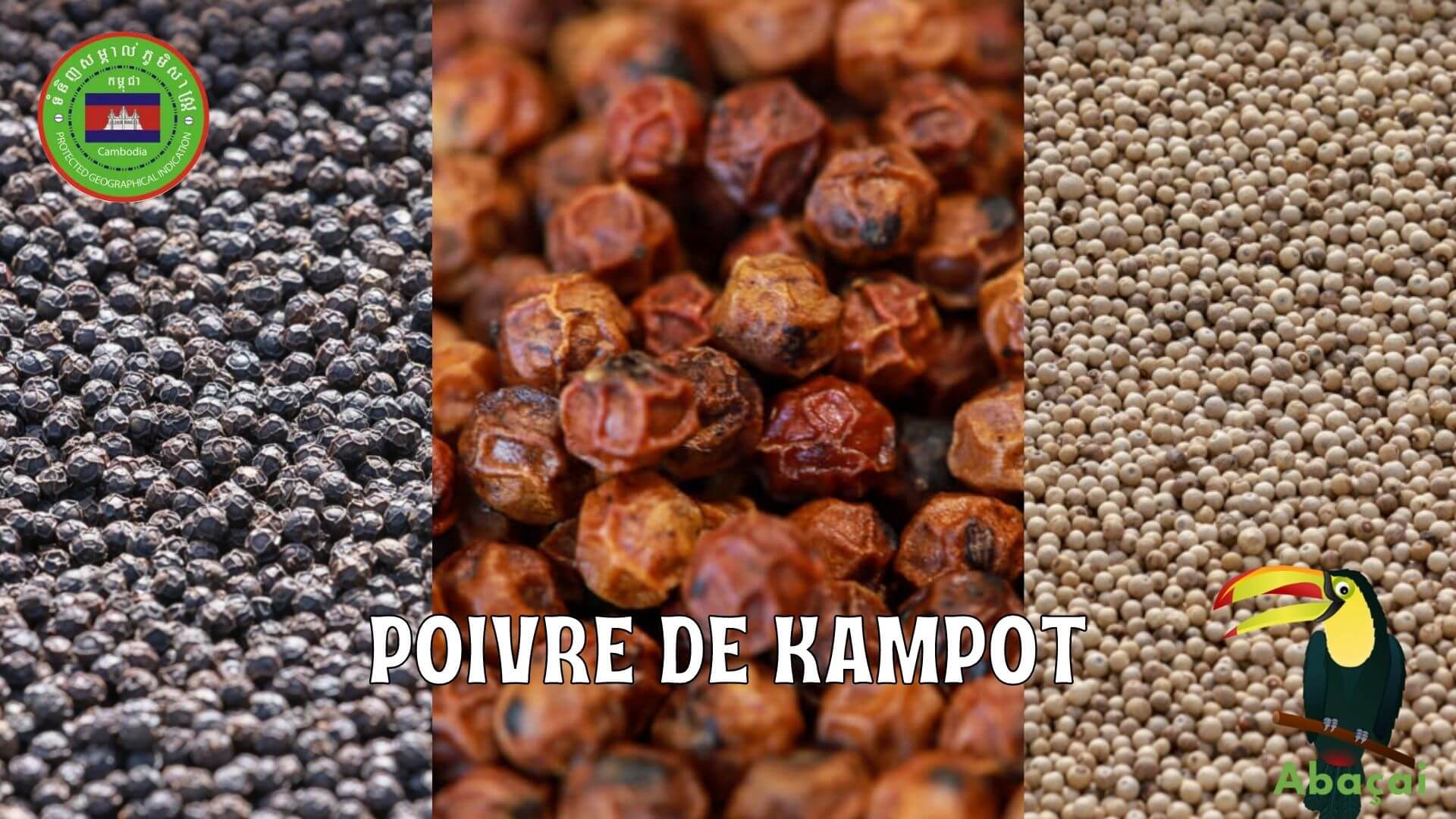
Key Takeaways
- True Botanical Pepper: Harvested from the Piper nigrum vine exclusively in Kampot and Kep provinces in southwestern Cambodia.
- Saved From Extinction: Cultivated since the 13th century, prized during the French colonial era, nearly wiped out in the 1970s, and revived in the 21st century.
- PGI Certified: Granted Protected Geographical Indication in Cambodia in 2010 and recognised by the European Union in 2016.
- 4 Varieties: Black (fresh, minty), Red (fruity, sweet, cherry/caramel notes), White (delicate, refined), and Green (fresh, citrusy).
- Handcrafted Process: 100% hand-picked, sorted berry by berry, and sun-dried by local family farms.
What Makes Kampot Pepper Unique?
Kampot pepper is a variety of Piper nigrum, the exact same species as classic black peppercorns. However, its distinction comes from an extraordinary terroir, sea breezes, and ancestral hand-sorting techniques.
Rather than a harsh burn, Kampot pepper delivers a nuanced, balanced palate revealing notes of mint, eucalyptus, fresh flowers, and bright citrus.
An Exceptional Terroir Between Sea and Mountains
Kampot pepper thrives in the quartz-rich, lateritic soils of Kampot and Kep provinces, nestled between the Gulf of Thailand and the Bokor mountain range.

Hand-sorted Kampot peppercorns exhibiting uniform size and rich essential oils after sun drying.
History & PGI Protection
With records dating back to 1296 AD, Kampot pepper experienced a golden age in the 19th century. After total destruction in the 1970s under the Khmer Rouge regime, local farming families painstakingly revived the vines in the 2000s.
In 2010, Kampot pepper became the first Cambodian product to earn PGI status, officially recognised by the EU in 2016. It remains one of only three PGI-protected peppers in the world alongside Penja and Sarawak.
The 4 Colors of Kampot Pepper
- Black Pepper
- Harvested just before full ripeness and sun-dried. Features minty, eucalyptus, and floral notes. Excellent on steaks, game, and stews.
- Red Pepper
- Harvested at peak maturity when berries turn bright red. Rare and sweet, offering cherry, honey, and caramel aromas. Perfect for poultry, fish, and dark chocolate desserts.
- White Pepper
- Made from soaked ripe red berries with husks removed. Delicate and floral, ideal for white fish and light sauces.
- Green Pepper
- Fresh young berries picked early. Highly herbal and citrusy, traditionally eaten fresh locally in Kep crab dishes.
| Feature | PGI Kampot Pepper | Standard Black Pepper |
|---|---|---|
| Botanical Source | Piper nigrum (Certified origin) | Piper nigrum (Blended origins) |
| Geographical Origin | Kampot & Kep provinces only | Unspecified or industrial bulk |
| Harvest & Sorting | 100% hand-picked and hand-sorted | Mechanical or bulk sorting |
| Certification | Cambodia PGI (2010) & EU PGI (2016) | None |
Arnaud Sion's Serving Tip:
Always grind whole Kampot peppercorns directly onto your plate right before serving to preserve delicate essential oils.
Explore Our Single-Origin Peppercorns
Certified single-origin peppercorns carefully curated by Le Comptoir de Toamasina.
FAQ — Frequently Asked Questions
Is Kampot pepper true pepper?
Yes, it comes from the authentic Piper nigrum vine.
What does the PGI label guarantee?
Strict geographic origin, sustainable farming practices, hand harvesting, and independent quality audits.