• New
Whole Wild Assam "Blackberry" Pepper Clusters

Whole Wild Assam "Blackberry" Pepper Clusters

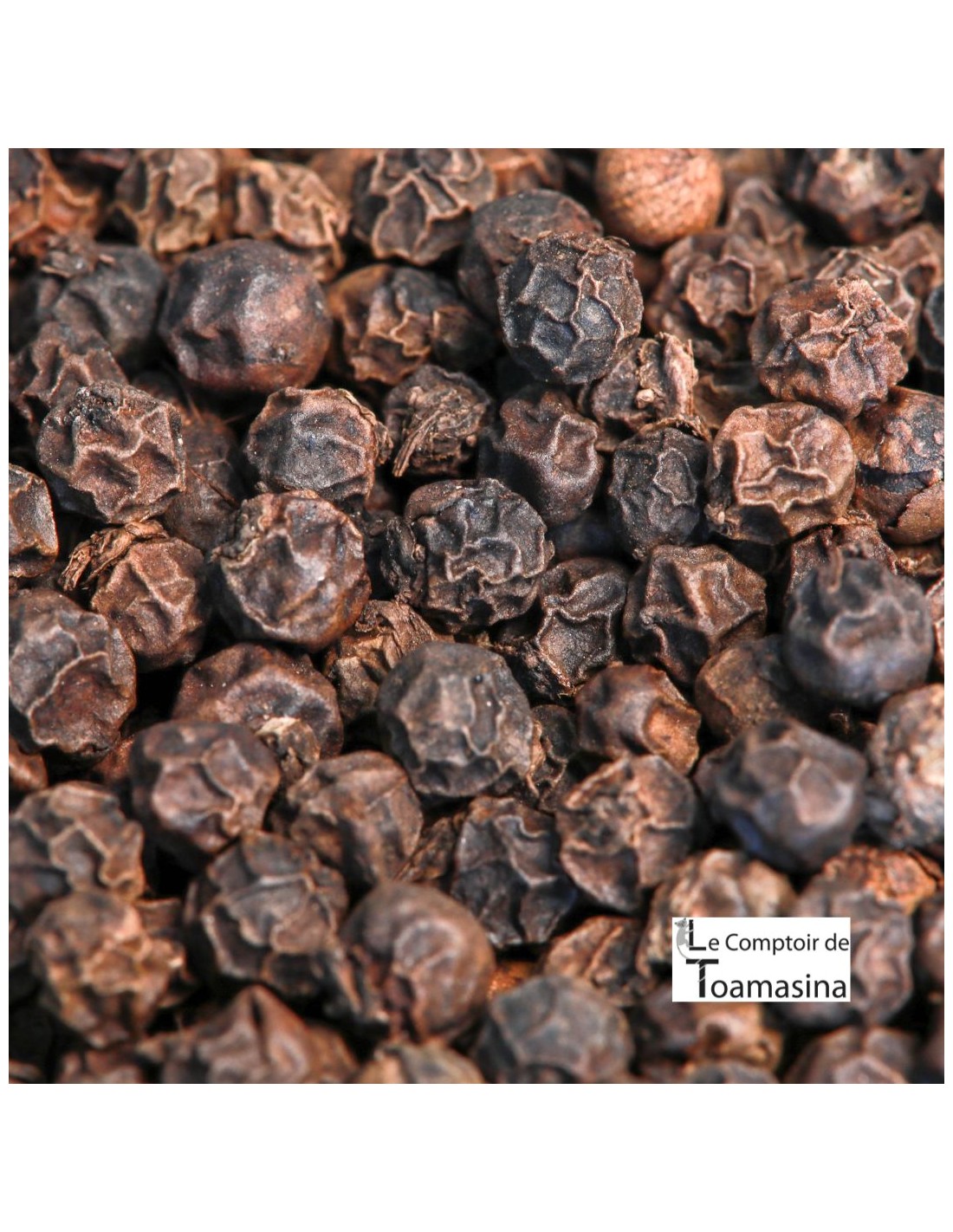
Discover the wild Assam "blackberry" pepper, an exceptional black pepper that surprises with its unique shape of small, whole clusters resembling delicate wild blackberries. Hailing from the lush and fertile soils of northeastern India, this rare spice delivers remarkable aromatic depth and striking visual elegance to elevate your creative cooking.

A true natural treasure, this pepper is not cultivated on plantations but comes from a selective wild harvest deep within the humid forests of the Assam region. Only the perfectly ripe clusters are hand-picked by local smallholders before being gently wood-fire dried. This traditional method ensures a high, consistent quality and an unmistakably intense character that sun-drying cannot achieve.

On the nose, this fascinating sub-species of long pepper reveals warm, deeply smoky aromas supported by a discreet sweetness. On the palate, its mild heat builds slowly, accompanied by a delightful, slight tingling sensation. It works wonders infused whole in slow-cooked stews and game dishes, or coarsely crushed in a mortar to enhance your BBQ meats, rustic burgers, and rich dark sauces.

  • Pepper Strength: 4/10 (Mild, slow-building heat)
  • Main Notes: Warm, sweet, and distinctly wood-smoked
  • Uses: Grilled meats, slow-cooked dishes, game stews, and dark sauces
  • Origin: India (Assam Region)
  • Format: Whole clusters

This Assam "blackberry" pepper stands out with a complex profile where natural fruity sweetness meets a bold, smoky character. It brings a touch of originality and unforgettable flavors, beautifully complementing both your hearty rustic recipes and your most refined gourmet creations.

Take your taste buds on a journey and experience the exceptional quality of this wild harvest, carefully selected by Le Comptoir de Toamasina.

Packaging
€7.95


Wild Assam Pepper
« Kamarupa Blackberry » Whole

« A wild-gathered pepper from North-East India, in small black clusters that look like miniature blackberries. On the nose, smoke and forest floor; on the palate, dark fruit, a hint of citrus and a gentle tingle on the tongue. Barely hot, deeply aromatic: a chef's pepper. »

North-East India Wild-gathered Smoky · Forest floor

A unique shape

Compact clusters shaped like a tiny blackberry. Crushed, they reveal minuscule black seeds, like sesame.

Aroma before heat

Smoky, earthy, fruity: the heat stays discreet so the aromas can speak, with a gentle tingle on the finish.

The pepper for game

It is at its best on red meat, game, duck and oily fish.

Wild Assam pepper is unlike any other pepper in my collection. It doesn't come as round grains, nor as long spikes like long pepper, but as small, compact black clusters, about a centimetre long, that look like a miniature wild blackberry. That is where its trade name, « Kamarupa Blackberry », comes from.

Botanically, it is Piper mullesua, a cousin of long pepper. It grows as a climbing vine in the humid forests of the Himalayan foothills of North-East India, where it is gathered in the wild: it is not grown on plantations. The clusters are picked ripe, then sun-dried, which gives them their dark colour and part of their smoky notes.

In the kitchen, it is a pepper of aroma rather than strength. Its smoky, earthy nose, almost like a forest floor, reminds some people of a smoked black tea or a Japanese broth. On the palate it is gentle, with dark fruit, a touch of citrus on the finish and a light tingle on the tongue, like a very mild version of Sichuan pepper. I offer it in a 50 g jar to discover it, a 200 g bag for regular use, and by the kilo for professionals.

Comparative Sensory Analysis

Assam vs Voatsiperifery vs Long pepper

Our tasting profile: three rare peppers, three characters

Heat
Smoky
Forest floor · Earthy
Fruity · Citrus
Tingle
Wild Assam pepper
Voatsiperifery
Java long pepper

Two wild peppers, two worlds: Madagascar's voatsiperifery is the freshest, all citrus and pale wood. Long pepper, its botanical cousin, is the hottest. Assam pepper is the darkest of the three: smoky, earthy, with dark fruit and that gentle tingle that is all its own.

Assam · Voatsiperifery · Long pepper

The Taste Pyramid of Assam Pepper

How its aromas unfold, from the nose to the finish

ATTACK Smoky · Forest floor HEART Dark fruit · Gentle warmth BASE Hint of citrus · Light tingle

Technical sheet

What you receive

  • Botanical namePiper mullesua
  • OriginNorth-East India
  • IngredientsWild Assam pepper
  • FormWhole clusters shaped like a small blackberry
  • Strength4/10 — discreet heat
  • Main notesSmoky, forest floor, dark fruit, hint of citrus
  • UseCrushed in a mortar or spice grinder, at the end of cooking
  • StorageDry, away from light and heat
  • AllergensNone
  • Preparation / DeliveryPrepared within 24h - Delivered within 48h

Arnaud's view on this pepper

I select my peppers in France, from my importer. When I opened my first bag of Assam pepper, I thought at first there had been a mistake: these small black clusters look more like dried berries than pepper. Then the aroma rose, smoky, earthy, almost like a forest after rain. That nose is the first thing I check on every batch. A good Assam pepper should smell of smoke and forest floor as soon as you open it, with whole clusters, deep black and dry.

I added it to my range of rare peppers because it brings something my other peppers don't have: a dark depth, without aggression. My tip to discover it: crush three or four clusters in a mortar and scatter them over a piece of beef or a freshly seared duck breast. You'll understand right away why chefs pair it with game.

Kamarupa, land of the Brahmaputra

The name « Kamarupa Blackberry » goes back to the region's history. Kamarupa is the ancient name of Assam: a kingdom that ruled the Brahmaputra valley for centuries, whose name already appears in 4th-century inscriptions. Today, Assam is a state in North-East India, linked to the rest of the country by a narrow corridor between Nepal, Bhutan and Bangladesh.

The region is best known for its tea. It was in Assam that the British identified, in the 1820s, tea plants growing in the wild, the starting point of the great plantations that made it famous. The humid forests of the nearby hills are also home to many wild aromatic plants, including this pepper, which local communities have long gathered for their own cooking.

Here, the name « Assam » refers more broadly to North-East India: depending on the supply chain, this pepper is also gathered in neighbouring states such as Arunachal Pradesh. It has only recently reached Europe, and it remains a rare pepper, found mostly at specialist spice merchants and on chefs' tables.

How to use it

  • Crush it just before use: in a mortar, or in a spice grinder. The compact clusters don't pass well through a small standard pepper mill.
  • At the end of cooking: its smoky aromas are delicate. Add it off the heat or directly on the plate.
  • The right amount: 3 to 4 crushed clusters per portion, about half a teaspoon.
  • Pairings: game, beef, lamb, duck, pigeon, oily fish (salmon, mackerel), mushrooms, terrines and red wine sauces.
  • To try it in desserts: a pinch on a dark chocolate fondant or a red fruit compote.

Recipe ideas

Duck breast with Assam pepper

Score the skin of a duck breast in a criss-cross pattern, cook skin-side down for 8 minutes over medium heat, then 3 minutes on the flesh side. Rest for 5 minutes. Deglaze the pan with a dash of balsamic vinegar and a spoonful of honey. To serve, sprinkle with crushed Assam pepper and flaky sea salt.

Beef fillet, red wine sauce

Reduce 250 ml of red wine with a shallot by three quarters, add 100 ml of veal stock, then whisk in butter. Off the heat, add a teaspoon of crushed Assam pepper and spoon over the seared fillet.

Pan-fried wild mushrooms

Sauté mushrooms in butter with a clove of garlic, parsley and salt. Finish with a few crushed clusters: the pepper's forest-floor side extends that of the mushrooms.

Dark chocolate fondant

Add a small pinch of finely crushed Assam pepper to your usual fondant batter. The smoky notes go beautifully with cocoa, without any heat.

Frequently asked questions

Is Assam pepper hot?
Only slightly. Its heat is discreet and leaves room for smoky, earthy and fruity aromas. It also gives a light tingle on the tongue.
How is it different from long pepper?
They are botanical cousins. Long pepper forms elongated, hot spikes; Assam pepper forms short blackberry-shaped clusters that are smokier and much less hot.
Can it go in a pepper mill?
The clusters don't pass well through a small standard mill. Use a mortar or a spice grinder.
What should I serve it with?
Game, red meat, duck, oily fish, mushrooms, red wine sauces and even dark chocolate.
Why is it called « Kamarupa Blackberry »?
Because of its small blackberry shape, and because Kamarupa is the ancient name of Assam, in North-East India.
Which format should I choose?
The 50 g jar to discover it, the 200 g bag for regular use, and the kilo for professionals and keen cooks.

« A dark, aromatic wild pepper: smoky, forest floor, dark fruit, barely hot. »

Discover our rare peppers

Piper mullesua · North-East India · 50 g jar, 200 g bag or kilo · Selected by Arnaud Sion

No reviews