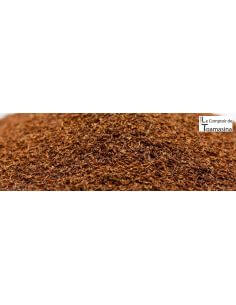
Ras el Hanout – The "King of Spices" – Buying, Uses, and Recipes
"I would like to introduce you to my Ras el Hanout, a spice blend that is truly the soul of Maghreb cuisine and, above all, the most captivating blend to transform your slow-cooked dishes, from starter to dessert."
Total Versatility
Goes with everything: couscous, tajines, sweet and savory dishes, game meat, and even in desserts like an orange salad.
Captivating Flavor
Warm, smooth, and complex. A blend that is not naturally spicy-hot, but powerful in aroma, ideal for the whole family.
Authentic Recipe
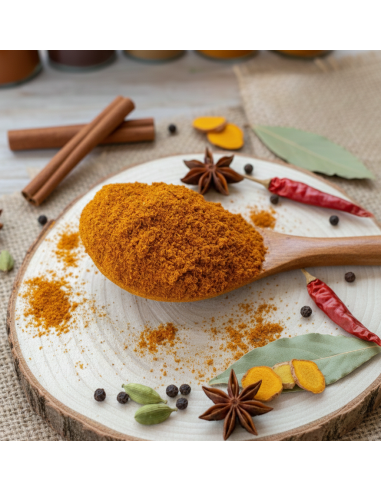
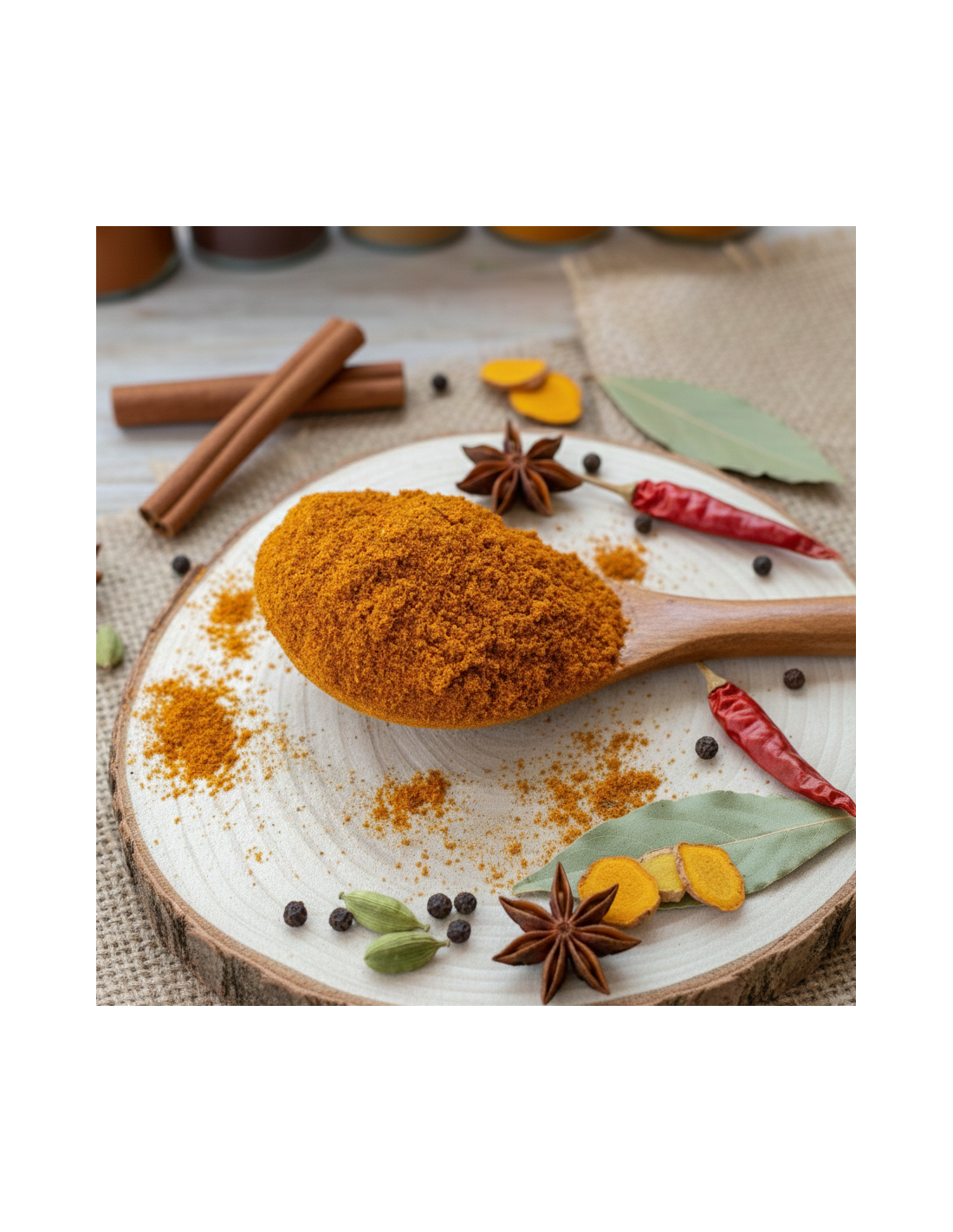
A noble blend: cardamom, nutmeg, cinnamon, ginger, cloves, rosebuds, and much more.
We can say that the famous Moroccan blend, the "Roof of the Shop," goes well with absolutely everything. On my blog, you will discover incredible recipes like the traditional Mrouzia or modern creations. You will be able to use Ras el Hanout in many ways: in a dish simmered for hours, as a marinade for grilled meats, or to flavor a stuffing.
When cooking in the Apogée Bar kitchens, I like to roast the powder over high heat for a few seconds, add oil or smen (aged clarified butter), mix, then add onions and finally a beautiful lamb shank or root vegetables. This is the secret to releasing the essential oils.
What is Ras el Hanout?
Ras el Hanout, literally "the head of the shop" or "the boss of the shop," is the supreme spice blend of North Africa. It is used to flavor couscous, tajines (especially those with prunes and almonds), game dishes, rice, and pastillas. In France, who doesn't know the Royal Couscous? Its use is festive and convivial.
Contrary to popular belief, there is no "single" recipe for Ras el Hanout. It is a composition that varies according to regions, families, and the expertise of the spice merchant.
What is Ras el Hanout composed of?
As you know, Ras el Hanout is a complex aromatic spice blend, a pillar of Morocco's imperial gastronomy. It can contain from 7 to over 50 different spices! This traditional blend often includes:
- "Warm" ingredients: ginger, nutmeg, black pepper, cinnamon, mace, galangal, grains of paradise (maniguette), allspice.
- Floral notes: dried rosebuds, lavender.
- Color and Earth: turmeric (golden hue), sweet pepper, or paprika.
Each of these elements contributes to the magic of Ras el Hanout, offering aromas of flowers, wood, and sun-warmed earth. In the Maghreb, it is said that every spice merchant has their own Ras el Hanout, made with the best spices available in their stall.
What does Ras el Hanout taste like?
Comptoir de Toamasina's Ras el Hanout offers a powerful nose of cinnamon and cardamom, with subtle floral notes in the background. On the palate, it is warm, round, and smooth.
It is not a blend that "stings" (unless hot chili is added), but rather a blend that "warms" the palate. It will wonderfully accompany your red meats, game, and sweet-and-savory stewed dishes. It will also seduce you in sweet versions, in oriental pastries, or sprinkled over cooked fruits.
How to use Ras el Hanout
Ras el Hanout can be intimidating, but it is very simple to use. Here are some tips:
- Dosage: It is a powerful blend. Count about 1 to 2 teaspoons for a dish for 4 people. Taste and adjust.
- Cooking: To fully release its aromas, it is highly recommended to sauté the Ras el Hanout in fat (olive oil, butter) with the onions at the very beginning of cooking. This is called "blooming the spices."
- Pairings: Ras el Hanout is the king of sweet and savory. It pairs divinely with honey, dried fruits (apricots, prunes, raisins), almonds, as well as strong meats like lamb, mutton, or pigeon.
Inspirations, ideas, and recipe suggestions
Ras el Hanout isn't just for couscous! A classic way is to incorporate it into Mrouzia, that lamb confit with raisins and honey. By adding a pinch to your oven-roasted vegetables (carrots, squash), you will give them an instant oriental dimension.
You can also sprinkle Ras el Hanout into the cooking water of your rice or quinoa. For a creative experience, mix it into softened butter to brush over poultry, or integrate it into shortbread dough.
- Lamb skewers marinated in Ras el Hanout and honey
- Duck Parmentier (Shepherd's Pie) with sweet spices
- Chicken and almond Pastilla
- Glazed carrots with cumin and Ras el Hanout
- Orange salad with cinnamon and orange blossom
- Veal stew with olives and preserved lemon
Recipe Ideas with Ras el Hanout
I would like to propose 8 easy-to-make recipes:
- Lamb Tajine with Prunes: Simmer lamb shoulder with onions and Ras el Hanout (1h30). Add prunes and honey 20 min before the end. Serve with almonds.
- Royal Vegetable Couscous: The indispensable base for the broth with tomato concentrate, turnips, carrots, zucchini, and chickpeas.
- Moroccan Keftas: Mix ground beef, cilantro, mint, cumin, and Ras el Hanout. Cook the meatballs in a tomato sauce.
- Roasted Butternut Squash: Coat squash cubes with olive oil and spices. Bake for 30 min at 200°C (400°F).
- Chicken with Olives and Preserved Lemon: Brown the chicken, add onions, garlic, ginger, and spices. Finish with preserved lemon and purple olives.
- Harira Soup: A hearty soup (lentils, chickpeas, tomatoes, meat) intensely flavored with Ras el Hanout and turmeric.
- Grill Marinade: Mix yogurt, lemon, garlic, and spices. Marinate chicken or fish before barbecuing.
- Oriental Carrot Salad: Steamed carrots with an olive oil/orange juice vinaigrette, cumin, Ras el Hanout, and cilantro.
Ras el Hanout and its history
The history of Ras el Hanout is inseparable from that of souks and caravans.
In Arabic, "Ras el Hanout" literally means "The Head of the Shop." This implies that the spice merchant selected "the head," meaning the very best of his products, to compose this blend.
Traditionally, the recipe was passed down from father to son. It was the spice of Sultans and major festivals like Eid al-Adha. While the blend originates from Morocco, variations are found throughout the Maghreb. Today, it has conquered fine dining for its ability to bring warmth without burning the palate.
Do not confuse Ras el Hanout, Cumin, and Spigol
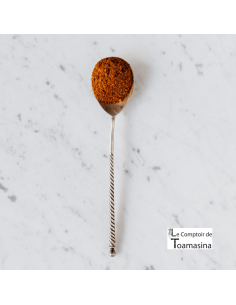
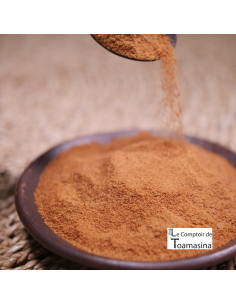
- Ras el Hanout: Complex blend (brown-red/ochre). Very fragrant, dominant notes of cinnamon/cloves.
- Cumin: Pure spice (seed). Earthy and bitter taste. It is part of the composition of Ras el Hanout, but alone, it lacks the same complexity.
- Spigol: Commercial blend (saffron + coloring spices) used mainly to turn rice yellow. It does not have the aromatic richness of Ras el Hanout.
World tour of similar blends:
- Garam Masala (India): The Indian "cousin." Warm spices added at the end of cooking.
- Massalé (Reunion/Mauritius): Close to Garam Masala but often roasted, containing curry leaves (kaloupilé).
- Colombo (Antilles): Curry thickened with roasted rice powder, milder and very yellow.
- Baharat (Middle East): Blend (Lebanon/Syria) quite similar, but with more pepper and allspice.