Madras Curry

Madras Curry

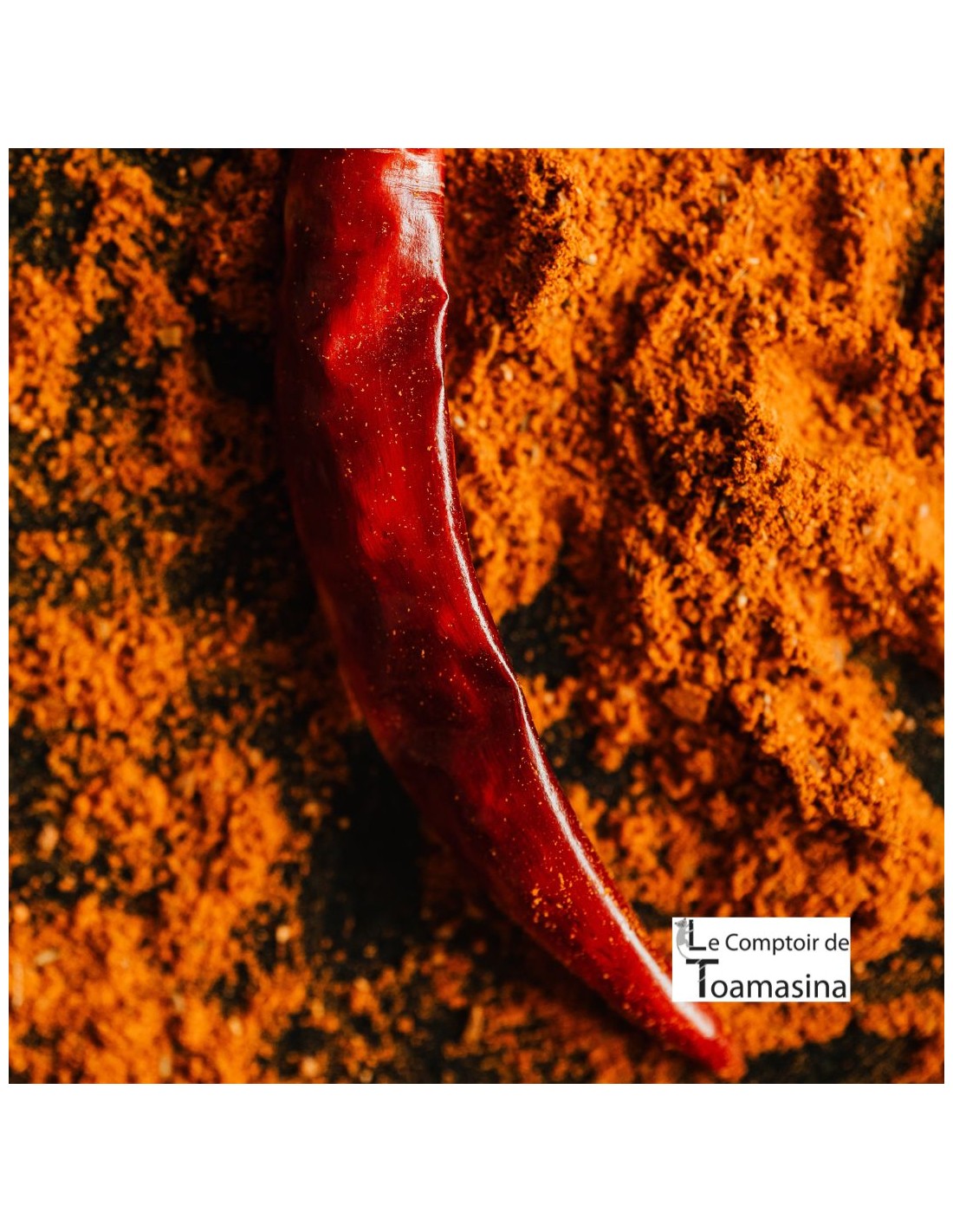
Curry Madras is a great classic of Indian cuisine like garam masala, mild curry or even tandoori. Madras curry is ideal for flavoring dishes, more full-bodied than mild curry, it owes its more full-bodied taste to its composition. The Madras Curry, seared in oil, will go perfectly with meats, fish and vegetables.

  • Association in cooking: Ideal for a creative everyday cooking, sprinkle in your meats and vegetables.
  • Packaging: 45g bottle - and 100g and 200g Doypack sachet - aroma preservation
  • Composition: garlic, cinnamon, turmeric, cumin, coriander, cumin, fennel, ginger, mustard, chilli, black pepper

Sale of the best quality of madras curry, strong curry at the best price per kilo.

Packaging
CMP45
€4.00


Madras Curry

"Madras curry is a treasure. It is a spicy blend, ideal for everyday cooking with a touch of character. I wanted to offer you an exclusive selection that will take you on a journey to South India."

Comptoir Selection The strongest of the range Tamil Nadu

Spicy Intensity

The spiciest of our range, perfect for those who love food with character and a nice heat.

Bright Color

A beautiful golden yellow hue thanks to the turmeric, which brightens your dishes.

Arnaud's Selection

A meticulous blend for a sensory journey to South India, selected by Arnaud Sion.

I wanted to offer you a spice that awakens the senses: discover the exoticism of Madras curry, an essential blend with warm, woody and spicy aromas. This seasoning is the key to transforming your vegetarian dishes and chicken curries into culinary masterpieces, bringing an authentic and tasty touch of oriental inspiration.

When I started on the Lille markets, I used to say: if you buy this Madras curry, you will add a touch of exoticism to your recipes. In the kitchens of my Apogée Bar in Brazil, we like to roast the powder to intensify its flavors, then combine it with golden onions, juicy chicken or fresh fish accompanied by crisp vegetables. Let yourself be seduced by this great classic.

The origin of the name "Curry"

The word "curry", derived from the Tamil "kari" meaning "sauce", was popularized by British sailors and is now synonymous with the richness of Indian spice blends. In the West, "curry" is a generic term, but in India, the diversity of "Masalas" illustrates the richness of regional culinary traditions. This golden yellow spice blend, inspired by the coastal city of Madras in Tamil Nadu, is famous for its delicate scent and full-bodied heat.

Colonial roots: myth and reality

Contrary to popular belief, the formula for Madras curry powder was not born in the traditional domestic kitchens of South India, but was rather a standardization of the colonial era. In 1639, British merchants settled on the Coromandel coast, giving rise to the city of Madras (now Chennai). Seduced by the local cuisine, but lacking the time to blend fresh masalas daily, they allegedly asked Tamil merchants for a pre-ground and stable blend — Madras curry was born, before spreading around the world via Indian restaurants in the UK in the 20th century.

In India itself, generic "curry powder" is not really used, but custom blends for each dish — curry powder as we know it is primarily an invention for export and the Western table.

Technical Sheet

What You Receive

  • Name of the selectionMadras Curry — Spicy blend
  • IngredientsGarlic, cinnamon, turmeric, cumin, coriander, fennel, ginger, mustard, chili, black pepper
  • CharacterWarm, earthy and spicy
  • AllergensPossible traces of gluten and mustard
  • PackagingJar 45g, pouch 100g or 200g
  • LogisticsPrepared within 24h - Delivered within 48h

What makes up our Madras curry selection

A curry is like a perfume: it has a top note, a heart note, and then a length in the mouth. Balance is fundamental.

  • Turmeric: for the bright yellow color and the earthy base.
  • Coriander, ginger, cinnamon: they bring warm, lemony and woody notes.
  • Black pepper, mustard: depth and a slight spicy touch.
  • Chili, garlic: it's the strong character that distinguishes this Madras curry from mild curry.
  • Fennel: an aniseed background note to soften everything.

For the curious: a traditional, homemade and more elaborate version of Madras can also include fenugreek, star anise, cardamom, fresh curry leaves and asafoetida — ingredients that you can add yourself if you want to recreate a version closer to the pure tradition of Tamil Nadu.

Madras Curry vs Mild Curry vs Garam Masala

BlendSpicinessCharacter and use
Madras CurryStrongThe spiciest in the range, marked garlic and chili — for dishes with character, meats and stews at the beginning of cooking.
Mild CurryNoneFruity and velvety, without any chili — ideal from savory to sweet, for the whole family.
Garam MasalaModerateWarm without stinging, dominated by cardamom and cloves — traditionally added at the very end of cooking to preserve its aromas.

The art of roasting: the secret of cumin

In Indian cuisine, roasting spices is an essential step. One of the pillars of curry is cumin. Arnaud Sion shares his secret for making your own roasted cumin powder, which will multiply the aromas of your Madras curry.

How to make cumin powder like a chef

By transforming roasted cumin seeds into powder, you create a condiment that can metamorphose the aroma and taste of your dishes.

  1. Toast the seeds: In a dry pan, toast the whole cumin seeds over medium heat for 5 to 7 minutes. Wait until their delicious scent fills the kitchen and they start to turn a golden color. Stir constantly so as not to burn them.
  2. Cool: Immediately transfer the roasted seeds to a cold plate and let them cool.
  3. Grind: Use a spice grinder, a small blender, or a mortar and pestle to grind the seeds into powder.
  4. The little extra: Add a spoonful of this freshly roasted cumin powder to your dish at the same time as the Madras curry for an aromatic depth worthy of the greatest restaurants.

The "Blooming" technique (for curry powder)

  • Never sprinkle raw: dry spices have a dusty taste if they are not cooked correctly.
  • The golden rule: always "bloom" the curry powder in hot fat (oil or ghee) with your onions for 30 to 60 seconds before adding liquid. The hot fat dissolves and amplifies the aromatic compounds.
  • Adjust the spiciness: too spicy? A little coconut milk or plain yogurt softens the sensation.

Recipe ideas with Madras Curry

  • Vegetable curry with coconut milk: add 1 tsp to your coconut milk sauce. The fat in the milk will soften the power of the chili.
  • Madras chicken curry: marinate chicken pieces in a mixture of plain yogurt and curry before pan-frying them.
  • Red lentil curry soup: for a spicy, warm and comforting flavor in winter.
  • Chickpea curry: simmer in a spicy tomato sauce, perfect for a tasty vegetarian dish.
  • Shrimp curry: sauté shrimp in a spicy sauce with red and yellow peppers.
  • Tofu curry: marinate tofu cubes in soy sauce and Madras curry before stir-frying them in a wok.

Also on the blog: shrimp canapés with curry and timut pepper, Indian vegetable curry, zucchini-tuna quiche with curry, pork sautéed with curry and pineapple.

Learn more with Arnaud Sion

Arnaud Sion, creator of Le Comptoir de Toamasina and a spice enthusiast, invites you to discover the secrets of cumin (the pillar spice of curry) in his workshop. Learn how to roast it and use it to enhance your Indian dishes. Follow the video guide!

Frequently Asked Questions

Why is Madras curry spicier than mild curry?
Its composition includes chili and garlic, which are absent from our mild curry. It was designed to offer an authentic and full-bodied heat.
What is "blooming"?
It is browning the curry powder in a hot fat (oil, butter) for 30 to 60 seconds at the beginning of cooking. This awakens the essential oils of the spices.
How to soften a dish that is too spicy because of the Madras?
Add a dash of coconut milk, heavy cream or plain yogurt at the end of cooking. Dairy fats neutralize the capsaicin in the chili very well.
Does Madras curry really exist in India?
Not in this standardized "yellow powder" form. It is historically a creation of the British colonial era, adapted for export to the West.

"The spiciest in the range — turmeric, chili, coriander and garlic, for Indian cuisine with character. I wanted to offer you the quintessence of spices with this selection."

Order my Madras Curry

Turmeric, chili, cumin, coriander · Comptoir Selection

Native country
World
BOTANICAL SPECIES
None
INGREDIENTS
garlic, cinnamon, turmeric, cumin, coriander, fennel, ginger, mustard, chili pepper, black pepper
AROMATIC POWER
10/10
ALLERGEN
Possible traces of gluten and mustard
POSSIBLE TRACES OF ALLERGENS
Possible traces of gluten and mustard
PACKAGING
Bottle and Bag
Preparation / Delivery
Preparation within 24 hours - Delivery within 48 hours
No reviews

Customers who bought this product also bought: