20 Madagascar's Bourbon Vanilla Beans
buy vanilla
20 Madagascar's Bourbon Vanilla Beans
buy vanilla

20 Madagascar's Bourbon Vanilla Beans

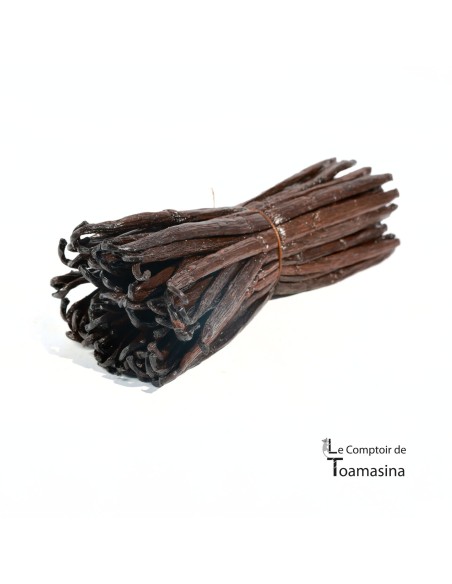
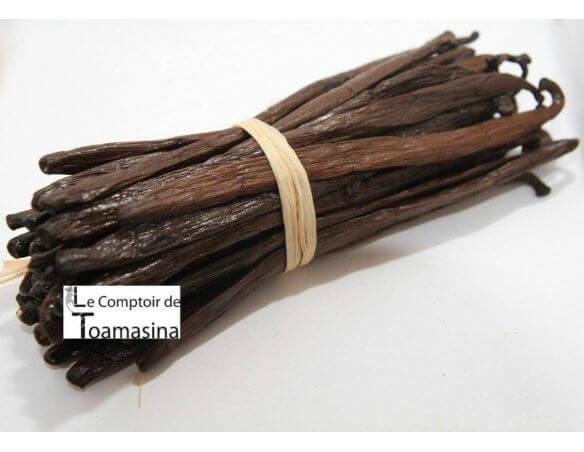
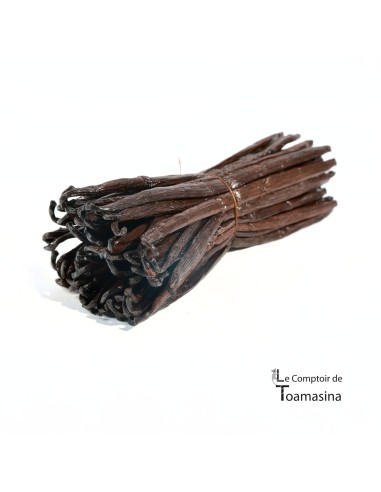
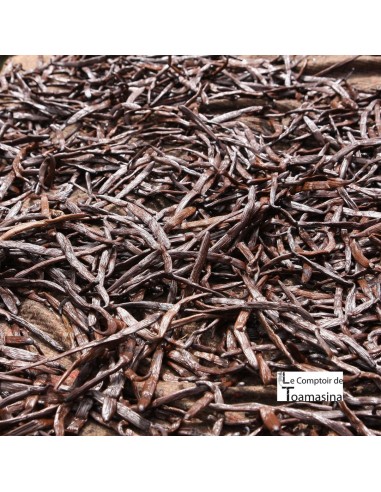
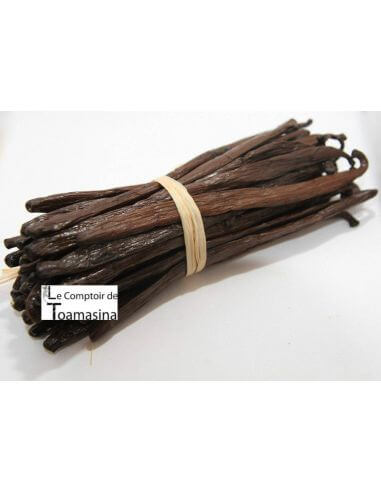
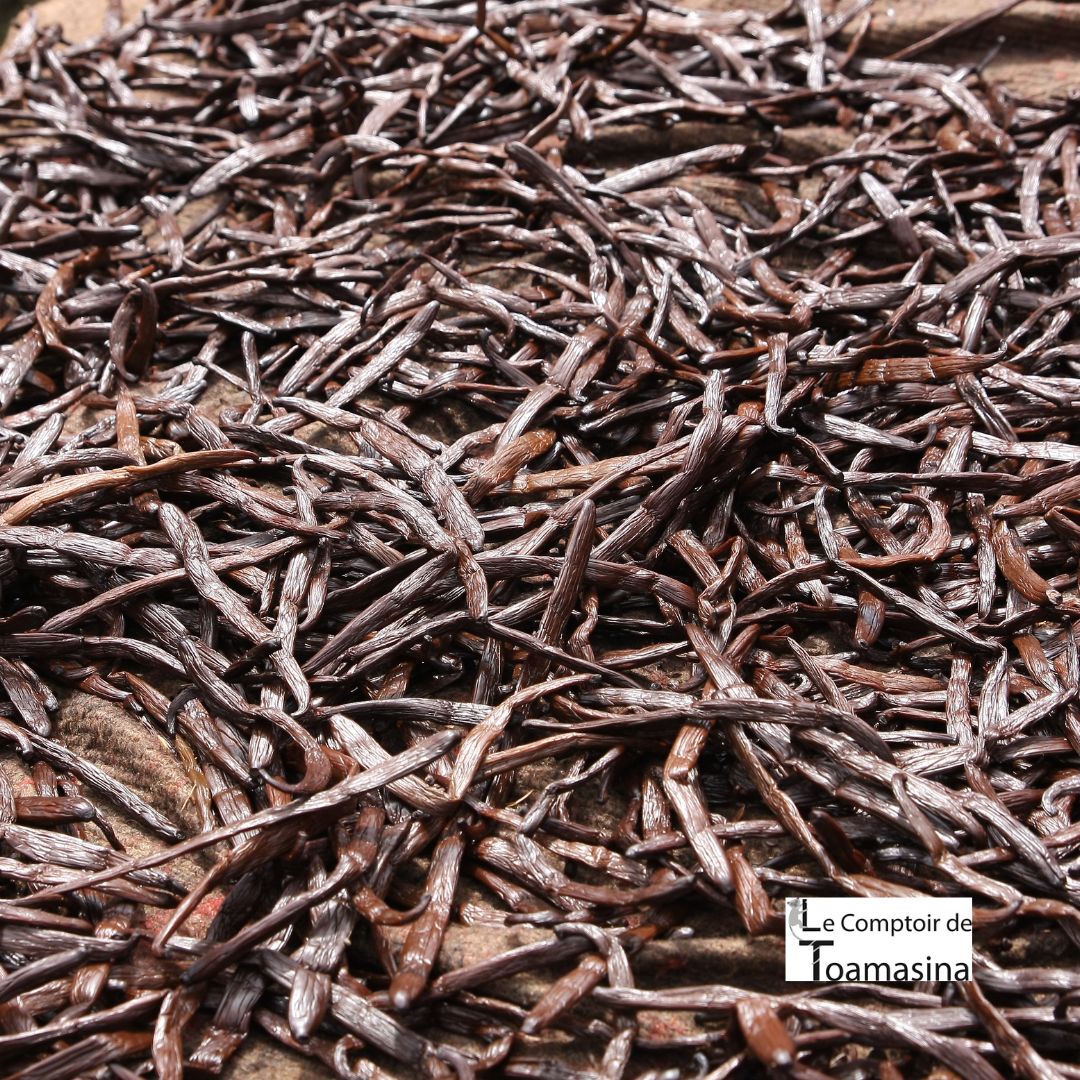
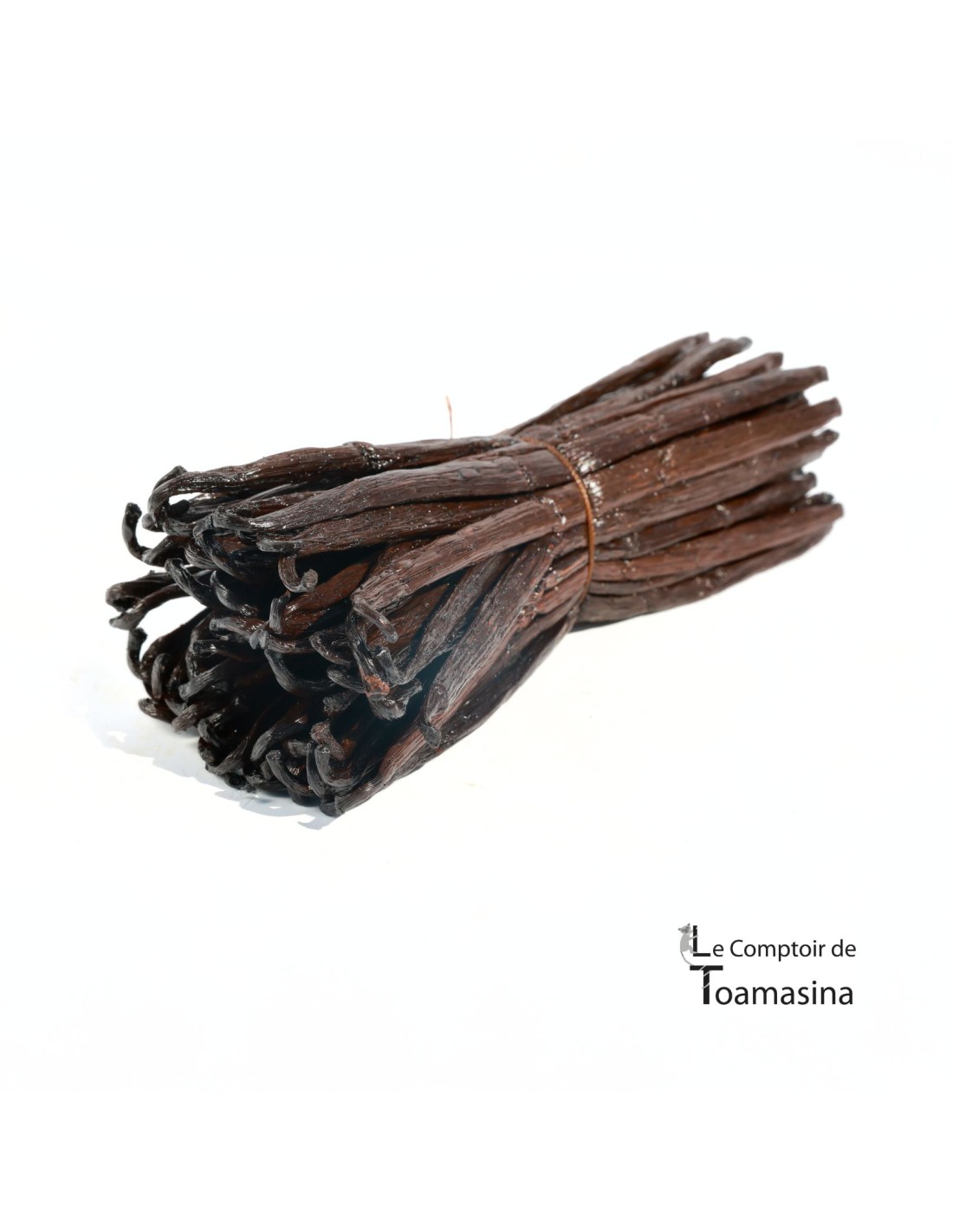
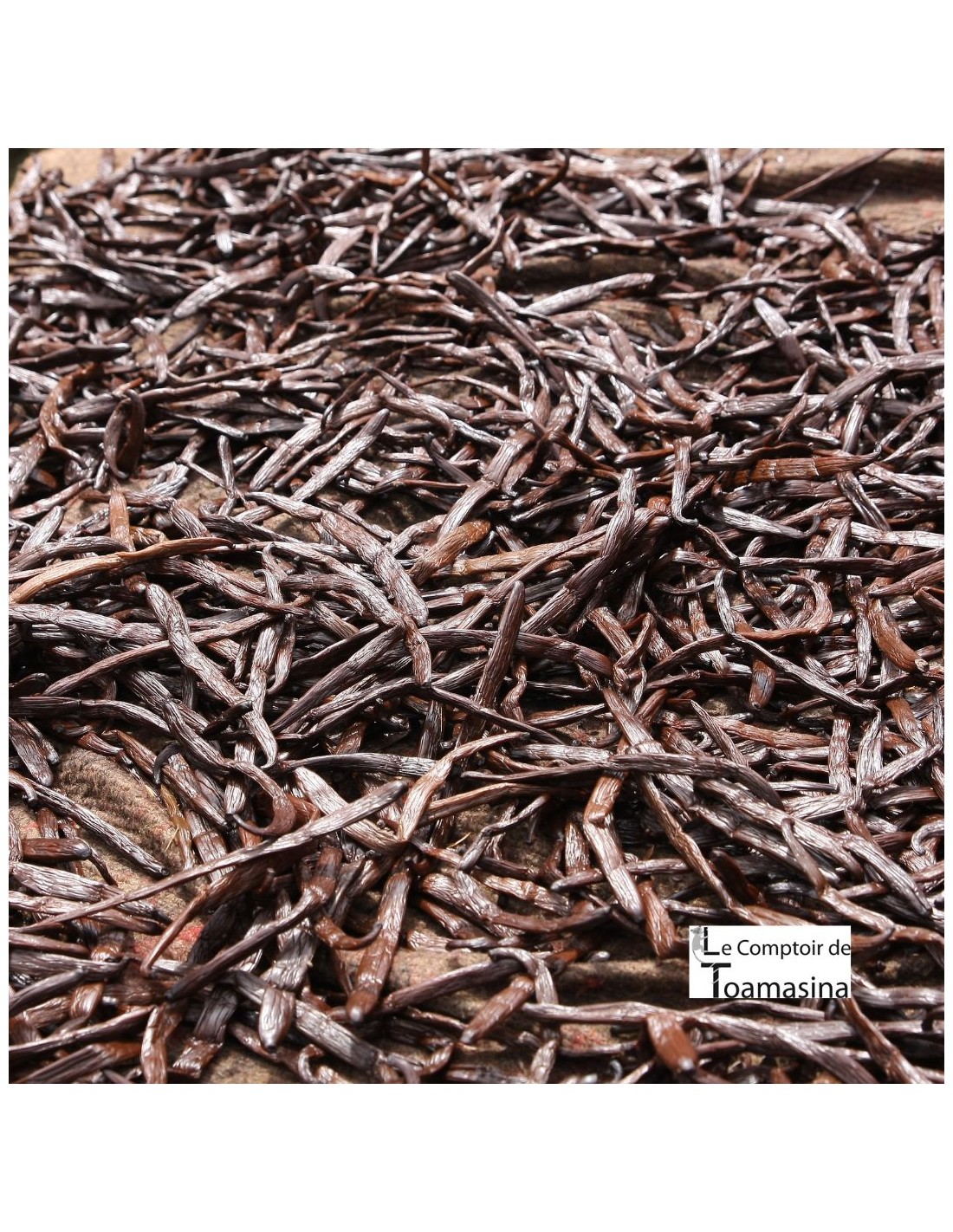
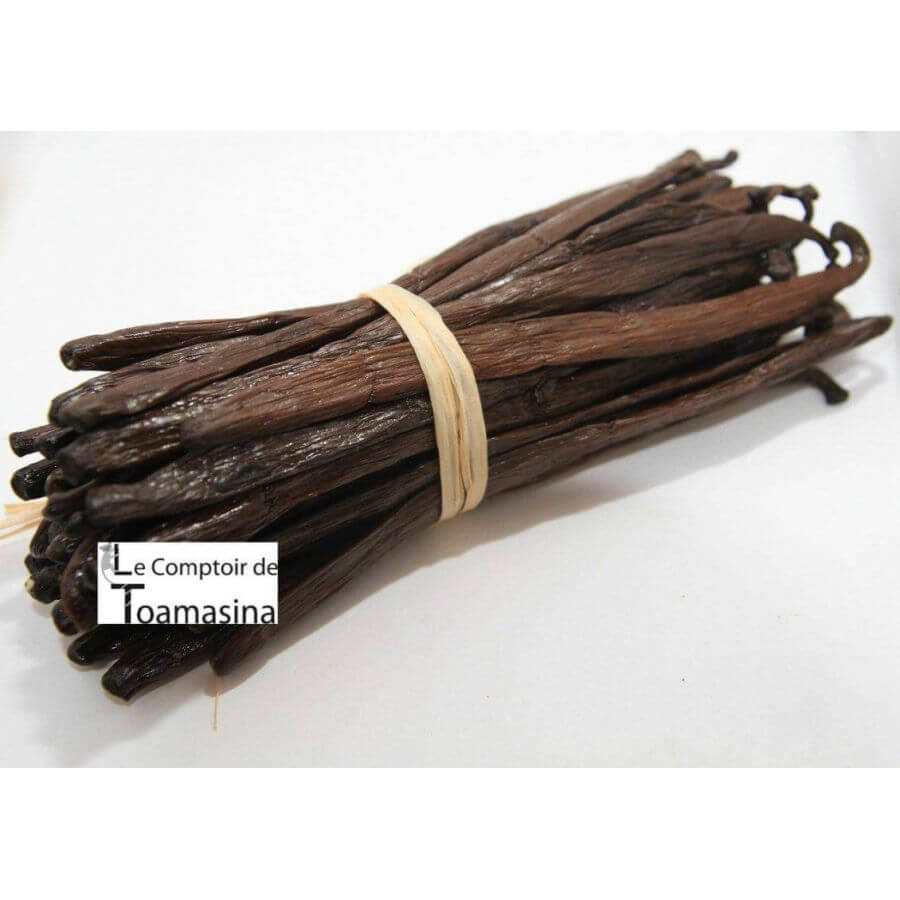
20 Bourbon vanilla pods from Madagascar, gourmet-extra* quality, black, 15 to 16cm, in a bag.

Madagascar Bourbon Vanilla Beans are shiny, plump, chewy, shiny, black, fragrant, and unsplit. It is the top of the range vanilla from Madagascar

Our Bourbon vanilla pod from Madagascar in its economical format offers notes of chocolate and caramel.

  • Main notes : Cocoa and caramel
  • Aromatic : The star of pastry. A vanilla bean with an intense scent of gourmet vanilla, the most intense of vanillas
  • Quality : Gourmet - Extra with respect for a long aging
  • Size : 15 to 16cm

Le Comptoir de Toamasina is the sale of bourbon vanilla pods from Madagascar only the best of the harvest at the best price.

VANT3
€17.94


Buy 20 Madagascar Vanilla Beans (x20) | Extra Gourmet Quality

Sensory Analysis

Aromatic Profile of Madagascar Bourbon Vanilla

Five dimensions defining this vanilla — dominated by the pure vanilla note and its warm cocoa nuances.

Intense Vanilla95
Cocoa · Chocolate82
Caramel · Buttery70
Woody · Earthy38
Floral22

Arnaud's Note: "Madagascar Bourbon is vanilla in its most accomplished form. On the nose, a frank attack of warm cocoa, followed by creamy caramel notes. Long persistence on the palate — a profile that no other origin can match in pure vanilla intensity."

Sensory Radar · Madagascar vs Tahiti


"Transform your culinary creations into masterpieces. With these 20 Madagascar Bourbon Vanilla beans, you are not just choosing a spice, but an aromatic treasure directly selected on the red island by our founder and expert, Arnaud Sion."

20 Madagascar Vanilla Beans Extra-Gourmet Le Comptoir de Toamasina

Each bean is a promise: that of a captivating fragrance with deep cocoa notes that will perfume your kitchen. To the touch, it is supple, fleshy, and shiny, bursting with thousands of black seeds that will release an intense, long-lasting flavor.

Expert Quality

Hand-selected for their suppleness, shine, and exceptional vanillin rate, meeting the highest standards of "Gourmet" quality.

An Unforgettable Fragrance

The powerful, chocolatey aromatic signature of the finest planifolia vanillas from the Indian Ocean.

Optimal Freshness

Stored under ideal conditions, our beans reach you within 48 hours, ready to release all their magic.

Arnaud Sion Vanilla Selection Expert

More than a Bean: A Commitment to the Future of Vanilla

Your purchase today supports a visionary project: the "Arnaud Vanille" plantation in Brazil. We are the first family-owned grocery store to commit to cultivating vanilla, from the flower to the bean. This is our promise of uncompromising traceability and ethics for the future.

Order now and let true Bourbon vanilla elevate your dishes. Find inspiration on our YouTube channel and enter the world of unique expertise, that of the Comptoir de Toamasina.


The vanilla from Comptoir de Toamasina: From a family business to the Arnaud Vanille plantation

Founded in 2010 by Arnaud Sion, Le Comptoir de Toamasina is a family business that has established itself as a benchmark in the selection and sale of exceptional vanilla.

This ambitious project started modestly in 2010 with an initial investment of only 414 euros, allowing the acquisition of 10 kg of Madagascar Bourbon vanilla. Thanks to a bold vision and a love for authentic flavors, our company has experienced impressive growth and we have become the reference point for buying gourmet-quality vanilla for individuals.

Arnaud Sion, a true enthusiast, has trained over the years in the cultivation and preparation of vanilla, exploring all corners of the globe to find the best vintages. These journeys of learning and discovery inspired him to diversify his offerings, integrating other exotic spices and flavors into his catalog.

The story of Comptoir de Toamasina took a decisive turn with the creation of the Arnaud Vanille plantation in the Minas Gerais region of Brazil, in partnership with Abaçai Vanille. This innovative project aims to cultivate several vanilla varieties, notably planifolia, pompona, and a variety endemic to the Brazilian Cerrado.

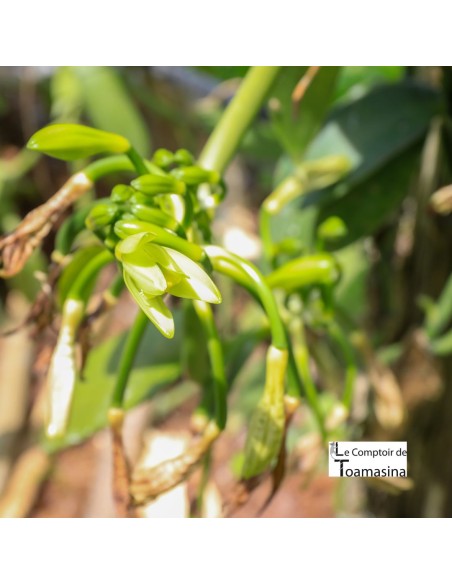
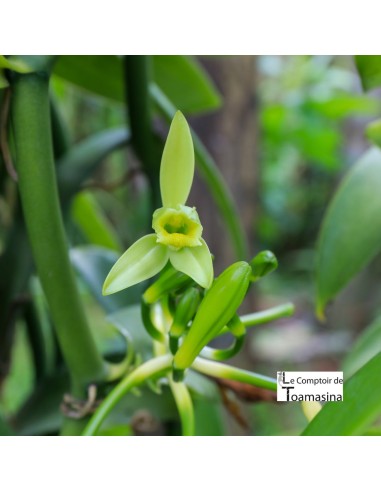
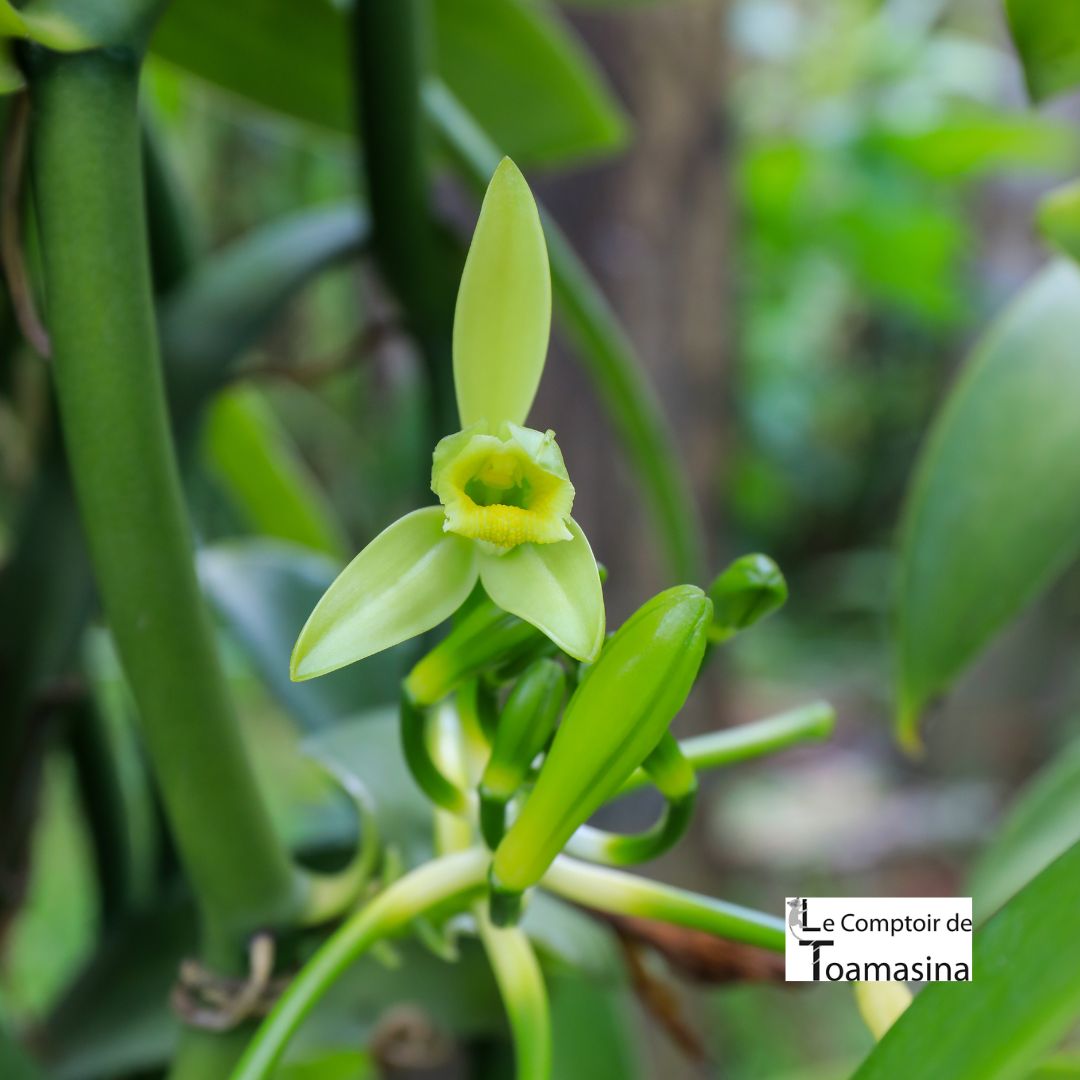
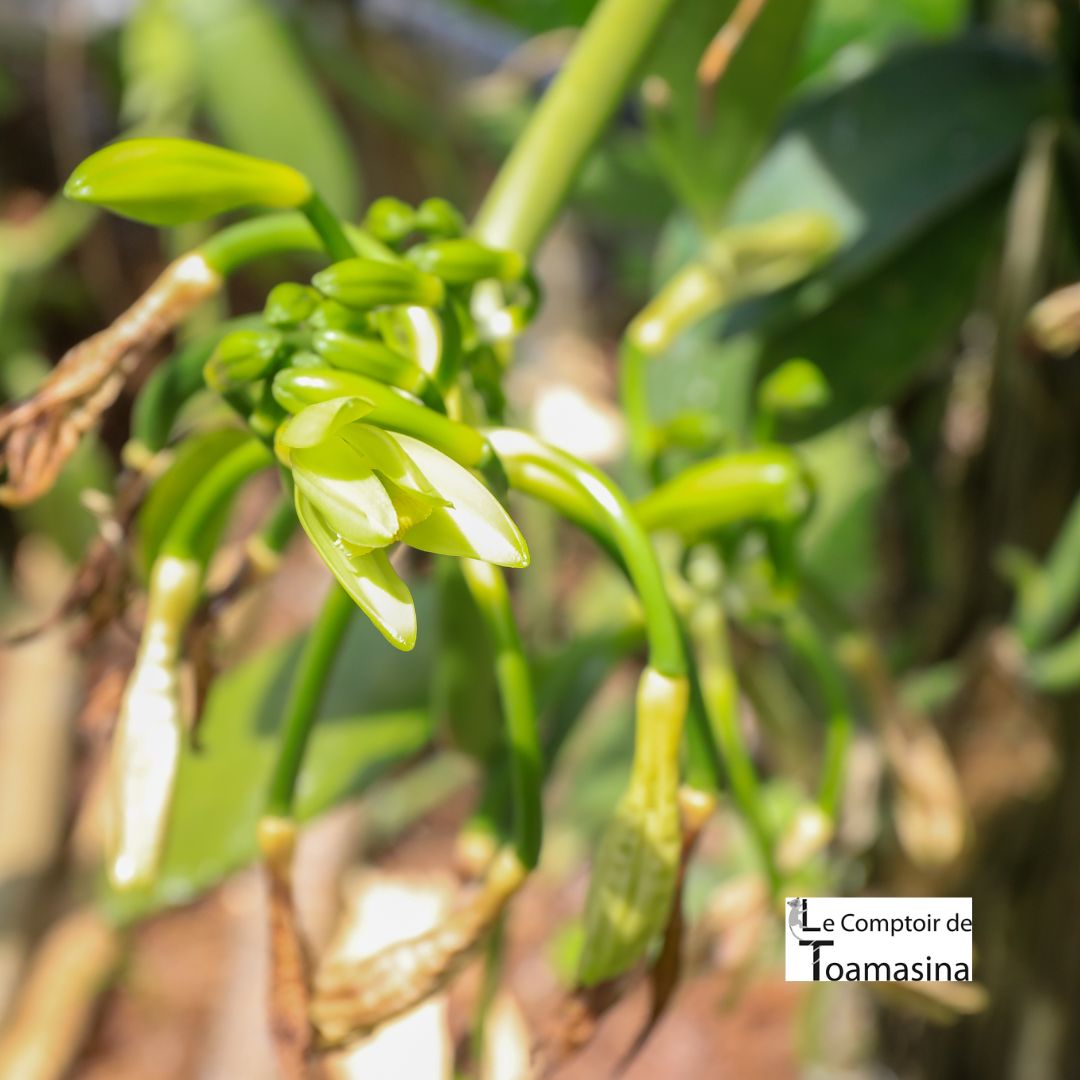
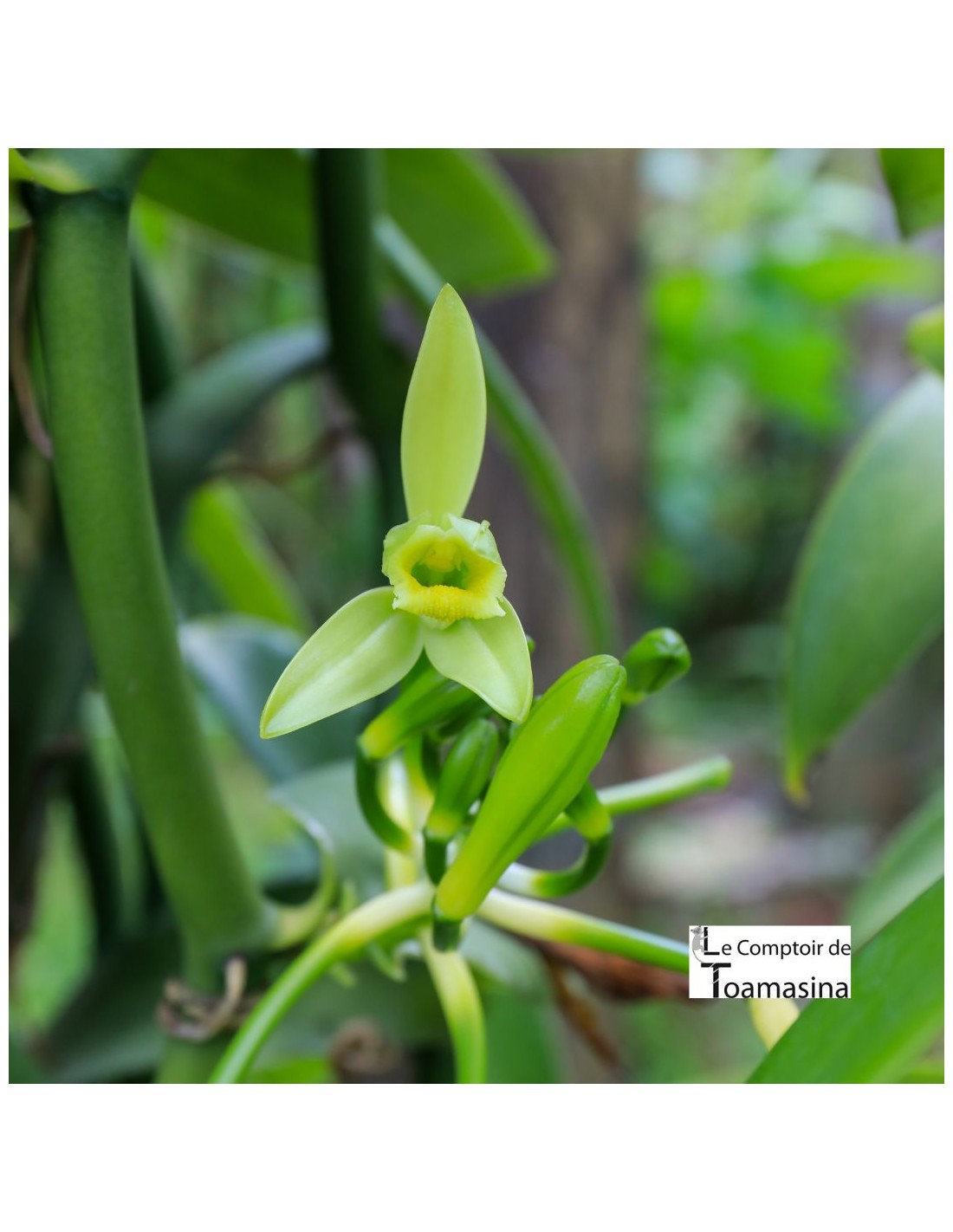
Vanilla Flower Arnaud Vanille Plantation

The latter, unique in its kind, promises to offer a unique vanilla, the pinnacle of vanilla. Brazilian Bahian vanilla will have a 0% vanillin rate but 6 times more aromatic molecules than planifolia vanilla.

From artisanal trade to farming, this transformation illustrates Comptoir de Toamasina's constant commitment to innovating and offering products of impeccable quality. More than a company, it is a human and family adventure driven by a passion for flavors, excellence, and respect for traditions.

The Fascinating History of Madagascar Vanilla - Discover the Precious Spice

The history of vanilla in Madagascar is a captivating tale, rich in lessons and discoveries. Our blog features a detailed article on the history and origins of vanilla, but allow me to introduce you here, in a few lines, to the beautiful story of this pastry princess.

Imagine a country without the little pollinating bee, becoming in the space of 50 years the world leader in vanilla sales, representing over 75% of global vanilla production. Today, vanilla is one of Madagascar's most prized spices, rivaling the country's wild pepper.

Vanilla beans in a plantation in Madagascar

It is a story of discovery, exploration, and human passion for producing this green (or black, depending on the expression) gold, which has made Madagascar the epicenter of global vanilla production.

Vanilla was first discovered by the Aztecs in Mexico, who used it as a flavoring in their chocolate-based drinks. Since pure chocolate is very bitter, vanilla was used to soften the taste. Today, we do the same with chocolate. For example, chocolate containing more than 80% cocoa contains vanilla.

Introduced to Europe in the 16th century by the Spanish and Portuguese, vanilla only began to be cultivated in large quantities in the 19th century. Indeed, no one knew about the small Mexican bee, the only one capable of pollinating the vanilla orchid.

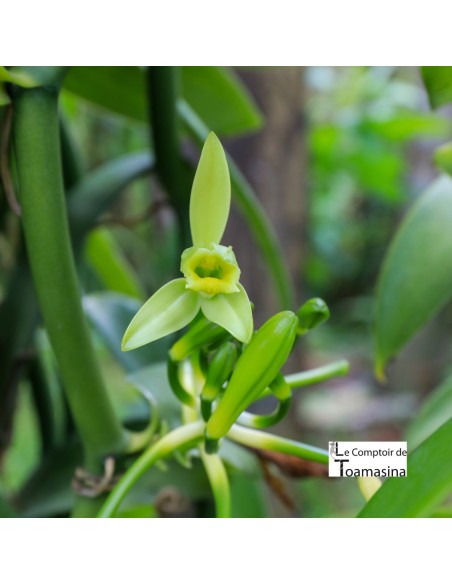
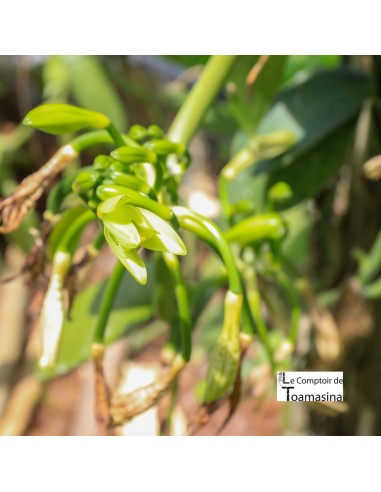
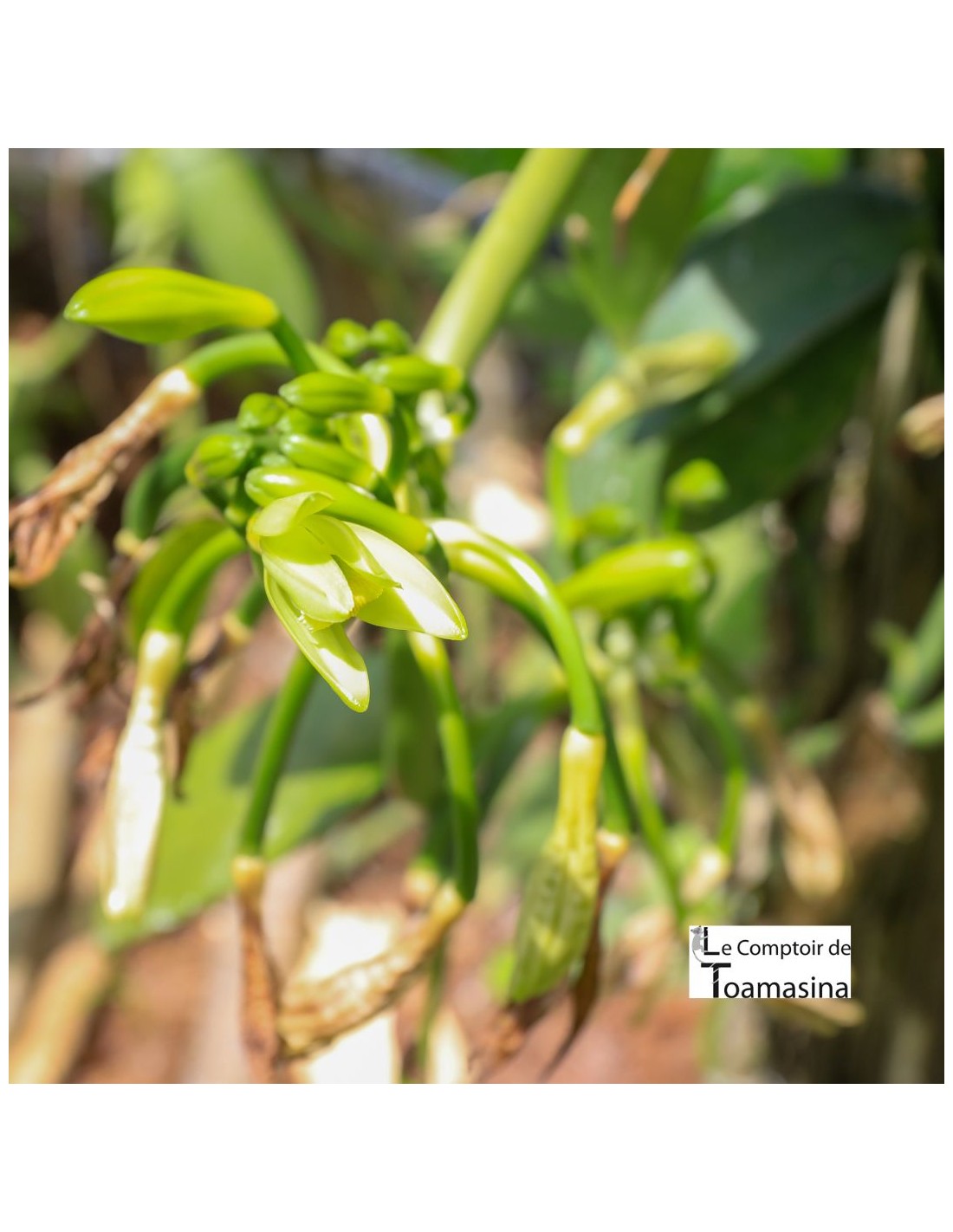
Vanilla flower blooming before pollination

Madagascar became a major vanilla producer at the end of the 19th century. Vanilla was introduced to the island by French colonists and began to be cultivated successfully. Vanilla plants came from Reunion Island to Madagascar because Madagascar's climate was suitable and, above all, with a territory larger than France, there was more space for cultivation.

However, Madagascar's vanilla producers faced difficulties in producing vanilla due to their reliance on manual labor to pollinate the vanilla flowers. Before 1841, no one knew how to pollinate vanilla in the Indian Ocean.

In 1841, a black slave named Edmond Albius on Bourbon Island, now Reunion Island, discovered an efficient manual pollination method for vanilla flowers. This discovery allowed Madagascar's vanilla producers to produce vanilla beans. To get a vanilla bean, you must pollinate a vanilla flower. The more vanilla flowers you pollinate on a plant, the smaller the beans will be.

This discovery transformed the vanilla industry in Madagascar and allowed the island to become the world's largest vanilla producer. Today, it is estimated that 95% of the world's vanilla comes from the planifolia plant, and Madagascar holds between a 75 and 80% market share in vanilla production.

Madagascar vanilla is considered one of the most delicate and fragrant vanillas in the world, with an intense vanilla and chocolate flavor sought after by chefs and culinary enthusiasts worldwide.

Due to the growing demand for gourmet-quality vanilla in recent years, particularly in the United States, Madagascar's vanilla producers have developed more efficient production methods to meet the demand. However, vanilla production is a labor-intensive and costly process, requiring constant attention and skilled labor. A cyclone or diseases can wipe out a harvest.

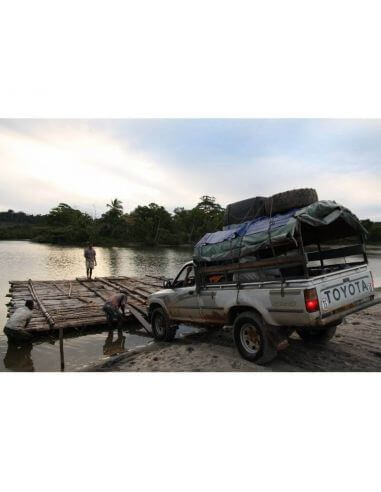
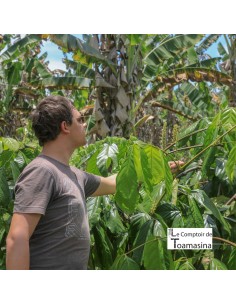
Ranger expedition looking for the most beautiful vanilla beans

Despite these challenges, Madagascar vanilla continues to play a significant role in the island's economy, providing employment for thousands of people. Madagascar vanilla is a source of pride for the island's inhabitants and continues to be an integral part of their culture and history.

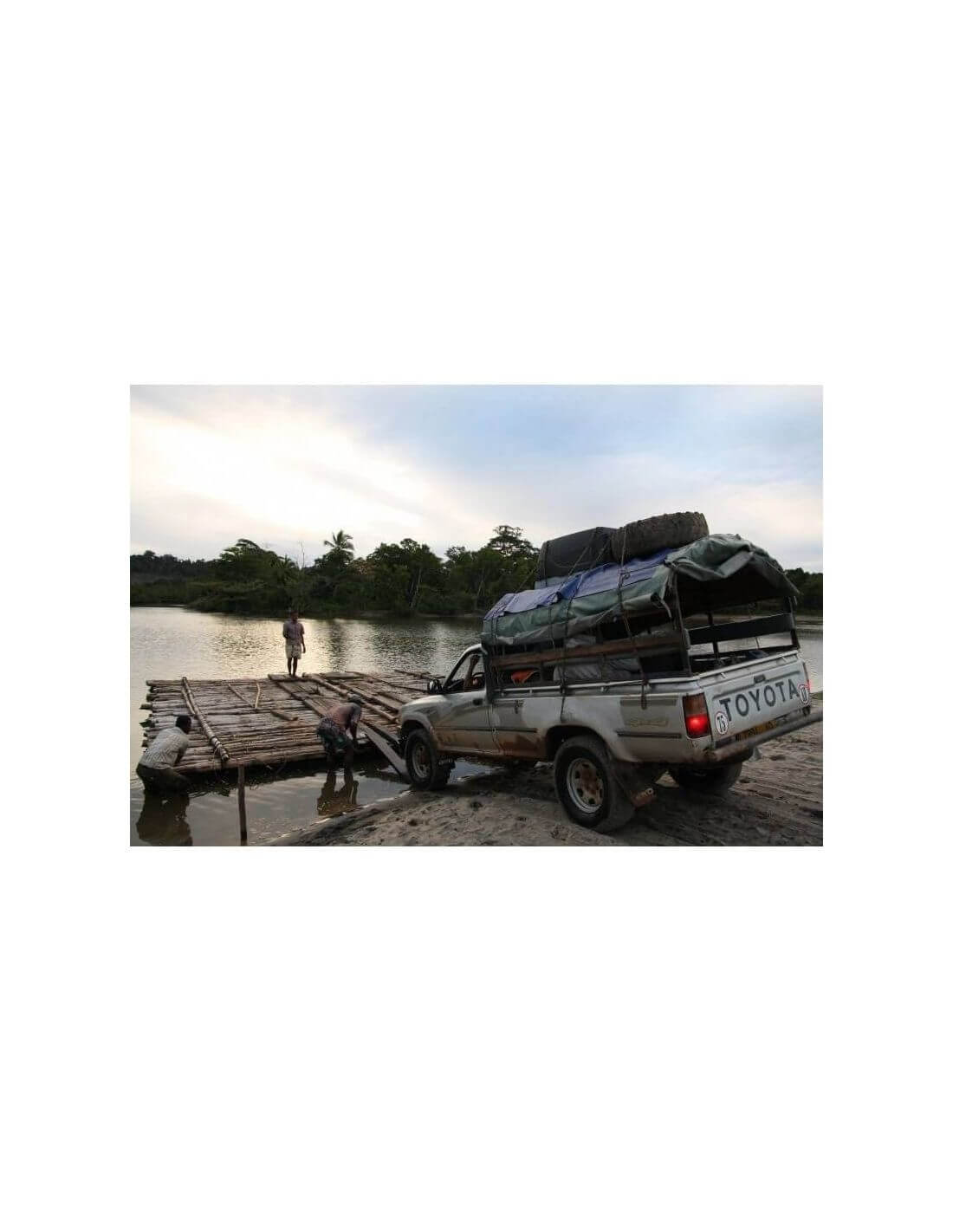
Arnaud's Travel Tip: Check out the Thalassa report dedicated to us, and if you ever wish to discover the vanilla coast, start from Tamatave and head up to Mananara-Nord. This is where you'll find the late vanilla harvest. It's in this region that the Malagasy government grants harvesting authorization last. If you head further north, the harvest will be 4 to 6 months ahead compared to this region. From Mananara-Nord, you can drive up to Sambava in a 4x4 and enjoy a truly unique experience.

Vanilla is not just a simple spice; it's a history and a unique experience. Ten Madagascar vanilla beans are quite different from one Tahitian vanilla bean. We will show you on our YouTube channel the difference between gourmet black vanilla from Madagascar and Tahitian vanilla.

What does Madagascar Bourbon vanilla taste like?

At Comptoir de Toamasina, we offer you the most beautiful vanilla beans with the best quality-to-price ratio. The 20 Madagascar Bourbon vanilla beans quality is the best-seller in our online store. Today, you will discover why our vanilla bean offers an intense, gourmet, and unique aromatic experience:

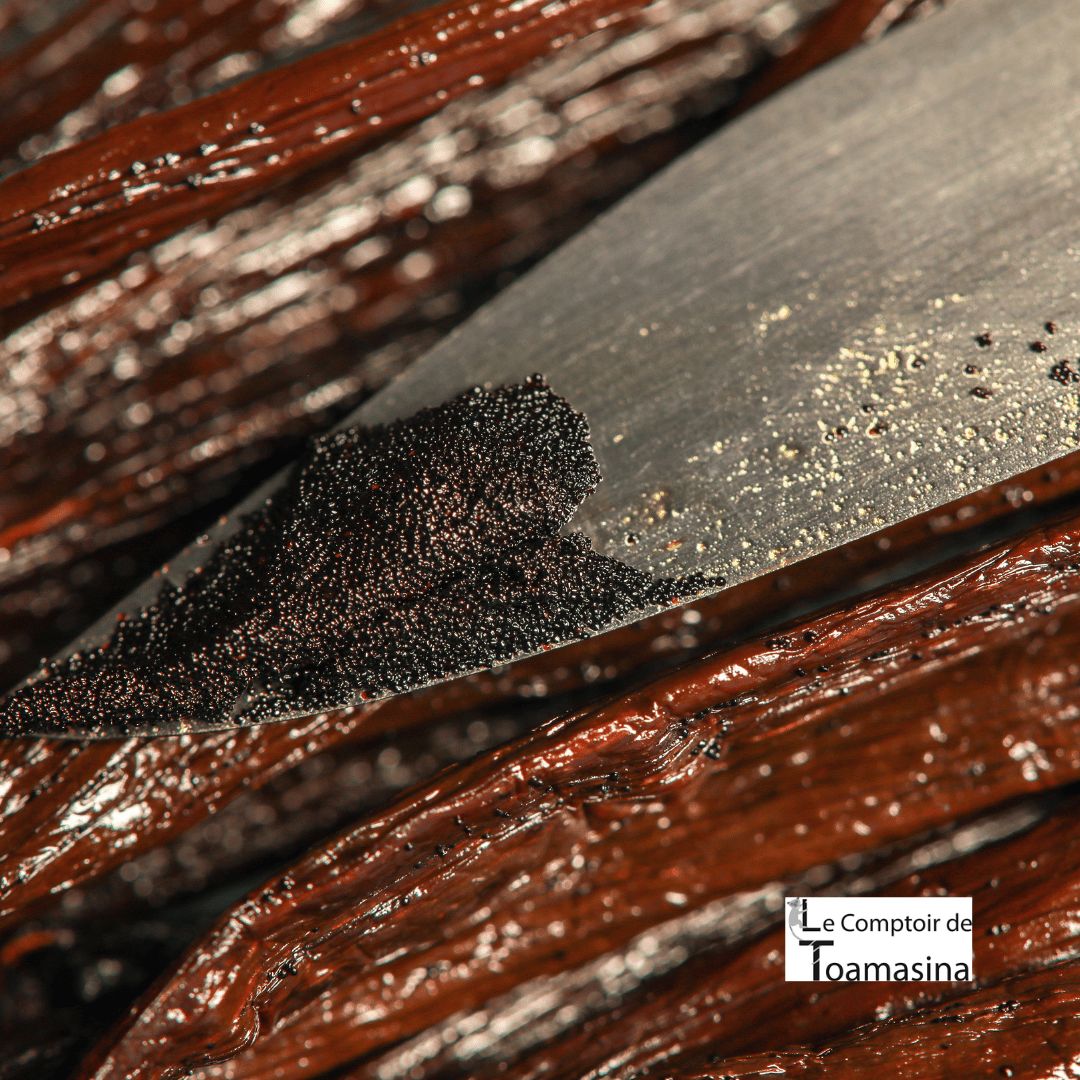
Bourbon vanilla beans with seeds
  • Cocoa notes: Madagascar Bourbon vanilla stands out for its intense aromatic power, marked by vanilla notes and a subtle touch of cocoa. This unique characteristic gives it an inimitable flavor.
  • Deep vanilla flavor: Renowned for its deep vanilla aromas, it is the ideal ingredient for a multitude of recipes, from the simplest desserts to the most sophisticated culinary creations.

These attributes make Madagascar Bourbon vanilla a top choice for chefs and gourmets around the world. Not only is it delicious, but it is also versatile, adapting to a wide variety of recipes and culinary creations. Arnaud, the creator of Comptoir de Toamasina, truly believes it is the best vanilla in the world produced on a large scale due to its aromatic power.

The 2025-2026 harvest outlook in Madagascar - Why it's a great vintage

The 2023-2024 vanilla season in Madagascar is perceived as an exceptional harvest for various reasons. First, the quality of Malagasy vanilla has seen an improvement following a price reduction. This decrease has pushed out lower-quality producers and those looking for quick profits, leaving room for true enthusiasts of premium vanilla production.

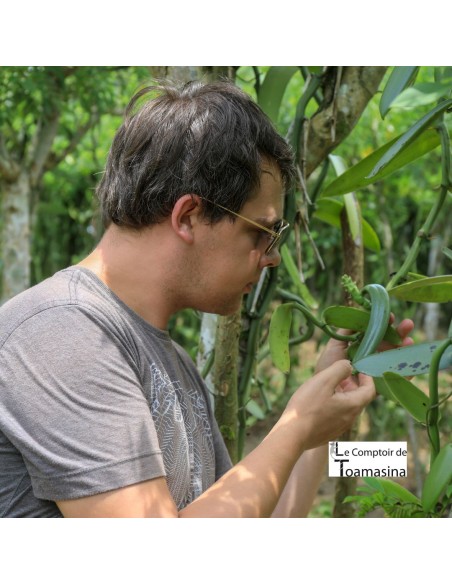
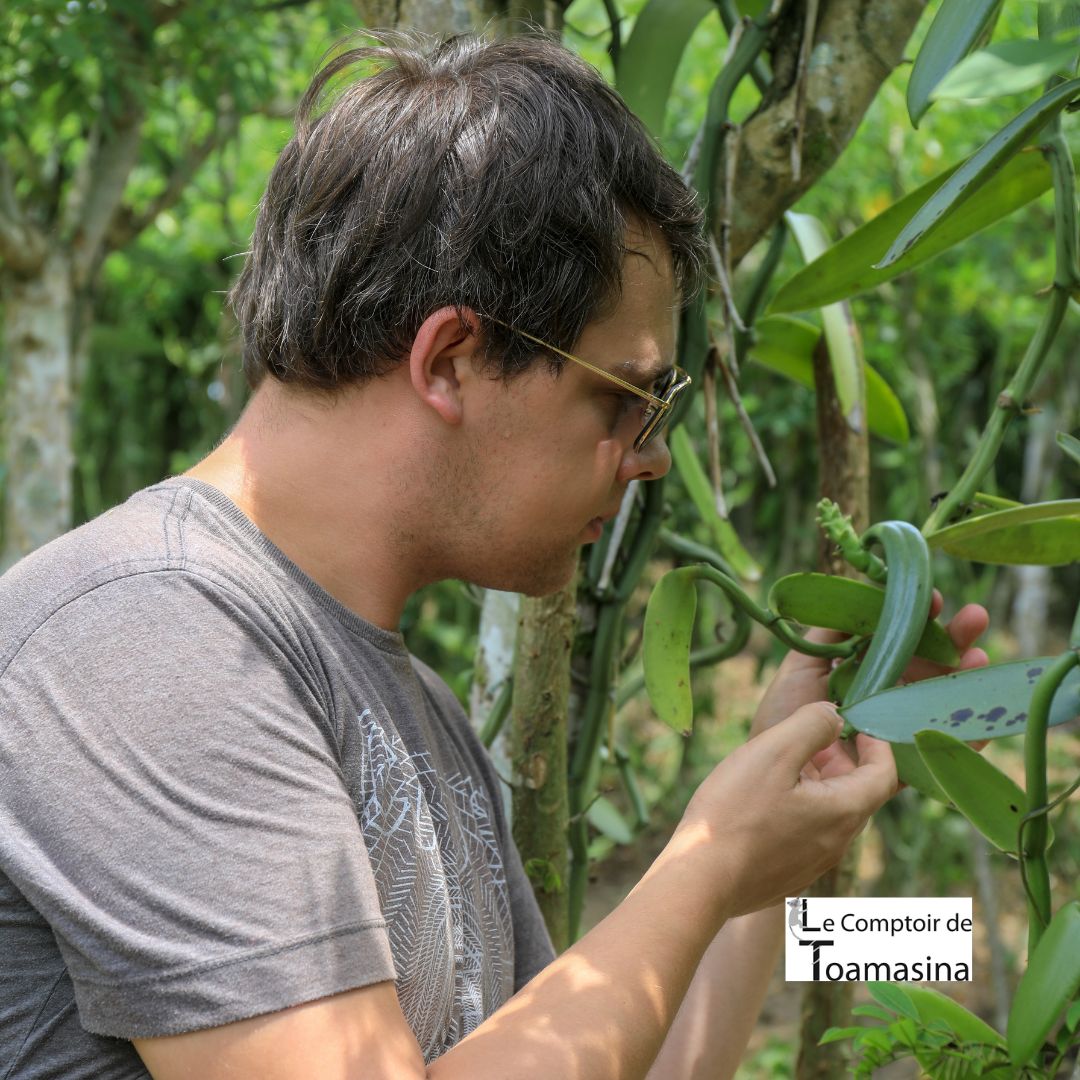
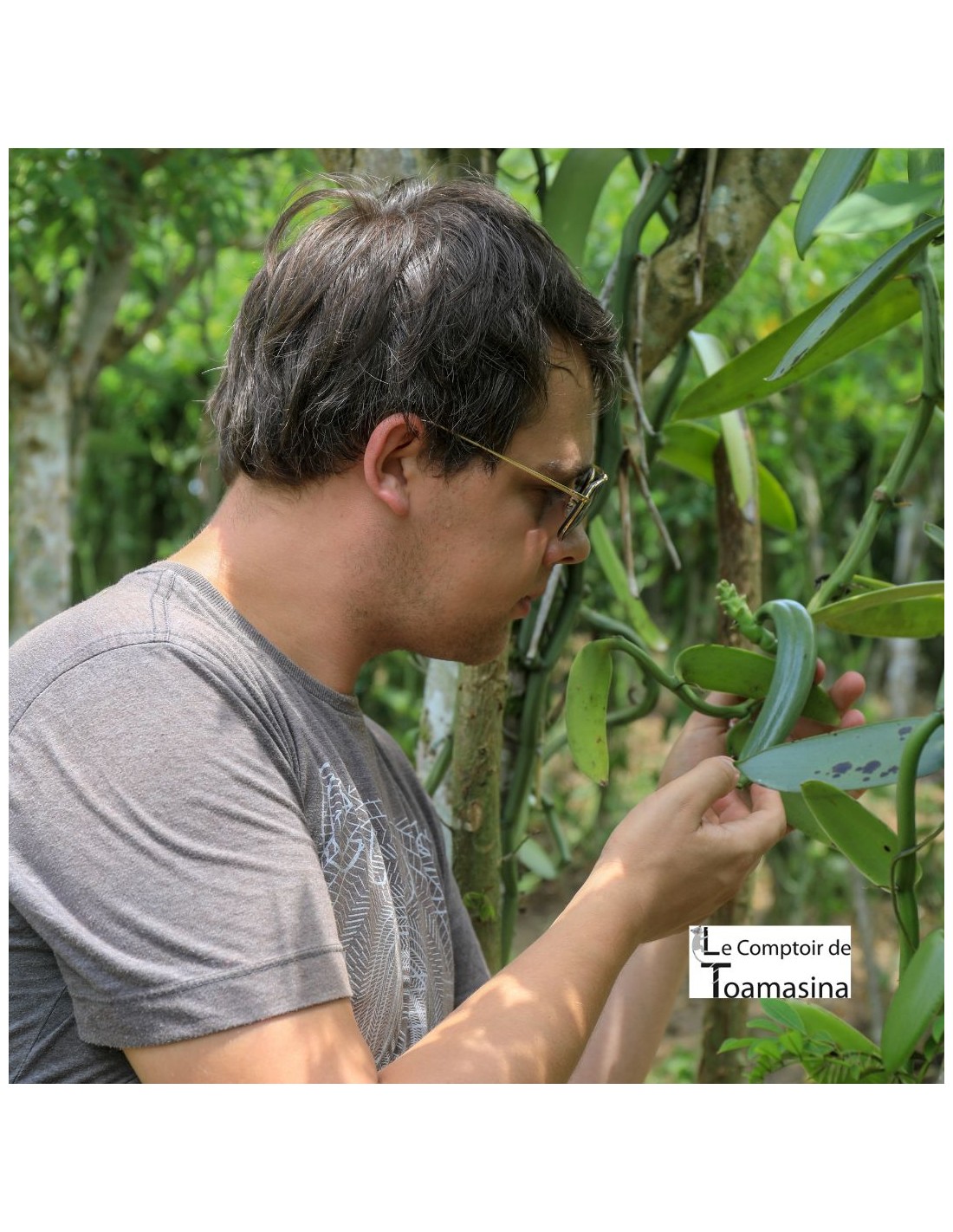
Arnaud checking the quality of green vanilla

Regarding vanilla production in 2023, data suggests an average production of 2,000 to 2,500 tons per year. For the 2022 season, 2,300 tons were exported. These statistics demonstrate the solidity of the vanilla industry in Madagascar.

Lastly, the vanillin rate in Malagasy vanilla is currently 1.6%. The maximum for Malagasy vanilla is 3%, but a 2% rate is extremely rare and hasn't been observed since 2014. The vanillin rate is a key indicator of vanilla quality, as it contributes to its unique fragrance. A higher rate means better quality vanilla.

The best tips for storing your vanilla beans

Storing vanilla properly is essential to preserve its quality and aroma. Here are some tips for storing your vanilla beans:

  • Store them in a cool, dry place: Vanilla beans should be stored in a cool, dry place, away from direct sunlight and moisture.
  • Avoid extreme temperatures: Extreme temperatures can affect the quality of the vanilla. Therefore, avoid storing it in places that are too hot or too cold, like near a window or in a refrigerator.
  • Use an airtight container: To prevent the vanilla from drying out, place the beans in an airtight container, such as a glass jar or a resealable bag.
  • Avoid strong odors: Vanilla easily absorbs strong odors, so avoid storing it near foods with pungent aromas.
  • Never freeze: Avoid freezing vanilla, as this can alter its flavor and texture.
  • Never store vanilla in alcohol: When a specialist vanilla shop or seller tells you to store it in alcohol, you should be wary. Indeed, alcohol is a preservative that travels up the vanilla through capillary action, soaking it in alcohol, and it will taste like alcohol. Thus, you won't be able to use it in recipes for your children. Moreover, this technique is known as the "vanilla scam" in Madagascar.

By following these tips, you'll be able to store your TK quality Madagascar Bourbon vanilla beans for several months, or even over a year, while preserving their aroma and flavor.

How to properly use and infuse a vanilla bean

Chef Arnaud from Apogée Bar and creator of Comptoir de Toamasina shares with you the 3 best ways to use vanilla to elevate your culinary creations. It is important to note that the longer the vanilla bean infuses, the better the flavor of your preparation will be.

  • Hot vanilla infusion: For use in milk or a hot infusion, simply split the vanilla bean lengthwise, scrape the seeds with the flat side of a knife blade, and put the bean and seeds into hot (but not boiling) milk for about 10 minutes. If possible, let the milk rest overnight for an even more intense flavor.
  • Cold vanilla infusion: You can also do a cold infusion by leaving the split vanilla bean with the seeds in fruit juice, a cocktail, alcohol, or even a fruit salad for a few days.
  • Infusion in alcohol and rum: To make vanilla rum, simply put 2 to 4 vanilla beans in a bottle of rum and let it infuse for 2 to 6 months.

To discover other ways to use vanilla, feel free to check out our YouTube channel and our blog. With these tips, you'll be able to elevate all your culinary creations with the delicious flavor of vanilla.

Everything you need to know about Madagascar vanilla beans from the vanilla Comptoir

Madagascar vanilla is renowned for its rich aroma and superior quality, making it a preferred choice for chefs and gourmets worldwide. Each bean is the result of meticulous work and ancestral expertise, passed down from generation to generation. In this guide, we will take you on a fascinating journey through the lush vanilla plantations of Madagascar, where you will discover how each bean is carefully cultivated, harvested, and prepared to reach your table. You will also learn to appreciate the subtle nuances of its aroma and use this exquisite spice to enrich your own culinary creations. So, get ready to embark on an unforgettable sensory journey through the world of the Madagascar vanilla bean.

Arnaud's training in vanilla bean quality control in Madagascar

But who can produce Bourbon vanilla? Who is the top vanilla-producing country?

Madagascar vanilla is world-renowned and represents over 80% of the world's vanilla production, sometimes reaching 90% in the past before the 2000s. Madagascar is the world's leading vanilla producer.

Bourbon vanilla is a Controlled Designation of Origin (AOC) encompassing Madagascar, the Comoros, Mayotte, the Seychelles, Mauritius, and Reunion Island. This designation was created to differentiate planifolia vanilla from the Indian Ocean from other planifolia vanillas around the world. Bourbon vanilla has become a recognized quality label for its symphony of flavors, its aging quality, and the expertise of Malagasy producers. The history of Bourbon vanilla dates back to the 20th century when French colonists imported vanilla from Reunion to Madagascar. After the English colonization of Reunion, the French brought Malagasy plants back to Reunion to cultivate Bourbon vanilla, as the English had planted sugar cane on Bourbon Island.

Today, Madagascar Bourbon vanilla is highly sought after; from the food industry to top pastry chefs, everyone wants to work with this exceptional vanilla. However, the sector is often in crisis due to speculation, climate change, and other factors that you can learn about on our YouTube channel.

Despite the difficulties, consumers continue to appreciate this little princess of gastronomy. If you are looking for quality vanilla, choose Madagascar Bourbon vanilla, which will delight your taste buds with its warm, deep, and chocolatey notes. Order now and savor the best Madagascar Bourbon vanilla.

What is the "Bourbon" Label of Madagascar bourbon vanilla?

Bourbon vanilla is a specific variety of vanilla primarily cultivated on the island of Madagascar, as well as on other islands in the Indian Ocean, such as Reunion, Mauritius, the Seychelles, and the Comoros. This vanilla variety is appreciated worldwide for its rich, complex, and sweet aroma.

Comptoir de Toamasina's Bourbon vanilla is used by the greatest chefs in Belo Horizonte, Brazil, and throughout Brazil!

The name "Bourbon" comes from the former name of Reunion Island, which was previously called "Bourbon Island". Bourbon vanilla is produced from the Vanilla planifolia variety, also widely referred to as Bourbon vanilla by the general public in France, even if it's not the exact technical term.

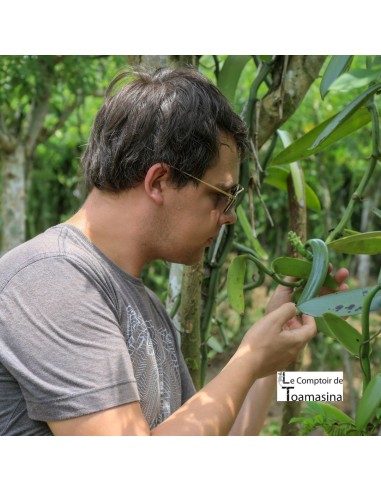
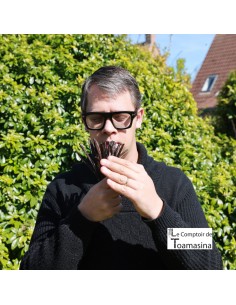
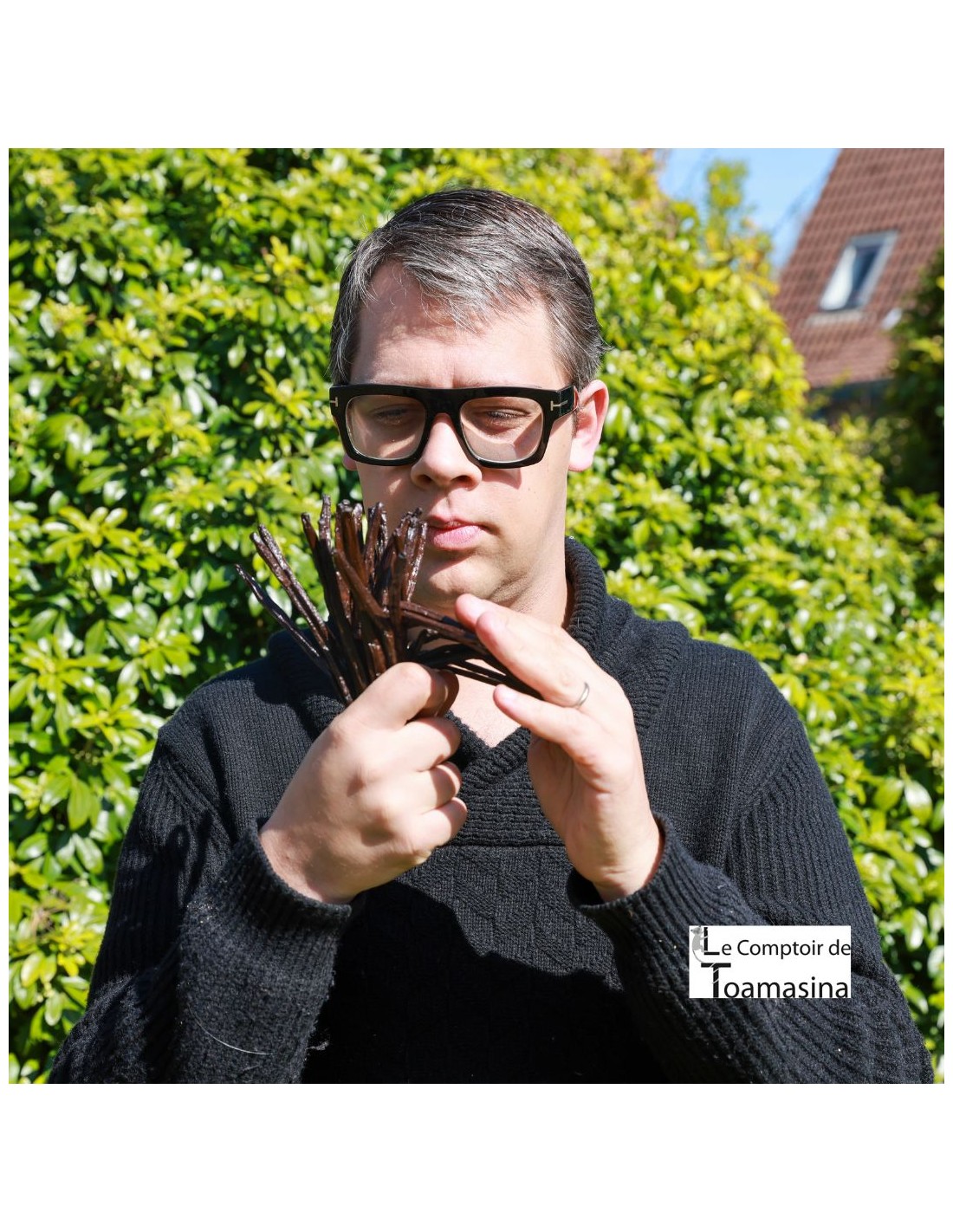
Bourbon vanilla is a very good vanilla, but it is Bahian vanilla that will have the highest concentration of vanillin, with about 8 times the aromatic power of planifolia vanilla. In this photo, you see Arnaud with Bahia vanilla.

Bourbon vanilla beans are generally longer and thinner than other vanilla varieties and contain a higher vanillin content, which gives them a more intense taste and aroma. They are thinner because the vanilla undergoes a blanching process ("échaudage"). Here, the vanilla will lose up to 5 times its weight. They are often used to flavor desserts, pastries, beverages, and even savory dishes such as sauces and marinades. If you're looking for an exceptional vanilla flavor, Bourbon vanilla beans are an excellent option. Their complex and sweet flavor profile will add a touch of sophistication to your favorite recipes.

The Bourbon Label: A Guarantee

The "Bourbon" label was created to protect and guarantee the quality of vanilla produced in Madagascar and other islands in the Indian Ocean, which are historic regions for Bourbon vanilla production. The label ensures that the vanilla has been cultivated, harvested, and processed according to strict standards, and that it meets the specific quality criteria established for Bourbon vanilla. But it also serves to differentiate this vanilla from other planifolia varieties. With over 95% of world production, planifolia vanilla is the most widely produced variety in the world. The Bourbon label is a controlled designation of origin (AOC), a form of legal protection granted to products that have a specific geographical origin and are produced according to particular quality standards. To be qualified as "Bourbon vanilla," the vanilla must be produced in Madagascar, Reunion, Mauritius, or other islands in the Indian Ocean, and it must be grown from the Vanilla planifolia variety. It's worth noting that Reunion today holds a PGI (Protected Geographical Indication), which has even stricter standards.

Bourbon vanilla must also be processed using specific methods, such as sun drying and aging, which preserve its characteristic aroma and flavor. Bourbon vanilla beans have a maximum moisture content of 38%, and between 30 and 38% for gourmet quality. Additionally, the beans must be of a specific length and diameter to be considered Bourbon vanilla beans. You should know that XS, S, M beans, or any vanilla beans under 14cm are rejects and, as they say in Brazil, sold for "banana prices". The Bourbon label is therefore a guarantee of quality for consumers and vanilla producers. It protects the reputation of Bourbon vanilla as a premium product and assures consumers that the vanilla they are buying is authentic and of high quality.

What are the aromatic components of Bourbon vanilla?

Bourbon vanilla is a complex spice made up of various aromatic substances, but it's the vanillin, glucovanillins, and acetaldehydes that give it its characteristic aroma and flavor. Vanillin is the primary aromatic compound in Bourbon vanilla, accounting for about 80 to 85% of its flavor profile. Glucovanillins are precursors to vanillin that, when exposed to specific conditions, break down to release vanillin. Acetaldehydes, on the other hand, are compounds that contribute to the sweet and floral flavor of Bourbon vanilla.

In addition to these key components, Bourbon vanilla also contains sugars, organic acids, tannins, traces of essential oils, and minerals. Bourbon vanilla beans are rich in antioxidants such as vanilloyl glucose and vanilloyl phenolic acids, which can help prevent cellular damage caused by free radicals in the body. However, it's important to note that the exact composition of Bourbon vanilla can vary depending on various factors such as the vanilla variety used, growing conditions, processing method, and harvest time.

Everything about the preparation, trunk aging, and sale of bourbon vanilla

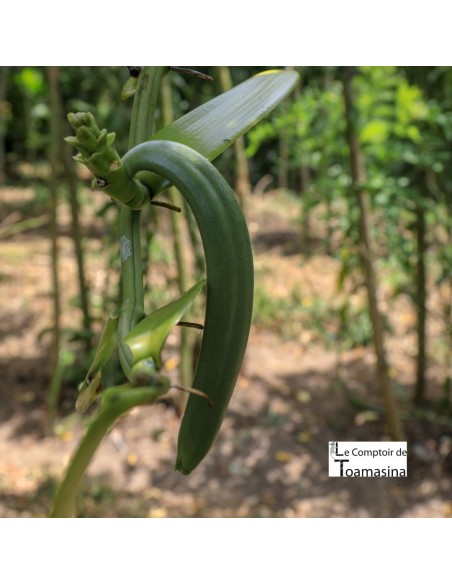
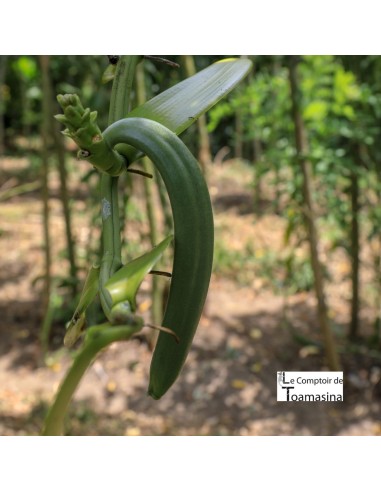
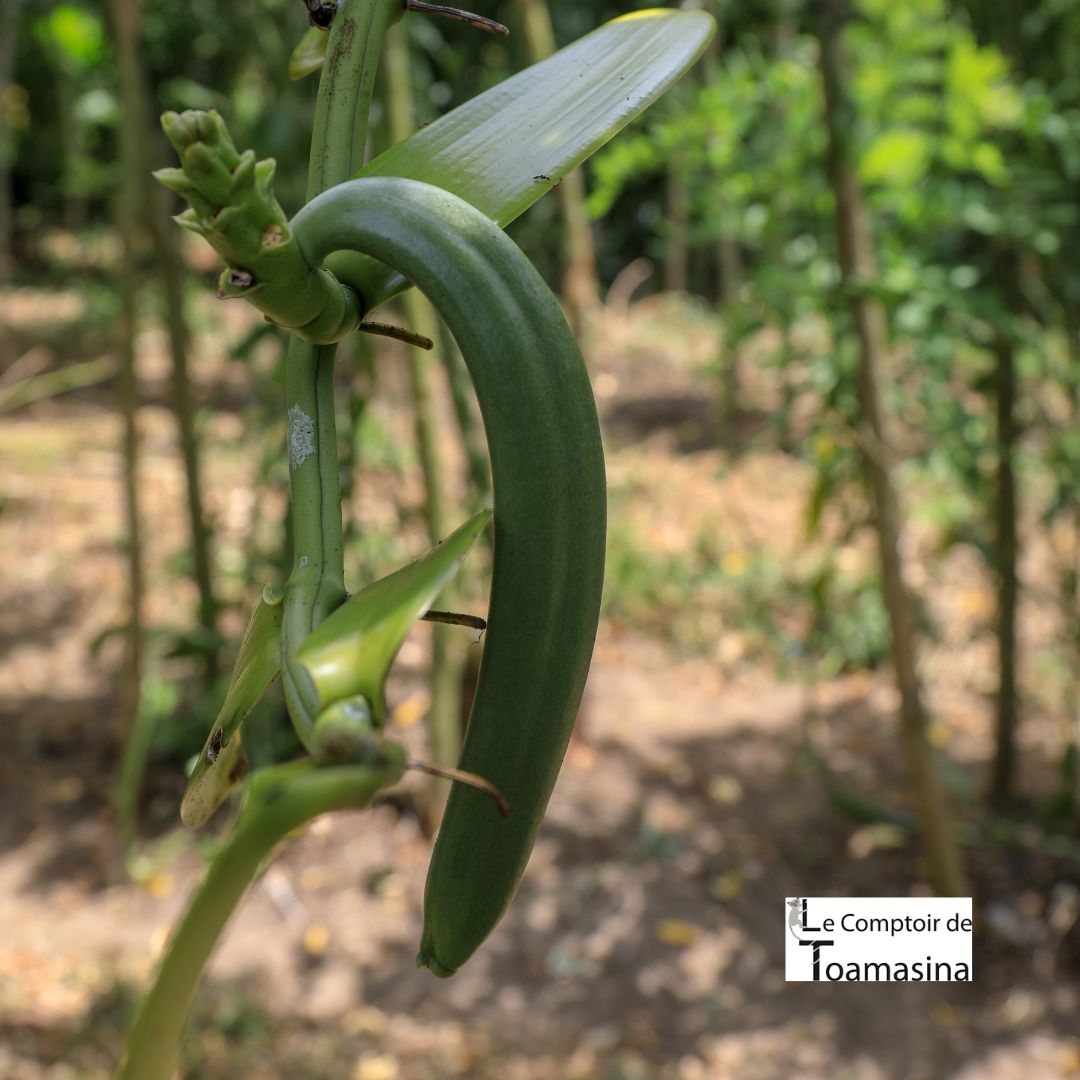
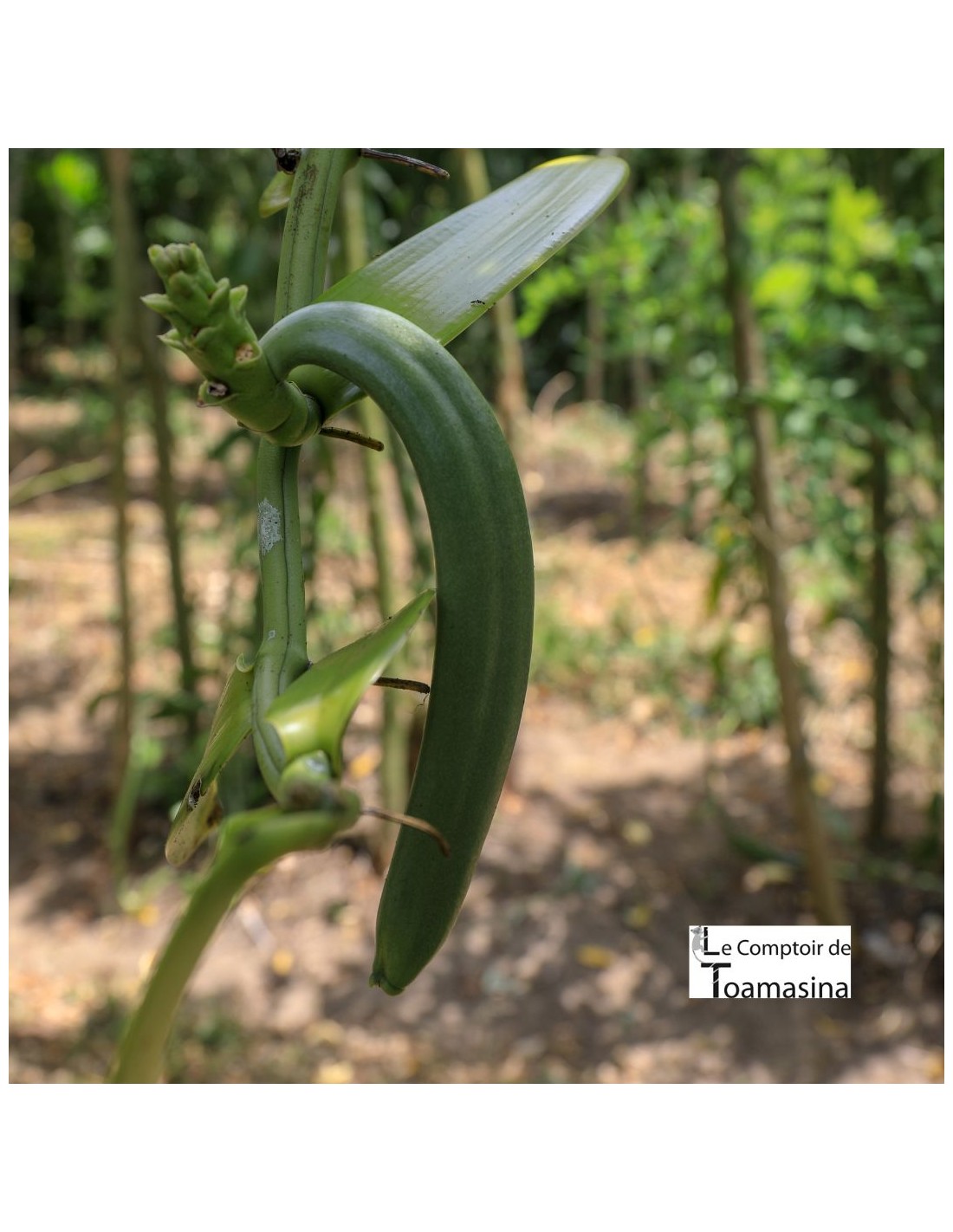
Green vanilla bean

The preparation of vanilla is the most important step in creating a good vanilla bean. You cannot have an exceptional vanilla bean without perfect preparation. First of all, we remind you that vanilla pollination is done by hand. Then, you have to wait for a decree from the Madagascar government to proceed to the harvesting stage. Vanilla is harvested green about seven to nine months after fertilization. Madagascar AOC Bourbon vanilla beans begin to ripen, and in the vast majority of cases, the vanilla reaches full maturity when:

  • Its light green color turns yellowish
  • The Madagascar vanilla becomes somewhat rough and tender
  • At the end of the Madagascar Bourbon vanilla bean, you'll see the start of a split
  • The sap of the Madagascar Bourbon vanilla bean becomes viscous

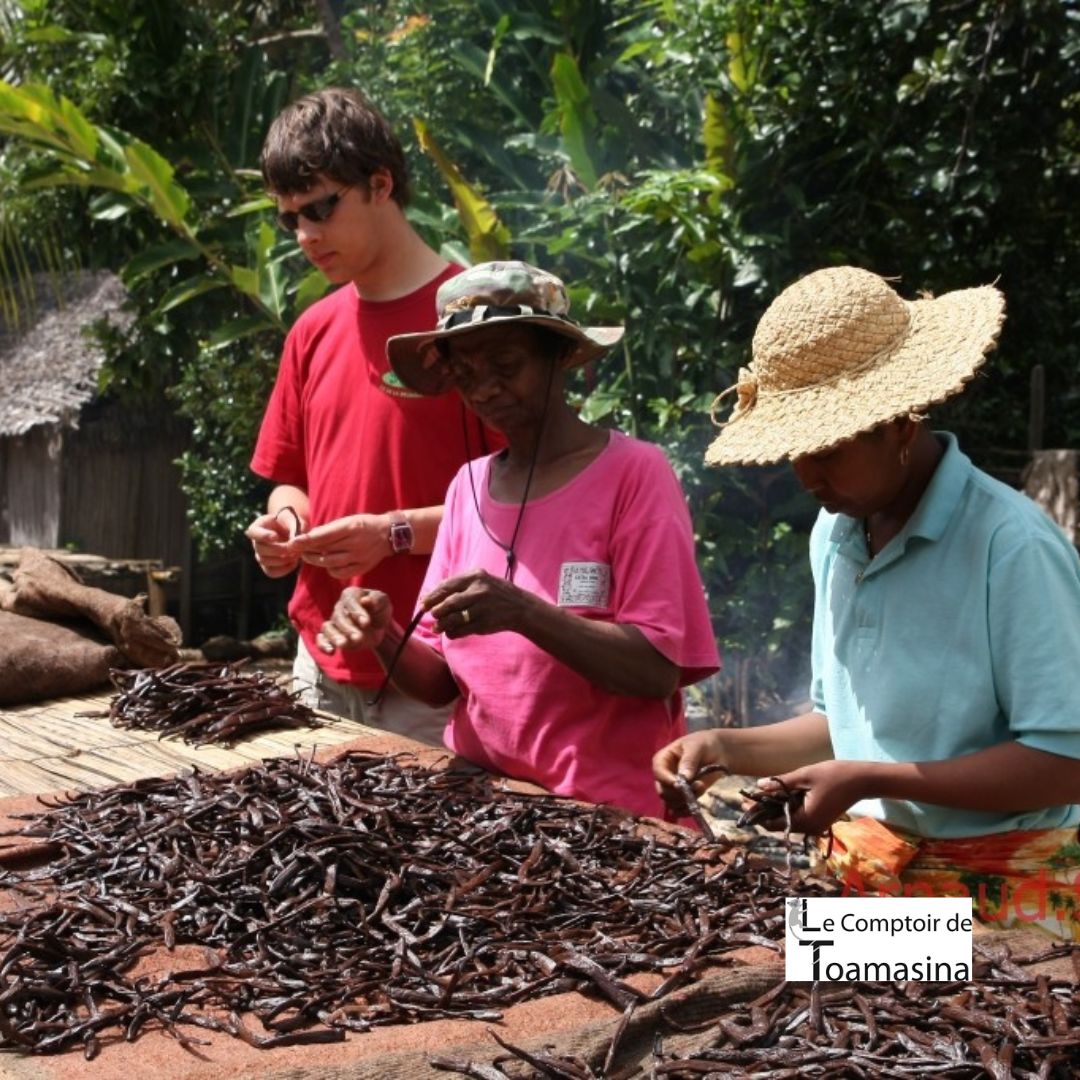
Then there are two solutions: either the producer is a vanilla preparer and will prepare the "black gold" using the traditional Bourbon method to make a delicious black Bourbon vanilla bean, or they will sell their precious beans on the local market and a preparer will handle the preparation and export. Did you know that our Vanilla Comptoir was the first online vanilla shop to launch Madagascar Bourbon Gold vanilla and also to explain the Bourbon vanilla preparation methods, especially visible on our YouTube channel?

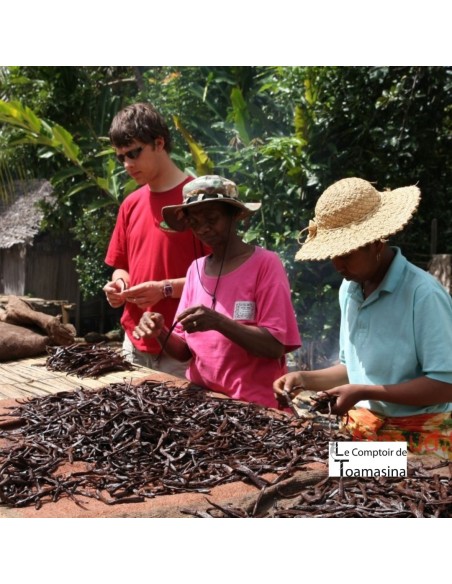
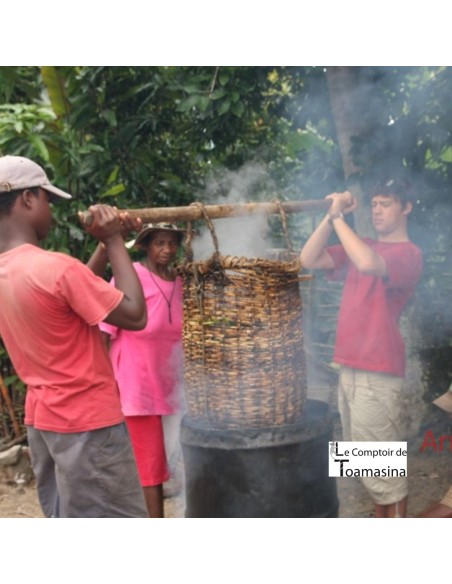
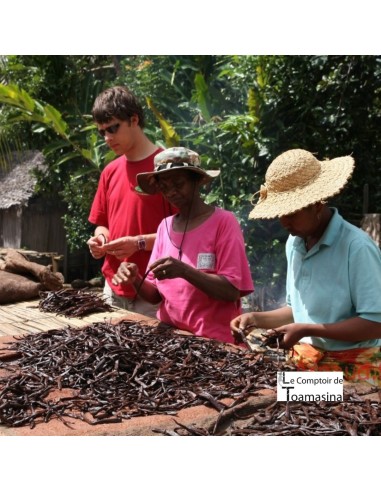
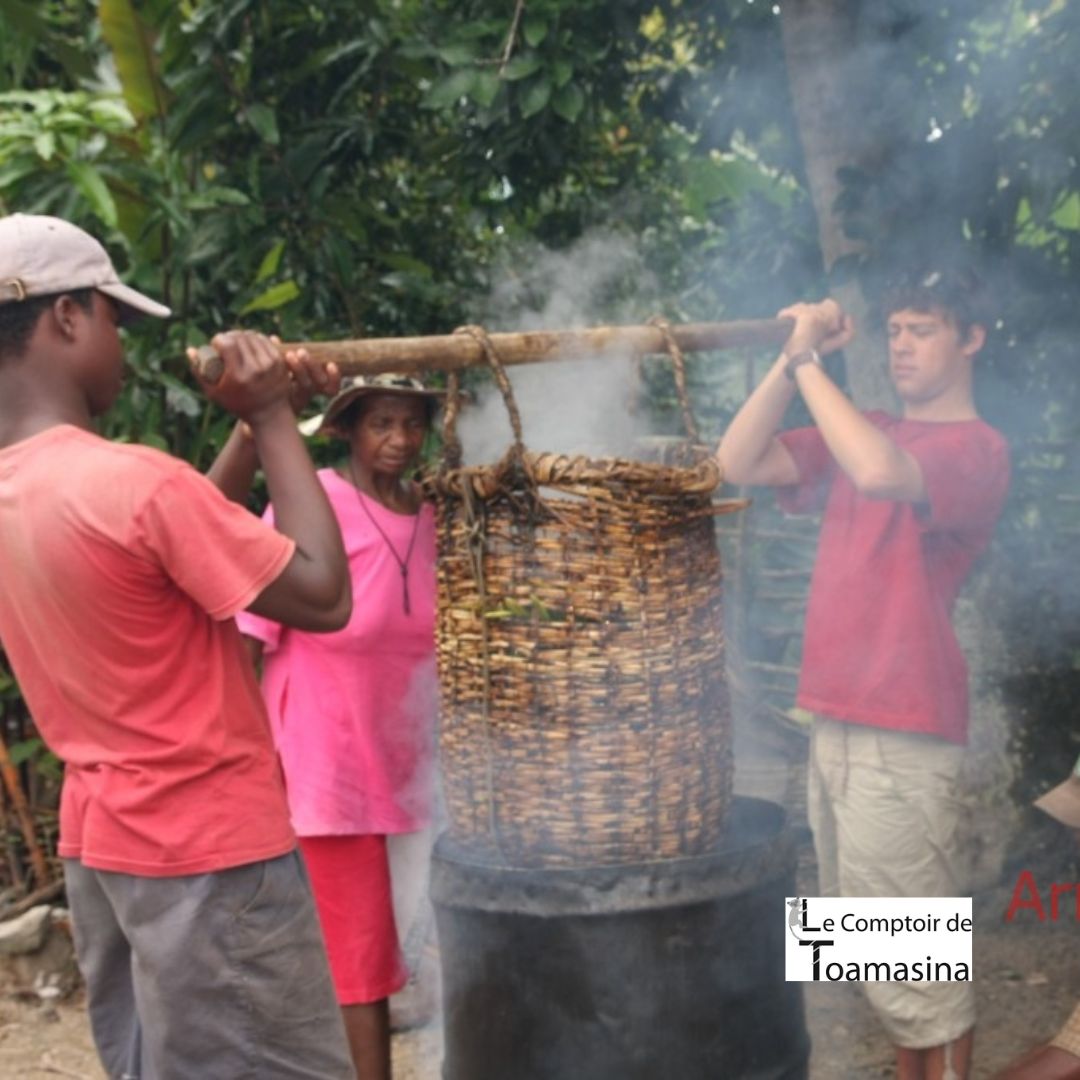
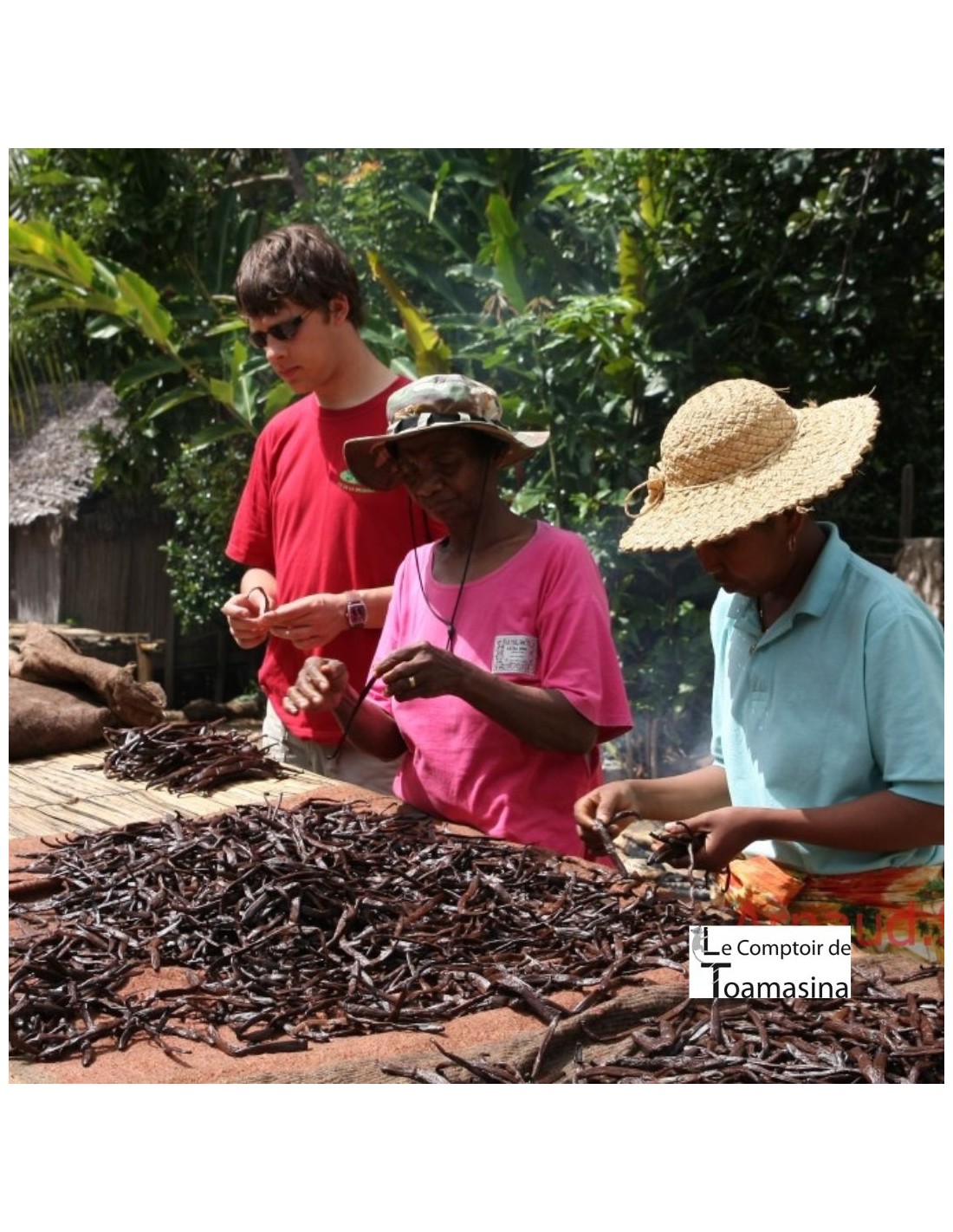
But what is vanilla preparation using the Bourbon method? The goal of preparation is to encourage the formation of the fragrance in the Madagascar AOC Bourbon vanilla bean and to give the Madagascar vanilla beans a beautiful appearance. This will also facilitate preservation. To do a proper preparation, you need a wicker basket, traditional "soubiques", a large pot, a scalding tank, wool blankets, a thermometer, shelves, drying racks, a sorting table, a large wooden trunk, a scale, raffia, and parchment paper. Before cooking, the preparer will sort the green Madagascar AOC Bourbon vanilla beans. The mature Madagascar vanilla beans will be harvested from the vine; at this phase, the vegetative life of the Madagascar vanilla bean stops. Harvesting will span over 3 months, from June to August. The sorting of the green Madagascar vanilla beans will be done in 2 batches: the first will be the unsplit beans, and the second the split and wilted beans.

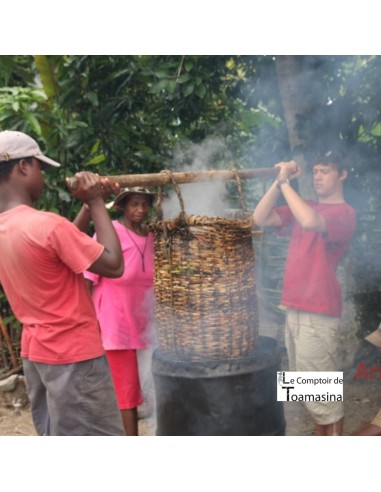
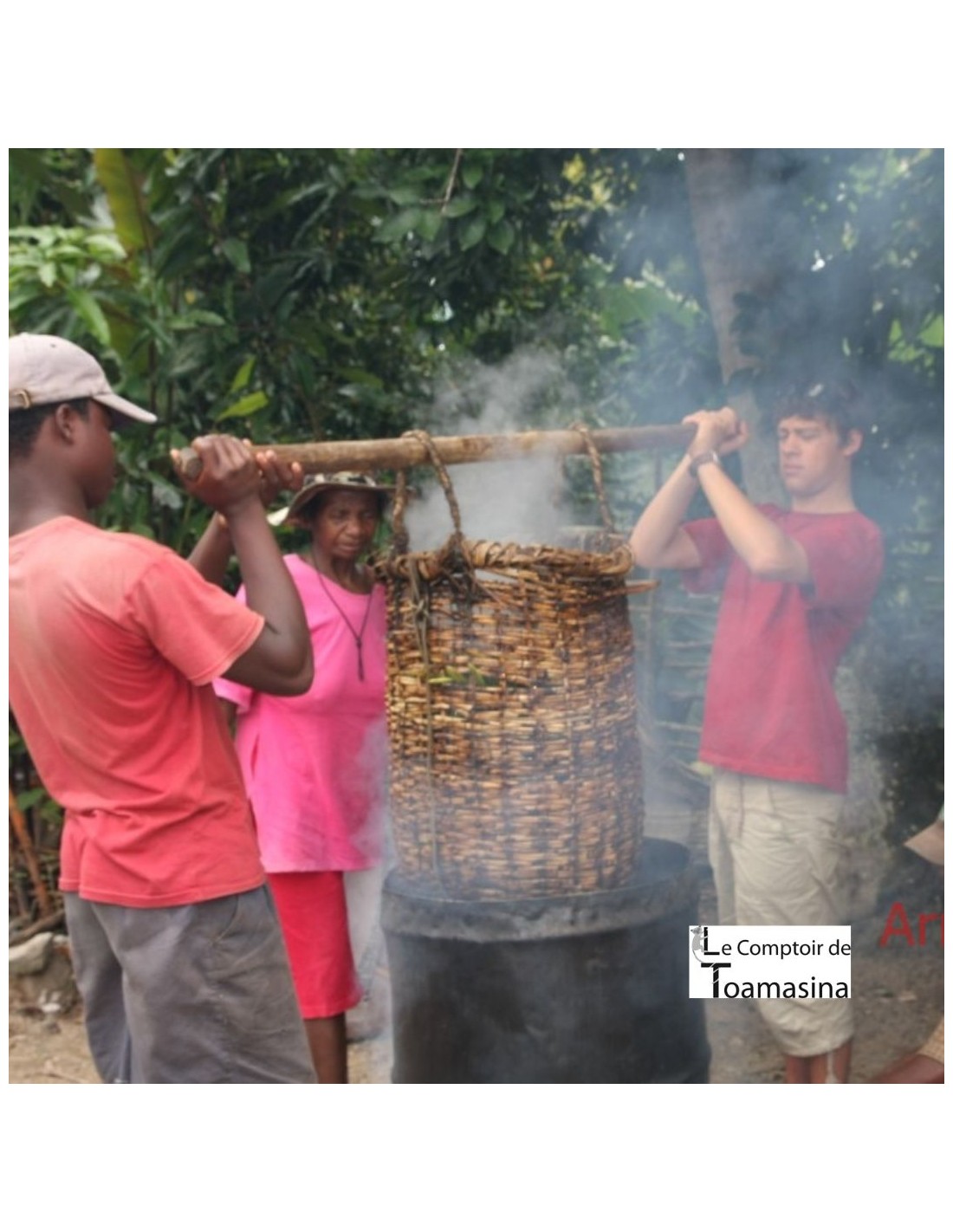
Traditional preparation of Madagascar bourbon vanilla beans

Scalding of bourbon vanilla

In Madagascar, producers use the Bourbon method to prepare vanilla. This is the most widely used preparation method in the world, even for Tahitensis vanilla from Papua and Papuan vanilla. In Tahiti, it's a different method. Once picked, the vanilla bean will go through 6 preparation steps to become a black bourbon vanilla bean. Only the best vanillas can earn the "gourmet" or "extra" designation. Here we explain the Bourbon method, which is the most widespread in the world.

  1. Scalding the green vanilla (Échaudage): Water is poured into a large pot or drum. This water is heated to 65°C, the vanilla is put in the basket, and it is dipped for two minutes. The vanilla is taken out of this water for a few seconds, then plunged back into the hot water for less than a minute. The cooking will be perfect if the vanilla changes color and the Madagascar AOC Bourbon vanilla beans resist breaking and emit oil. The contents must then be poured into a wooden box lined with wool blankets. The blankets are folded over the vanilla, and it is left to rest for 2 days. Batch 2 will only be plunged into the water for 5 minutes, then put into sweating boxes. During this phase, the vanilla's temperature should not drop below 50 degrees Celsius.
  2. Sweating (Capitonnage): Sweating is an important step after scalding. The vanilla is wrapped in a wool blanket and placed in a box; here, the vanilla will begin to acquire its superb color.
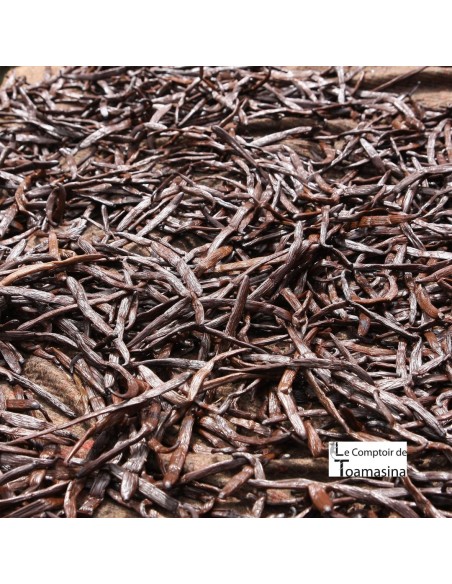
  3. Drying: Two or three days after sweating, the boxes are opened to let the beans cool for 2 to 5 hours, then drying begins for about 3 months. The vanilla will be exposed to the sun for 2 hours a day.
  4. Aging in a wooden trunk or dark room (Affinage): Aging is the most critical step; the vanilla will mature and, above all, this is where it develops its flavor. It will lose up to 40% of its water. It will gain its beautiful black and brown color. Aging can last from 1 month to 6 months depending on the vanilla.
  5. Calibration: The vanillas are sorted and then calibrated by size.
  6. Export: Vanilla import/export companies or importers will buy the vanilla from the producer.

Decrypting Vanilla Categories: A Guide to Qualities and Standards

To better understand the calibration and export process of vanilla, it's important to know the different classifications that exist for this spice. This will help you better understand the quality requirements and standards for vanilla export. We will explain the classic terms that can be found in Madagascar's plantations:

  • Fresh beans: (Its official classification is gourmet, extra, or grade A). Split or unsplit, these are Madagascar vanilla beans whose moisture content is still high (+30% moisture rate).
  • Dry beans: Split or unsplit, having reached a so-called normal degree of drying with a moisture rate of 25 to 30%.
  • Fermented beans: Altered, giving off a sour smell.
  • Moldy beans: A black coating has formed on the stem.
  • Mite-infested beans (Mitées): The Madagascar vanilla beans have been bitten by mites, causing an unpleasant odor.
  • "Poiquées" beans: The vanilla bean has small burst spots leaving little marks on its upper part.
  • Flabby beans and cuts: "Cut" vanilla refers to beans that are cut or non-standard (under ten centimeters); these beans can also be flabby or immature.

We are now in the sorting phase of Madagascar vanilla. Here, the producer-preparer will sort the beans, which involves distinguishing and organizing the different qualities. In this first phase, there will be 4 categories:

  • Black, shiny vanilla beans
  • Vanilla beans with slight defects
  • Vanilla beans with more pronounced defects
  • Rough or flabby vanilla beans

After this phase, the Madagascar AOC Bourbon vanilla bean will be measured and packaged for export. The Madagascar AOC Bourbon vanilla bean must under no circumstances be vacuum-packed during export and preparation; if it is vacuum-packed, it's a sign of bad vanilla (even during sale). Vanilla packaging is done in bundles of 80 beans, making a packet of between 250 and 500 grams depending on the length and category of the bean. Then, the vanilla will be placed in a tin box lined with special wax paper for vanilla, before being exported in cardboard boxes with wax paper inside.

Export standards for vanilla beans in Madagascar - the strict classification of vanilla

The export of Malagasy vanilla is subject to precise regulations. Each bean is evaluated against strict quality standards before being qualified for export. We will detail these standards and the resulting classification system. You'll learn how beans are graded, the criteria determining their quality, and the impact of these standards on local farmers.

At Comptoir de Toamasina, we offer premium vanilla beans from Madagascar. Our beans weigh between 2.8 and 7 grams. We favor perfectly aged beans, slightly less heavy, to guarantee superior quality. Choosing our vanilla means opting for intense and unique aromas, an explosion of flavors. As an expert in Malagasy vanilla since 2010, our batch of 20 beans is the perfect choice for lovers of this exquisite spice. Arnaud will introduce you to the different vanilla categories mentioned above. For more information, visit our YouTube channel. By buying from us, you get authentic Madagascar vanilla at an affordable price, and above all, you are choosing the cream of the crop: Extra Gourmet vanilla, adhering to Madagascar's rigorous export standards.

The quality differences of vanilla in Madagascar:

Category Min. Length Moisture Appearance
Extra / Gourmet ENF 14 cm 38 % Whole unsplit, flexible, sound, uniform dark brown to chocolate brown, some blemishes or marks possible (≤ 1/3 of length)
Prima PNF 13 cm 36 % Unsplit, sound, flexible, brown to chocolate brown, some blemishes possible
Prima PF 13 cm 36 % Same characteristics as Prima PNF, but split
Superior SNF (TK France) 13 cm 30 % Whole unsplit, flexible or dry, blemishes/marks/red threads possible
Superior SF (TK France) 13 cm 30 % Same characteristics as Superior SNF, but split
Standard CNF (Red France) 13 cm 25 % max. Whole unsplit, sound, reddish-brown to red, blemishes possible
Short Vanilla 10 – 13 cm
Cut Vanilla < 5 cm Free from foreign matter and mold, split or unsplit

Journey into the heart of Malagasy Vanilla: Technical Glossary and Key Concepts

Madagascar vanilla is known to be one of the best vanilla varieties in the world, offering a sweet and delicate flavor to a wide variety of sweet and savory dishes. However, to better understand this fascinating spice, it's important to know the technical terminology and essential definitions associated with vanilla. The vanilla bean, for example, is the fruit of the Vanilla genus, which includes about 110 different species. Did you know that 40 of these species are found in Brazil? It is usually harvested before maturity, when it is still green, and then undergoes a maturation process that gives it its characteristic color and aroma. The term "Bourbon" is also important in the vanilla world. It doesn't refer to the alcohol, but rather to Bourbon Island, now known as Reunion Island, where vanilla was first cultivated outside its place of origin in Mexico/Madagascar. Today, Bourbon vanilla is produced in Madagascar, Reunion, Mauritius, and the Seychelles. Finally, it's crucial to understand the difference between natural vanilla and synthetic vanilla. Natural vanilla is extracted directly from the vanilla bean, while synthetic vanilla is chemically produced to mimic the taste and aroma of natural vanilla. By choosing natural Madagascar vanilla, you can be sure you're enjoying an authentic, premium-quality spice. Here, Arnaud Vanille, a French vanilla specialist, will explain the technical terms of Madagascar Bourbon vanilla and its characteristics. You will learn everything about the different terms that encompass vanilla:

  • Red threads (Filets rouges): Fine longitudinal stripes on the vanilla bean, reddish-brown in color.
  • Madagascar vanilla bean: Commercial term for the whole fruit.
  • Mark (Marque): A brownish scar caused by the application of a special punch/tattoo to the bean.
  • Blemish (Tache): A localized imperfection resulting in a coloration or shine different from the normal appearance.
  • Woody Vanilla (Boisée): Heavily dried, rigid, and brittle vanilla showing reddish threads, often non-uniform.
  • Creosoted vanilla: Vanilla with a characteristic smell of creosote.
  • Mite-infested Madagascar vanilla (Mitée): Vanilla parasitized mainly by mites.
  • "Poiquée" Madagascar vanilla: Vanilla bearing blisters.
  • Split vanilla (Fendue): A bean partially opened lengthwise from the base.
  • Frosted vanilla (Givrée): Vanilla bearing naturally exuded vanillin crystals.
  • Moldy vanilla (Moisie): Vanilla with a moldy smell.
  • Prepared vanilla: Green vanilla that has undergone appropriate treatment to develop its aroma.
  • Sound vanilla (Saine): Vanilla that has suffered no alteration due to natural or artificial circumstances such as mold, insect attacks, wounds, or diseases.
  • Dry vanilla (Sèche): More or less dehydrated vanilla that has partially lost its flexibility.
  • Flexible vanilla (Souple): Fleshy and pliable vanilla.

Vanilla Bean FAQ: Expert Answers from Arnaud Vanille

Arnaud Vanille, the nickname of the creator of Comptoir de Toamasina, answers all your questions about the vanilla bean.

1. What is a vanilla bean?

A vanilla bean is the fruit of a tropical orchid called Vanilla. There are over 500 species of orchids in the world, and the vanilla orchid is the only one that produces an agricultural fruit. The Vanilla Planifolia orchid is the most cultivated in the world and accounts for 95% of global vanilla bean production. These beans are long and thin, usually dark brown, with a smooth, shiny texture. Inside each bean are small black seeds, known as "vanilla caviar." The fragrance of the vanilla is contained in both the pod and the seeds.

2. How do you recognize a high-quality vanilla bean?

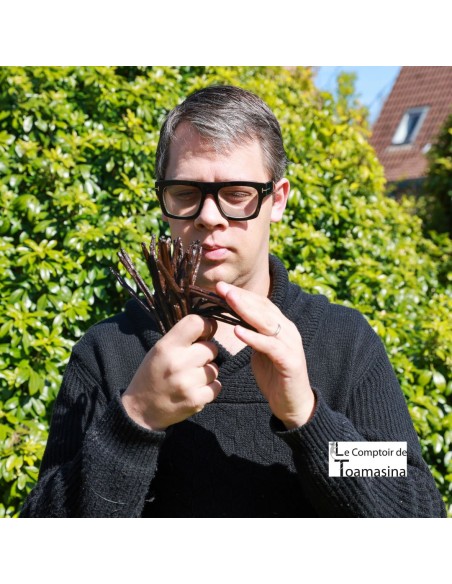
To recognize a good quality vanilla bean, you should pay attention to several characteristics. First, look for plump, moist beans, which indicate an adequate moisture content (around 33% for a beautiful gourmet quality vanilla bean). Quality vanilla is also flexible and pliable, meaning it is not dried out. You should be able to tie a knot with it. A high-quality vanilla bean will have a rich, powerful aroma, and the seeds inside should be well-developed and deep black. Avoid beans that are brittle, dried out, or show mold.

3. When do you harvest vanilla beans?

Vanilla beans are ready when the pods reach maturity. This usually happens between 7 and 9 months after the vanilla flowers are pollinated. The exact time of harvest can vary depending on the growing region, climatic conditions, and specific cultivation techniques. In Madagascar, it's between June and August depending on the production zones. In Brazil, it's twice a year. For optimal flavor, it is essential to harvest the beans at the right time, when they have developed their characteristic fragrance. It's during the last two weeks that the vanilla plant imparts all its aromatic power to the vanilla bean.

4. How do you split a vanilla bean?

To split a vanilla bean and extract the fragrant seeds, follow these simple steps:

  • Use a sharp knife to cut the vanilla bean in half lengthwise.
  • Gently open the bean to reveal the seeds inside. You can use the flat side of the knife to scrape out the seeds and add them to your recipe.
  • The empty pods can also be used to infuse liquids, such as milk, to flavor your preparations.

5. Can you freeze vanilla?

No, you should not store vanilla in the freezer. Freezing vanilla beans can cause the deterioration of vanilla molecules, which number around 11. Firstly, freezing will dehydrate the vanilla bean, making it less moist, dry, and brittle. Furthermore, it can alter the essential aromatic molecules of vanilla, notably vanillin, vanillic acid, 4-hydroxybenzaldehyde, and 4-hydroxybenzoic acid. The result will be a vanilla bean that loses much of its distinctive flavors.

6. Can you store vanilla in a little bit of alcohol or white rum?

No, you should not store vanilla in rum or alcohol. This technique is often recommended by vanilla sellers for lower quality batches, meaning poorly prepared vanilla beans. When vanilla is immersed in alcohol, it tends to soak it up, and if the vanilla is of poor quality, it won't mold or dry as quickly as it otherwise would. Furthermore, the molecules that make up vanilla act as chameleons, meaning they have the ability to capture the flavor of the alcohol. As a result, your vanilla could have a strong alcohol taste, masking its natural flavor. It is better to store vanilla beans in a cool, dry place to preserve their authentic flavor.

Native country
Madagascar
BOTANICAL SPECIES
Vanilla Planifolia
INGREDIENTS
Bourbon Vanilla from Madagascar Gourmet Quality
AROMATIC POWER
9/10
ALLERGEN
Absence
POSSIBLE TRACES OF ALLERGENS
None
PACKAGING
Bag of 20 pods
Preparation / Delivery
Preparation in 24 hours - Delivery within 48 hours
4 Reviews

Vanille parfaite
J'ai acheté 7 paquets de 20 gousses, vanille parfumée avec beaucoup de graines.
By Anthony on 06/26/2024

Belle gousse de vanille
C'est la première fois que je passe commande sur le site, la commande a été expédié rapidement, vanille dodue, charnue et avec un arôme incroyable.
By michel on 06/26/2024

Une vanille incomparable
Première commande au Comptoir de Toamasina et j'ai reçu une vanille unique. Une belle vanille et très aromatique. On pouvait la sentir à travers l'enveloppe.
By Gilles on 06/12/2024

Une vanille de grande qualité
Je dois en être à ma cinquième commande de vanille, peut-être même plus. Avec ces magnifiques gousses, je prépare des glaces, à la vanille bien sûr, ainsi que de la panna cotta. C'est assez simple et n'a rien à voir avec les autres vanilles, c'est tout simplement délicieux. Une belle vanille.
By arnaud on 06/12/2024

Customers who bought this product also bought: