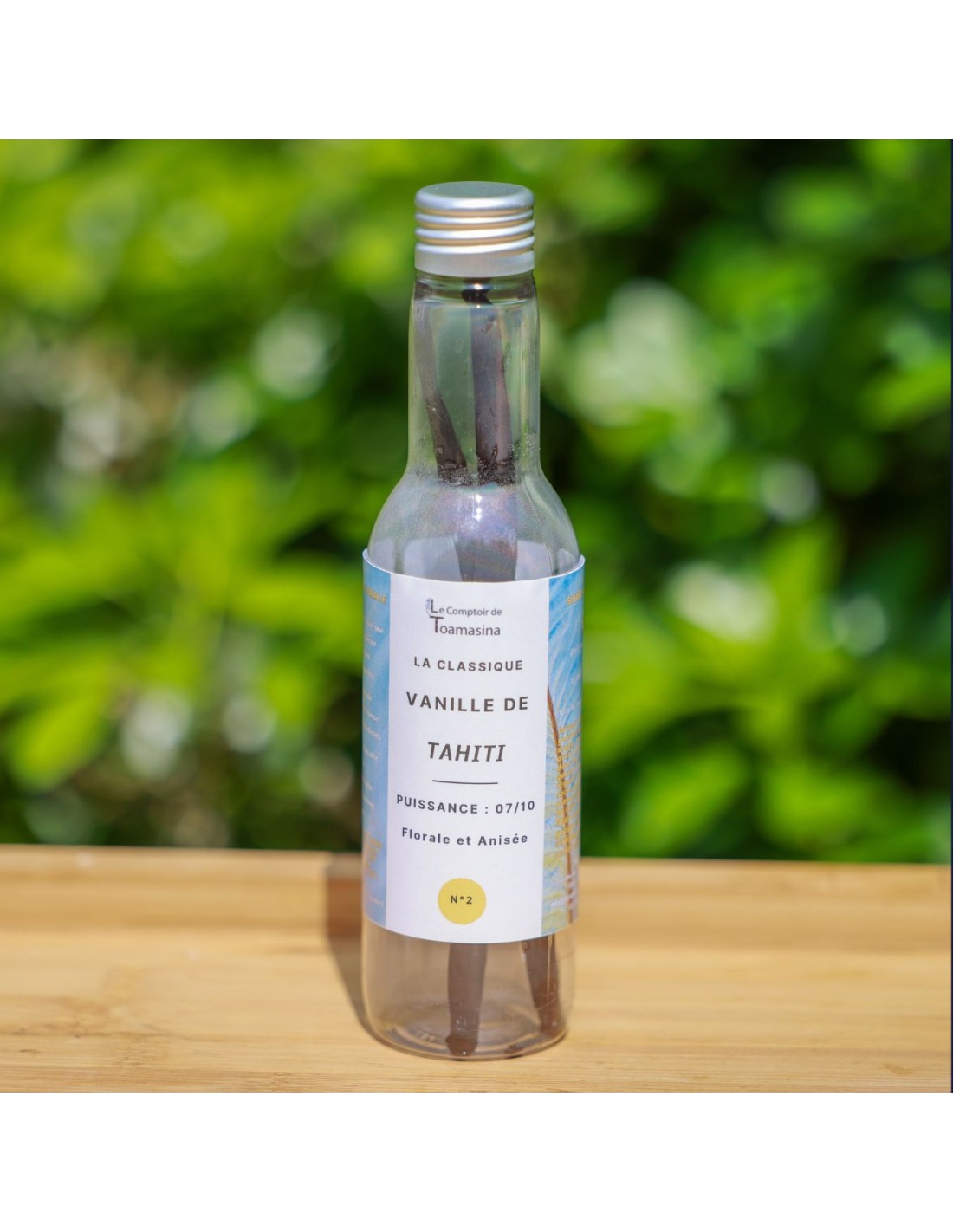
Madagascar Pompona Vanilla Bean
  • On sale!
Madagascar Pompona Vanilla Bean

Madagascar Pompona Vanilla Bean

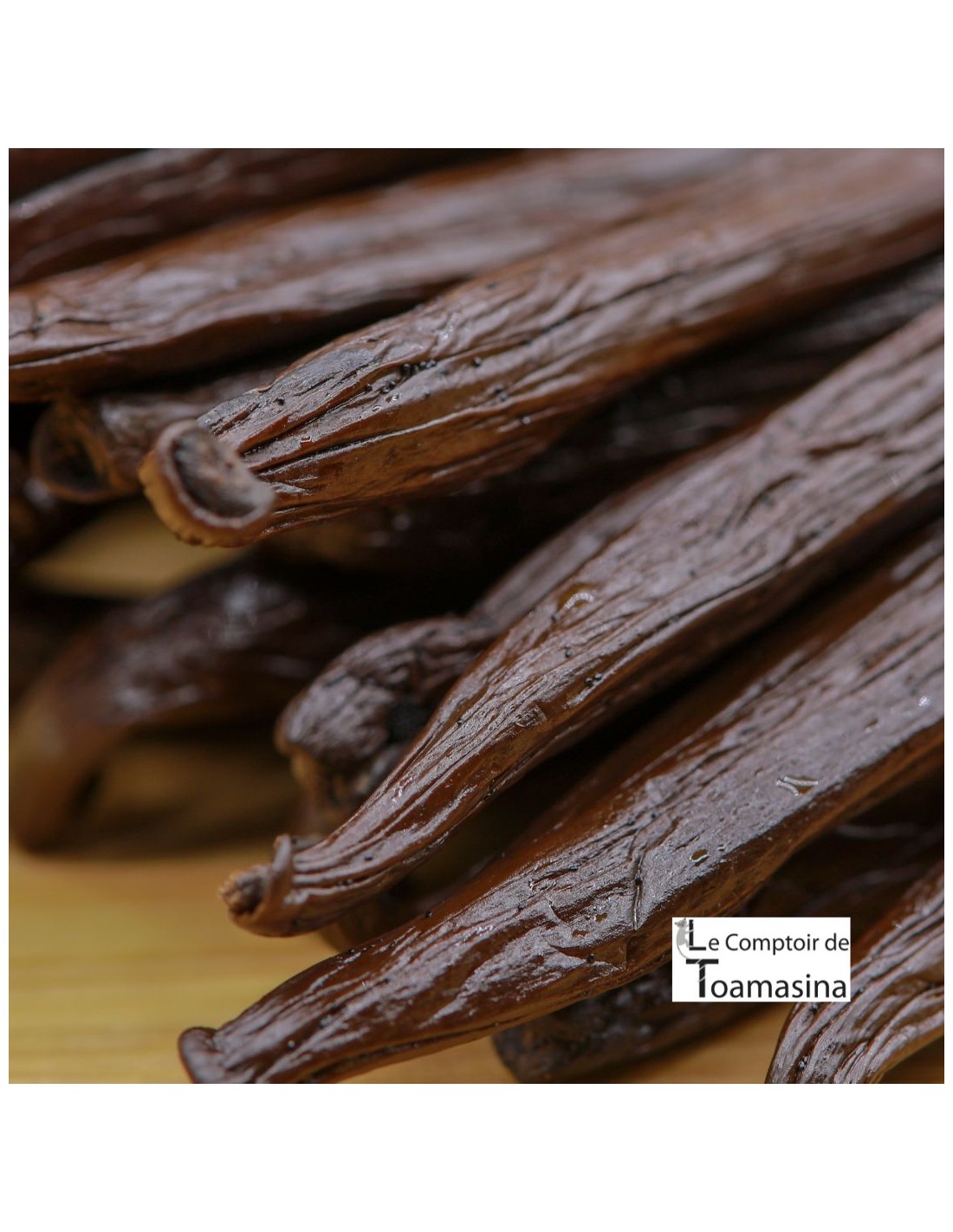
Madagascar Pompona Vanilla Bean Extra Gourmet, 16 to 22 cm long.

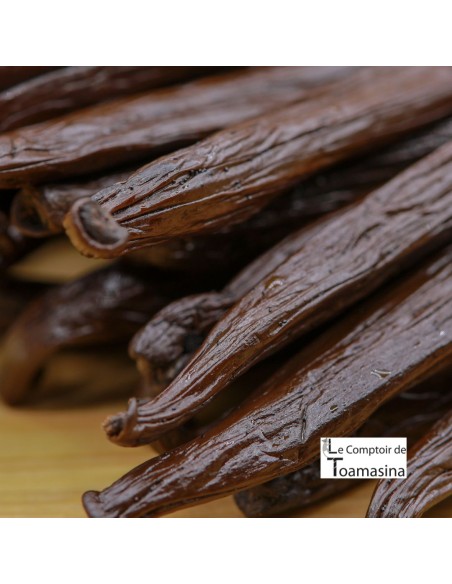
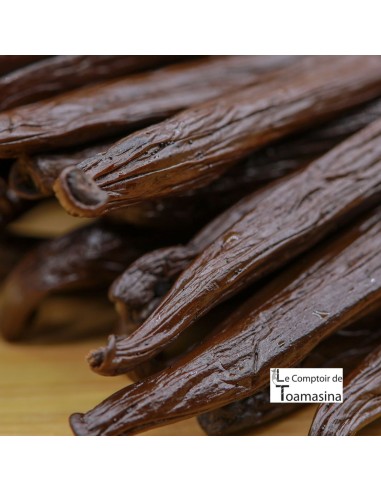
A giant, fleshy, and thick vanilla bean (known as "Banana Vanilla"). The vanilla is impressive for its width with a captivating fragrance, a taste of coumarin (Tonka bean) and leather giving way to a very floral and fruity aromatic bouquet.

  • Main notes: Coumarin (Tonka Bean) and leather giving way to a floral vanilla and ripe fruit taste.

  • Size: 16 to 22 cm (Very wide beans).

  • Aromatic Profile: The star of macerations and creams. A vanilla bean with an intense and powdery scent, the most atypical of vanillas.

  • Packaging: Bag or box of 1 bean.

  • Quality: Gourmet - Extra (Controlled moisture content).

Discover an exceptional vanilla, a rare botanical variety. Buy a collector's vanilla with the best quality-price ratio. A vanilla truly off the beaten path!
VTRPSGC
€8.50


Pompona Vanilla from Madagascar
Banana vanilla, a rare grand cru

« This isn't an everyday vanilla; it's an experiential vanilla. Fresh tobacco, leather, licorice, and tonka bean — moving far beyond standard baking vanilla. »

Giant banana vanilla

Nicknamed for its wide, plump pods with a triangular cross-section. An extraordinary size.

Tonka and leather notes

A powerful profile: heliotrope, leather, licorice, and intoxicating florals. A perfumer's vanilla.

Botanical rarity

A confidential species, grown in very small quantities in Madagascar, rarely available in Europe.

Most people who love vanilla have only tasted one species. Vanilla planifolia, or Bourbon vanilla, accounts for the vast majority of global production and is what you find everywhere. Pompona belongs to another world.

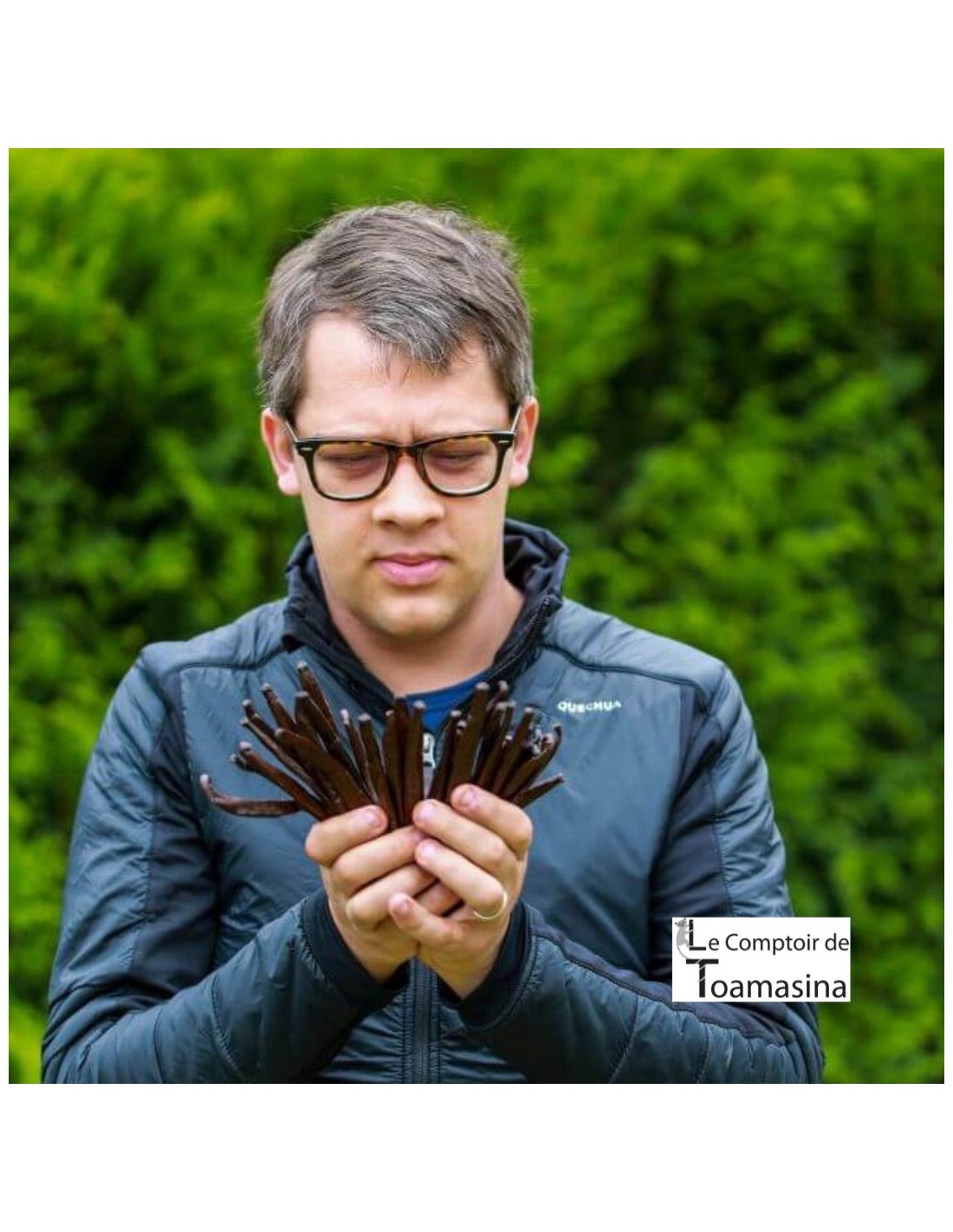
I am Arnaud Sion, founder of Le Comptoir de Toamasina. I discovered Pompona vanilla in 2010, the year I started my company, during my vanilla selection training in Madagascar. Fifteen years later, it remains one of the few spices that consistently surprises people when they smell it — simply because it doesn't smell like the vanilla they expect.

What you'll see in this video

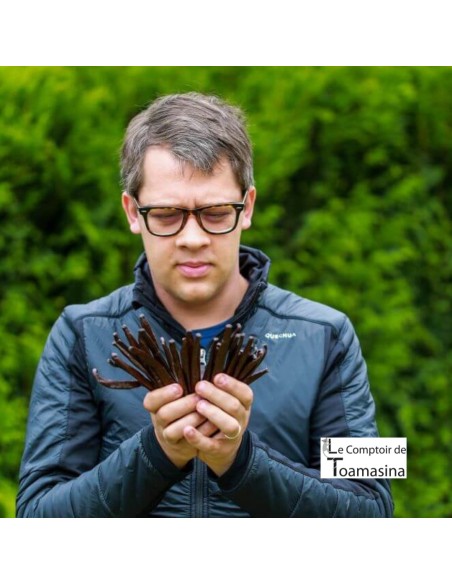
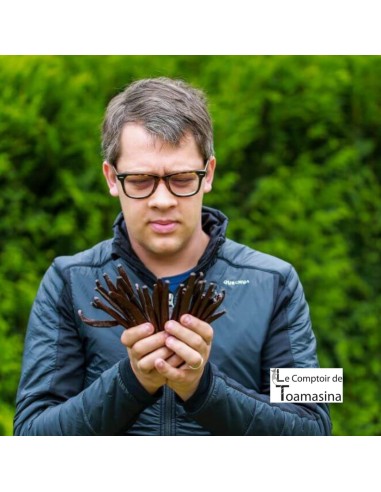
The Pompona pod in hand, compared to a classic Bourbon pod: the width, the thickness of the flesh, and the distinctive triangular cross-section. It's the only way to understand why it's called banana vanilla — photos don't capture the scale.

Technical Specifications

What you receive

Pompona vanilla pods from Madagascar, individually selected for size, flexibility, and curing consistency.

  • SpeciesVanilla pompona Schiede
  • OriginMadagascar
  • NicknameBanana vanilla
  • AppearanceWide, plump pod, triangular cross-section
  • Aromatic markerPiperonal (heliotropine)
  • ProfileFresh tobacco, leather, licorice, tonka bean, floral notes
  • AppellationOutside the Bourbon designation, reserved for planifolia
  • StorageGlass tube or airtight jar, never refrigerated

Comparative Sensory Analysis

Pompona · Bourbon · Tahiti

Three vanilla species, three aromatic worlds with almost nothing in common

Pure Vanilla
Tonka · Heliotrope · Powdery
Leather · Tobacco · Licorice
Cocoa · Caramel
Floral · Ripe Fruits
Pompona Vanilla
Bourbon Vanilla (planifolia)
Tahitian Vanilla

Arnaud's Note: « Bourbon dominates pure vanilla and cocoa notes — it's the classic baking vanilla. Tahitian leans floral and anise-like. Pompona goes elsewhere: tonka, leather, fresh tobacco. It has less vanillin, but a far more complex bouquet. A vanilla that behaves like a spice, not just a flavoring agent. »

Pompona · Bourbon · Tahiti

Who I am and how I select this vanilla

Fifteen years in the vanilla industry

I created Le Comptoir de Toamasina in 2010 with an initial investment of 414 euros and ten kilograms of Bourbon vanilla. It was during that year, while training in Madagascar on vanilla selection and curing, that I encountered Pompona for the first time.

My approach hasn't changed since: I am not a grower, nor do I claim to be. This vanilla is sourced from an importer — but I personally select the batch based on criteria refined over fifteen years of daily handling.

This passion led me beyond selection: I tested vanilla growing myself in Brazil, in Minas Gerais, with the Arnaud Vanille plantation. Hand-pollinating a flower, waiting nine months, learning the curing process — hands-on experience is what truly teaches you what separates a great pod from an average one.

My selection criteria for a Pompona batch

  • Size and uniformity. A true Pompona must be wide and plump. Batches with extreme size variations signal poor sorting.
  • Flexibility. Despite its thickness, the pod must remain supple. A rigid Pompona was dried too quickly at the expense of its core.
  • No mold. This is the main risk with this variety: thick flesh retains moisture. Every pod must be inspected individually.
  • Cold fragrance. A fine Pompona immediately releases tonka and leather notes without needing to be split open.
  • Uniform curing. Looking at a cross-section, the core must share the same color and suppleness as the outer skin.

To be completely honest: Pompona is a rare and fascinating scent experience, but my personal favorite remains Bahian vanilla from Bahia, which you can also find on our store. I prefer transparency over declaring every product to be "the best in the world."

What is Pompona vanilla

Vanilla pompona Schiede is its own distinct species, separate from planifolia (Bourbon) and tahitensis (Tahiti). Native to tropical America, it acclimated to Madagascar where it is produced on a very limited scale.

Three key features set it apart:

  • Giant proportions. Pods are broad, plump, often triangular in section, and far thicker than Bourbon pods — earning it the nickname "banana vanilla."
  • Different chemical makeup. It generally contains less vanillin than Bourbon, but is rich in piperonal (heliotropine), giving it powdery notes akin to tonka bean.
  • A distinct status. It does not carry the Bourbon appellation (reserved for Indian Ocean planifolia), yet commands equal or higher prices due to its botanical rarity and processing difficulty.
Criterion Pompona Vanilla Bourbon Vanilla Tahitian Vanilla
Species Vanilla pompona Vanilla planifolia Vanilla tahitensis
Appearance Wide, plump, triangular section Long, slender, flexible Wide, short, very flexible
Vanillin content Lower Highest Low
Key aromatic marker Piperonal (heliotropine) Vanillin Anisaldehyde
Dominant profile Tonka, leather, tobacco, licorice, floral Bold vanilla, cocoa, caramel Floral, aniseed, red berries
Best uses Long macerations, rich creams, chocolate All traditional baking Raw desserts, fruit, cold dishes
Bourbon Appellation No Yes (if Indian Ocean) No

A challenging variety to cure

Pompona's rarity isn't just about trends or acreage; it is significantly harder to process than Bourbon vanilla, posing real financial risks to growers.

1

Lower yield

Cultivating Pompona yields less per acre compared to planifolia, making it less attractive for high-volume farmers.

2

Longer drying time

While standard pods dry in weeks, Pompona's thick flesh takes much longer. The core must dry in harmony with the outer skin.

3

Fermentation risk

Retained moisture increases mold risks. Cueros must inspect each pod individually over several weeks.

This painstaking work gives a properly cured Pompona its jammy notes and supple texture. By purchasing this vanilla, you support the preservation of an heirloom species in Madagascar.

How to use Pompona vanilla

Pompona has strong character. Its thick skin releases flavor slowly: a drawback for quick cooking, but a major advantage for long macerations.

Three essential rules

  • Infuse longer. Thick flesh won't release its aroma in ten minutes. Allow double the time, or better yet, perform an overnight cold infusion in cream or milk.
  • Use less. A single pod suffices for a liter of infused rum (rhum arrangé), where you would typically use two or three Bourbon pods.
  • Never discard the pod. After scraping the seeds, rinse and dry the pod, then slip it into your sugar jar or oil bottle.

Pairings that work well

  • Alcoholic infusions: Rum, whisky, vodka — the thick skin infuses gradually without becoming overwhelming.
  • Dark chocolate: Leather notes enhance cocoa instead of overly sweetening it.
  • Rich creams: Tonka notes bind beautifully with the fats in eggs and cream.
  • Autumn fruits: Pear, quince, fig pair naturally with the tonka-like aroma.
  • Red berries: Powdery depth balances fruit acidity.

Five recipes to discover Pompona

  • Pompona Infused Rum (Rhum arrangé): One split pod per liter of rum, macerated for at least three months.
  • Tonka-Style Pastry Cream: A long milk infusion delivers natural tonka flavor without adding tonka beans.
  • Pompona Poached Pears: The syrup gains rich color and deep aroma. Leave the pod in the jar.
  • Whipped Dark Chocolate & Pompona Ganache: Ideal for macarons or cakes.
  • Old-Fashioned Vanilla Ice Cream: Cold-infused custard base for a deep, complex flavor.

Storage and substitutes

How to store your Pompona

  • Use a glass tube or airtight jar, never standard plastic bags that let air in.
  • Store away from light at a stable room temperature.
  • Never refrigerate or freeze: moisture and cold damage the pod and mute its aromas.
  • Check occasionally for mold due to the thick flesh.

What to substitute it with? Its profile is unique, but combining a classic Bourbon pod with a bit of grated tonka bean provides a similar powdery note. Tahitian vanilla offers another floral alternative.

Frequently Asked Questions

What is Pompona vanilla and why is it called banana vanilla?
It is its own vanilla species, Vanilla pompona Schiede. Pods are wider and plumper than classic varieties, with a triangular cross-section that earned it the nickname "banana vanilla."
How does its flavor compare to Bourbon vanilla?
Bourbon vanilla is sweet, cacaoid, and caramel-like. Pompona has less vanillin but is rich in piperonal, giving it notes of tonka bean, leather, fresh tobacco, and licorice.
Why is Pompona vanilla so rare?
It yields less per acre and requires meticulous, slow curing due to its thick flesh, making it less commercially viable for mass production.
How should I dose Pompona vanilla?
Use less than Bourbon: one pod is enough for a liter of infused rum. However, allow for longer infusion times.
Is Pompona vanilla a type of Bourbon vanilla?
No. Bourbon is an official designation reserved strictly for Vanilla planifolia grown in the Indian Ocean region.
Where does Le Comptoir de Toamasina source its Pompona vanilla?
From small growers in Madagascar, selected personally by Arnaud Sion based on pod size, suppleness, cold scent, and curing quality.
Can you reuse a Pompona pod?
Yes. After scraping out the seeds, rinse and dry the pod, then store it in your sugar jar or oil bottle to capture remaining aromatics.
What can I replace Pompona vanilla with?
The closest alternative is a Bourbon vanilla pod combined with a pinch of finely grated tonka bean.
Native country
Tahiti
BOTANICAL SPECIES
Vanilla Tahitensis
INGREDIENTS
Tahitian Vanilla
AROMATIC POWER
7/10
ALLERGEN
None
POSSIBLE TRACES OF ALLERGENS
None
PACKAGING
Bottle or Sachet
Preparation / Delivery
Preparation within 24 hours - Delivery within 48 hours
No reviews

Customers who bought this product also bought: