Smoked Black Pepper
Smoked Black Pepper
Smoked Black Pepper
Smoked Black Pepper
Smoked Black Pepper
Smoked Black Pepper
Smoked Black Pepper
Smoked Black Pepper

Smoked Black Pepper

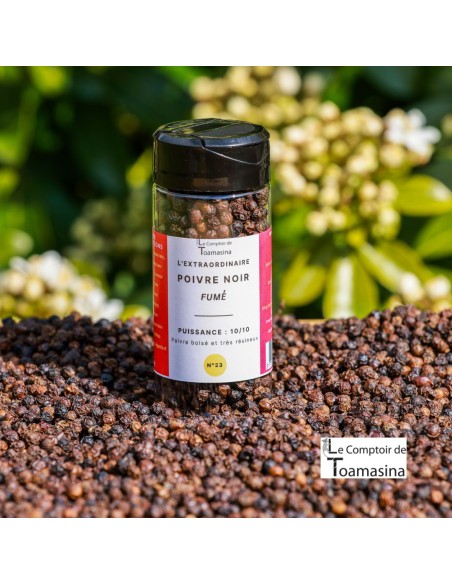
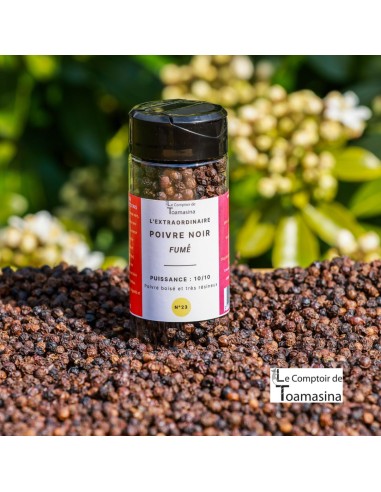
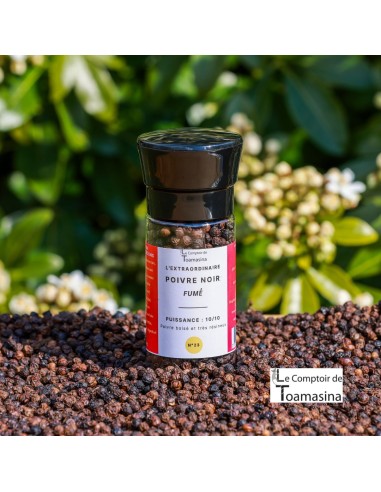
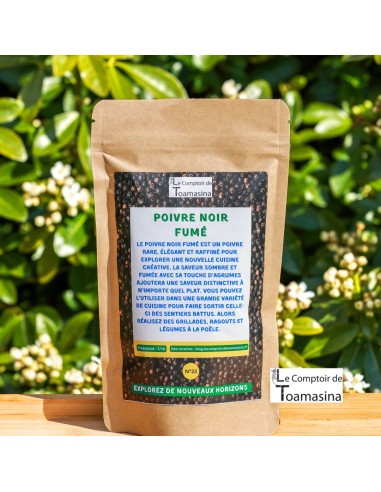
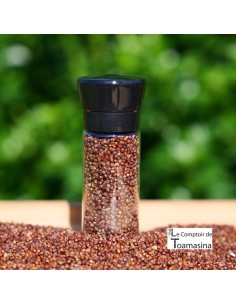
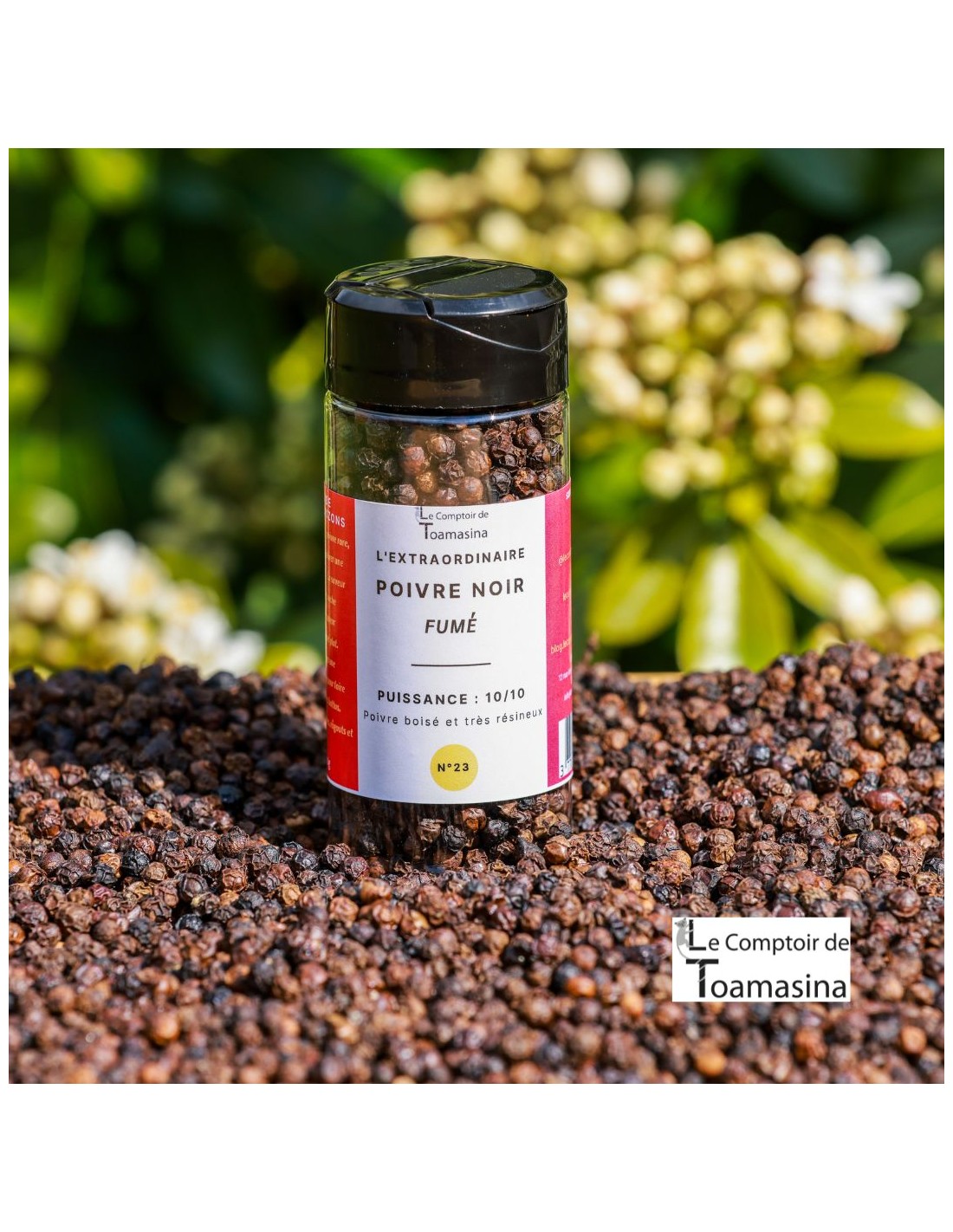
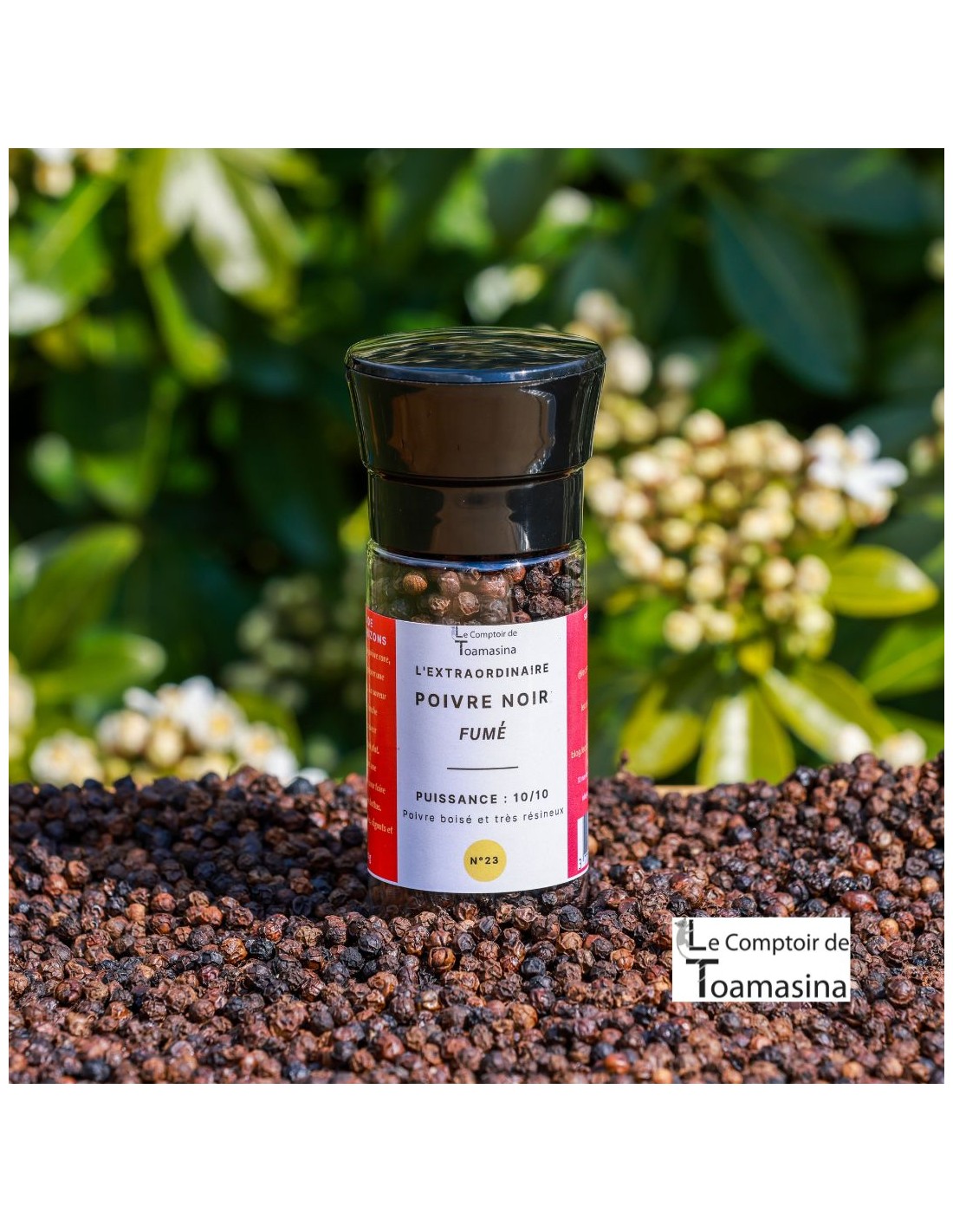
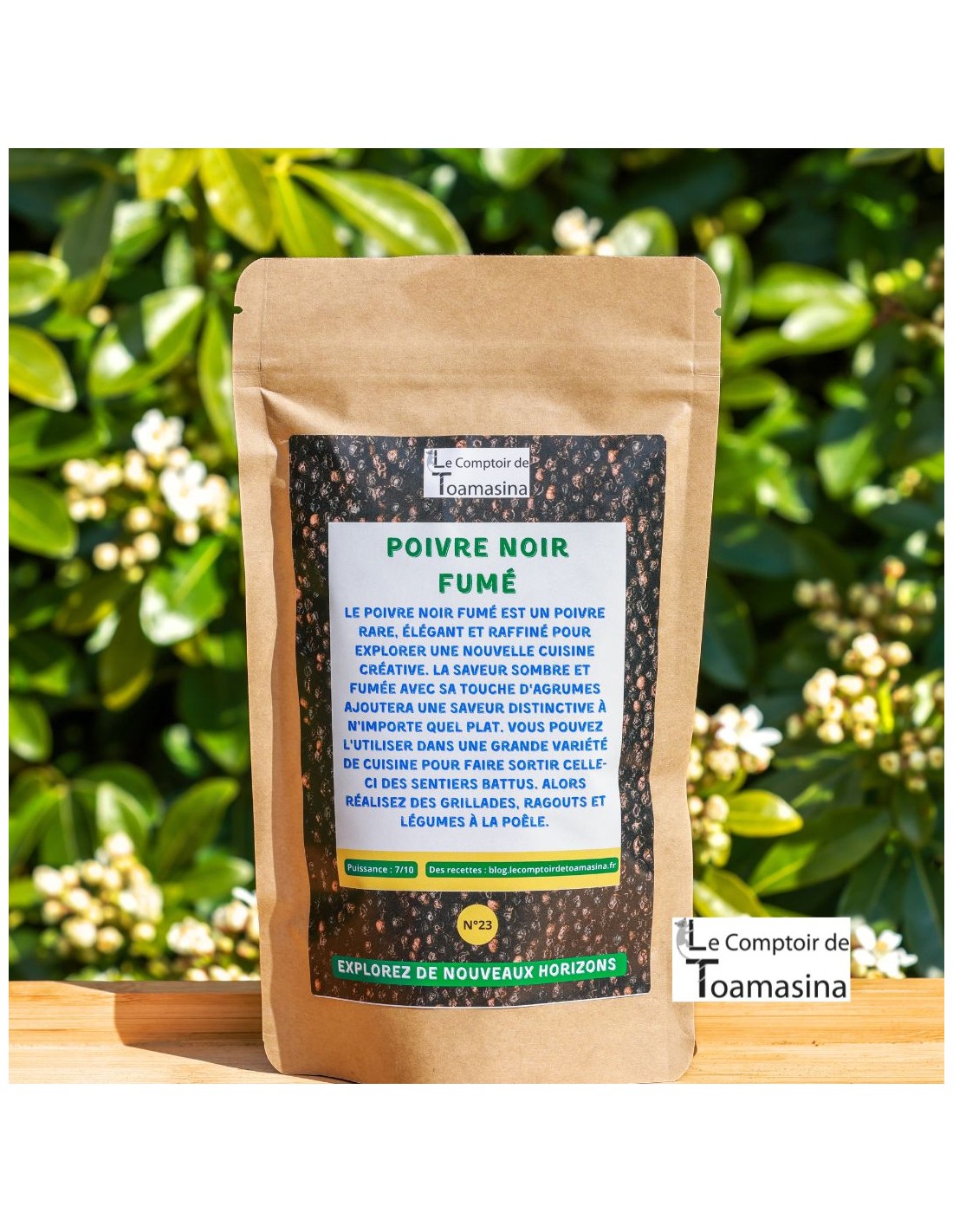
Explore new horizons with the smoked black pepper from Comptoir de Toamasina. Discover a rare, elegant and refined black pepper to explore a new creative cuisine.

So buy smoked black pepper to add flavor to your dishes

  • Pepper Power: 6/10
  • Main notes: woody and very resinous with an incredible citrus touch
  • Use: Ideal for all savory dishes, especially meats

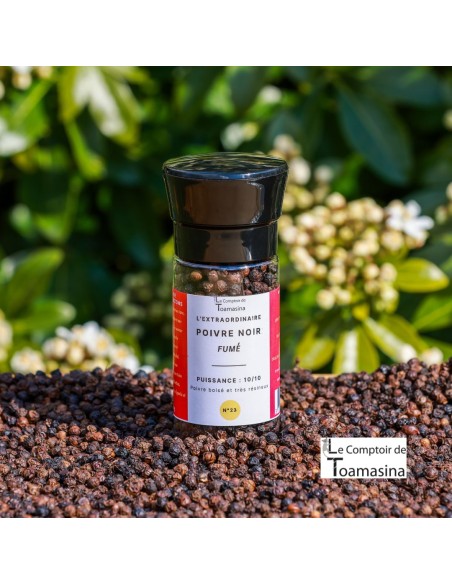
The dark and smoky flavor of the best smoked black pepper from our Comptoir, specialist in black peppers, will add a distinctive flavor to any dish. This incredible quality pepper can be used in a variety of cuisine and will think outside the box. We also market it under the smoked black pepper mill and smoked black pepper per kilo.

Packaging
PNFAM
€5.27


Smoked Black Pepper
subtle and surprising

“The only pepper in my range that is treated almost like a smoked tea. If you love Lapsang Souchong, you'll immediately understand what I mean.”

True Wood Smoking

The peppercorn is smoked over real wood, not artificially flavored. You smell the difference as soon as you open the pouch.

Unique Profile

A bold, spicy attack followed by a long woody finish with subtle marine notes.

Versatility

Elevates grilled salmon as effortlessly as homemade mashed potatoes or scrambled eggs.

Smoked black pepper is the spice that surprises people most when I host tastings. People expect pepper and receive a burst of wood smoke. It's the same sensation as your first sip of Lapsang Souchong: your brain takes a couple of seconds to process what's happening, and then asks for more.

For those wanting to explore the world of pepper beyond standard black pepper, this is likely the best gateway. And in bulk kilo format, it's the perfect opportunity to indulge without counting every turn of the mill.

What You Will See in This Video

The smoked black peppercorn in hand: its darker hue compared to standard black pepper, its rich aroma the moment the bag opens, and the immediate reaction of people when Arnaud lets them smell it. One minute to understand why this pepper stands apart from everything else in our collection.

A Note from Arnaud

Since 2010, I have been selecting the finest spices and peppers for you, and smoked black pepper is one of my most surprising personal favorites. It is the only pepper in my range handled almost like a smoked tea rather than a standard spice—meaning it should be dosed differently and not scattered indiscriminately. Here, I share everything I've learned about this spice, from the wood smoking process to culinary dosing.

Technical Specifications

What You Receive

Whole black peppercorns, smoked over wood, hand-packaged by us. Here are the details you need before ordering.

  • SpeciesPiper nigrum
  • Smoking MethodTraditional wood smoking
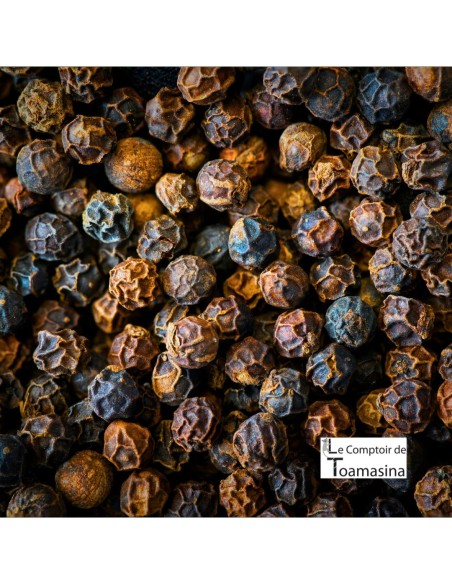
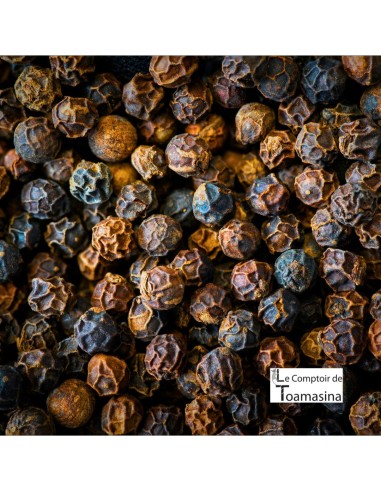
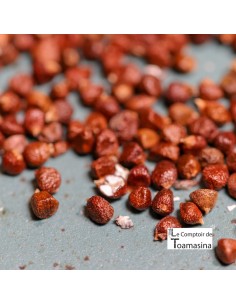
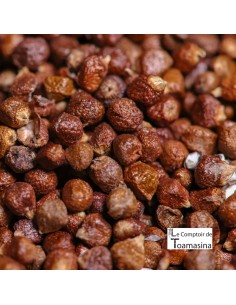
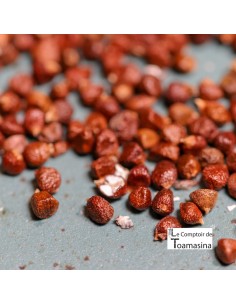
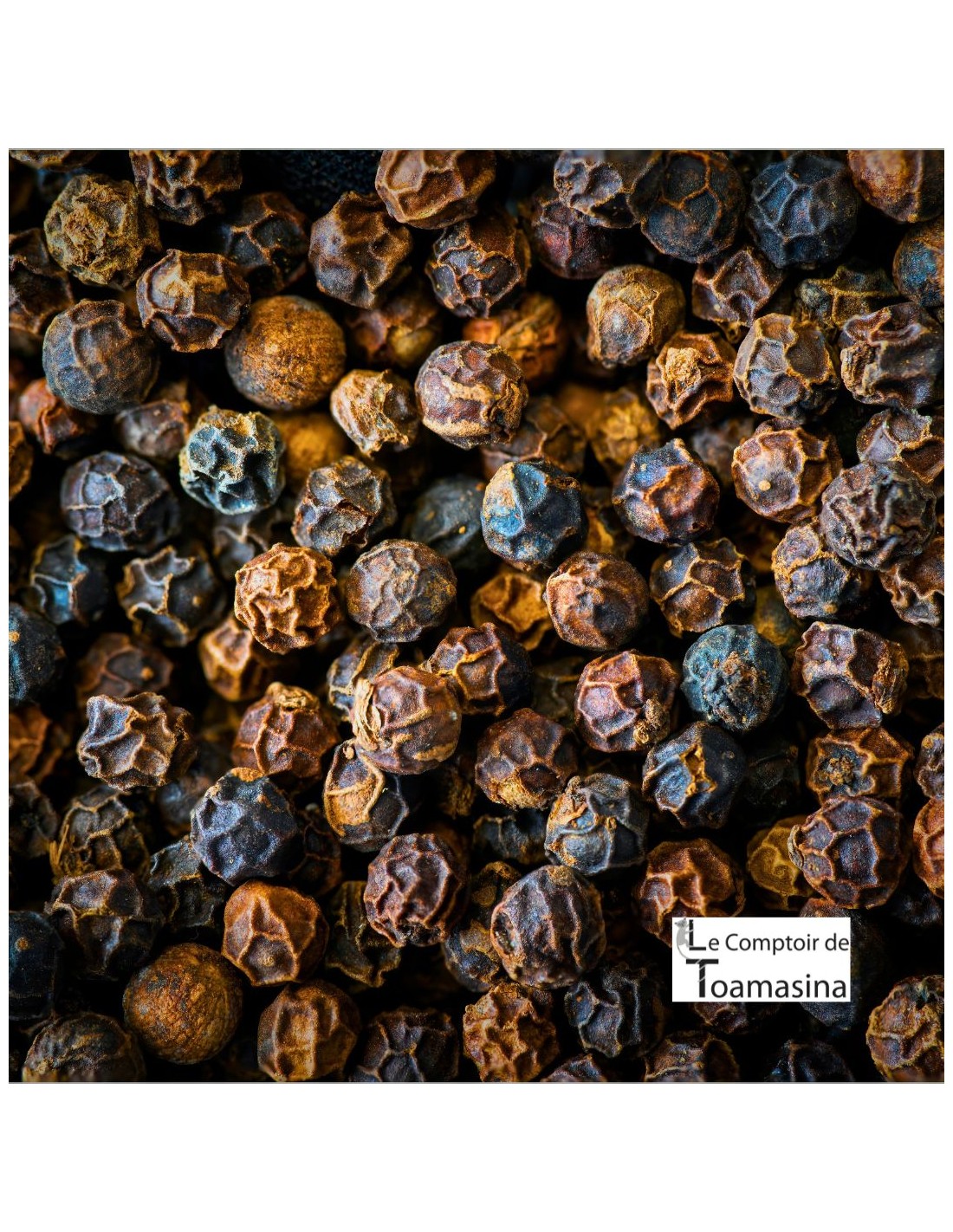
  • AppearanceWhole peppercorns, wrinkled black outer husk, darker than standard black pepper
  • IngredientsBlack pepper, wood smoke. No added flavorings.
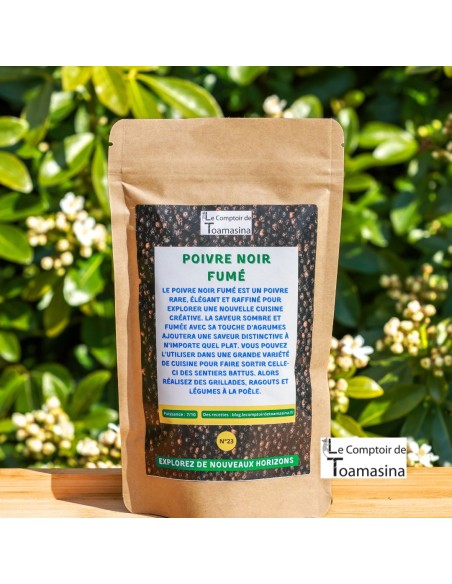
  • PackagingPET jar, pepper mill, doypack pouch, vacuum-sealed kilo bag
  • Storage3 years as whole peppercorns, away from light

Sensory Analysis

Comparative Aromatic Profile

Smoked Black Pepper · Classic Black Pepper · Wild Voatsiperifery Pepper

Woody · Smoked
Pungency · Attack
Heat on Palate
Citrus
Marine · Saline Notes
Smoked Black Pepper
Classic Black Pepper
Wild Voatsiperifery Pepper

Note from Arnaud: “The spicy bite is clearly present, but it is immediately wrapped in rich woody notes and a marine touch I haven't found in any other pepper. Where Voatsiperifery leans toward citrus, smoked pepper leans toward wood fires. They belong to two completely different worlds.”

Overall Analysis of the 3 Peppers

What Is Smoked Black Pepper

Smoked black pepper is not a distinct botanical variety: it is standard black pepper, Piper nigrum, that undergoes an extra step after drying. That additional step transforms everything and explains why not all smoked peppers on the market are created equal.

1

Harvest & Drying

Berries are picked before full maturity while still green. Sun-dried, they darken, wrinkle, and develop their iconic black color while concentrating flavor.

2

The Smoking Process

Dried peppercorns are slowly exposed to wood smoke. Low temperatures leave piperine intact (preserving heat) while infusing wood aromas deep into the core.

3

Wood Selection

This determines the final character. Softwoods yield a rounded, non-bitter smoke; resinous woods create intense flavors that can overpower the berry. We favor softwoods.

Real Wood Smoking vs. Smoke Flavoring: How to Tell the Difference

This is a detail rarely explained on grocery store shelves. Some "smoked peppers" sold commercially aren't smoked at all: they are flavored using liquid smoke or artificial smoke flavorings sprayed over the berries. It's legal, far cheaper to produce, but yields a completely different result.

  • Check the ingredient list. Genuine smoked pepper lists "black pepper" and nothing else, or "black pepper, wood smoke". The term "natural smoke flavor" or "smoke aroma" indicates added flavorings.
  • Inspect the peppercorn. Wood-smoked grains are uniformly darker, even deep within the wrinkles. An artificially flavored grain keeps the color of standard black pepper, sometimes with a light surface coating.
  • Crush a grain. On genuinely smoked pepper, the inside smells of wood smoke too. On flavored pepper, the smell stays on the surface and vanishes quickly.
  • Taste the finish. Artificial smoke hits hard instantly then vanishes. Real wood smoke unfolds after the initial spicy bite and lingers pleasantly on the palate.

The Spiced Cousin of Lapsang Souchong

If you are familiar with Lapsang Souchong, the Chinese black tea dried over pine fires, you already understand this pepper. The core principle is identical: a dry plant ingredient, slowly exposed to smoke, absorbing wood aromatics and preserving them for years.

The practical result is the same as well. Like smoked tea, this pepper doesn't pair with every dish and shouldn't be drowned out. Sprinkle it onto a dish rather than dissolving it within. That is why it works wonderfully over grilled fish or plain potato purée, but less effectively in long-simmered sauces where smoke can turn bitter.

A fun dinner experiment: serve smoked tea and a dish sprinkled with smoked pepper in the same meal, and watch guests try to identify the connection. They always find it, though rarely on the first try.

Our Packaging and Prices

  • 1 kg Pouch: €44.41

Also available in PET jars, refillable pepper mills, and doypack pouches to suit your kitchen needs. For commercial bulk quantities from 5 kg, email us at info@lecomptoirdetoamasina.fr for a quote within 24 hours.

How to Use Smoked Pepper in Cooking

Rule number one: add it at the very end of cooking or right at serving. Smoke notes are carried by volatile compounds that evaporate under high heat. Adding smoked pepper at the start of a sauce simmered for 40 minutes wastes money and risks imparting unpleasant bitterness.

Rule number two: use half the quantity you would normally use for regular black pepper, then adjust. It's not about raw heat, but about aromatic presence.

Ideal Flavor Pairings

  • Fish & Seafood: its prime territory. Pikeperch, lobster, tuna steak—the pepper's marine note echoes the seafood perfectly.
  • Grilled Meats: extends the ember-grilled flavor on steaks or ribs without needing an outdoor BBQ.
  • Elevating Everyday Dishes: a pinch over scrambled eggs, homemade mashed potatoes, or roast beef sandwiches instantly upgrades the meal. My personal favorite use.
  • Roasted Vegetables & Winter Soups: squash, pumpkin, parsnips. The smoky note provides a comforting warmth that balances vegetable sweetness.
  • Marinades & BBQ Sauces: yes, but added at the end of prep, never at the start.
  • What to Avoid: desserts, delicate cream dishes, and long slow-cook recipes. Save it for bold, savory dishes.

Eight Recipes to Take Your Taste Buds on a Journey

My favorite tested-and-proven pairings:

  • Grilled Chicken Olive oil and smoked pepper rubbed on fillets right before placing on the grill.
  • Roasted Potatoes Oven-baked with rosemary and garlic, finishing with smoked pepper straight out of the oven.
  • Grilled Salmon Olive oil, lemon, and smoked pepper: the pepper's marine accent enhances the fish.
  • Quinoa Salad Cucumber, feta cheese, and a dressing kicked up with finely ground smoked pepper.
  • Scrambled Eggs A pinch over cooked eggs right before serving. Simple, fast, and incredible.
  • Sautéed Shrimp Pan-seared with garlic and lemon juice, adding pepper at the end of cooking.
  • Carrot Purée A pinch of cumin and smoked pepper folded into warm purée.
  • Meatloaf The exception to the rule: kneaded directly into the meat mixture, it seasons from within.

Smoked Pepper, Smoked Paprika, Smoked Salt: Knowing the Difference

Criteria Smoked Black Pepper Smoked Paprika Smoked Salt
Base IngredientBlack peppercornsDried, ground sweet peppersSalt crystals
Flavor ProvidedSmoky + spice + long finishSmoky + color + sweetnessSmoky + salinity
Pungency (Heat)Yes, boldNo (unless hot version)No
When to AddEnd of cooking or servingDuring cooking (heat resistant)At serving
On Grilled FishIdealOverpoweringComplementary
Can You Combine Them?Smoked pepper + smoked salt: redundant, choose one

Storage & Shelf Life

Smoked pepper requires specific storage care: the compounds carrying the smoke aroma are among the most volatile of any spice. They fade faster than the heat itself.

  • Always whole peppercorns. Once ground, smoked pepper loses its smoky profile within days, far faster than regular pepper loses heat.
  • In an airtight, opaque container. Amber glass or the original resealable doypack pouch are ideal choices.
  • In a cool, dry place. Away from stovetops, kettles, and out of the refrigerator—condensation moisture is its worst enemy.
  • Away from other open spices. It is an aromatic spice: inside a closed drawer, it can impart smoke notes to neighboring jars over time.
  • Three years as whole peppercorns under these conditions, with slow gradual fading. The test: crush a grain; if smoke aroma doesn't rise, it has passed its prime.

What You Will See in This Video

Arnaud demonstrates smoked black pepper in real recipes, showing the technique that makes the difference: adding it at the end of cooking and choosing the right grind size for each dish.

Frequently Asked Questions

What is the difference between smoked black pepper and classic black pepper?
The base grain is identical, Piper nigrum. The difference lies in a wood-smoking step after drying, which adds a woody aromatic layer absent in standard pepper while maintaining natural piperine heat. It is a spice of character designed to top a dish rather than dissolve into long cooks.
How can I tell if pepper is genuinely smoked or artificially flavored?
Check the ingredient label: genuine smoked pepper lists only pepper and wood smoke, whereas artificially treated products list "natural smoke flavor". Visually, genuine wood-smoked grains are uniformly darker inside the wrinkles. Crushing a grain reveals smoke aroma through the core rather than just on the surface.
Why is the choice of wood species important?
Because wood dictates the final character. Softwoods yield balanced, non-bitter smoke that allows natural peppercorn notes to shine. Resinous woods produce intense smoke that can mask the pepper entirely. We select softwoods for this reason.
Is smoked black pepper very spicy?
The initial bite is sharp because low-temperature smoking preserves piperine heat. However, it is immediately followed by woody and subtle marine notes that round out the overall feel. Dosed at half your normal black pepper amount, it provides ideal balance.
How should I dose smoked pepper in recipes?
Start with a small pinch—about half what you'd use of standard black pepper—and adjust to taste. Smoke aromatics spread quickly. Grind right before serving and add at the end of cooking.
Can I use smoked pepper in long slow-cooking recipes?
It is not recommended. During a 40-minute simmer, smoke compounds evaporate and remaining flavors can turn bitter. Add it near the end or at serving instead. Meatloaf is a notable exception where pepper remains protected inside the meat.
How does it differ from smoked paprika or smoked salt?
Smoked paprika is made from ground sweet peppers, adding color and sweetness without heat. Smoked salt provides salinity. Smoked black pepper is the only one combining real wood smoke, spicy bite, and a long finish. Using smoked salt and smoked pepper together is redundant—choose one.
Does smoking shorten pepper's shelf life?
No. Stored whole away from light and moisture, it lasts up to three years just like classic pepper. The difference occurs after grinding: smoke aromatics evaporate rapidly, so pre-ground smoked pepper loses its magic in days.
Native country
Asia
BOTANICAL SPECIES
Piper Nigrum
INGREDIENTS
Smoked Black Pepper
AROMATIC POWER
10/10
ALLERGEN
Absence
POSSIBLE TRACES OF ALLERGENS
None
PACKAGING
Bottle, Mill or Bag
Preparation / Delivery
Preparation within 24 hours - Delivery within 48 hours
No reviews

Customers who bought this product also bought: