• New
Nepalese Sil Timur Berry

Nepalese Sil Timur Berry

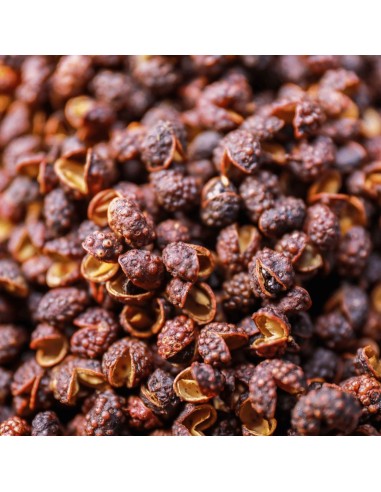
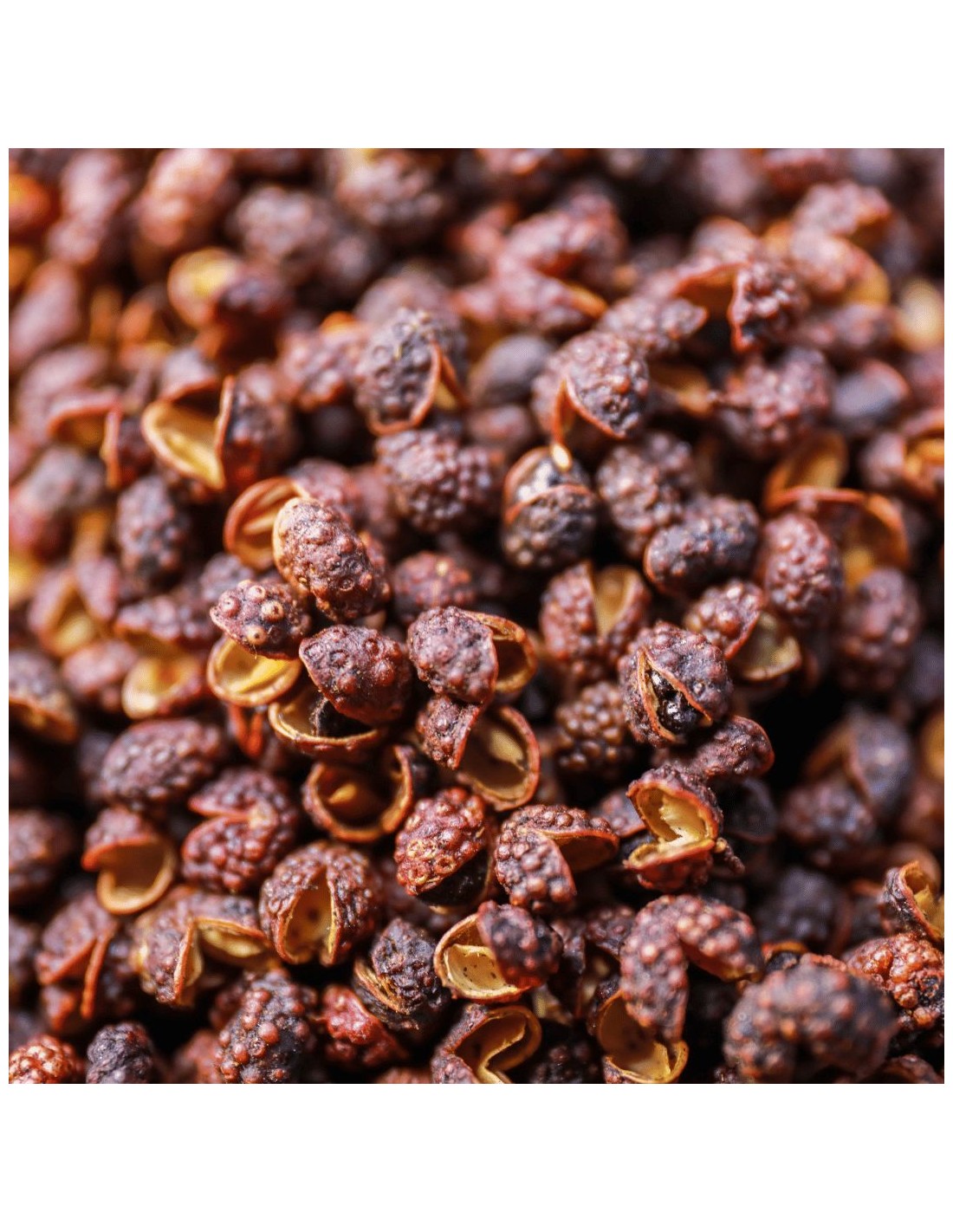
The Nepalese Sil Timur berry is a rare and extraordinary botanical spice often mistaken for a pepper. Belonging to the Lauraceae family, this dark reddish-orange seed offers a delightful soft texture and an explosion of fresh citrus aromas that enrich your favorite dishes without adding heat.

Harvested in high-altitude mountain regions of Nepal at around 2,000 meters, Sil Timur berries grow on the climbing shrub Lindera Neesiana. Traditionally hand-gathered, these unique seeds possess a surprisingly tender, almost soft consistency that releases its essential oils gracefully upon tasting.

On the nose, it exudes an unmistakable citrus fragrance blending blood orange, kumquat, lemon, and mandarin with subtle spicy undertones. On the palate, it opens with a smooth, warm sweetness before finishing on fresh, gently bitter and minty notes. Since it carries zero heat, it seamlessly enhances savory recipes like tajines, stews, seafood, and poultry as well as sweet creations like fruit salads, tarts, and dark chocolate desserts.

  • Spice Strength: 6/10 (Non-spicy, intensely aromatic)
  • Aromatic Profile: Blood orange, kumquat, lemon, mandarin, and fresh minty notes
  • Uses: Middle Eastern dishes, seafood, stews, poultry, fruit desserts, and chocolate
  • Origin: Nepal (High-altitude mountains)
  • Botanical Family: Lauraceae (Lindera Neesiana)
  • Format: Whole tender berries

With its captivating citrus bouquet and gentle character, Sil Timur berry is an exceptional gourmet ingredient that elevates both sweet and savory cooking with remarkable elegance.

Experience the finest harvest of Nepalese Sil Timur berries at the best price with Le Comptoir de Toamasina.

Packaging
€7.90


Sil Timur Berry
from Nepal

« A small dark berry from the Nepalese hills that smells of lemon, lemongrass and mandarin, with a eucalyptus freshness. It does not bite: it is a citrus scent to crush at the last moment, wherever you would use a lemon zest. »

Nepalese Himalaya Bay laurel family Lemon · Mandarin

Citrus without acidity

A very clear lemon and lemongrass nose that scents a dish without souring it or splitting a sauce.

No tingle at all

Unlike Timut, it does not burn and does not numb the tongue: it lets the ingredients speak.

A cousin of bay laurel

It is not a pepper: Sil Timur belongs to the Lauraceae family, like bay laurel and cinnamon.

The first time you open a jar of Sil Timur, you think of lemon zest rubbed between your fingers, then lemongrass, and finally a note of mandarin with a eucalyptus freshness. They are small, round, dark berries. But there is nothing peppery about them: they are not hot and do not make the tongue tingle, which is exactly what makes them so easy to use.

Botanically, Sil Timur is the fruit of Lindera neesiana, a small tree of the Lauraceae family, the family of bay laurel and cinnamon. So it has no connection with the Timut berry, despite the similar name and the same Nepalese origin: Timut is a Zanthoxylum, from the citrus family, known for its electric tingle. Sil Timur grows in the humid temperate forests of central and eastern Nepal (Taplejung, Ilam or Panchthar districts), between 1,500 and 2,700 metres above sea level.

In the kitchen, I think of it as a dry citrus. It pairs with fish, seafood, white meat, tomato, coconut milk and fennel, and it has a real place in pastry. I offer it in a 45 g jar to discover it, a 200 g pouch for regular use, and by the kilo for professionals.

Comparative Sensory Analysis

Sil Timur vs Timut vs Green Sichuan

Our tasting profile: three Asian berries, three ways of being citrus

Citrus · Lemon
Heat
Tingle
Mandarin · Fruity
Freshness · Eucalyptus
Sil Timur berry
Timut berry
Green Sichuan pepper

The same citrus, without the electricity: Timut and green Sichuan make the tongue tingle, that is their signature. Sil Timur keeps the citrus scent with no tingle at all, plus a mandarin note and a eucalyptus freshness. It is the gentlest and easiest to use of the three.

Sil Timur · Timut · Green Sichuan

The Taste Pyramid of Sil Timur

How its aromas unfold, from the nose to the finish

TOP Lemon · Lemongrass HEART Mandarin · Soft fruit BASE Eucalyptus · Freshness

Technical sheet

What you receive

  • Botanical nameLindera neesiana (Lauraceae family)
  • OriginCentral and eastern Nepal, Himalayan forests
  • IngredientsSil Timur berry
  • FormWhole dried berries
  • Strength1/10 — no heat, no tingle
  • Main notesLemon, lemongrass, mandarin, eucalyptus freshness
  • UseCrushed in a mortar or freshly ground, raw or at the end of cooking
  • StorageDry, away from light and heat, jar tightly closed
  • AllergensNone
  • Preparation / DeliveryPrepared within 24h - Delivered within 48h

Arnaud's view on this berry

I select my spices in France, through my importer. I first tasted Sil Timur out of curiosity, because its name sounded like the Timut I have offered for a long time. I was expecting the electric tingle on the tongue; it never came. Instead, a very clear scent of lemon and lemongrass, then a note of mandarin and a eucalyptus freshness. That was when I understood it was an entirely different spice. The two are sometimes confused in the trade, and tasting is still the surest test: Timut makes the tongue tingle immediately, Sil Timur never does.

For every batch, I check the nose first when I open it: the citrus must be immediate, with no smell of dust or old wood. Then I crush a few berries over a slice of raw fish with a drizzle of olive oil. If the lemon comes through without "cooking" the fish, as real lemon juice would, the batch is good. That is my tip to discover it: a sea bream carpaccio, olive oil, flaky sea salt and crushed Sil Timur. Nothing else.

A spice from the Nepalese hills

In Nepal, the word "timur" refers to the aromatic berries that flavour hill cooking. The best known in Europe is Timut, but Nepalese cooks use several, including Sil Timur, especially in the east of the country. The tree grows in the humid temperate forests of the centre and east of the country, and its berries are used fresh or dried.

Its most common use is in achar, the Nepalese condiments served with the rice and lentils of dal bhat. There, Sil Timur is ground with grilled tomatoes, garlic and chilli: its citrus scent answers the sweetness of the tomato. It also goes into some vegetable and meat curries, where it plays the role black pepper plays for us, with far more fragrance and much less strength.

Outside Nepal, Sil Timur remains a rare spice, long kept for local cooking. Its arrival on European tables is recent, driven by chefs looking for a dry citrus that can scent raw fish or a dessert without the acidity of lemon.

How to use it

  • Crush it at the last moment: in a mortar or a spice grinder. Its citrus scent is volatile and fades quickly once ground.
  • For more depth: toast the berries for one minute in a hot dry pan before crushing. The scent rounds out and gains depth.
  • The right amount: half a teaspoon of crushed berries per serving, adjusted to the dish.
  • Pairings: poached, steamed or raw fish, prawns, scallops, chicken, pork, vegetable soups, light broths, mild curries, tomato, coconut milk, fennel.
  • Sweet dishes and drinks: lemon tarts, exotic fruit salads, sorbets, strawberries, white chocolate, herbal infusions, syrups and gin cocktails.

Recipe ideas

Sea bream carpaccio with Sil Timur

Thinly slice a very fresh sea bream fillet and arrange it on a cold plate. Drizzle with olive oil, add a few flakes of sea salt and half a teaspoon of freshly crushed Sil Timur. Serve at once: the citrus scent replaces lemon without cooking the fish.

Nepalese-style grilled tomato achar

Char 4 tomatoes, a garlic clove and a small chilli in a very hot pan until the skins blacken. Peel the tomatoes, then pound everything in a mortar with a teaspoon of toasted Sil Timur, salt and a little fresh coriander. Serve with rice, lentils or grilled meat.

Sautéed prawns with coconut milk

Sear peeled prawns in a little oil with garlic and ginger. Add 100 ml of coconut milk, reduce for two minutes and finish off the heat with a pinch of crushed Sil Timur and a few coriander leaves.

Strawberries with Sil Timur

Quarter some strawberries, add a spoonful of sugar and a small pinch of finely ground Sil Timur. Leave in the fridge for 15 minutes. The lemon and mandarin lift the fruit, with no heat at all.

Frequently asked questions

Is Sil Timur a pepper?
No. It is the berry of Lindera neesiana, a small tree of the Lauraceae family, like bay laurel and cinnamon. It is simply used like a pepper, crushed over dishes.
How is it different from Timut berry?
They are two different plants that both grow in Nepal. Timut, a Zanthoxylum, makes the tongue tingle with a grapefruit scent. Sil Timur smells of lemon, lemongrass and mandarin, and does not tingle at all.
Is it hot?
No, and it does not make the tongue tingle either. Its appeal is its citrus scent, not its strength. It can be used generously, even by people who dislike heat.
Can it go in a pepper mill?
Yes, the dried berries grind easily. A mortar is still ideal: it lets you toast them and crush them as finely or coarsely as you like.
What should I serve it with?
Raw and grilled fish, seafood, chicken, pork, tomato, coconut milk and, for dessert, red berries, mango or white chocolate.
Which size should I choose?
The 45 g jar to discover it, the 200 g pouch for regular use, and the kilo for professionals and keen cooks.

« A dry citrus from the Nepalese hills: lemon, lemongrass and mandarin, with no heat. »

Discover our rare peppers and berries

Lindera neesiana · Nepal · 45 g jar, 200 g pouch or kilo · Selected by Arnaud Sion

No reviews