• New
Whole Black Lampung Long Pepper 2–5 cm

Whole Black Lampung Long Pepper 2–5 cm

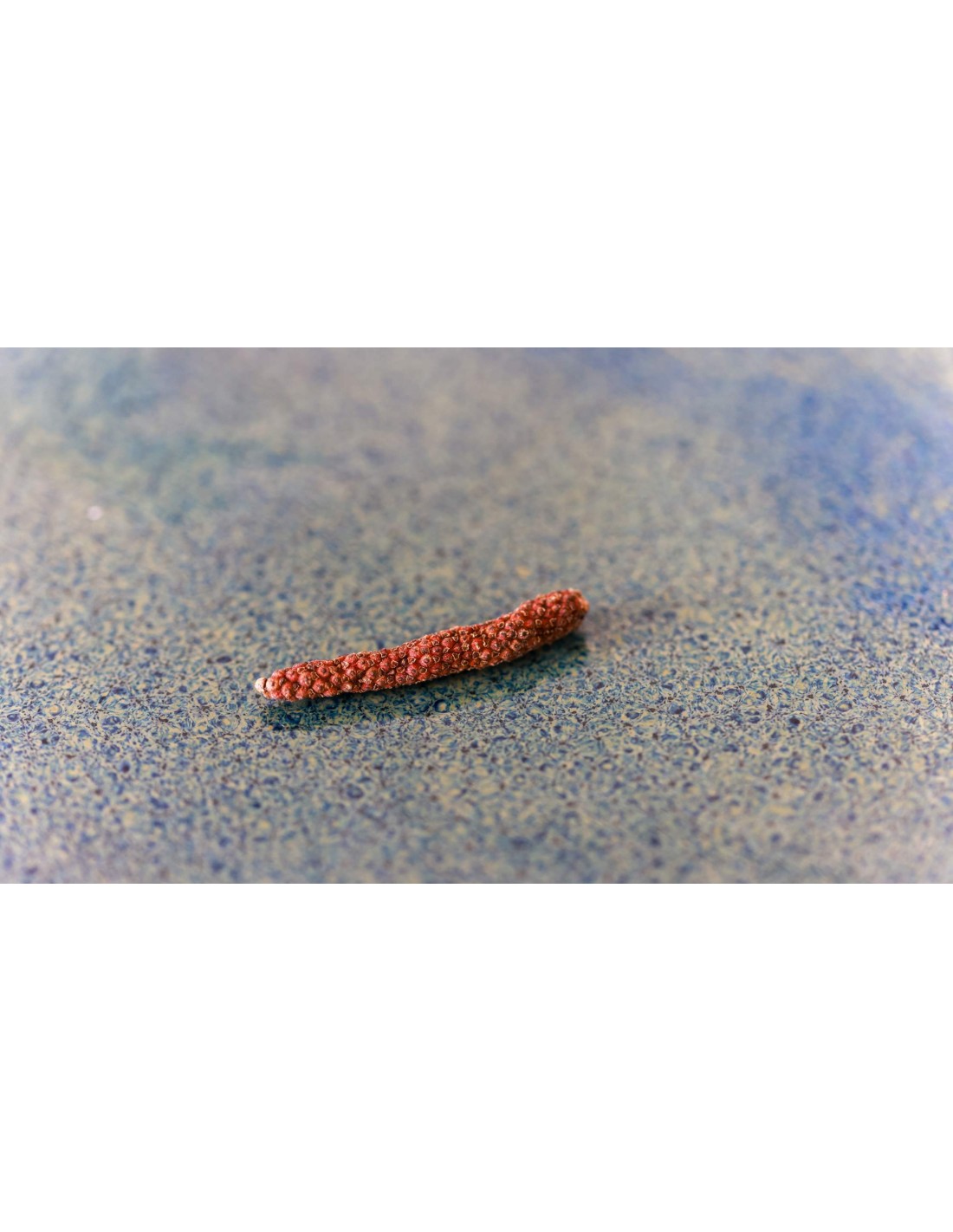
Lampung long pepper is an extraordinary Indonesian spice featuring whole 2 to 5 cm catkins with an intriguing rustic charm. Originating from the lush island of Sumatra, this historic pepper variety delivers a complex aromatic bouquet and a smooth, lingering warmth that sets it apart from ordinary black pepper.

Harvested from climbing vines in the humid tropical region of Lampung, the peppers thrive in ideal growing conditions that foster rich essential oil content. Carefully harvested at peak maturity and gently dried, the catkins turn a characteristic dark gray-black to brown shade, locking in their firm texture and long-lasting freshness.

On the nose, it offers an alluring fragrance of cinnamon, dried flowers, and cozy winter spices. On the palate, it delivers a warm, well-balanced heat accompanied by sweet, earthy undertones. Simmer whole catkins in braised meats, stews, marinades, and stocks, or crush them in a mortar to finish grilled steaks, fish, aged cheeses, fruit compotes, and dark chocolate desserts.

  • Pepper Strength: 6/10 (Warm, persistent heat)
  • Main Notes: Cinnamon, dried flowers, sweet earthy undertones
  • Uses: Slow-cooked stews, sauces, grilled meats, cheeses, and chocolate desserts
  • Origin: Indonesia (Lampung Region)
  • Format: Whole catkins (2 to 5 cm)

With its distinctive shape and comforting sweet spice notes, Lampung long pepper brings an exotic gourmet dimension to everyday meals and festive recipes alike.

Experience the finest harvest of whole Lampung long pepper at the best price with Le Comptoir de Toamasina.

Packaging
€6.90


Whole Black Lampung
Long Pepper 2–5 cm

« Black spikes of 2 to 5 cm from southern Sumatra. A broader heat than black pepper, followed by a warm sweetness of liquorice, cinnamon and cocoa. The pepper for slow-cooked dishes and chocolate desserts. »

Sumatra, Indonesia 2 to 5 cm spikes Liquorice · Cocoa

A heat that lasts

Stronger than whole black pepper, it warms the palate for a long time without burning.

A spiced sweetness

Behind the heat: liquorice, cinnamon, cocoa. That is what makes it so valuable in pastry.

The pepper for slow cooking

One whole spike in a broth, a curry or a stew scents the whole dish, then comes out.

Long pepper looks nothing like the pepper we know. Instead of round corns, it comes as elongated spikes covered in tiny fruits fused together. These ones measure 2 to 5 cm and have been dried until they take on the matt black colour that gives them the name "black long pepper".

Botanically, it is Piper retrofractum, known as cabe jawa in Indonesia. It is a direct cousin of black pepper (Piper nigrum): same genus, same climbing vines, but a different way of bearing fruit. This one comes from Lampung province, at the southern tip of Sumatra, a land of pepper for centuries.

On the palate, it opens with a broader heat than black pepper, which settles in and lasts. Then come warm, almost sweet notes: liquorice, cinnamon, a hint of cocoa. I offer it in a 45 g jar to discover it, a 200 g pouch for regular use, and by the kilo for professionals.

Comparative Sensory Analysis

Lampung vs Madagascar Black Pepper vs Red Long Pepper

Our tasting profile: long pepper against two house references

Heat
Length
Liquorice · Sweet
Cinnamon · Cocoa
Freshness · Citrus
Black Lampung long pepper
Madagascar black pepper
Cambodian red long pepper

Warmer, longer, sweeter: Madagascar black pepper stays lively and fresh, with a clean heat. Red long pepper, harvested riper, is fruitier. Black Lampung is the deepest of the three: the longest heat, with the liquorice, cinnamon and cocoa notes that make it a pepper for slow-cooked dishes and desserts.

Lampung · Madagascar · Red long

The Taste Pyramid of Lampung Long Pepper

How its aromas unfold, from the nose to the finish

TOP Broad heat · Warmth HEART Liquorice · Cinnamon BASE Cocoa · Warm wood

Technical sheet

What you receive

  • Botanical namePiper retrofractum (cabe jawa)
  • OriginLampung province, Sumatra, Indonesia
  • IngredientsLong pepper
  • FormWhole dried black spikes, 2 to 5 cm
  • Strength8/10 — hotter than black pepper
  • Main notesBroad heat, liquorice, cinnamon, cocoa
  • UseGrated with a microplane, crushed in a mortar, or whole in slow-cooked dishes
  • StorageDry, away from light and heat, jar tightly closed
  • AllergensNone
  • Preparation / DeliveryPrepared within 24h - Delivered within 48h

Arnaud's view on this pepper

I select my peppers in France, through my importer. I often recommend long pepper to people who think they have tried every black pepper. You grate it like a nutmeg, and the first impression always surprises: real heat, broader than the corn, then a sweetness that recalls liquorice and gingerbread.

With a batch of Lampung, I look at the spikes first: whole, black and matt, dry to the touch, no dust at the bottom of the bag. Then I grate one over a spoonful of cream: if the heat comes through cleanly and the liquorice follows, the batch is good. My tip to discover it: grate it over a dark chocolate fondant or over strawberries. That is when you understand why medieval cooks preferred it to round pepper.

Lampung, a land of pepper

Lampung province occupies the southern tip of Sumatra, facing Java across the Sunda Strait. Its name has been linked to pepper for centuries: in the 16th and 17th centuries, Lampung pepper supplied the great port of Banten, on the coast of Java, where Asian merchants and later the European trading companies came to buy it. Lampung is still one of Indonesia's major pepper regions today.

Long pepper itself has an even older history in Europe. The Romans already knew it and paid more for it than for black pepper. In the Middle Ages, it went into hippocras, spiced sauces and gingerbread, before gradually being forgotten in favour of peppercorns. Chefs have rediscovered it over the past twenty years for its warm, sweet notes.

In Indonesia, cabe jawa is still an everyday spice, found in curries, sambals and slow-cooked dishes from Java and Sumatra.

How to use it

  • Grated: with a microplane, like nutmeg, straight onto the plate. It is the simplest way to enjoy all its aromas.
  • Crushed: cut the spikes into pieces and crush them in a mortar. A standard pepper mill will not take them whole.
  • Whole in slow cooking: one or two spikes in a broth, curry, stew or mulled wine, removed before serving.
  • The right amount: it is stronger than black pepper. Use about half your usual quantity, then adjust.
  • Pairings: beef, lamb, duck, game, curries, lentils, aged cheeses, dark chocolate, strawberries, pears, figs, mulled wine.

Recipe ideas

Dark chocolate and long pepper fondant

Melt 200 g of dark chocolate with 150 g of butter. Add 4 eggs beaten with 120 g of sugar, then 50 g of flour and half a spike of finely grated long pepper. Bake for 20 minutes at 180 °C. When serving, grate a little more pepper on top: the cocoa and liquorice answer each other.

Beef stew with long pepper

In your usual red wine beef stew, add two whole spikes when you pour in the wine. Simmer for 3 hours and remove them before serving. The sauce takes on a deep warmth, with no aggressive heat.

Pears poached in red wine

Bring 750 ml of red wine to a simmer with 150 g of sugar, a cinnamon stick, a strip of orange zest and two long pepper spikes. Poach 4 peeled pears in it for 25 minutes. Serve warm or cold, with the reduced syrup.

Strawberries with long pepper

Cut some strawberries, add a dash of balsamic vinegar and a spoonful of sugar. Leave for 10 minutes, then grate a little long pepper over them when serving.

Frequently asked questions

Is long pepper stronger than black pepper?
Yes. Its heat is broader and lasts longer. Use about half your usual quantity of black pepper.
Why "black"?
The spikes are dried until they turn matt black. This concentrates their warm notes of liquorice, cinnamon and cocoa.
How is it different from Java long pepper?
It is the same species, Piper retrofractum. This batch comes from Lampung province, on the island of Sumatra, as 2 to 5 cm spikes dried until black. Terroir and drying give each batch its own personality.
How do I grind it?
The simplest way is to grate it with a microplane. You can also cut the spikes into pieces and crush them in a mortar, or use a spice grinder.
What should I serve it with?
Red meat, duck, game, curries, slow-cooked dishes, aged cheeses and, for dessert, dark chocolate, strawberries, pears or figs.
Which size should I choose?
The 45 g jar to discover it, the 200 g pouch for regular use, and the kilo for professionals and keen cooks.

« A long pepper from Sumatra: broad heat, liquorice, cinnamon and cocoa. »

Discover our rare peppers

Piper retrofractum · Lampung, Sumatra · 45 g jar, 200 g pouch or kilo · Selected by Arnaud Sion

No reviews