• New
Whole Verbena Pepper from Vietnam

Whole Verbena Pepper from Vietnam

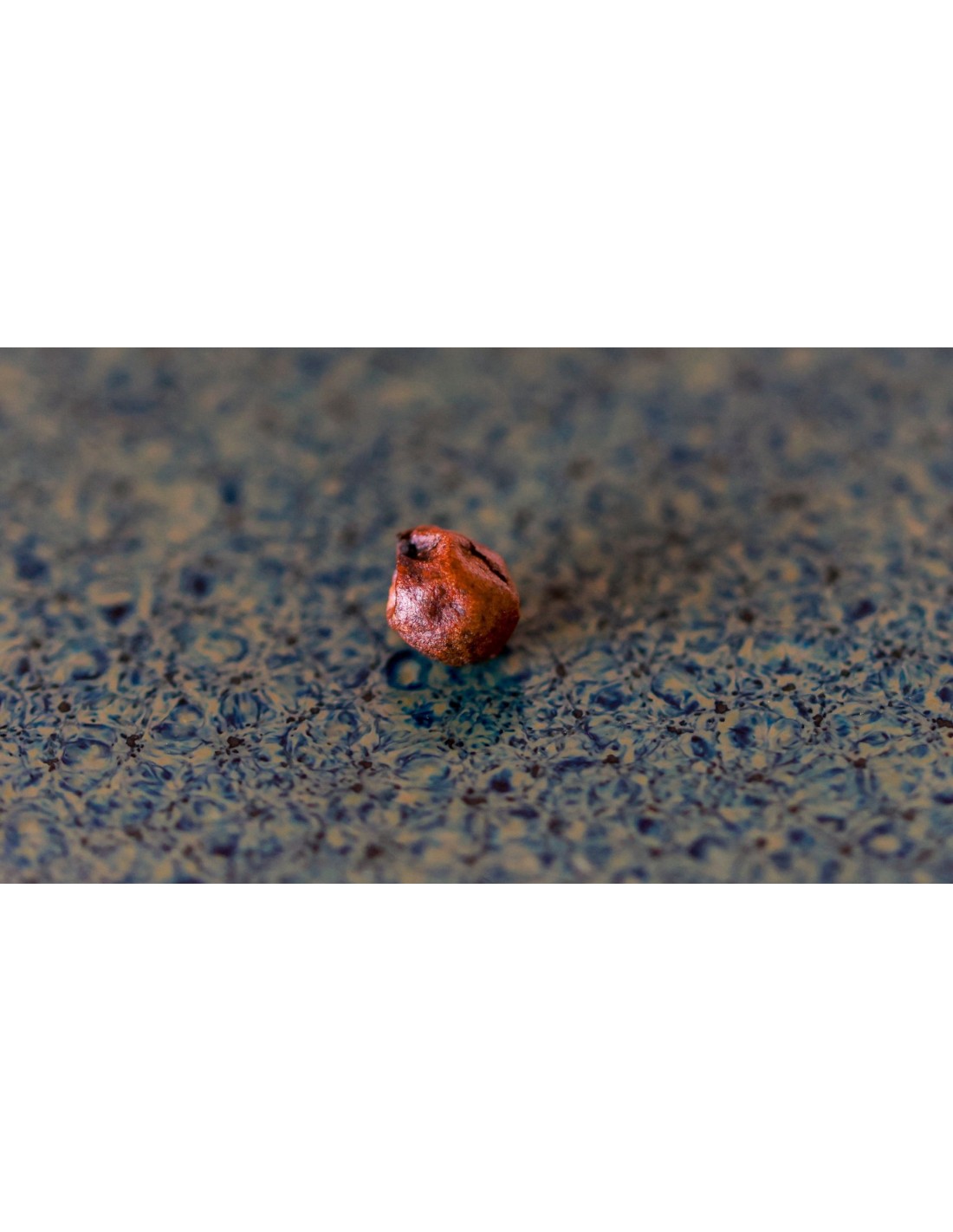
Discover whole Verbena pepper from Vietnam, a unique and refreshing spice that captures the imagination with its vibrant citrus profile. On first impression, these whole berries release an invigorating fragrance reminiscent of lemon verbena and freshly squeezed citrus, bringing a crisp and energetic touch to gourmet dishes and custom creations.

Grown in sunny, tropical regions of Vietnam, the plants thrive in well-drained soils that promote the high concentration of natural essential oils. Carefully harvested at peak maturity and gently dried at moderate temperatures, the berries retain their full aromatic potential and natural dark brown color.

On the nose, it shines with bright notes of lemon and fragrant verbena. On the palate, it delivers a mild, harmonious heat balanced by a delicate touch of bitterness and a clean citrus finish. It is exceptionally versatile for culinary uses (seafood, poultry, roasted vegetables, fruit desserts) as well as spice blends, functional beverages, and herbal tea infusions.

  • Pepper Strength: 3/10 (Mild and smooth heat)
  • Main Notes: Fresh lemon, lemon verbena, and subtle bitter accents
  • Uses: Seafood, poultry, infusions, functional drinks, spice blends, and desserts
  • Origin: Vietnam
  • Format: Whole berries / coarse pieces

By seamlessly blending the brightness of citrus with a gentle pepper warmth, Verbena pepper offers an exciting alternative to classic black pepper for innovative cooking.

Experience the finest harvest of whole Verbena pepper from Vietnam at the best price with Le Comptoir de Toamasina.

Packaging
€8.90


Verbena Berry
Whole, from Vietnam

« A small wild berry from the mountains of northern Vietnam that smells of lemon verbena and lemongrass the moment you crush it. No heat, no burn: just a fresh, crunchy citrus aroma. It's the spice I recommend for raw fish, shellfish and fruit desserts. »

Northern Vietnam Wild berry Verbena · Lemongrass

Citrus without acidity

It perfumes raw fish or a scallop like a zest, without « cooking » the flesh the way lemon juice does.

Zero heat

No burn and no tingle: pure aroma, enjoyed even by sensitive palates.

Savoury to sweet

Dressings, shellfish, poultry, but also strawberries, panna cotta and dark chocolate.

The Verbena berry, sometimes sold as verbena pepper, is not a true pepper. It is the dried fruit of Litsea cubeba, a small tree in the Lauraceae family, the same family as bay laurel and cinnamon. Its berries look like black peppercorns, hence the name, but the aroma is completely different: as soon as they are crushed, they release an intense scent of lemon verbena, lemongrass and lime zest.

The one I offer comes from the mountains of northern Vietnam, where the tree grows wild on the slopes. The berries are harvested at the end of summer, then sun-dried. On the palate they are crunchy and highly aromatic, with a juniper note and a resinous touch on the finish. They have no heat at all: they are used for their aroma, the way you would use a zest.

It is a spice that changes the way you cook seafood. On a scallop carpaccio, a fish tartare or raw langoustines, a few crushed berries bring the freshness of citrus without the acidity of juice. It also pairs beautifully with red fruit desserts and dark chocolate. For professionals, it is also available by the kilo.

Comparative Sensory Analysis

Verbena vs Timut vs Black pepper

Our tasting profile: two citrus spices and a classic pepper

Citrus · Lemongrass
Freshness · Herbal
Heat
Tingle
Resinous · Woody
Verbena berry
Timut pepper
Black pepper

Two citrus spices, two sensations: Timut smells of grapefruit and makes the tongue tingle. Verbena smells of verbena and lemongrass, with no heat and no tingle. Black pepper brings the warmth and woodiness the other two lack: in fact, it works very well with Verbena in the same grinder.

Verbena · Timut · Black pepper

The Taste Pyramid of Verbena Berry

How its aromas unfold, from the nose to the finish

ATTACK Verbena · Lemongrass HEART Juniper · Fresh herbs BASE Resinous · Soft and lasting

Technical sheet

What you receive

  • Botanical nameLitsea cubeba (Lour.) Pers.
  • FamilyLauraceae — not a true pepper
  • OriginNorthern Vietnam
  • IngredientsLitsea cubeba berries
  • FormWhole dried berries
  • StrengthAroma 8/10 — heat 0/10
  • Main notesVerbena, lemongrass, lime, juniper
  • UseCrushed in a mortar or grinder, raw or at the end of cooking
  • StorageDry, away from light and air
  • AllergensNone
  • Preparation / DeliveryPrepared within 24h - Delivered within 48h

Arnaud's view on this spice

I select my spices in France, from my importer. I judge Verbena by its nose first: I crush two or three berries between my fingers and the aroma should burst out immediately, clean and lemony, with no smell of dust or mould. The berries must be whole, dry and properly crunchy.

I added it to my collection because it answers a question many customers ask me: how do you liven up fish without using lemon? My tip to discover it: crush four or five berries in a mortar with a pinch of flaky salt and a drizzle of olive oil, then pour over a scallop carpaccio. It's the best way to understand this spice.

A berry from the mountains of Asia

Litsea cubeba grows wild in the mountains of South-East Asia, southern China and Taiwan. In Vietnam it is found mostly in the northern provinces along the Chinese border, where it colonises slopes and forest edges. Mountain communities have long gathered its berries for their own cooking: there it is known as màng tang, or « mountain pepper ».

In Taiwan, the indigenous Atayal people call it maqaw and use it to flavour meat and soup; it is now an emblematic spice of modern Taiwanese cuisine. In China, the berries feature in many dishes from Sichuan and Yunnan. Its Latin name, cubeba, comes from its resemblance to cubeb pepper, the « tailed pepper ».

The berries' distinctive scent comes from their essential oil, which is very rich in citral, the same molecule that gives lemongrass and lemon verbena their fragrance. That is why it is sometimes called « exotic verbena », even though it has no botanical link with garden verbena.

How to use it

  • Crush it at the last moment: in a mortar or a grinder, just before serving. Whole, the berries keep their aroma for a very long time.
  • Raw or at the end of cooking: its aroma is volatile. It is at its best on raw produce or added off the heat.
  • The right amount: it is very aromatic. Allow 3 to 5 crushed berries per portion, or half a teaspoon for a dressing for four.
  • As an infusion: a few cracked berries in hot cream, syrup or stock, then strain.
  • Pairings: scallops, langoustines, prawns, raw fish, poultry, pork, fruit salad, strawberries, panna cotta, dark chocolate.

Recipe ideas

Scallop carpaccio with Verbena

Thinly slice well-chilled scallops and arrange them on a plate. Crush 5 berries in a mortar with a pinch of flaky salt, mix with 3 tablespoons of mild olive oil and spoon over just before serving.

Citrus dressing for shellfish

Mix 6 tablespoons of neutral oil, 1 tablespoon of rice vinegar, half a teaspoon of crushed Verbena and a little lime zest. Perfect with langoustines, prawns or avocado.

Verbena roast chicken

Crush a teaspoon of berries with salt and garlic, mix into softened butter and slip it under the skin of a chicken before roasting. The skin comes out of the oven smelling of lemongrass.

Strawberries in Verbena syrup

Bring 100 ml of water to the boil with 50 g of sugar and half a teaspoon of cracked berries, leave to infuse for 15 minutes, strain, then pour over fresh strawberries.

Frequently asked questions

Is the Verbena berry a true pepper?
No. It is the berry of Litsea cubeba, a tree in the Lauraceae family. True pepper comes from the Piper nigrum vine. It is called « pepper » because of the shape of its berries.
Is it hot?
Not at all. It contains no piperine and causes neither burning nor tingling. It only brings a citrus aroma.
Is it related to garden verbena?
There is no botanical link. The two simply share a lemony scent, due to citral.
Why use it instead of lemon juice on raw fish?
Because it brings the aroma of citrus without acidity: the flesh of the fish or shellfish stays intact, without « cooking ».
How should I store it?
As whole berries, in an airtight container, away from light, air and moisture. Crush it only when you use it.

« The scent of verbena and lemongrass in a crunchy berry, with no heat at all. »

Discover our rare peppers

Litsea cubeba · Northern Vietnam · Selected by Arnaud Sion

No reviews