• New
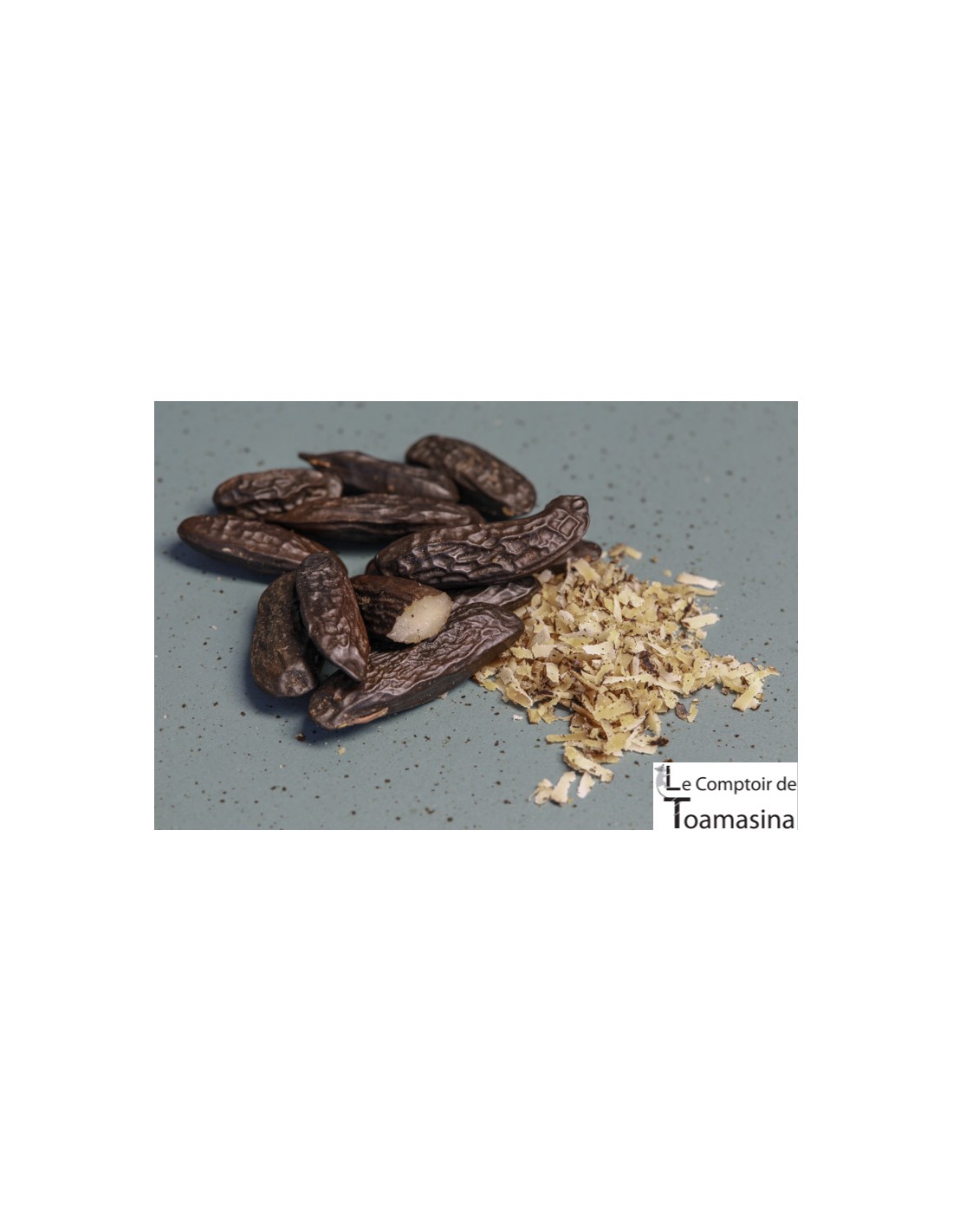
Whole Venezuelan Tonka Beans

Whole Venezuelan Tonka Beans

Whole Venezuelan Whole Venezuelan tonka beans are among the most prized gourmet spices in fine pastry and haute cuisine. Harvested in the lush tropical forests of Venezuela, these dark, aromatic seeds unfold an unforgettable sensory experience as soon as they are freshly grated.

Selected for their exceptional quality, these tonka beans undergo traditional fermentation and gentle drying processes that preserve their potent essential oils. Offered in their whole form, their firm texture allows for precise grating, keeping the flavor fresh and intensely concentrated until the moment of use.

On the nose and palate, tonka beans deliver a warm, decadent bouquet combining smooth vanilla, bitter almond, and sweet caramel notes, finished with a subtle hint of spice. Highly aromatic, a tiny pinch freshly grated onto panna cotta, crème brûlée, chocolate mousses, ganaches, ice cream, or warm milk drinks imparts an exquisite gourmet touch, while beautifully elevating savory cream sauces and roasted root vegetables.

  • Aromatic Intensity: 9/10 (Highly concentrated and warm)
  • Aromatic Profile: Smooth vanilla, bitter almond, warm caramel, and subtle spice
  • Uses: Pastries, creamy desserts, fine chocolates, sauces, and gourmet beverages
  • Origin: Venezuela
  • Format: Whole beans

With its extraordinary aromatic depth and rich fragrance, Venezuelan tonka bean transforms simple recipes into unforgettable culinary masterpieces.

Experience the finest harvest of whole Venezuelan tonka beans at the best price with Le Comptoir de Toamasina.

Packaging
€8.90


Whole Venezuelan
Tonka Beans

« A small, black, wrinkled bean that smells of almond, caramel, freshly cut hay and vanilla. Grated at the last moment, it scents a cream, a ganache or a whole cake. A pastry chef's spice, to be measured with care. »

Venezuela Whole beans Almond · Caramel · Vanilla

A very concentrated scent

A touch of grated bean is enough for a litre of cream. One whole bean replaces one vanilla pod.

It holds up to heat

Its aromas survive cooking: you can add it at the start, the middle or the end.

Vanilla's companion

Almond, caramel, cut hay: it extends vanilla and pairs with chocolate, coffee and red fruit.

The tonka bean is the seed of Dipteryx odorata, a tall tree of the tropical forests of South America. In Venezuela, where it is called sarrapia, it grows in the Orinoco basin. Inside a fleshy fruit lies a single seed, which darkens and wrinkles as it dries to become the bean we know: 3 to 4 cm long, black, glossy, with a brown kernel inside.

Much of its scent comes from coumarin, a natural molecule that smells of cut hay and almond. It gives tonka its warm notes of caramel, vanilla, gingerbread and sometimes light tobacco. It is also why the bean must be used in moderation, as I explain below.

In pastry, I see it as vanilla's great ally: it extends the sweet notes and adds depth with almond and caramel. I offer it in a 50 g jar, a 200 g pouch and by the kilo for professionals.

Comparative Sensory Analysis

Venezuelan Tonka vs Bourbon Vanilla vs Tahitian Vanilla

Our tasting profile: three pastry scents, three uses

Vanilla
Almond · Caramel
Cut hay
Floral · Fruity
Spicy · Tobacco
Venezuelan tonka bean
Madagascar Bourbon vanilla
Tahitian vanilla

An ally, not a copy: Bourbon vanilla remains the reference for pure vanilla, Tahitian vanilla brings floral and fruity notes. Tonka plays in another register: almond, caramel, cut hay and a spicy touch. Paired with a vanilla pod, it adds depth without masking it.

Tonka · Bourbon · Tahiti

The Scent Pyramid of the Tonka Bean

How its aromas unfold, from the grater to the palate

TOP Cut hay · Almond HEART Caramel · Vanilla BASE Light tobacco · Gingerbread

Technical sheet

What you receive

  • Botanical nameDipteryx odorata
  • OriginVenezuela, Orinoco basin
  • IngredientsTonka beans
  • FormWhole dried beans, 1 to 2 g each
  • Aromatic strengthVery concentrated — measure when grating
  • Main notesAlmond, caramel, cut hay, vanilla, light tobacco
  • UseGrated with a microplane, at the last moment, in very small amounts
  • StorageWhole, dry, in an airtight jar, away from light
  • AllergensNone
  • Preparation / DeliveryPrepared within 24h - Delivered within 48h

Arnaud's view on this bean

I select my spices in France, through my importer. Along with vanilla, tonka is probably the spice I am asked about most in pastry. It is also the one I give the most dosage advice for, because its scent is so concentrated: a whole bean grated into a small cake is too much. A touch is enough.

With a batch, I first look at the beans: deep black, wrinkled, often covered with a light white crystalline bloom. That bloom is not mould: it is coumarin crystals rising to the surface, a sign of a well-scented bean. Then I grate one: the almond and cut hay should come through immediately. My tip to discover it: grate an eighth of a bean into your next crème brûlée, alongside a vanilla pod.

How much tonka to use

  • Grate at the last moment: with a nutmeg grater or a microplane, to release all the aromatic oils. Keep the beans whole until use.
  • Creams and desserts: 1/8 to 1/4 of a grated bean per litre of liquid (crème brûlée, custard, chocolate mousse, ganache, crêpe batter).
  • Cakes and doughs: about 1/2 grated bean for a family-size cake (loaf cake, yoghurt cake).
  • As a powder: 2 to 3 pinches, about 0.1 g, are enough for a whole dessert serving several people.
  • Equivalence: as a rule, one whole tonka bean replaces one whole vanilla pod.
  • Cooking: its aromas hold up well to heat; you can add it at the start, the middle or the end of cooking.

Why measure so carefully? Tonka naturally contains coumarin. The European Food Safety Authority (EFSA) has set a tolerable daily intake of 0.1 mg of coumarin per kilo of body weight, or 6 mg a day for a 60 kg adult. For prepared foods, EU Regulation (EC) No 1334/2008 sets maximum levels in the finished product: 5 mg/kg for desserts, 15 mg/kg for fine bakery wares, 50 mg/kg for traditional and seasonal bakery wares.

In practice, a bean weighs between 1 and 2 g. Grating 0.1 g adds about 2 mg of coumarin to a whole cake; once the dessert is shared, each person's portion stays well below these limits. That is why we speak of a touch of bean rather than a whole bean.

Recipe ideas

Vanilla and tonka crème brûlée

Heat 500 ml of cream with half a split vanilla pod. Off the heat, grate in an eighth of a tonka bean and leave to infuse for 15 minutes. Pour over 5 yolks beaten with 80 g of sugar, then bake in a water bath for 1 hour at 100 °C. Caramelise just before serving.

Dark chocolate and tonka ganache

Bring 200 ml of cream to the boil, grate in a small touch of bean (about a tenth), then pour over 200 g of chopped dark chocolate. Stir until smooth: for a tart filling, truffles or a glaze.

Tonka-scented sugar

Put 2 to 3 whole beans in an airtight jar with 300 g of caster sugar. After a few days, the sugar is scented: use it in cake batters, crêpes or over roasted fruit.

Homemade extract

Steep one bean in a tablespoon of rum or vodka for a few days to a few weeks. A few drops are then enough to scent a cream or a dough.

Sarrapia, a story from the Orinoco

In Venezuela, tonka is called sarrapia. The tall trees grow in the forests of the Orinoco basin, and the bean trade long supported river towns, from which the beans travelled downstream to export ports. Venezuelan beans have since been considered among the most fragrant.

Tonka also left its mark on the history of perfume. Coumarin was first isolated from it in 1820. A few decades later, the molecule was reproduced in the laboratory and went into famous perfumes, opening the way for a whole olfactory family. Tonka is still a prized base note in perfumery today, for its blend of almond, hay and vanilla.

Frequently asked questions

How much tonka bean should I use?
Very little: 1/8 to 1/4 of a grated bean per litre of cream, about 1/2 bean for a family-size cake, or 2 to 3 pinches of powder (about 0.1 g) for a whole dessert.
Why does it need to be measured carefully?
It naturally contains coumarin. EU rules set maximum levels in desserts and bakery wares, and EFSA a tolerable daily intake. At usual pastry doses, a touch of grated bean, each person's portion stays well below these limits.
Can tonka replace vanilla?
As a rule, one whole tonka bean replaces one vanilla pod. But the two work very well together: tonka brings almond and caramel, vanilla brings pure vanilla.
My bean has a white bloom on it. Is that normal?
Yes. It is coumarin crystals rising to the surface, a sign of a well-scented bean, not mould.
How should I store it?
Whole, in an airtight jar, dry and away from light. Grate it only when you need it.
Which size should I choose?
The 50 g jar for home baking, the 200 g pouch for regular use, and the kilo for professionals.

« A pastry chef's bean: almond, caramel, cut hay and vanilla, to grate with precision. »

Discover our spices

Dipteryx odorata · Venezuela · 50 g jar, 200 g pouch or kilo · Selected by Arnaud Sion

No reviews