• New
Whole Banasura Black Pepper from India

Whole Banasura Black Pepper from India

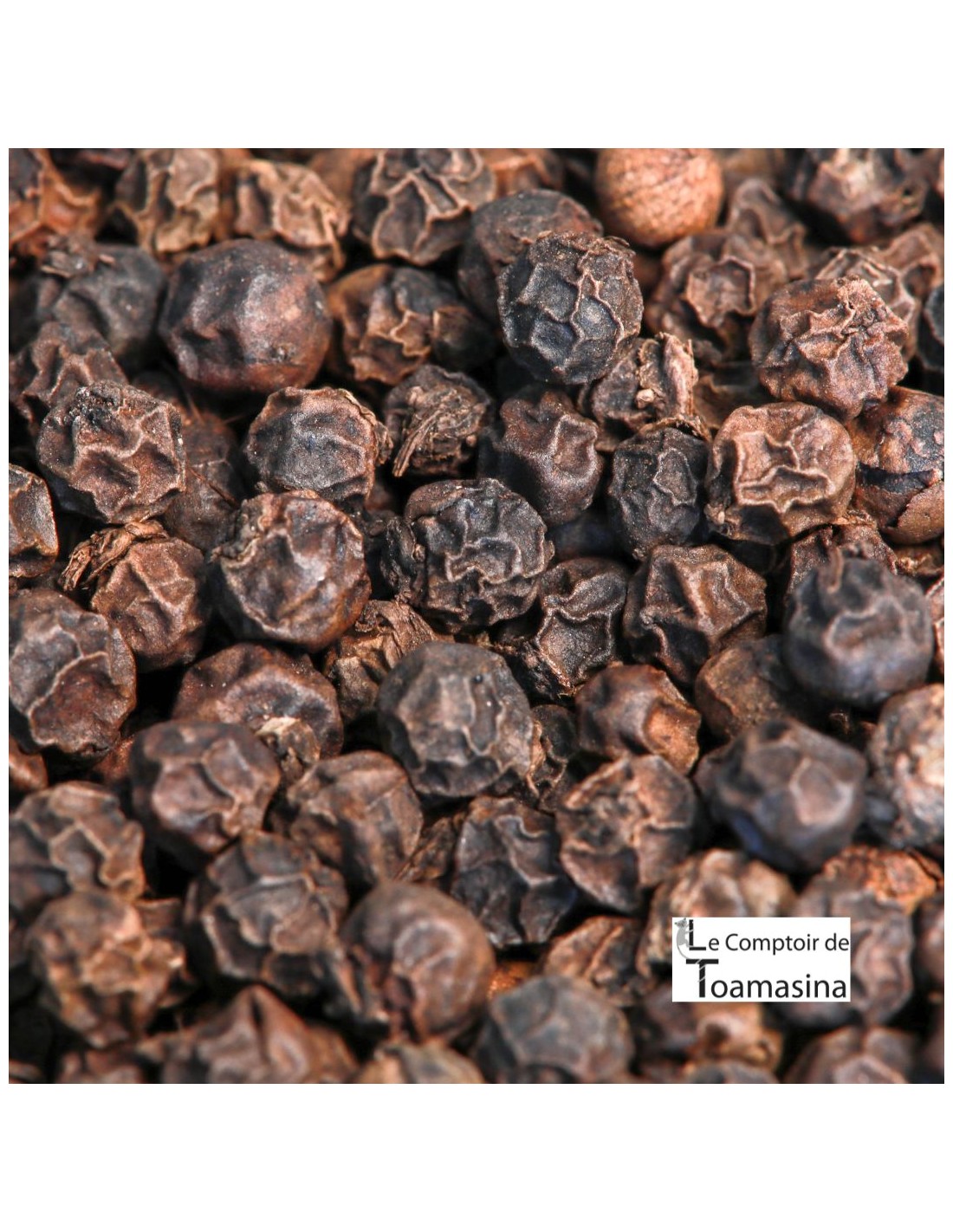
Discover Banasura black pepper from the Wayanad district of India, a sought-after rarity famed for its extraordinarily large peppercorns and deep black hue. This grand cru spice unleashes a powerful, warm, and spicy aroma paired with a long-lasting heat that adds exceptional depth to demanding gourmet dishes.

Cultivated from a selective cross between the Karimunda and Panniyur varieties, these vines climb tall support trees in the tropical climate of Kerala. Late-harvested at full maturity, sun-dried with care, and meticulously hand-sorted, this pepper retains a high concentration of essential oils and remarkably consistent grain sizing.

On the nose, it reveals an intense, warm bouquet with subtle earthy undertones and a delicate fruity touch. On the palate, its full-bodied flavor unfolds with balanced, lingering heat. Coarsely crushed in a mortar or freshly cracked from a mill, it shines over seared steaks, braised meats, hearty stews, rich sauces, and custom spice blends.

  • Pepper Strength: 8/10 (Intense, long-lasting heat)
  • Main Notes: Warm spicy notes, subtle earthy undertones, and fruity accents
  • Uses: Steaks, seared meats, stews, sauces, pan juices, and spice mills
  • Origin: India (Wayanad District, Kerala)
  • Variety: Karimunda x Panniyur Hybrid
  • Format: Whole extra-large peppercorns

With its impressive grain size and rich aromatic complexity, Banasura black pepper transforms everyday meals and gourmet dishes into memorable sensory experiences.

Experience the finest harvest of whole Banasura black pepper from India at the best price with Le Comptoir de Toamasina.

Packaging
€7.95


Banasura Black Pepper
Whole, from India

« A great black pepper from Wayanad, in the hills of Kerala, where pepper was born. Large deep-brown grains, a warm nose of cocoa and honey, a hint of citrus and a heat that builds slowly. The table pepper I recommend for a fine cut of meat. »

Kerala · Wayanad Large grains Cocoa · Honey · Citrus

A highland terroir

The Wayanad plateau, in the Western Ghats, the historic birthplace of black pepper.

A gourmand nose

Cocoa, honey and citrus before the heat: a pepper that perfumes before it warms.

A heat that builds

The warmth rises slowly and lasts a long time, without burning the palate.

Banasura black pepper comes from the Wayanad district, in the hills of Kerala, in south-west India. It takes its name from Banasura hill and the large Banasura Sagar reservoir, at the heart of a region of forests and coffee, tea and spice plantations. It is Piper nigrum, the same plant as classic black pepper, but grown on a highland plateau where cool nights slow down the ripening of the berries.

What sets it apart is its large, dark-brown grains and its aromatic profile. On the nose it suggests cocoa and honey; on the palate, a touch of citrus brings freshness, followed by woody, lightly smoky notes, almost like black tea. Then the heat arrives, warm and gradual, with a long finish. It's a pepper you notice on grilled meat, a risotto or even a chocolate dessert.

I offer it in a 50 g jar to discover it, a 200 g bag for everyday cooking, and by the kilo for keen cooks and professionals.

Comparative Sensory Analysis

Banasura vs Tellicherry vs Malabar

Our tasting profile: three black peppers from Kerala, three characters

Heat
Cocoa · Honey
Citrus · Freshness
Woody · Smoky
Finish
Banasura black pepper
Tellicherry black pepper
Malabar black pepper

Three peppers from Kerala: Malabar is the most direct, hot and woody. Tellicherry, with larger grains, is fresher and livelier. Banasura is the most gourmand of the three: cocoa, honey and smoky wood, with a gentler heat but a remarkable finish.

Banasura · Tellicherry · Malabar

The Taste Pyramid of Banasura Pepper

How its aromas unfold, from the nose to the finish

ATTACK Cocoa · Honey HEART Citrus · Smoky wood BASE Warm heat · Long finish

Technical sheet

What you receive

  • Botanical namePiper nigrum L.
  • OriginWayanad, Kerala, India
  • IngredientsBlack pepper
  • FormWhole grains
  • Strength6/10 — gradual heat
  • Main notesCocoa, honey, citrus, smoky wood
  • UseIn a mill or crushed in a mortar, at the end of cooking
  • StorageDry, away from light and heat
  • AllergensNone
  • Preparation / DeliveryPrepared within 24h - Delivered within 48h

Arnaud's view on this pepper

I select my peppers in France, from my importer. For a black pepper of this level, I look at the grains first: they should be large, even, deep brown, with no dust or hollow grains. Then I crush a few between my fingers. A good Banasura immediately releases a warm smell, almost like cocoa, before the heat even arrives.

I added it to my range for people who already know Tellicherry and want a rounder, more gourmand black pepper. My tip: taste it on a grilled rib-eye, with nothing but flaky sea salt. You'll notice the difference from an ordinary black pepper from the very first bite.

Wayanad, in the land of black gold

Wayanad is a highland district in northern Kerala, set in the Western Ghats, the mountain range running along India's south-west coast. These humid forests are considered the birthplace of black pepper: this is where Piper nigrum grows wild, as a vine clinging to trees. The region still lives from coffee, tea, cardamom and pepper, often grown together on small farms under the forest canopy.

Below, the Malabar Coast was for centuries the world's great pepper market. Roman merchants were already buying it at the port of Muziris, then Arab traders, and in 1498 Vasco da Gama landed near Calicut, opening the sea route for spices to Europe. Pepper was so precious that it was called « black gold », and it was sometimes used to pay rents and taxes.

The name Banasura comes from Hindu mythology: Bana, an asura king, son of Mahabali. The hill that bears his name now overlooks the Banasura Sagar lake, formed by one of the largest earth dams in India.

How to use it

  • Grind it at the last moment: its cocoa and citrus aromas are volatile. Grind just before serving.
  • At the end of cooking: long cooking over high heat makes it bitter. Add it off the heat or on the plate.
  • In a mortar: coarsely crushed, it adds crunch and bursts of aroma to meat or fish.
  • Pairings: beef, game, duck, lamb, salmon and tuna, risottos, pasta, roasted vegetables, fresh goat's cheese and burrata.
  • In desserts: on a dark chocolate fondant, strawberries or roasted figs.

Recipe ideas

Banasura pepper steak

Crush 2 tablespoons of pepper in a mortar and coat 600 g of fillet or rib-eye. Sear for 6 to 7 minutes in oil and butter, then set aside. Deglaze with cognac, reduce by half, add 150 ml of cream and a spoonful of mustard, reduce for 4 minutes, season and spoon over the meat.

Two-pepper beef carpaccio

Arrange thin slices of beef fillet on a bed of rocket. Grind Banasura pepper and a touch of Timut pepper over the top, drizzle with olive oil and lemon, and finish with parmesan shavings.

Cacio e pepe pasta

Toast 2 teaspoons of crushed pepper in a dry pan, add a little pasta water, then the pasta and grated pecorino off the heat. Toss vigorously to make a creamy sauce.

Dark chocolate fondant

Add a pinch of finely ground pepper to your usual fondant batter: its cocoa notes extend those of the chocolate.

Frequently asked questions

Where does Banasura black pepper come from?
From the Wayanad district, in the hills of Kerala, in south-west India. It is named after Banasura hill and the Banasura Sagar lake.
How is it different from Tellicherry?
Both come from Kerala. Tellicherry is livelier and fresher; Banasura is rounder and more gourmand, with notes of cocoa and honey.
Is it very hot?
Its heat is present but gradual: it builds slowly and lasts, without burning.
How should I store it?
As whole grains, in an airtight container, away from light, heat and moisture.
Which format should I choose?
The 50 g jar to discover it, the 200 g bag for everyday cooking, the kilo for keen cooks and professionals.

« A great black pepper from Kerala: cocoa, honey, citrus and a heat that lasts. »

Discover our whole peppers

Piper nigrum · Wayanad, Kerala · 50 g jar, 200 g bag or kilo · Selected by Arnaud Sion

No reviews