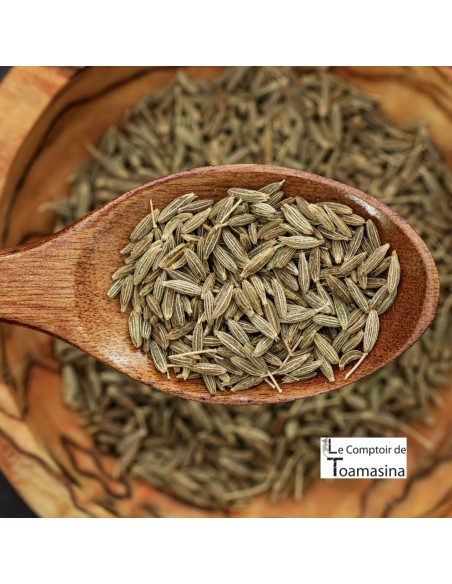
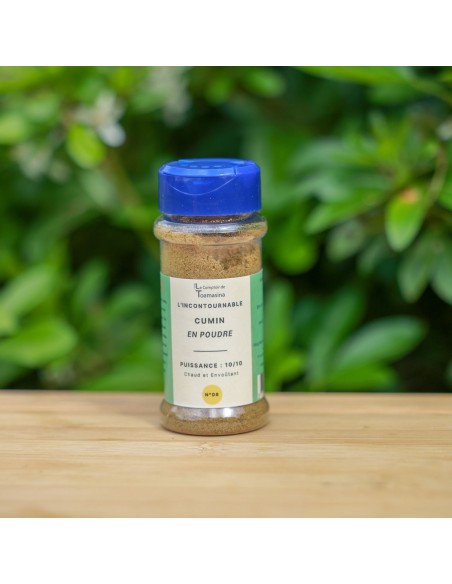
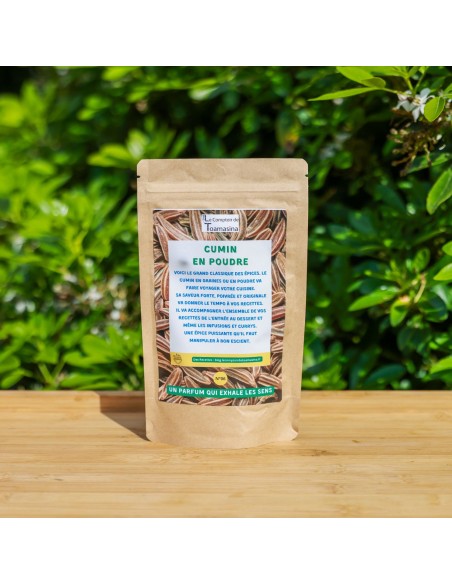
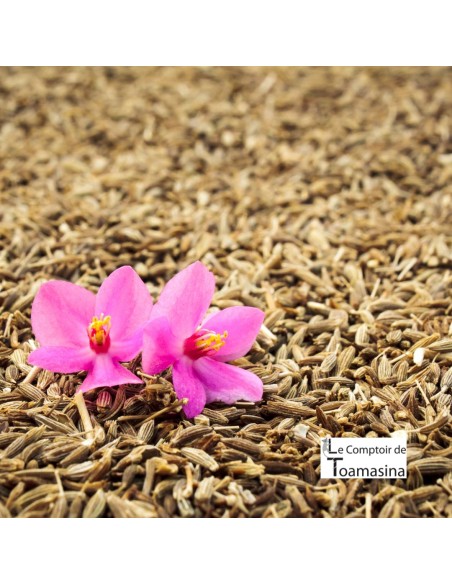
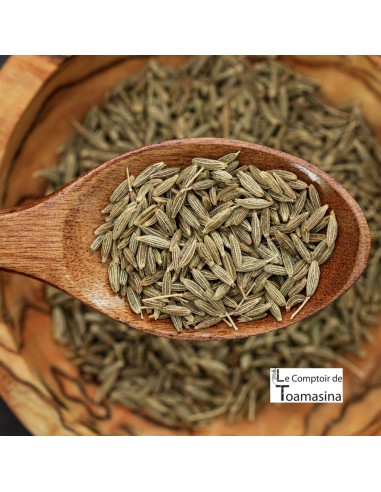
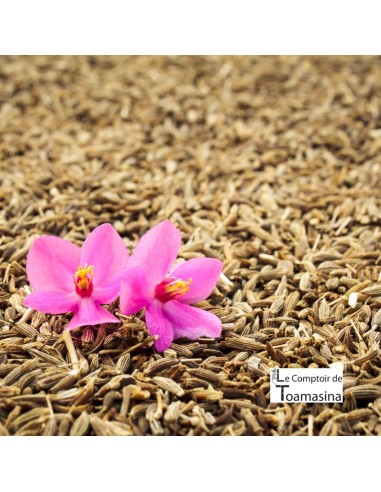
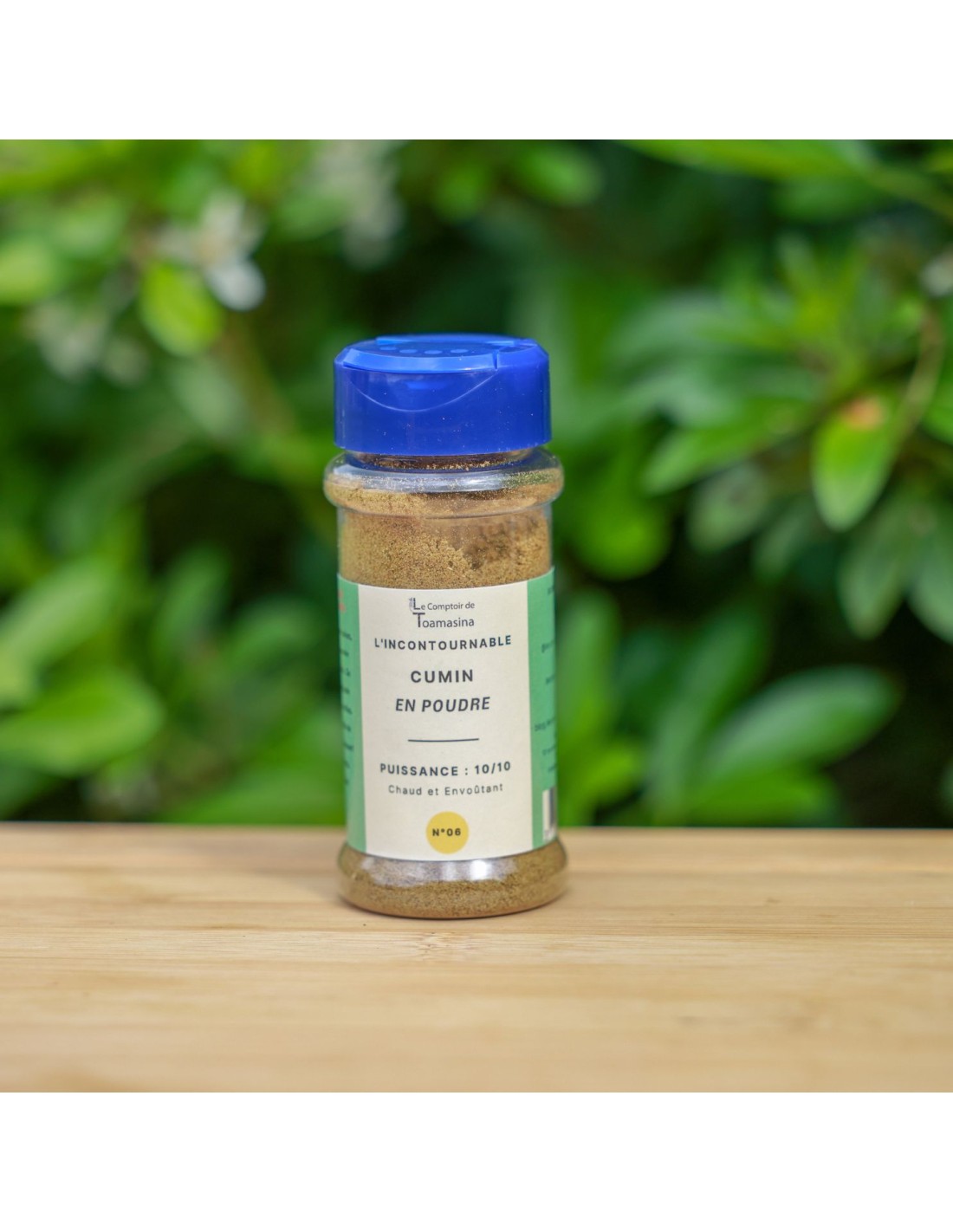
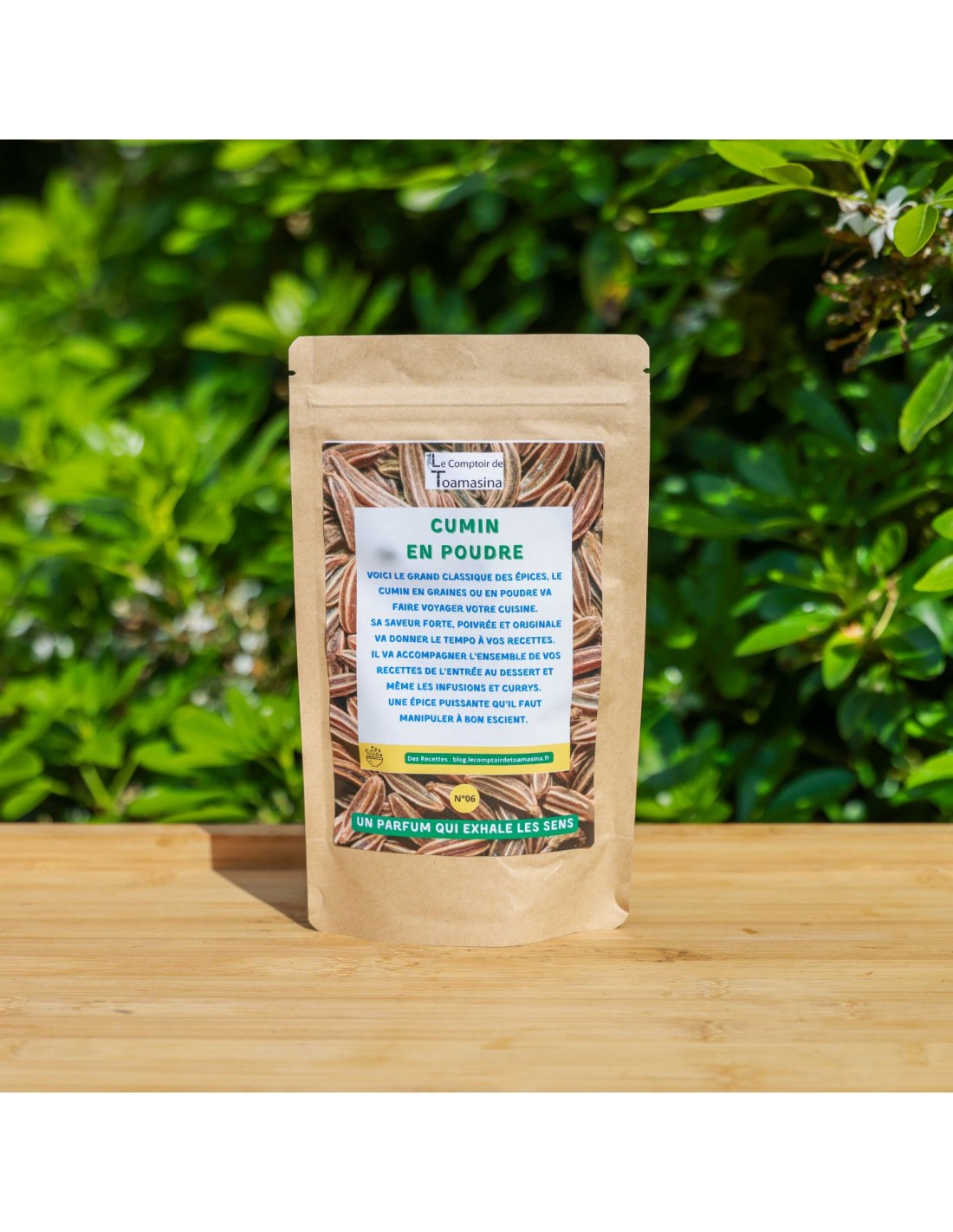
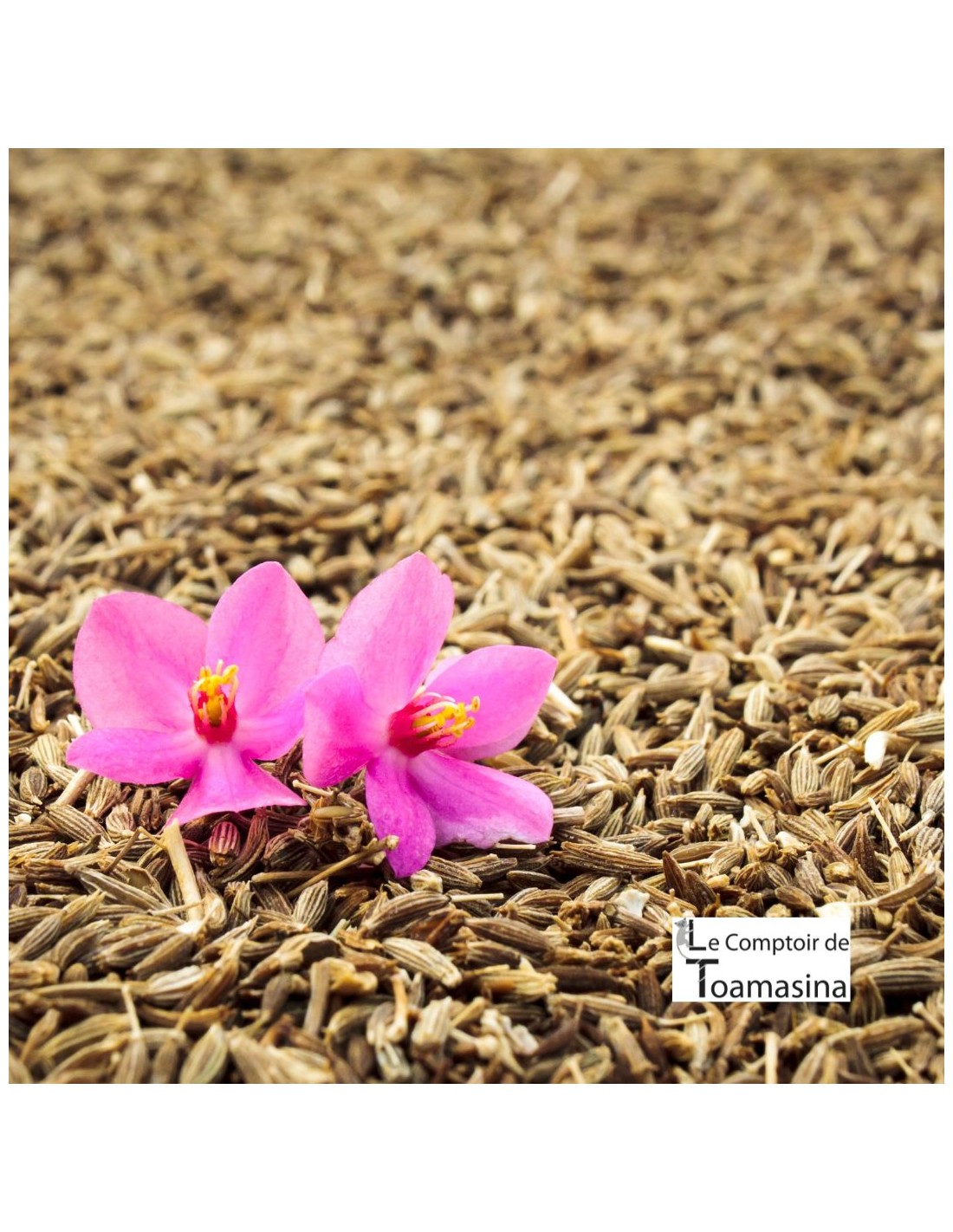
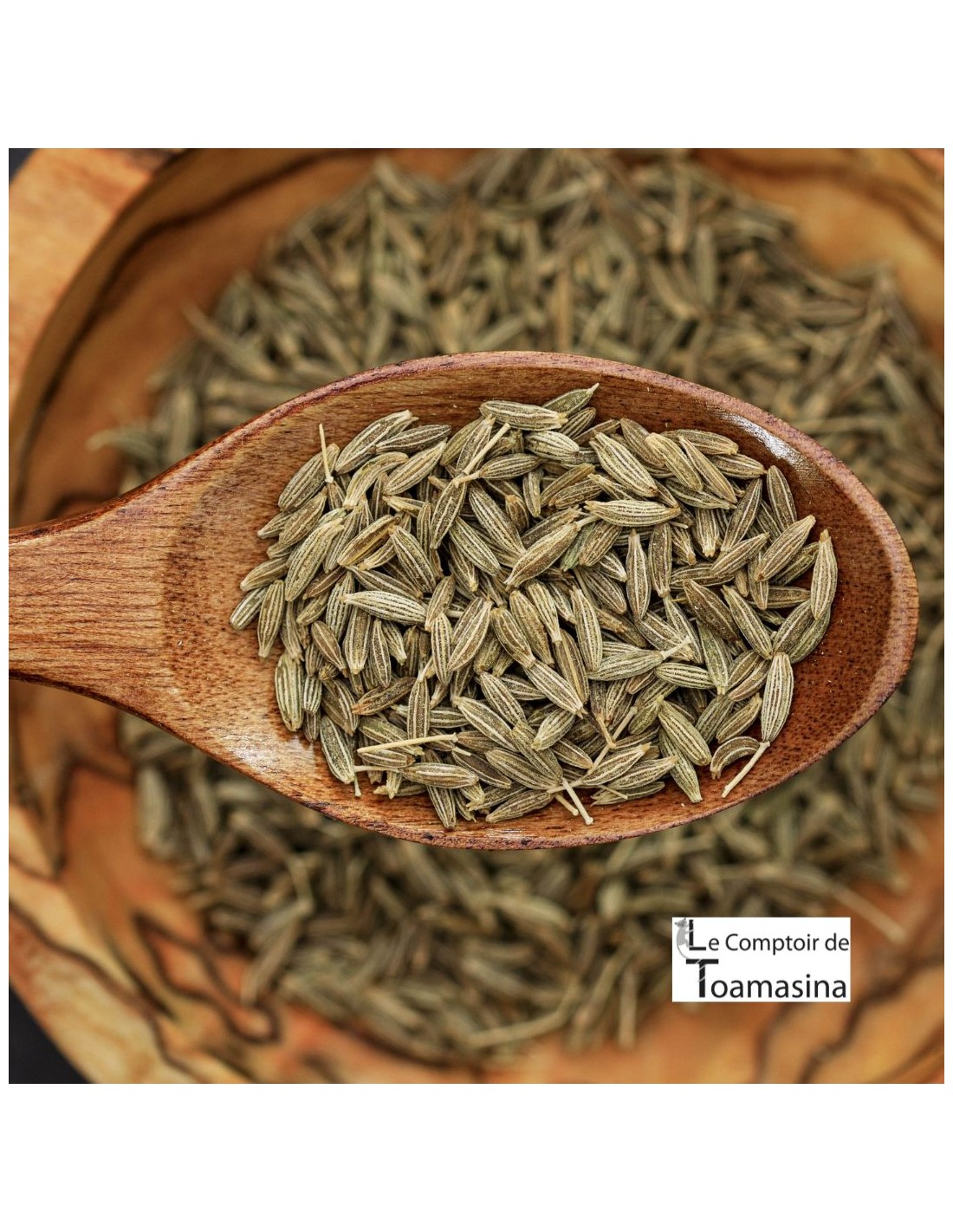
When you use this spice from the Apiaceae family, you will discover unique notes. Cumin reveals intense and spicy aromas very intriguing for the palate.
Its flavor oscillates between bitterness and warmth, with a delicate sweet touch, while its pronounced scent permeates every bite. However, its use requires some subtlety, as its powerful notes could easily overpower the other flavors of your dishes.
Its aromatic profile, with its aniseed and slightly lemony nuances, clearly evokes the scents of the Orient. In addition, its subtle peppery touch sublimates dishes without eclipsing their own flavor. Thus, although the spice is confidently present, it always remains in harmony, adding a dimension of depth to each recipe.
The fascinating History of Cumin
Because cumin has been used for so long, it is difficult to determine its exact origin, but it can be found throughout the Mediterranean basin, including the Nile Valley. The first evidence of its use dates back more than 5,000 years, in ancient Egypt. Cumin was used by temple priests for its medicinal and magical abilities.
The Romans believed that cumin possessed a wide range of properties. To avoid unpleasant nightmares, they used to hang bags of cumin above their beds. It was in the Middle Ages that it began to be commonly used as food in Europe.
Today, India produces about 70% of the world's cumin and consumes more than 60% of global production — an unparalleled adoption compared to its country of origin.