Green Tea Genmaicha
Green Tea Genmaicha
Green Tea Genmaicha
Green Tea Genmaicha
Green Tea Genmaicha
Green Tea Genmaicha

Green Tea Genmaicha

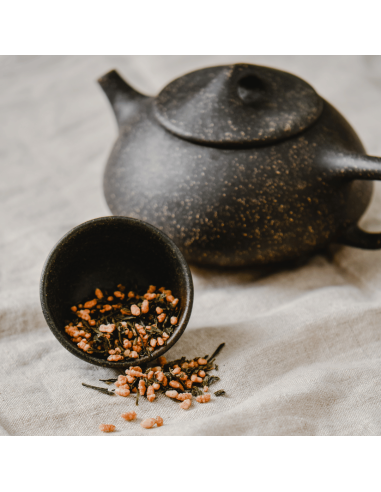
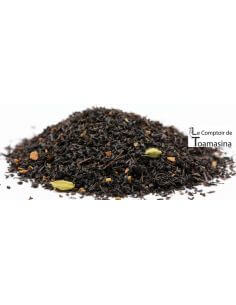
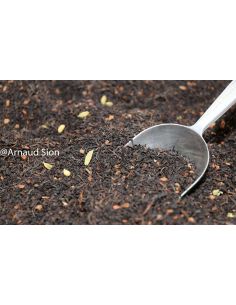
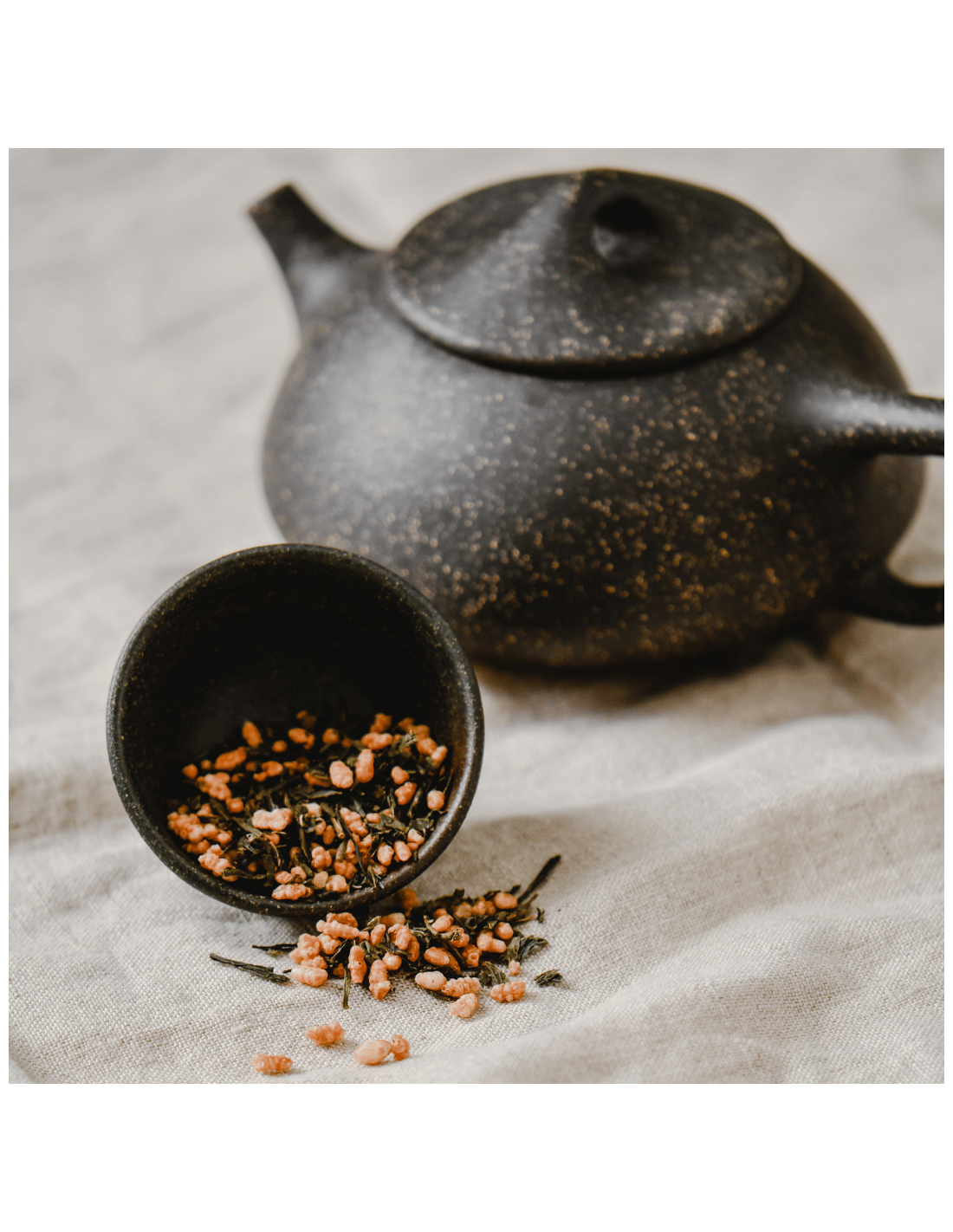
Genmaïcha green tea is a blend of a delicious variety of tea from Japan and puffed rice, roasted brown rice for a unique aromatic power. Its unique and refreshing flavor makes it one of the most popular drinks in the land of the rising sun. This delicious tea every day and even use it in your culinary recipes. Discover all the secrets of this authentic Japanese tea and let yourself be seduced by its unique taste.

  • Power of green tea: 7.5 / 10
  • Main notes: vegetable and fresh and puffed rice
  • To savor: Morning and afternoon

This delicate and tasty infusion is enjoying growing success with tea lovers around the world. If you want to buy quality genmaïcha green tea, you can now easily find it online, on our store specializing in exceptional teas.

Packaging
TVJG
€8.14


Genmaicha Green Tea
玄米茶 · The Brown Rice Tea

"Genmaicha green tea is a blend between a delicious variety of green tea and puffed rice, roasted brown rice, for a unique aromatic sweetness. Its comforting flavor makes it one of the most popular beverages in the land of the rising sun."

Global Selection Sweetness & Roundness Tea + Roasted rice

Unique Fusion

A harmonious blend between green tea and roasted brown rice, for an aromatic signature that few teas can match.

The "Popcorn Tea"

Some grains of rice pop during roasting—hence its affectionate nickname in Japan.

Ideal Everyday

Low in caffeine (especially when using mature leaves), to be enjoyed from morning to afternoon, with simplicity.

Whether you are a tea lover or simply looking for a new gustatory experience, genmaicha green tea is a perfect choice. On our online store specializing in selected teas, you will find a variety of unique green tea and also Genmaicha green tea at the best value for money. You can buy genmaicha green tea by the kilo but also in traditional packaging, enough to have tea for several months and save in the long term.

Thanks to its notes of grass and roasted cereals, genmaicha green tea offers a subtle and pleasant gustatory experience. In addition to its traditional tasting, it offers you the possibility of integrating it into various recipes—green tea cakes, ice creams. It offers a good synergy with Madagascar vanilla and Tahiti vanilla bean in pastry and cocktails.

Comparative Sensory Analysis

Genmaicha vs Bancha vs Sencha

The rice-tea marriage facing its two possible bases

Grilled · Hazelnut · Popcorn
Vegetal · Fresh
Umami · Marine
Roundness · Sweetness
Astringency · Bitterness
Genmaicha (Ours)
Bancha
Sencha

Why a mild base is preferred: traditional Genmaicha often uses autumn leaves (Bancha type) because their subtler, less umami flavor than spring Sencha leaves all the room for the roasted rice. The more astringent Sencha would dominate the blend rather than dialogue with it.

Genmaicha · Bancha · Sencha

The Olfactory Pyramid of Genmaicha

Two worlds in a single cup

ATTACK Roasted rice · Popcorn HEART Hazelnut · Warm cereals BASE Fresh vegetal · Discreet umami

Technical Sheet

What You Receive

  • Country of OriginGlobal Selection
  • Botanical SpeciesCamellia Sinensis + Rice
  • IngredientsGreen Tea + Roasted puffed rice
  • Intensity & BitternessMild (very low bitterness)
  • Main NotesVegetal, fresh, and puffed rice
  • To be enjoyedMorning and afternoon
  • AllergenNone
  • Possible TracesNone
  • PackagingPouch 80g, 160g, or 480g
  • LogisticsPrepared within 24h - Delivered within 48h

Genmaicha — What is Genmaicha green tea

Genmaicha, a green tea whose tradition is rooted in Japan, is now appreciated worldwide. Its golden color and slightly sweet flavor, embellished with nutty notes, make it a uniquely delicious beverage. In the past, Genmaicha was often associated with the religious fasting practices of Zen Buddhist monks, who appreciated it during their long periods of spiritual fasting.

Genmaicha, literally translated as "brown rice tea" (玄米茶), is a harmonious fusion of green tea—very often Bancha—and roasted and puffed brown rice grains. The use of more mature leaves harvested late (Bancha) gives it a distinct flavor and low caffeine content, allowing the rice to fully express itself without the green tea dominating the blend too much.

The aliases of Genmaicha

  • The "popcorn tea": because some grains of rice pop during roasting, called in Japan Genmai Hana — the "rice flowers".
  • The "people's tea" or "poor man's tea": traditionally consumed by those with more modest means, because rice allowed stretching the reserves of more expensive tea.

Production of Genmaicha green tea from A to Z — Everything you need to know

Let's discover the intriguing history of Genmaicha, a rice tea that has fascinated tea lovers throughout the ages.

The legend of the servant Genmai — and the more likely story

A dramatic 15th-century legend tells that a feudal lord, during a tea tasting moment, was disturbed by his servant named "Genmai", who accidentally dropped roasted rice into his cup. Furious, the lord allegedly beheaded him—but, overcome with remorse, he tasted the infusion and was amazed by its exquisite flavor, ordering that it be named in honor of his servant. This legend, specific to the English-speaking community, does not however gain credit among serious tea experts.

A more plausible origin places the modern genesis of Genmaicha in Kyoto, between the end of the Taisho era and the beginning of the Showa era, around the 1920s—in response to real economic constraints. High tea prices prompted less affluent people to incorporate rice into their infusion to make it more economical. They discovered that this addition not only made the beverage more affordable, but also attenuated the bitterness of older, rigid leaves—a true lesson in ingenuity, driven by the Japanese philosophy of mottainai (refusing waste), with some merchants even valuing the broken pieces of Kagami Mochi, the ritual New Year rice cakes.

Composition and preparation of the rice

Genmaicha, although literally meaning "brown rice tea", does not exclusively use whole brown rice—polished white rice or "mochi" glutinous rice can also be used, and the choice of rice considerably influences the final flavor. The rice is processed by soaking, steaming, and then hot-air puffing to dry it. After that, it is roasted, and depending on the degree of heat, some of the rice will pop. This rice is then associated with tea leaves and stems, often the oldest and least expensive like Bancha, whose earthy notes complement the nutty flavors of the rice.

Contemporary variations of Genmaicha

Matcha-iri Genmaicha

The most popular modern version: a fine film of matcha powder is added to the leaves and rice. The rice appears "painted green", and the liquor becomes an intense, opaque green, known as "Emerald". Matcha brings marine notes of dried seaweed and a velvety texture that softens the raw taste of the roasted rice.

Gyokuro Genmaicha

Intended for connoisseurs, this blend uses shaded Gyokuro leaves. In the absence of suspended matcha, the liquor retains its yellow-green clarity and allows a deep, silky umami to express itself, married to the sweetness of the roasted rice.

Kukicha Genmaicha

An original blend using tea stems and twigs (Kuki) sorted during the manufacture of Sencha or Gyokuro. Since they do not undergo photosynthesis, they concentrate sweet amino acids rather than bitter catechins—a tea of extraordinary sweetness, almost without bitterness.

What is the flavor of Genmaicha green tea

Genmaicha is a green tea made by associating tea leaves with roasted rice. In France, many people speak of "rice tea" to describe Genmaicha, but it is much more than a simple traditional tea. Originally developed during economically difficult times to extend tea reserves, its unique flavor has conquered a global audience, becoming a highly prized blend.

The roasted rice brings a delicious nutty warmth to the tea, perfectly balanced by the fresh and vegetal notes of the tea leaves, creating the perfect gustatory harmony of Genmaicha. The flavor profile rests essentially on this harmonious interaction between two distinct flavors: the warm, nutty nuances of the rice blend surprisingly with the slightly sweet, herbaceous tones of the tea leaves. The aroma can vary slightly depending on whether the blend uses a mature or more tender base, developing more herbaceous or iodized notes depending on the harvest.

Perfecting your cup — tips from Chef Arnaud of Apogée Bar

Steeping time is very important: it affects the liquor, the rice grains, and the tea leaves. It is advisable to take your personal preferences into account in your quest for the ideal Genmaicha. If you find it too "full-bodied", opt for a variant that puts more emphasis on the green tea leaves. You can drink Genmaicha prepared with late-season leaves all day long, because it has less caffeine than early green tea—unlike black tea, which is significantly richer in caffeine.

How long to steep my Genmaicha green tea

To enjoy a perfectly infused Genmaicha, opt for an infusion of 30 seconds to 2 minutes in water heated to about 75°C. Do not prolong the infusion beyond this time, as this could lead to an undesirable metallic or bitter taste.

MethodDosageTemperatureTime
Traditional hot preparation6g for 50cl of water75°C2 to 3 minutes
Iced tea25g for 1 liter of waterRoom temperature30 to 35 minutes then filter and refrigerate
Latte version (Brazilian recipe)10g / 30cl water + 30cl hot milk75°C5 to 6 minutes, then froth
Cold brew (Mizudashi)5g for 250ml filtered waterCold or room water3 hours, without moving the container

Complete traditional method

  1. Heat fresh water to about 80°C.
  2. Measure 1 to 2 teaspoons of Genmaicha leaves per cup.
  3. Preheat the teapot with a little hot water.
  4. Place the Genmaicha leaves in the preheated teapot.
  5. Gently pour the 80°C water, without filling to the brim.
  6. Cover and let steep for 1 to 2 minutes.
  7. Serve—the leaves can be re-steeped one or two more times, slightly extending the time.

Kooridashi — Iced Genmaicha of high-end tea rooms

Fill a kyusu teapot with ice cubes and add 5g of tea leaves on top. As the ice cubes melt, they infuse the tea at an extremely low temperature, creating a sweeter infusion and a perfect version of iced Genmaicha.

How to store Genmaicha green tea

  • Airtight container: airtight aluminum pouch or metal tin, protecting the tea from air, light, and humidity.
  • Protection against light: avoid any direct exposure to the sun, in a dark place.
  • Room temperature storage: away from any heat source (stove, radiator).

Using Genmaicha in cooking and baking

  • Genmaicha ice cream: infuse the tea in hot cream to create an ice cream base before churning it in an ice cream maker.
  • Genmaicha macarons: incorporate Genmaicha powder into the ganache or sprinkle the shells before baking.
  • Cakes and muffins: integrate ground Genmaicha into the batter, or prepare a Genmaicha glaze.
  • Creams and ganaches: infuse it in cream or milk for tarts, éclairs, or cupcake ganaches.
  • Genmaicha rice: add a few spoons to the rice cooking water for a subtle flavor of tea and roasted rice.
  • Genmaicha sauce: mix infused Genmaicha with soy sauce, mirin, and sugar to accompany fish, poultry, or vegetables.
  • Infusion in liquids: milk, cream, or alcohol (vodka) for unique cocktails and beverages.

Genmaicha gastronomic pairings

  • Sushi & Sashimi: the reference tea served in Japanese restaurants—it cleanses the palate between two pieces of fatty fish.
  • Fatty fish: pairs beautifully with grilled mackerel (saba) or salmon, tempering their richness.
  • Fried foods (tempura): the vegetal liveliness of the tea cuts through the fattiness, while the roasted rice notes echo the golden batter of the fritter.
  • Yakitori: grilled chicken skewers glazed with soy sauce harmonize with the roasted grain scents of the tea.
  • Osenbei: the most traditional pairing in Japan—crunching a salty rice cracker while drinking Genmaicha, both sharing the same base ingredient.
  • 70-80% Dark chocolate: for a daring tasting—the bitterness of cocoa contrasts with the umami and cereal roundness of the tea.

Buy Genmaicha green tea by the kilo

If you are looking for the best shop to buy Genmaicha green tea by the kilo, look no further than Le Comptoir de Toamasina. Genmaicha is renowned for its mild and refreshing taste, an ideal choice for those looking for a light and balanced green tea experience—to be enjoyed at any time of the day, in small quantities as well as by the kilo.

We sell this tea in economical packaging that lowers the price per kilo. The price of Genmaicha green tea by the kilo is 67 euros, and you can find it from €8.14 for the 80g pouch (also available in 160g and 480g).

Frequently Asked Questions

Why does Genmaicha use a mature base rather than early flush?
The flavor of a late-season tea is milder and less umami, leaving all the room for harmony with the roasted rice.
Where does the name Genmaicha really come from?
Literally "brown rice tea". The most plausible story places it in Kyoto in the 1920s, born from real economic constraints—the legend of the beheaded servant has no credit among tea experts.
Can you drink Genmaicha all day long?
Yes—made with mature leaves, it has less caffeine than an early Sencha, unlike black tea which contains significantly more.
What is "popcorn tea"?
A nickname for Genmaicha, referring to the rice grains (Genmai Hana, "rice flowers") that sometimes pop during roasting.

"The people's tea that became a global treasure—roasted rice, hazelnut, and vegetal sweetness, in a single golden cup."

Order my Genmaicha Green Tea

Camellia Sinensis + Rice · Global Selection · 80g Pouch for €8.14 · Kilo for €67 · Arnaud Sion Selection

What you will see in this video

Arnaud takes you into the world of Genmaicha green tea and the Ranger expedition.

Native country
Japan
BOTANICAL SPECIES
Camellia Sinensis
INGREDIENTS
Bancha Green Tea + puffed rice
AROMATIC POWER
7,5/10
ALLERGEN
Absence
POSSIBLE TRACES OF ALLERGENS
None
PACKAGING
Bag or Box
Preparation / Delivery
Preparation within 24 hours - Delivery within 48 hours
No reviews

Customers who bought this product also bought: