Culinary Rose Water in Pastry (Bulgaria)

Culinary Rose Water in Pastry (Bulgaria)

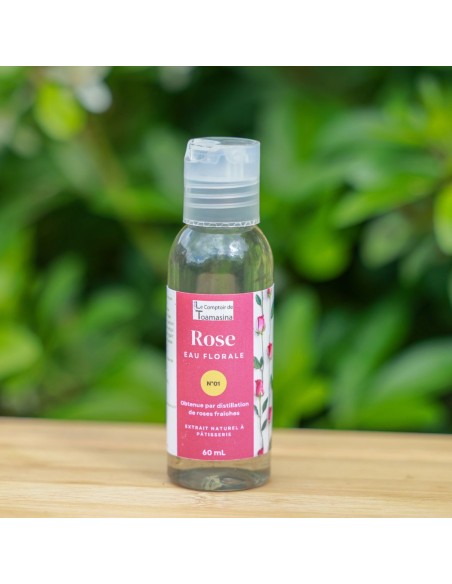
A 100% natural Culinary Rose Water from Bulgaria, Iran and Morocco ideal for flavoring your pastries

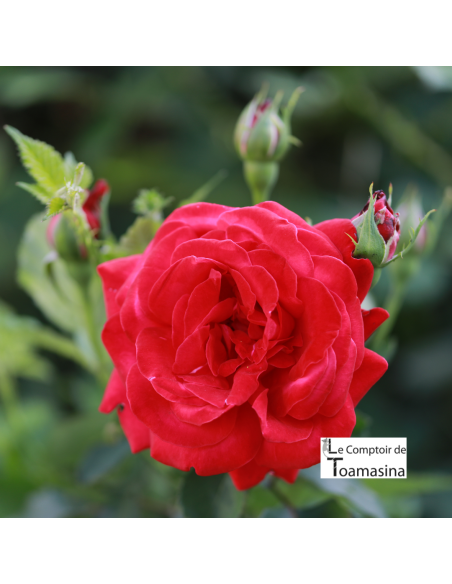
Rose water is obtained by hydrodistillation of fresh flowers of Damascena and Centifolia roses. It will imbue your pastries with the flavors and scents of fresh rose blossom.

The natural hydrosol of rose water is used in the preparation of pastries, ice cream, yogurt and cocktails.

  • Main notes : Intense rose floral notes
  • Aromatic : The characteristic flavor of the rose in an intense floral water
  • Use : Beverage and savory and sweet recipes

You want to get a quality rose water, we have selected for you the best rose floral water to make recipes and drinks.

Conditionnement
ERI60
€3.69


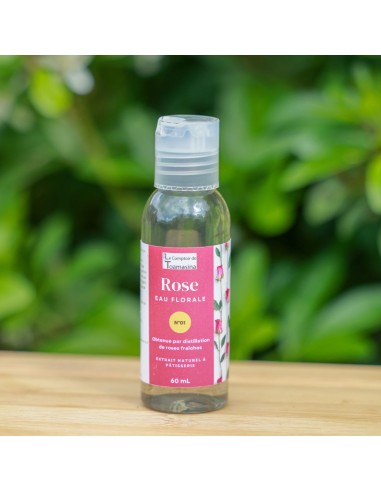
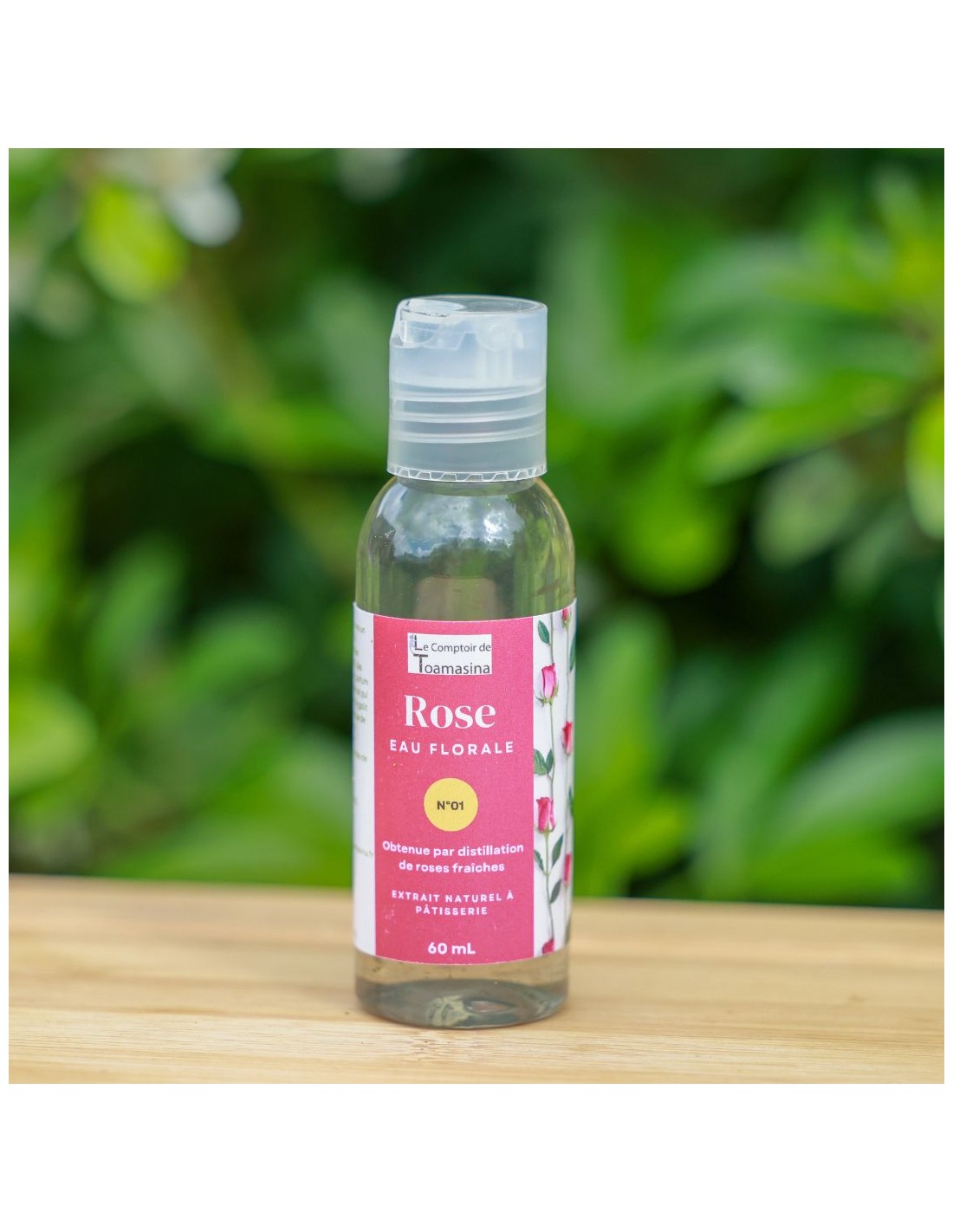
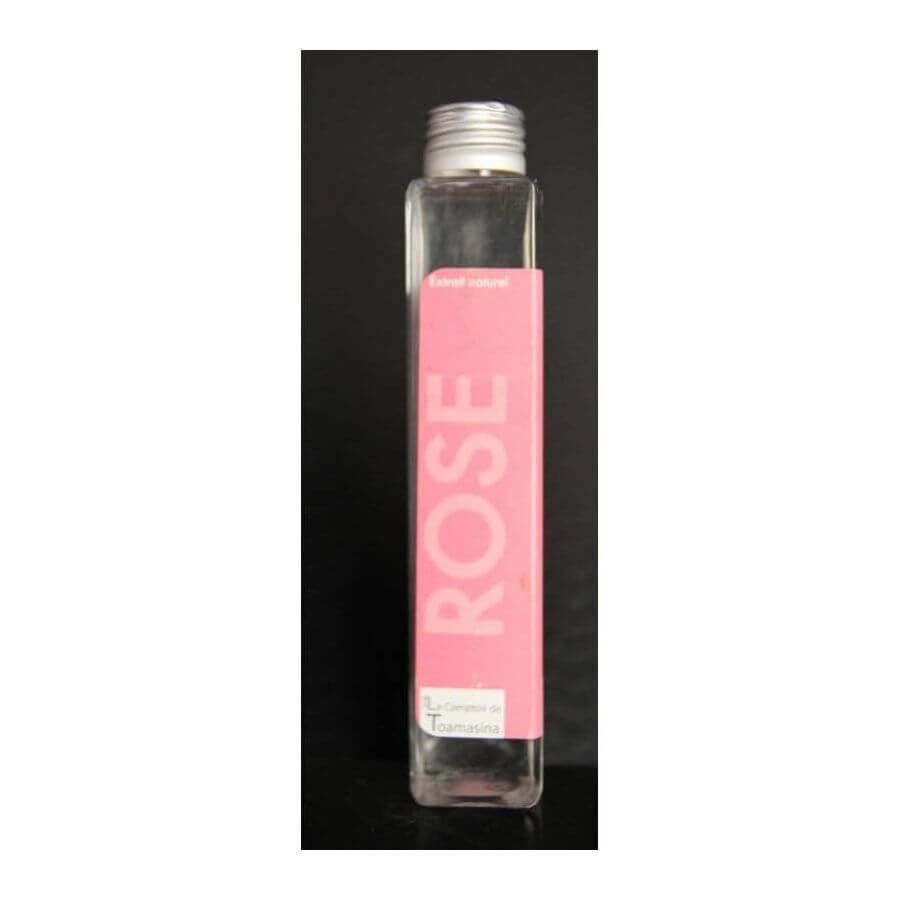
Culinary Rose Water
For Pastry & Baking

“Just a few drops are enough to transform a cream or batter. I have been selecting it since 2013: Bulgaria for floral depth, Morocco for sweetness, Iran for intensity.”

Exceptional Terroirs

Curated from the finest roses in Bulgaria, Morocco, and Iran—the world's three premier rose water origins.

Unique Concentration

A 95% pure steam-distilled hydrosol delivering intense fragrance and excellent heat stability during baking.

100% Food Grade

Formulated explicitly for culinary arts, not cosmetics. This is the crucial distinction when buying rose water.

Rose water is easily one of the most misunderstood flavorings on the market. Half of the bottles sold in stores are cosmetic grade, completely unsafe for food preparation; the other half is so heavily diluted that you need three tablespoons just to notice a faint scent. That is precisely why I brought this product into my collection.

I am Arnaud Sion, founder of Le Comptoir de Toamasina. Since 2013, I have selected this rose water from three renowned origins: Bulgaria for its deep floral character, Morocco for delicate sweetness, and Iran for aromatic intensity. On this page, I explain how it is distilled, how to distinguish culinary rose water from cosmetic formulations, how to dose it accurately—and the three mistakes that ruin rose pastries.

Explore also our food flavorings, our vanilla beans, and our rare peppers.

What You Will See in This Video

Arnaud demonstrates Le Comptoir's culinary rose water: the bottle, liquid clarity, and above all, the aroma upon opening—the exact moment you realize the difference between pure concentrated hydrosol and cheap diluted flower water.

Technical Specification

What You Receive

A 100% food-grade rose hydrosol obtained by steam distillation of fresh petals, selected for high aromatic strength.

  • Product TypeRose Hydrosol (Floral Water)
  • OriginBulgaria, Morocco, or Iran (batch dependent)
  • VarietiesRosa damascena, Rosa centifolia
  • ExtractionSteam distillation
  • Composition95% Rose Water, 5% Ethanol (preservative)
  • Usage100% Food Grade for cooking and baking
  • Sizes50 ml, 100 ml, and 500 ml bottles
  • StorageKeep protected from light and heat fluctuations

Pricing Options

  • 50 ml Bottle: €3.69
  • 100 ml Bottle: €6.49
  • 500 ml Bottle: €18.36 (Best value per liter)

For commercial orders of 5 liters or more, email us at info@lecomptoirdetoamasina.fr for a custom quote.

Sensory Analysis

Comparative Aromatic Profile

Rose Water · Orange Blossom Water — the twin floral pillars of baking

Floral · Rose
Sweet · Soft
Fresh · Crisp
Citrus · Zesty
Spiced · Oriental
Rose water
Orange blossom water

Note from Arnaud: “These are the two quintessential floral waters of Middle Eastern and Mediterranean pastry, yet they are constantly confused. Orange blossom leans heavily toward zesty citrus—it's bright and sunny. Rose is deeper, enveloping, with a subtle spicy edge that makes it unmistakable. They do not replace each other—they complement each other.”

Rose vs. Orange Blossom

What Is True Rose Water

Authentic rose water, or rose hydrosol, is a coproduct of steam-distilling fresh rose petals. It is neither a tea-like infusion nor water mixed with perfume: it is condensed water vapor that has passed through rose petals, absorbing volatile aromatic molecules.

This distinction explains why it holds up so well in baking. Infusions lose flavor under heat; a distilled hydrosol preserves its fragrance much better.

1

Early Morning Harvest

Petals are picked early at dawn before sunlight causes volatile oils to evaporate. The harvest season lasts just a few weeks per year.

2

Steam Distillation

Fresh petals are placed in stills where steam passes through them, capturing aromatic compounds.

3

Separation

Upon cooling, precious rose essential oil floats to the top, while dense aromatic water settles below: this is pure rose water.

Why Real Rose Water Costs What It Does

Rose petals are among the most expensive raw ingredients in perfumery and culinary arts. Thousands of hand-picked petals yield only a small amount of pure hydrosol. Suspiciously cheap "rose water" is almost always tap water mixed with synthetic fragrances and preservatives.

Culinary vs. Cosmetic Rose Water: What You Must Know

Confusing these two is by far the most common purchasing mistake because both share the same name on the front label. However, they are non-interchangeable.

Cosmetic rose water is intended strictly for topical skin care. It frequently contains chemical preservatives or stabilizers unsafe for ingestion.

Culinary/Food-Grade rose water, such as ours, is distilled, tested, and packaged according to strict food safety regulations, ensuring complete safety in food and drinks.

How to Spot the Difference in 30 Seconds

  • Check Label Indications: Culinary rose water clearly specifies "food grade," "culinary," or "for baking." If missing, assume it is cosmetic.
  • Examine Ingredient Lists: Food products carry standard food labels. Cosmetics use INCI Latin names (e.g., Rosa Damascena Flower Water followed by chemical preservatives like Sodium Benzoate).
  • Ignore "100% Natural" Claims: A skincare toner sold in a pharmacy aisle may be "100% natural," but it remains unfit for human consumption.
Culinary rose water for baking from Bulgaria by Le Comptoir de Toamasina

How to Dose Rose Water Correctly

Rose water has a narrow ideal window: too little, and you won't taste it; too much, and your dessert tastes like soap or perfume. Always start light and adjust to taste.

Master Dosage Guide

  • Custards, Panna Cotta, Mousses: 1 to 2 teaspoons per 500g (1 lb) of mixture.
  • Cake Batters, Pastries, Cookies: 1 tablespoon per 500g (1 lb) batter (baking heat reduces fragrance).
  • Ice Cream & Sorbet: 1 tablespoon per 1 liter (1 quart) base, added right before churning.
  • Drinks, Lemonades, Iced Teas: A few drops per glass.
  • Fruit Salads: 1 teaspoon per bowl, whisked into simple syrup or sugar first for even distribution.
  • Savory Dishes & Sauces: Just a few drops added off the heat.

Three Common Mistakes That Ruin Rose Pastries

  1. Overdosing: This is mistake number one and cannot be fixed. Always start with half the recipe's recommended dose, taste, and add more if needed.
  2. Adding too early during boiling: Volatile rose aromatics evaporate in steam. Add rose water off the heat at the very end of cooking.
  3. Pairing with overwhelming ingredients: Rose is delicate. Dark chocolate, coffee, or heavy spices completely crush it. Best partners include raspberries, strawberries, lychee, pistachio, almond, honey, and dairy.

Best Culinary Uses for Rose Water

Famous across Middle Eastern, Persian, and North African cuisines, rose water is essential for baklava, Turkish delight (lokum), and rice puddings. Its versatility extends far beyond traditional recipes:

  • Middle Eastern Pastries: Baklava, gazelle horns, knafeh, Turkish delight.
  • Puddings & Creams: Rice pudding, panna cotta, pastry cream, whipped cream.
  • Red Berries: An absolute dream pairing with raspberries and strawberries.
  • Frozen Desserts: Raspberry-rose sorbet, rose-pistachio gelato.
  • Refresing Drinks: Craft cocktails, sparkling lemonade, floral iced tea.
  • Savory Accent: A few drops in glaze for roasted poultry or pan-seared duck breast.

Arnaud's Blog Recipes

Rose Water vs. Orange Blossom vs. Extract vs. Essential Oil

Product Extraction Method Aromatic Strength Average Dosage Primary Kitchen Use
Rose Water (Hydrosol) Steam distillation of petals Moderate, natural 1 to 2 tsp per 500g Baking, custards, drinks, light savory touches
Orange Blossom Water Steam distillation of bitter orange blossoms Moderate, natural 1 to 2 tsp per 500g Brioche, crepes, Mediterranean pastries
Rose Extract / Flavoring Concentrated culinary formulation High A few drops Commercial baking, icings, frostings
Rose Essential Oil Oily fraction of steam distillation Extreme Strictly regulated (micro-drops) Perfumery primary — avoid direct recipe substitution

How to Make Homemade Rose Infusion

Homemade Rose Petal Infusion Recipe

Ingredients:

  • 500 ml (2 cups) filtered water
  • 250 g (1/2 lb) fresh unsprayed organic rose petals (or dried rose buds)

Instructions:

  1. Infuse: Place petals in a heatproof glass jar. Pour boiling water over petals, seal tightly, and steep for 12 to 14 hours.
  2. Filter: Strain out petals, then pass liquid through fine cheesecloth.
  3. Store: Transfer to an opaque glass bottle. Add 5% neutral alcohol (like vodka) to extend shelf life. Keep refrigerated.

Safety Note: Use only pesticide-free organic roses (such as Damask or Centifolia). Florist shop roses are treated with chemicals and are unsafe to consume.
How to Store Your Rose Water

  • Keep Away from Light: Store the bottle inside a dark cupboard.
  • Avoid Heat Sources: Keep away from ovens and sunny windows.
  • Seal Tightly: Close cap immediately after pouring to prevent evaporation.
  • Shelf Life: The 5% ethanol content preserves freshness long after opening.

Frequently Asked Questions

What is the difference between food-grade and cosmetic rose water?
Cosmetic rose water is meant for skin care and contains non-ingestible additives. Food-grade rose water complies with strict food safety regulations for culinary use.
How much rose water should I use in recipes?
Use 1 to 2 teaspoons per 500g (1 lb) of cream or batter. Always start with half the dose and adjust to taste.
Can you heat rose water?
Yes, but adding it at the end of cooking or off the heat best preserves its delicate volatile notes.
Native country
Bulgaria
INGREDIENTS
95% rose water 5% ethanol
PACKAGING
Bottle
Preparation / Delivery
Preparation within 24 hours - Delivery within 48 hours
No reviews

Customers who bought this product also bought: