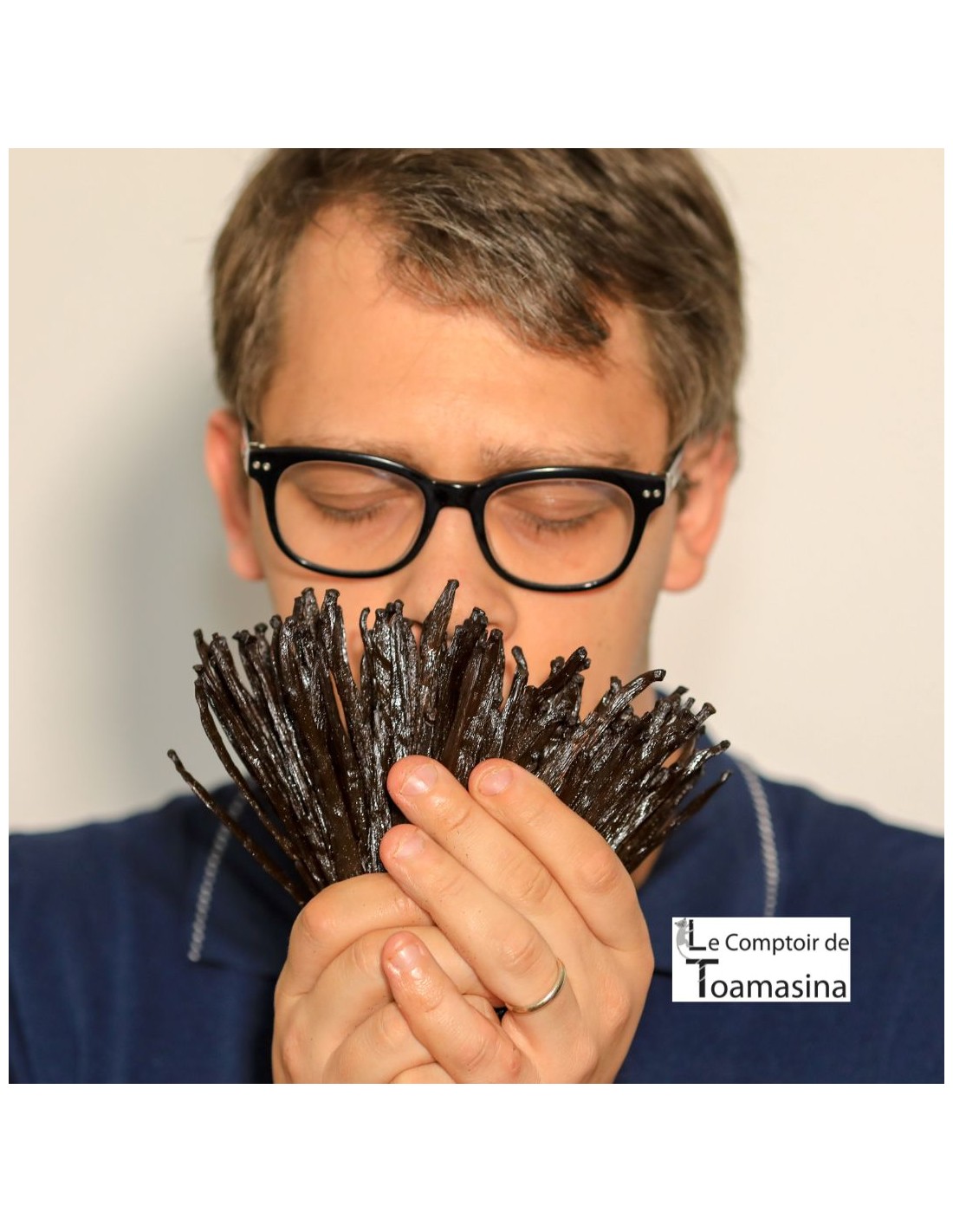
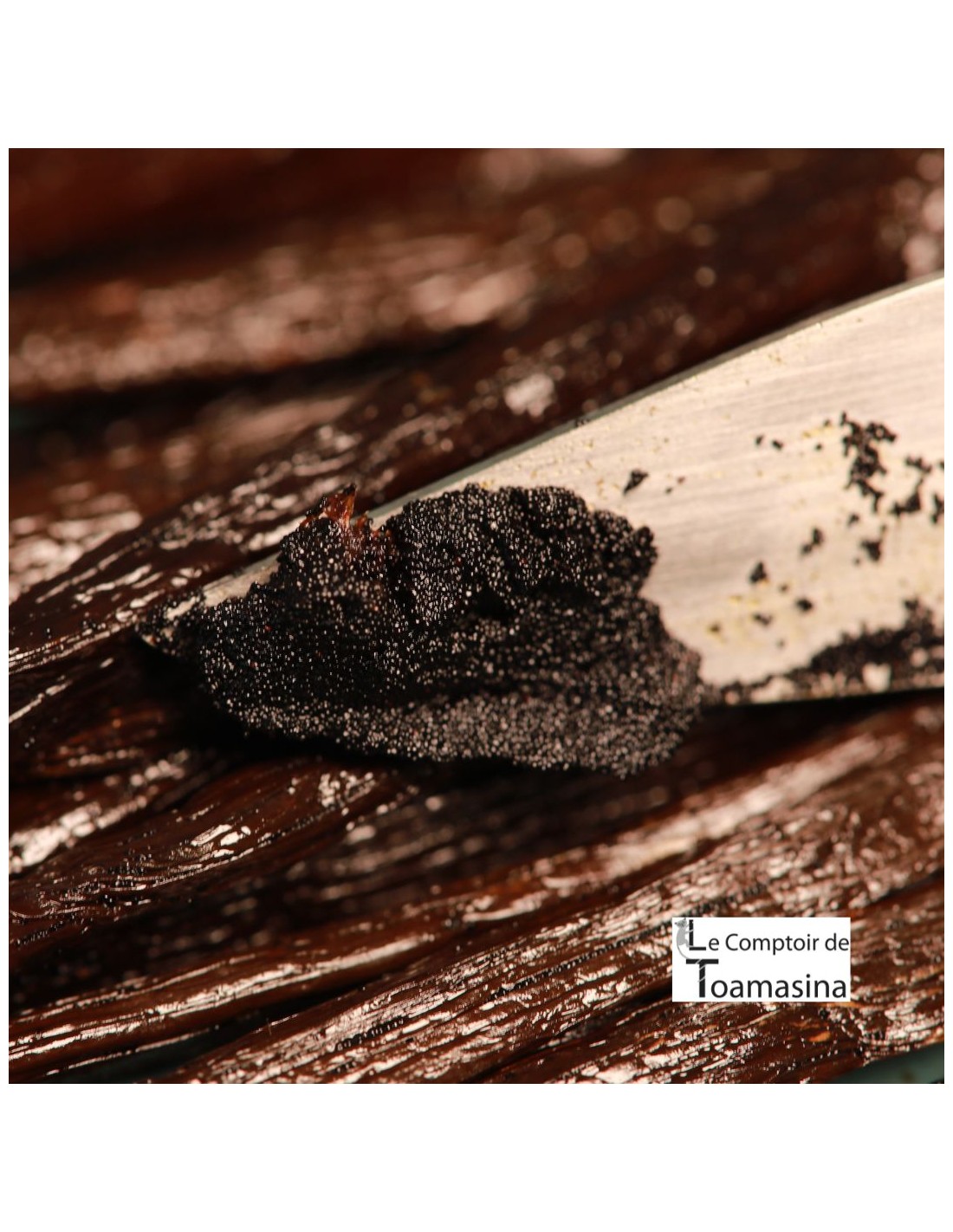
Papua Tahitensis vanilla
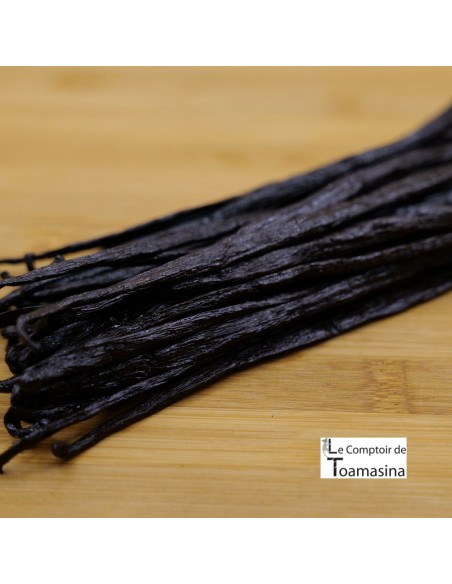
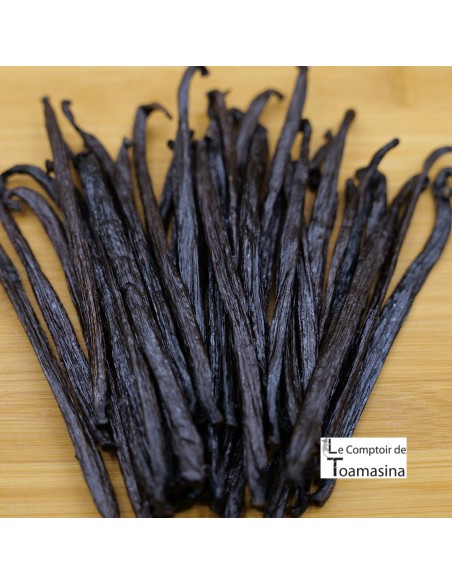
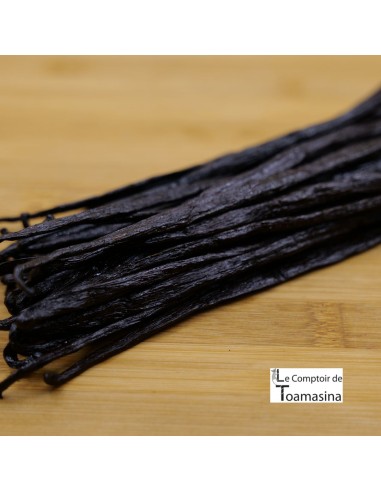
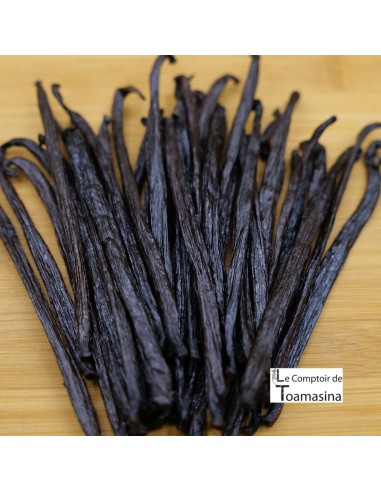
Discover Tahitensis Gourmet Vanilla from Papua New Guinea at Comptoir de Toamasina. This variety offers fruity, floral and woody notes, ideal for enhancing your dishes. We offer this hand-harvested vanilla, guaranteeing the best value for money. Buy in different quantities, from 2 to 100 beans.
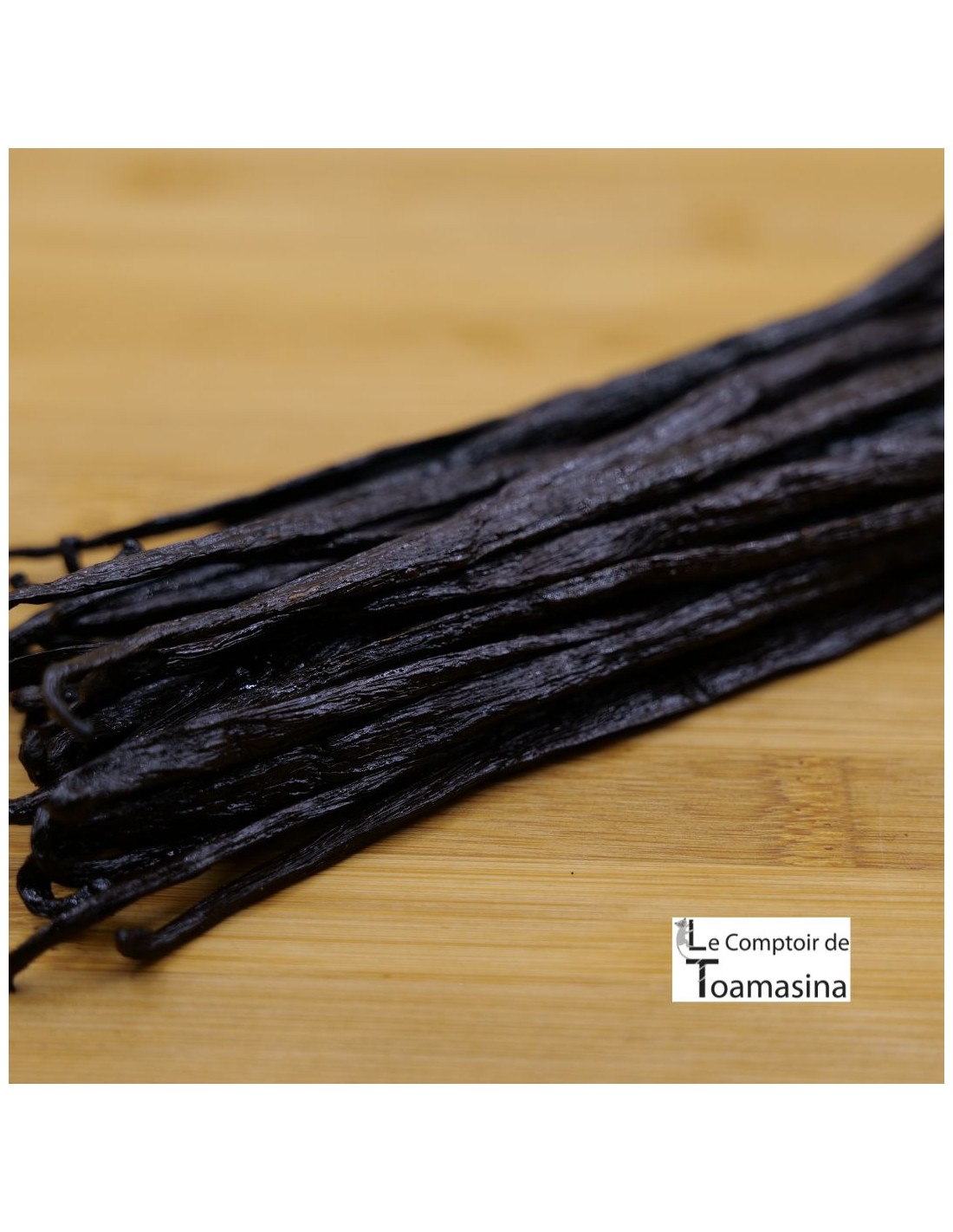
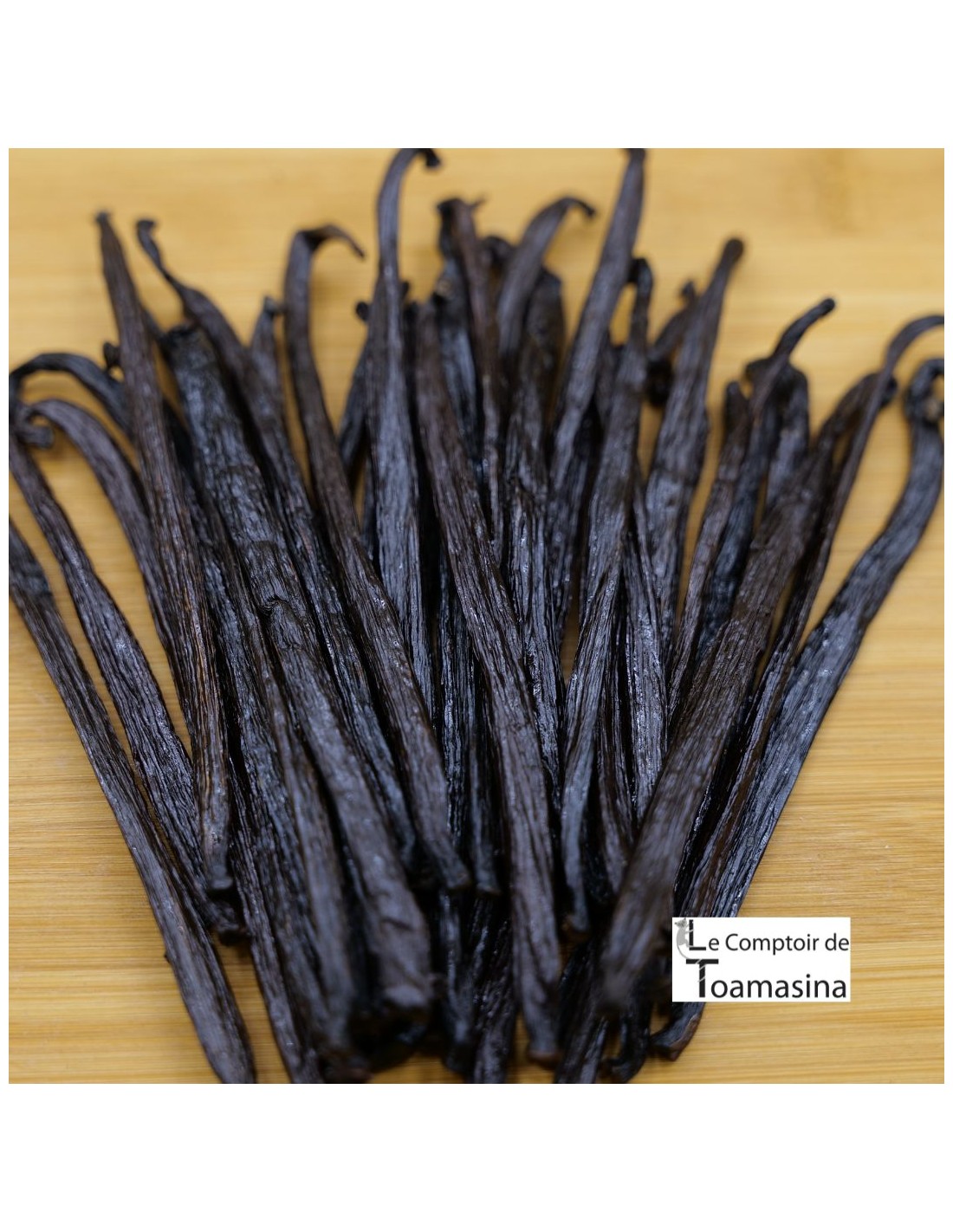
- Main notes: woody and floral vanilla
- Aromatic: A vanilla pod with first notes of spice and leather which will continue with long notes of floral vanilla
- Color: Ebony, silver and black
- Quality: Gourmet
- Category: Grand Cru
- Size: + 14cm
- Origin - Plantations: Highland region - Mount Kabangama, Goroka - Papua
Each pod is blacker and finer than Tahitian vanilla, offering a unique taste experience. Don't miss out on this culinary marvel! Here you can buy the best value for money vanilla.
Tahitensis Vanilla from Papua New Guinea
Buy, Uses and Recipes
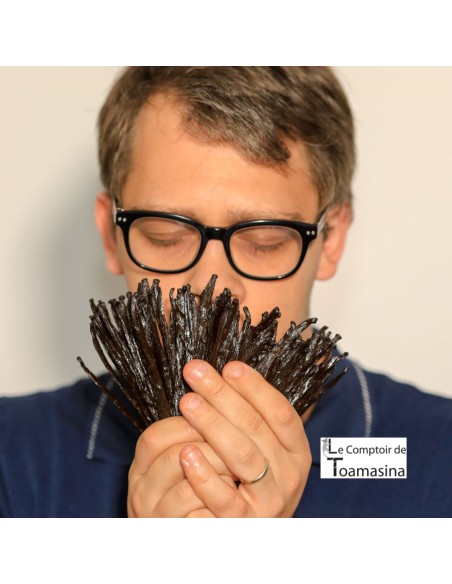
"I am Arnaud Sion, my nickname has been Arnaud Vanille since the Thalassa Destination report in 2014. It's the nickname I got on the Sebastopol market, because it all started on this Lille market in March 2010."
Grandiose Origin
Our beans come from lush Papua New Guinea, a terroir that gives the vanilla exotic and spicy aromas.
The Best Quality
We only offer gourmet quality, which is the highest quality in the vanilla world. Each bean is carefully selected.
Varieties Offered
Papua Tahitensis Vanilla (notes of leather, spices, floral) and Papua Planifolia Vanilla (spices, musk, chocolate).
I worked in the cold, the rain, the heat and in pleasant temperatures to develop my family business. Le Comptoir de Toamasina is today the essential destination for lovers of exceptional vanilla.
If you are looking for a vanilla bean for your culinary creations, your restaurant, your pastries, then let me introduce you to the Tahitensis vanilla from Papua New Guinea, a real aromatic gem.
Before 2010, few people knew this vanilla with its spicy and musky notes that gives way to a long moment of floral vanilla. It replaces the Tahitensis vanilla from Tahiti. Imagine a vanilla with musk, notes of spices and a long moment of floral vanilla. That is what Papua's tahitensis vanilla offers.
Why wait? Visit Le Comptoir de Toamasina and discover these gustatory treasures. Since 2010, we have been passionate about vanilla from all over the world, and we are delighted to share this passion with you.
What does Papua tahitensis vanilla taste like?
The vanilla native to Papua New Guinea stands out for its rare and singular character, offering a warm and delicate scent, deliciously floral with subtle spicy and musky notes.
When tasted, it reveals spicy notes evoking musk or cinnamon, with a long floral moment. This vanilla from Papua New Guinea is a treasure for connoisseurs of exquisite flavors, in both sweet and savory creations.
Sensory Analysis
Comparative Aromatic Profile
Planifolia · Pompona · Tahitensis
Three vanilla species, three flavor families
Arnaud's Note: "Planifolia is classic vanilla, round and buttery, the one from our childhood. Pompona is different: woody, almost tobacco and licorice, it is mainly found in infused rums. Tahitensis plays in a completely different register: floral, musky, spicy — it is the most surprising when tasted. Three vanilla species, three different uses in cooking."
Global Analysis of the 3 Species
What is the price of Tahitensis vanilla bought by the bean
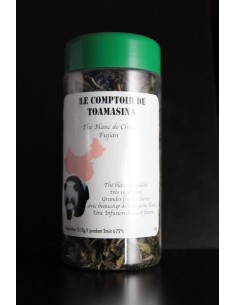
Le Comptoir de Toamasina offers Papua tahitensis vanilla by the bean in a bottle or in a bag. Our bottles are designed to preserve the freshness of the vanilla. You will find packaging for a simple amateur who cooks from time to time or for professionals, pastry chefs, resellers and also lovers of infused rum.
Here is the official price of Tahitensis vanilla when buying by the bean:
- Bottle of 2 beans: 5€
- Bottle of 5 beans: 9€
- Box of 15 beans: 27€
- Bag of 20 beans: 30€
- Box of 50 beans: 75€
- Bag of 100 beans: 100€
What is the Tahitensis variety - Tahitensis Vanilla: An Aromatic Journey
Tahitensis vanilla, also known as Vanilla x Tahitensis, is a hybrid vanilla variety that awakens the senses and transports the taste buds to exotic lands. Let's delve into the fascinating history of this young vanilla, its unique characteristics, and its role in global gastronomy.
Origins and Cultivation
Land of Paradise: Tahitensis vanilla finds its origins on the paradise island of Tahiti. However, it is now grown in various parts of the globe, notably in Papua New Guinea, Indonesia, the Cook Islands and Niue. This variety results from a cross between the Vanilla planifolia and Vanilla odorata orchids.
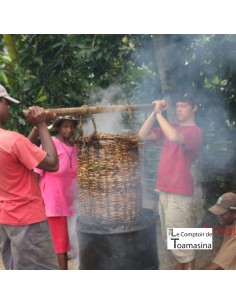
Preparation Method: Tahitensis vanilla is distinguished by its unique preparation method. It is pollinated by hand, like vanilla planifolia, but it also benefits from a traditional sun-curing method in Tahiti. In Papua, the tahitensis vanilla bean is scalded. This combination of careful care gives it exceptional gustatory and physical characteristics.
Aromatic and Physical Characteristics
Taste: Tahitensis vanilla is highly fragrant and floral. Its aromas are captivating, with exotic and floral notes. In Tahiti, the notes are more aniseed. In Papua, musk and a very floral vanilla. This makes it a rare vanilla. Unlike other varieties, it is indehiscent, meaning its pods do not open when ripe. They remain plump, allowing for a maximum concentration of aromas and flavors. But the tahitensis variety has a lower vanillin content than planifolia. The Bahian variety is the vanilla with the best moisture level.
Physical: Tahitensis vanilla beans are impressive in size for Tahitian vanilla. They can reach 4 to 5 centimeters in diameter, double or even triple that of a fragrans vanilla bean. Their water content is higher (40 to 45%) than that of bourbon vanilla (30 to 37%). However, their vanillin content is lower than that of the vanilla planifolia variety. But in Papua, with scalding, we are at a moisture level between 30 and 33%. To obtain a vanilla perfume and aroma, half a Tahitian vanilla bean is enough, or 1 Papua tahitensis vanilla bean, unlike Madagascar bourbon vanilla which requires the use of the whole bean.
Rare and Luxurious
Low Production: Tahitensis vanilla is relatively rare, making it a luxurious variety. At the end of 2019, it was sold for €800 per kilo, testifying to its strong demand and appeal. For Papua tahitensis vanilla, it is around $150 per kilo.
No “Bourbon Vanilla” Label: Unlike Madagascar vanilla, Tahitian vanilla is not part of the “bourbon vanilla” appellation. This label is exclusively reserved for Madagascar, Reunion, Comoros, Mauritius and Seychelles.
Why you should buy this vanilla: Tahitensis vanilla is much more than just a spice. It is a sensory journey that transports us to distant shores, where exotic scents dance on our taste buds. At Le Comptoir de Toamasina, we have been proud to offer you this rare and delicious variety since 2010. Discover it and let yourself be enchanted!
How to use tahitensis vanilla in cooking and baking
Tahitian vanilla (or tahitensis vanilla) is a precious and captivating variety. Here is how to infuse it and enjoy its unique flavors:
- Infusion in sugar or rum: Place a Tahitian vanilla bean in a jar of sugar or a bottle of rum (preferably Tahitian rum!). Let it infuse for several weeks. You will obtain a vanilla-flavored sugar or rum.
- Infusion in liquids: Let a vanilla bean infuse in hot milk to obtain vanilla milk. Heat the milk to 40°C, add the bean and let it infuse for 10 to 15 minutes. You can also infuse it in other liquids such as cream or syrup.
- Use in cooking: Tahitian vanilla is ideal for flavoring your desserts, crèmes brûlées, panna cottas, ice creams, and even your exotic cocktails. Its delicate floral and fruity notes will captivate your taste buds.
Do not forget that Tahitian vanilla is grown mainly in Tahiti, Papua New Guinea, Indonesia, Niue and the Cook Islands. It offers an unforgettable taste experience. On our channel and on my blog you will find out everything you need to use this vanilla with floral notes. Buy online a prestige vanilla.
Recipes with Papua tahitensis vanilla
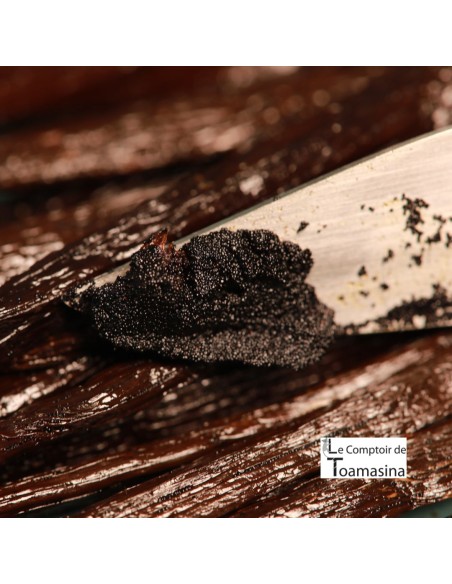
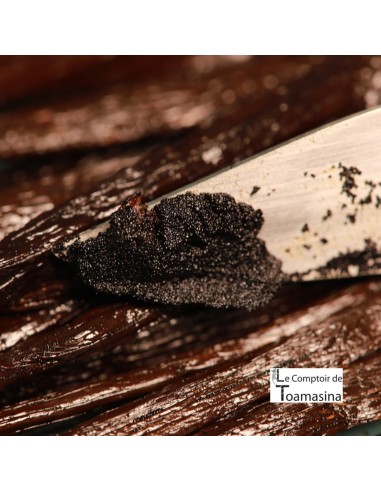
Papua New Guinea vanilla in its Tahitensis variety is incredible for its use in savory and sweet dishes. There are many vanilla seeds in this bean and the casing will give the vanilla flavor to your recipe. When you sell Papua vanilla, you tell yourself how unique this vanilla is with its organoleptic asset for desserts, thanks to its aromas. Personally I love it in desserts and cocktails. However, in cocktails we will avoid putting the black seeds. Discover my recipe ideas:
- Tahitensis Vanilla Crème Brûlée: Make a traditional crème brûlée by infusing Tahitensis vanilla in the cream. Sprinkle sugar on top and caramelize with a blowtorch for a crunchy touch.
- Duck Breast with Tahitensis Vanilla: Cook your duck breast in a hot pan, adding Tahitensis vanilla seeds for a subtle scent. Serve with an orange and vanilla sauce.
- Tahitensis Vanilla Panna Cotta: Prepare a creamy panna cotta by incorporating Tahitensis vanilla seeds into the preparation. Serve with a red fruit coulis for a tangy touch.
- Grilled Salmon with Tahitensis Vanilla: Season your salmon fillets with salt, pepper and Tahitensis vanilla seeds before grilling. Serve with a cream and vanilla sauce for an explosion of flavors.
- Tahitensis Vanilla Rice Pudding: Prepare a creamy rice pudding by infusing a Tahitensis vanilla bean in the milk. Sprinkle with cinnamon for an extra touch of flavor.
- Tahitensis Vanilla Apple Tart: Make a delicious apple tart by adding Tahitensis vanilla seeds to caramelized apples. Serve warm with a scoop of vanilla ice cream for a comforting dessert.
- Tahitensis Vanilla Caramel Sauce: Prepare a homemade caramel sauce by adding Tahitensis vanilla seeds to your caramel just before removing it from the heat. Use this sauce to top crepes or ice cream.
- Tahitensis Vanilla Fruit Salad: Prepare a fresh fruit salad by adding Tahitensis vanilla seeds to chopped fruit. Drizzle with agave syrup and sprinkle with fresh mint before serving.
How to store Papua tahitensis vanilla
To store your Papua Tahitian vanilla beans, follow these tips:
- Dry place: Store the beans in a dry place, away from light and air, ideally between 15 and 20°C.
- Airtight container: Use a glass tube or a closed jar to prevent exposure to air.
- Wax paper: Wrap the beans in wax paper to prevent contact with air.
- Avoid temperature variations: Protect the vanilla flavor by avoiding thermal shocks.
Papua Tahitian vanilla is an aromatic treasure to preserve!
What is the best vanilla to replace Papua tahitensis vanilla
Wondering what to replace Papua tahitensis vanilla with? Here are the two best vanillas to replace this vanilla. But be aware that the aromas will be different compared to the terroir of Papua vanilla.
- Tahitian Vanilla: Tahitian vanilla is close to the Papua Tahitensis variety. It is sweeter and more floral, with fruity nuances. Use it as an alternative to retain a similar flavor.
- Brazilian Vanilla: Brazilian vanilla is an interesting option. It can be both Vanilla Planifolia or Vanilla Tahitensis. It offers a woody, floral and tangy aroma.
Now you know exactly what to replace this Papua New Guinea vanilla with. We advise against replacing it with powder. Don't hesitate to discover my spices with intense aromas and above all subscribe to my youtube channel to discover my travels around the world and understand the climate changes that will affect the cultivation of spices and vanilla.
Watch this video where I explain this vanilla better.
Frequently Asked Questions about Papua Tahitensis Vanilla
What is the difference between Papua Tahitensis vanilla and Tahitian vanilla?
Should you use the whole bean like for bourbon vanilla?
How much does Papua Tahitensis vanilla cost compared to Tahitian vanilla?
What can I substitute for Papua Tahitensis vanilla if I can't find any?
Can the black seeds of this vanilla be used in a cocktail?
- Native country
- Papua
- BOTANICAL SPECIES
- Vanilla Tahitensis
- INGREDIENTS
- Papuan Tahitensis Vanilla
- AROMATIC POWER
- 7/10
- ALLERGEN
- None
- POSSIBLE TRACES OF ALLERGENS
- None
- PACKAGING
- Sachet
- Preparation / Delivery
- Preparation within 24 hours - Delivery within 48 hours