Leafy Verbena Leaf

Leafy Verbena Leaf

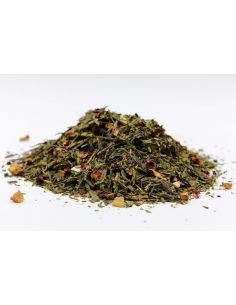
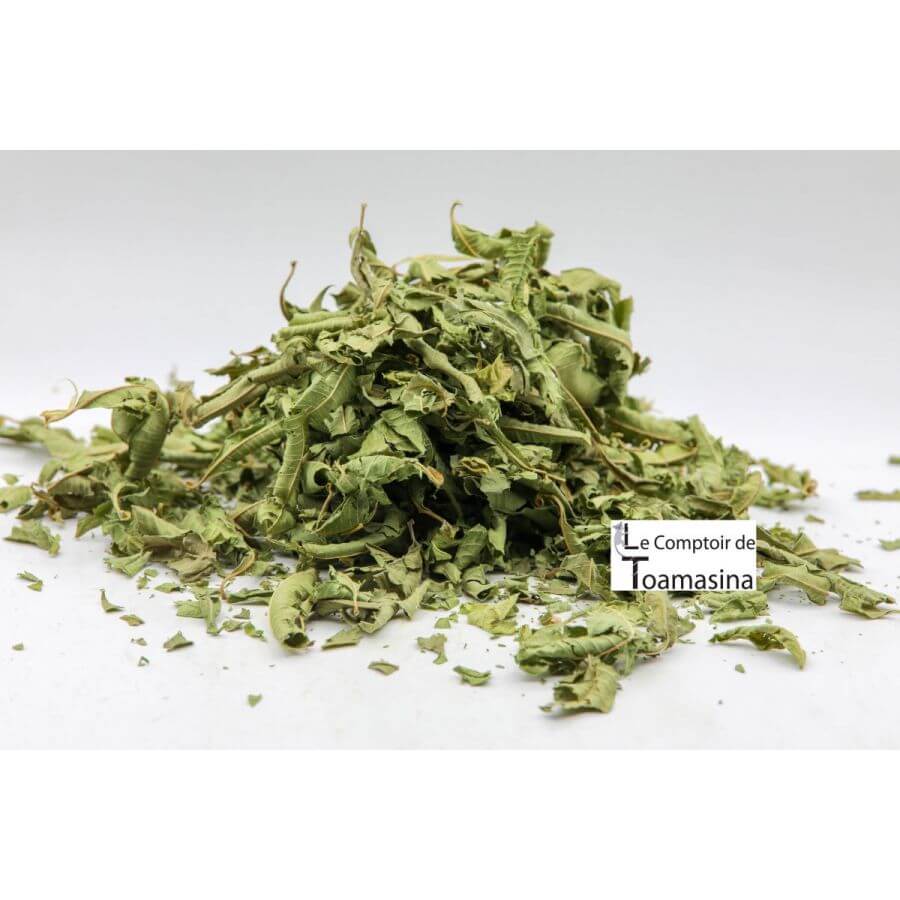
The scented verbena leaves are very popular in herbal tea for its sweet and lemony taste, but also in cooking in the preparation of liqueurs, to flavor desserts such as fruit salads, ice creams and cakes.

  • Power of herbal tea: 5/10
  • Main notes: Characteristic notes of verbena with lemon notes
  • Use: Savory, sweet and herbal tea

Le Comptoir de Toamasina, invites you to buy the delicious fragrant verbena. here you will discover tips for use and especially recipes.

Packaging
VER
€3.00


Lemon Verbena
Whole Leaves

"Welcome to Le Comptoir de Toamasina, where Arnaud, our passionate creator, invites you to discover lemon verbena, an exceptional plant with an unparalleled lemon scent."

Aloysia citrodora Portugal, France, Morocco Lemony Freshness

Lemony Aroma

A fresh and captivating flavor, reminiscent of lemon zest, for a soothing sensory experience.

Freshness & Relaxation

A mild and fragrant infusion, ideal for taking a moment for yourself at the end of the day.

Culinary Versatility

An excellent ally for your marinades, desserts, syrups, cocktails, and infused rums.

Endowed with a captivating scent, lemon verbena is a true treasure for lovers of refined cuisine and moments of calm. It stands out for its enchanting aroma, which brings a touch of freshness and sweetness to your daily life. Infused as a herbal tea, it offers a pleasant moment of pause; in cooking, it reveals subtle and delicate flavors, transforming your dishes into true gastronomic works.

Whether you are a gardening enthusiast, a gourmet looking for new culinary experiences, or simply someone who wishes to integrate natural aromatic plants into their daily life, lemon verbena is made for you. Its use is as varied as it is accessible: infusions, marinades, desserts, syrups, cocktails... The possibilities are endless to sublime your creations.

An important botanical clarification: the "lemon verbena" we sell is Aloysia citrodora (also called Peruvian verbena) — not to be confused with Verbena officinalis, a completely different European wild plant, smaller, with purple flowers, often simply called "common verbena". When you buy an herbal tea under the simple name "verbena" in French commerce, it is almost always this lemon verbena — it is the one that carries this characteristic lemon scent.

Comparative Sensory Analysis

Verbena vs Rooibos vs Hibiscus

Three caffeine-free infusions, three very distinct universes

Lemony · Fresh
Herbaceous · Vegetal
Roundness · Red fruits
Tart · Lively
Verbena (Ours)
Rooibos
Hibiscus

The freshest of the three: while Rooibos focuses on honeyed roundness and Hibiscus on lively acidity, Verbena remains the only one to offer this clean, almost airy lemony freshness — a unique profile among caffeine-free infusions.

Verbena · Rooibos · Hibiscus

The Olfactory Pyramid of Lemon Verbena

What a pale green liquor infusion reveals

ATTACK Lemony · Fresh HEART Herbaceous · Vegetal BASE Slightly floral

Technical Sheet

What You Receive

  • Country of OriginPortugal, France or Morocco (depending on batches)
  • Botanical SpeciesAloysia citrodora (Lippia citriodora)
  • IngredientsLemon verbena leaves
  • Main NotesVerbena and intense lemony notes
  • UseSavory, sweet cooking and herbal tea
  • AllergenNone
  • Possible TracesNone
  • PackagingPouch 20g, 100g or 500g
  • LogisticsPrepared within 24h - Delivered within 48h

What is lemon verbena

A member of the Verbenaceae family, Aloysia citrodora — better known as lemon verbena, or Peruvian verbena — is a woody plant with long, pointed leaves, and a slightly rough texture. Contrary to what one might think, it is not native to Europe: it grows wild in South America, in Peru, Chile, as well as in Brazil and Argentina — a bit like wild vanilla from Brazil.

It is a perennial deciduous shrub, which can reach nearly 3 meters in height in the wild, and which develops small white flowers. Crushed or rubbed between the fingers, its leaf releases an intense and immediate lemon scent — this is what makes it a must-have in aromatic herb gardens.

Cultivation and acclimatization in Europe and the Mediterranean

Lemon verbena does not tolerate the cold of the temperate climate and only grows well in the Mediterranean South or in mild climates. It is in Portugal, in France (in the south) and in Morocco that you will find superb plantations and the tastiest verbena — it is moreover from these regions that the bulk of our selection comes, depending on the best harvests of each batch.

From fresh leaf to herbal tea: the manufacture

The lemon verbena you receive follows a simple but rigorous process, essential to preserve its lemony aromatic power.

  1. Harvesting: the leaves are hand-picked, ideally before full flowering, when their essential oil content is at its peak.
  2. Drying: the leaves are dried away from direct sunlight and moisture, usually in the shade and at a low temperature, to prevent heat from degrading the volatile aromatic compounds responsible for the lemon scent.
  3. Sorting: the leaves are sorted to keep only the most whole and fragrant ones, guaranteeing an infusion that is both beautiful in the cup and rich in aromas.
  4. Packaging: once dry, the leaves are packaged away from light to preserve their olive green color and fragrance until they reach your cup.

What is the flavor of verbena

The flavor of verbena is a subtle blend of fresh and lemony aromas, with a slight herbaceous touch. When tasting a verbena leaf infusion, one is enveloped by a refreshing sensation, evoking a light breeze on a hot summer day. The lemony notes bring a pleasant liveliness, reminiscent of the zest of a freshly cut lemon, but without the pronounced acidity.

Verbena leaves a delicate and harmonious imprint on the taste, inviting you to savor each sip as a soothing and refreshing sensory experience — an ideal drink to accompany moments of calm and contemplation.

How to use verbena in cooking

Lemon verbena, with its fresh and delicate fragrance, is an aromatic herb that brings a touch of elegance to your dishes. Its use in savory dishes is incredible: it is used as an infusion, as a flavoring, in sauces, marinades, poultry, fish, and salads — it perfectly replaces basil in particular.

  • Infusions and herbal teas: traditionally used for its infusions, verbena can simply be steeped in hot water to create an invigorating drink with a delicious lemon taste.
  • Sweet desserts: verbena ice cream, verbena strawberry mousse, cottage cheese and apricot terrine.
  • Savory dishes: verbena tabbouleh, fish in foil, revisited lemon tart, or to flavor sauces accompanying fish and poultry.
  • Drinks & Vinaigrettes: enhance your cocktails, create a thirst-quenching flavored water or a homemade syrup.

What dose to use for a verbena infusion

  • Dosage: about 1 to 2 grams of dried leaves (1 to 2 teaspoons) for each cup (250ml) of boiling water.
  • Steeping time: about 8 minutes.
  • Filtration: once infused, filter the mixture to remove the leaves.
  • Frequency: up to two cups a day, preferably at the end of the day or after meals to aid digestion.

Our best recipes with verbena

"Verbena Twist" Cocktail

Version with alcohol: in a shaker, mix 45ml of gin, 15ml of verbena syrup (see recipe below) and 15ml of fresh lemon juice with ice cubes. Strain into a cocktail glass, top with sparkling water and decorate with verbena leaves.

Alcohol-free version: mix 60ml of lemonade, 30ml of verbena syrup and 15ml of fresh lemon juice in a glass filled with ice cubes. Top with sparkling water and serve.

Homemade Verbena Syrup

Boil 500ml of water with 500g of sugar. Once the sugar is dissolved, remove from heat and add 10g of dried verbena leaves. Let steep covered until completely cooled. Filter and bottle. Perfect to sweeten an iced tea, a yogurt or a cocktail.

White Fish in Foil with Verbena

Place a white fish fillet (cod, hake) on a sheet of parchment paper. Add a drizzle of olive oil, salt, pepper, lemon slices and crumble 2 or 3 dried verbena leaves on top. Close the foil and bake for 15 min at 180°C. The lemony vapors will flavor the flesh to the core.

Verbena Infused Panna Cotta

Heat 50cl of heavy cream with 50g of sugar and 4g of verbena leaves. At a simmer, turn off the heat, cover and let steep for 15 min. Strain the cream, put it back on low heat and add 2 sheets of gelatin (previously softened in cold water). Pour into glasses and let set in the fridge for 4h. Serve with an apricot or raspberry coulis.

Lemon-Verbena Shortbread Cookies

Finely crush 2g of dried verbena leaves. Mix with 250g of flour, 125g of soft butter, 100g of sugar, 1 egg and the zest of half a lemon. Form a ball, let rest 1h in the fridge. Roll out, cut with a cookie cutter and bake 12 min at 180°C. The aromatic herb gives an incredible pep to the cookie!

Verbena & Olive Oil Ice Cream

Infuse 5g of verbena in 50cl of hot milk for 20 min. Strain. Blanch 4 egg yolks with 100g of sugar, pour the hot milk over it, then put back on the heat, stirring constantly, until the cream coats the back of the spoon (82°C). Off the heat, stir in 3 tablespoons of a very mild fruity olive oil. Let cool and churn in an ice cream maker. A Michelin-starred dessert that is very easy to make!

Verbena infused rum

Ingredients: 500ml white rum, 2 tbsp dried verbena leaves, 100g cane sugar.

In a jar, mix everything. Seal tightly and let macerate for at least a week. Filter and enjoy. Also discover our vanilla beans to enrich your rums.

Frequently Asked Questions

Are lemon verbena and common verbena the same plant?
No — they are two botanically different plants. Lemon verbena (Aloysia citrodora), of South American origin, is the one with the lemon scent used in herbal tea and cooking. Common verbena (Verbena officinalis) is a different European wild plant, without this lemony taste.
Where does the verbena you sell come from?
Mainly from Portugal, Morocco, or the South of France, Mediterranean regions renowned for their quality plantations, according to the best harvests of each batch.
How long to steep verbena?
About 8 minutes, with 1 to 2 grams of dried leaves per cup of boiling water.
Can verbena be used in savory cooking?
Yes, absolutely. It is a great substitute for basil or lemongrass in sauces, marinades, poultry, fish, and baked dishes.
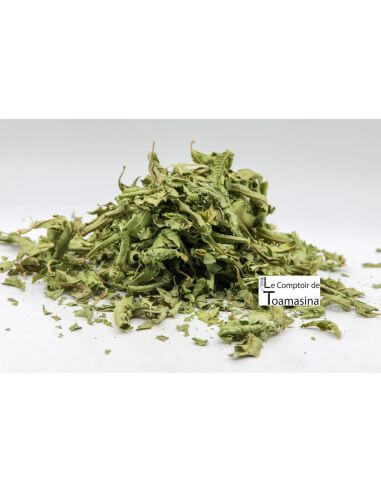
"The scent of lemon zest captured in a leaf — the freshness of Mediterranean gardens, to be enjoyed at any time."

Order my Lemon Verbena

Aloysia citrodora · 20g Pouch for €3 · Arnaud Sion Selection

Native country
Portugal
BOTANICAL SPECIES
Aloysia citriodora, Lippia citriodora
INGREDIENTS
Verbane
AROMATIC POWER
5/10
ALLERGEN
Absence
POSSIBLE TRACES OF ALLERGENS
None
PACKAGING
Bag
Preparation / Delivery
Preparation within 24 hours - Delivery within 48 hours
No reviews

Customers who bought this product also bought: