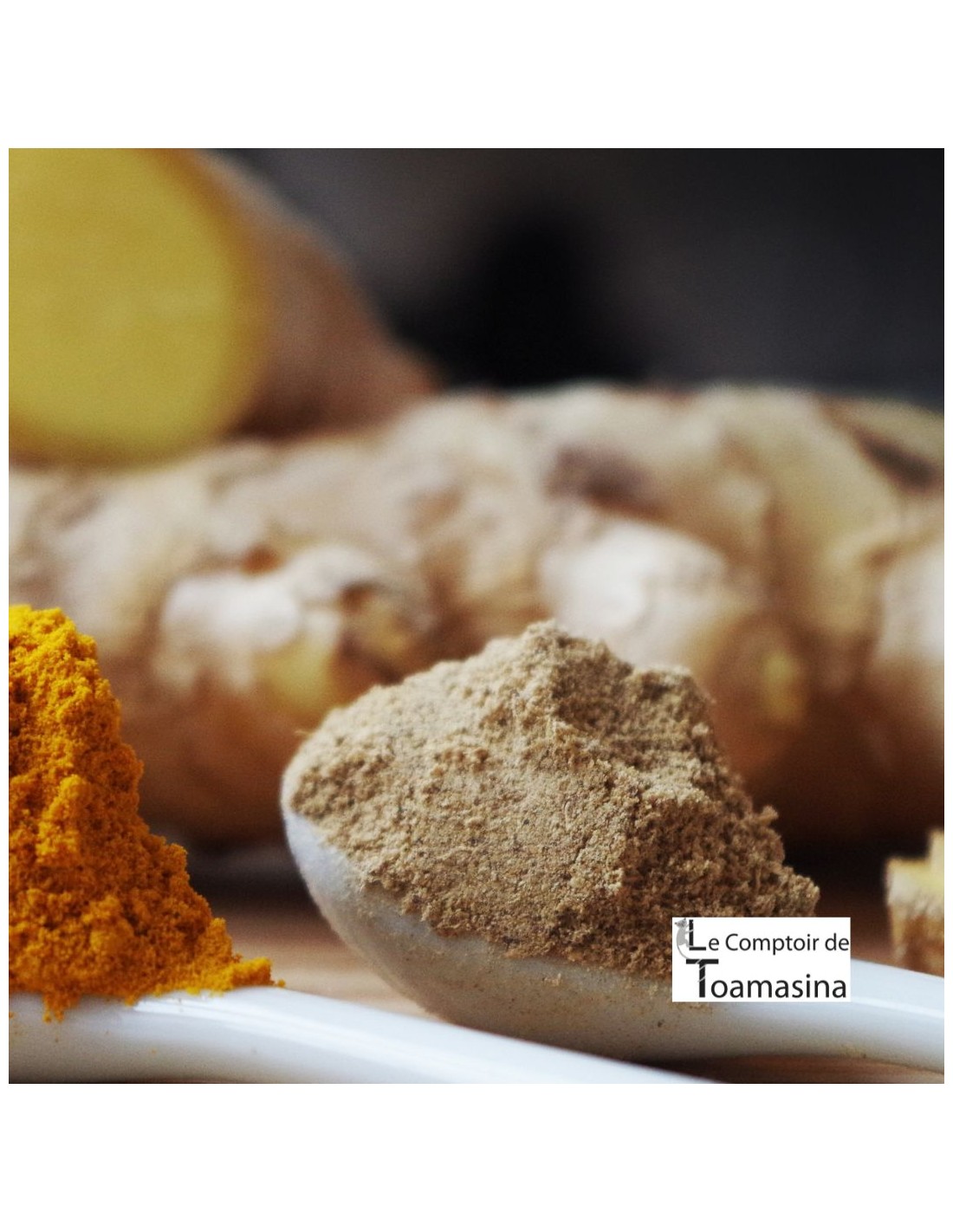
Galangal Root Powder (Thailand)

Galangal Root Powder (Thailand)

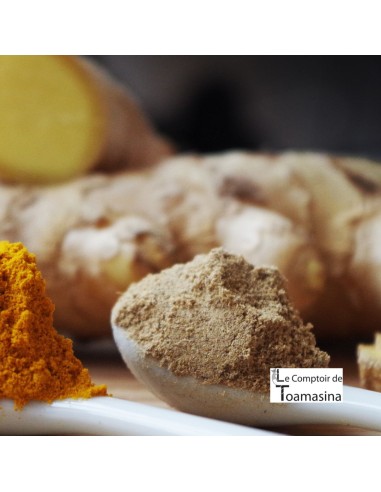
Galangal is a tropical plant from the same family as ginger, also known as Thai ginger, it has a spicy and slightly lemony flavor.

  • Power of the spice: 7,5/10
  • Main notes: a spicy and slightly lemony flavor.
  • Use: Daily and Asian cooking
  • Origin: Thailand

At Comptoir de Toamasina, you will buy the best galangal root at the best price per kilo. Find out how to buy galangal spice, use it and, above all, delicious recipes.

Our Comptoir des épices offers a selection of spices selected by Arnaud.

Discover our spice islands in Brazil in Minas Gerais. Galangal is an ideal spice to replace ginger.

Packaging
GAP
€3.85


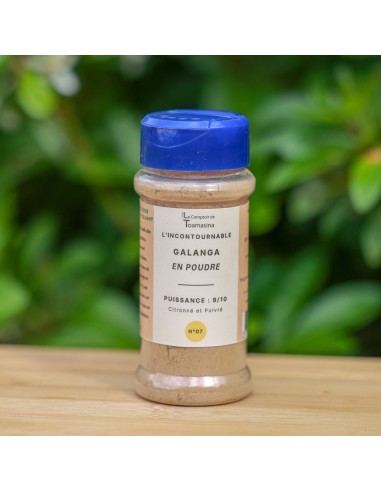
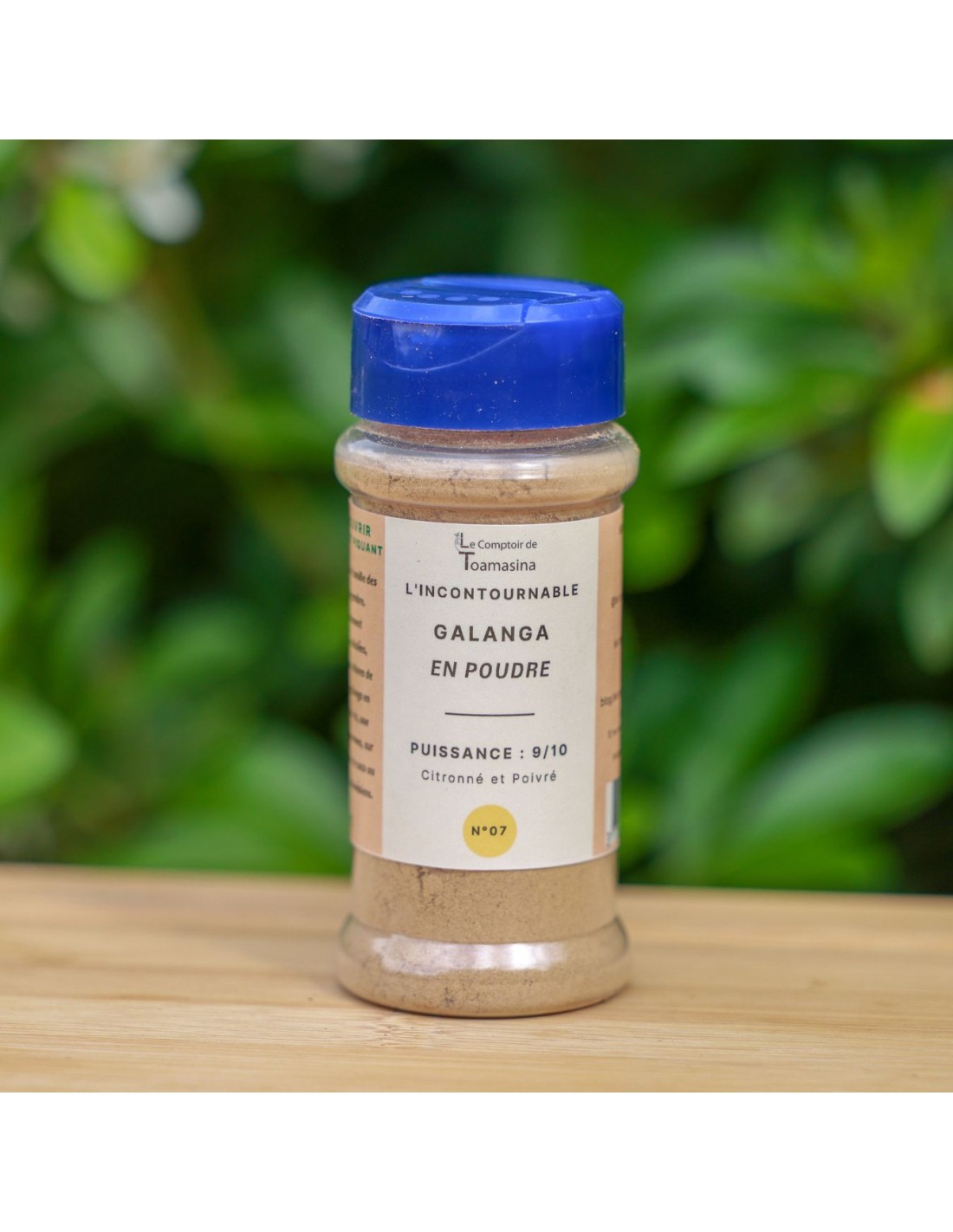
Galangal
Root Powder

"Discover my galangal powder. A spice that comes from Asia and will replace ginger. Galangal, also known as Thai ginger, is a rhizomatous plant belonging to the ginger family."

Southeast Asia Alpinia officinarum Lemony & Peppery Flavor

Ginger Alternative

A refined alternative, milder and more lemony than ginger, ideal for long infusions.

Unique Flavor

Delicate notes of pepper, lemon, and camphor. More citric than ginger and less pungent.

Land of Spices

A direct sensory journey to Southeast Asia, a land of mysteries and gastronomic traditions.

Native to Southeast Asia, this spice has been used for centuries in Asian cuisine for its unique flavor. Galangal powder is obtained from the dried and ground rhizome of the plant. Buying galangal online means having Asia land in your kitchen. This spice is widely used in Thailand. Dive into the captivating world of galangal, this Asian spice that awakens the taste buds and ignites the imagination.

At Le Comptoir de Toamasina, we invite you to discover galangal powder, a refined alternative to ginger, which will transform your dishes with its peppery and lemony flavor. A Subtle Flavor: galangal, with its delicate and exotic notes, is the chef's secret for dishes with deep and complex aromas — more citric than ginger and less pungent. A Sensory Journey: each pinch of galangal powder is an invitation to a culinary journey to Asia, a land of mysteries and traditions.

Why choose this galangal rather than another

Galangal is a spice that is still little known in Europe — most people have never heard of it, or confuse its name with ginger without knowing the nuance. This is exactly why it has such an impact: a pinch in a dish, and your guests will smell a lemony, peppery, almost floral note that they won't be able to identify. You will be the only one who knows. Under the direction of Arnaud Sion, Le Comptoir de Toamasina selects this galangal for its freshness and aromatic richness — not an already stale supermarket spice, but a powder that keeps this very particular lemony signature intact.

Comparative Sensory Analysis

Galangal vs Ginger vs Turmeric

Three cousins of the same family, three very distinct personalities

Lemony · Citrus
Pungent
Camphor · Resinous
Earthy · Root
Galangal (Ours)
Ginger
Turmeric

Three members, one family: galangal, ginger, and turmeric all belong to the Zingiberaceae. But where ginger focuses on frank pungency and turmeric on earth and bitterness, galangal stands out for its lemony and camphorated freshness, almost floral — it is the most refined and the mildest of the three.

Galangal · Ginger · Turmeric

The Olfactory Pyramid of Galangal

What a freshly opened pinch reveals

ATTACK Lemony · Peppery HEART Camphor · Floral BASE Cinnamon · Rose

Technical Sheet

What You Receive

  • Origin of cultivationSoutheast Asia
  • Botanical SpeciesAlpinia officinarum
  • IngredientsGalangal powder
  • Main NotesPungent and slightly lemony
  • UseEveryday and Asian cooking
  • AllergenNone
  • Possible TracesNone
  • Packaging40g jar or 100g/200g pouch
  • LogisticsPrepared within 24h - Delivered within 48h

What is galangal: an Asian treasure

Before telling you about the history of galangal and its use in cooking, know that galangal is a particularly unique rhizome: it is part of the ginger family, replaces it, and is less pungent than it — ideal for long infusions. Galangal, sometimes called "Thai ginger", is a fascinating spice prized for its culinary virtues. Native to Southeast Asia and southern China, this plant of the Zingiberaceae family occupies a prominent place in Asian gastronomy.

The rhizome: galangal comes in the form of a rhizome, similar to ginger, with a fibrous and fleshy texture. Its distinctive flavor, both pungent and comforting, is enhanced with peppery and lemony notes, bringing unparalleled depth of taste to many dishes. In cooking: galangal is an essential ingredient in many Asian recipes, including curries, soups such as the famous Tom Kha Gai, and marinades. Its unique flavor advantageously replaces ginger in many preparations, offering a touch of exoticism and freshness.

From fresh root to powder: the manufacture

  1. Harvesting: the galangal rhizome is harvested at maturity, once it has developed all its aromatic richness in the ground.
  2. Washing and peeling: the rhizomes are cleaned and then stripped of their thin skin, to keep only the fibrous flesh.
  3. Slicing: the rhizome is cut into thin slices to accelerate and homogenize drying.
  4. Drying: the slices dry in the sun or at low temperatures until they become brittle, preserving as best as possible the essential oils responsible for the lemony and camphor scent.
  5. Grinding: once perfectly dry, the slices are finely ground to obtain the powder that you receive, ready to use.

What is the flavor of galangal

When you want to use galangal, you don't know exactly what to expect. Galangal seduces with its exceptionally aromatic scent, revealing nuances of citrus and lemon, reminiscent of kaffir lime. These refreshing notes intertwine with peppery and camphor touches, pleasantly tickling the senses.

On the palate, the flavor of galangal stands out clearly from that of ginger. From a delicate initial sweetness, it evolves towards a characteristic touch of pungency. This combination evokes a subtle marriage between Ceylon cinnamon, rose and camphor, offering a taste experience that is both complex and delicate. Its flavor palette, combining a mild spicy note with floral and lemony accents, makes it an ideal ingredient for a variety of dishes, especially Thai and Indonesian.

How to use galangal

Galangal is a fascinating spice that can be used in various ways to enrich your dishes with its unique flavors.

Using galangal powder

  • In Asian dishes: sprinkle galangal powder into dishes such as stir-fried vegetables, soups, chicken, and seafood, often accompanied by coconut milk.
  • In beverages: add it to your vitamin drinks for a spicy and fragrant touch — a very good combination with acai powder.

Using fresh galangal rhizome

  • For flavoring: grate fresh galangal rhizome over fish and poultry to give them an exotic aroma.
  • In soups and sauces: use it in soups, court-bouillon or sauces for white meats, where its use is magical to enhance these dishes.
  • As a ginger replacement: galangal can replace ginger in pastries, because it is milder.

Practical tip: start with a small amount, as galangal has a very present taste that can easily dominate a dish. Pair it with other spices like cardamom or cinnamon for a harmonious blend.

8 recipes to make your taste buds travel

Galangal is a spice that can transform your dishes into true culinary adventures. If you make a recipe, everyone will say "what is this sweet and lemony ginger?" — you will answer: it's galangal.

Galangal Chicken Curry

Sauté onions, garlic, and ginger. Add tomatoes, chicken, coconut milk, and galangal powder. Simmer. Garnish with coriander.

Galangal Tom Yum Soup

Heat chicken broth with lemongrass, chilies, and galangal. Add mushrooms and shrimp. Garnish with coriander.

Carrots with Caramelized Galangal

Cook the carrots in butter and honey. Sprinkle with galangal, salt, and pepper. Let caramelize.

Galangal Tropical Smoothie

Blend your favorite fruits. Add galangal powder to taste.

Galangal Marinated Chicken

Mix yogurt, lemon juice, galangal, garlic, and coriander. Marinate the chicken for a few hours then grill.

Galangal and Almond Rice Pilaf

Sauté onion and rice. Add broth and galangal. Simmer. Garnish with flaked almonds.

Galangal and Mint Shrimp Salad

Mix shrimp, mint, coriander, cucumber, galangal, lemon juice, and olive oil. Refrigerate.

Galangal Chocolate Cake

Mix flour, sugar, cocoa, baking powder, and galangal. Add eggs, milk, and melted butter. Bake in the oven.

The chef's secret tip: the jam that surprises everyone

A teaspoon of galangal powder transforms a simple strawberry and kiwi jam into a signature creation. Wash and hull the strawberries, peel the kiwis, cut into pieces in a bowl. Add the juice of half a lemon, the sugar and honey, mix, cover and let macerate in the refrigerator overnight. The next day, pour the preparation into a non-stick sauté pan over high heat, add the galangal, and cook for 6 minutes, stirring often. Two minutes before the end, crush the fruit flesh with a fork. Jar immediately to the brim. It's the kind of detail that no one guesses — and that everyone asks for more of.

Galangal and its history

Galangal, this exotic and fragrant spice, has a fascinating history that crosses eras and continents.

EraEvent
AntiquityCultivated since Antiquity, galangal finds its first traces in China, where its use dates back at least 1000 years. The Egyptians also knew it, integrating it into kyphi, an incense used in their rituals.
Through the centuriesGalangal traveled along Asian trade routes, enriching the cuisines of various cultures. It became a pillar of Asian cuisine, especially in iconic dishes like tom yam and tom kha gai soups.
Middle AgesIntroduced to Europe by Arab merchants, galangal gained popularity in the Middle Ages. Hildegard of Bingen, a 12th-century religious and scholarly figure, called it the "spice of life".
TodayGrown in various tropical regions of Southeast Asia, galangal is closely associated with Cambodian and Thai cuisine, used fresh, dried, or powdered to flavor a variety of traditional dishes.

Galangal remains an essential element of Asian cuisines and is gaining recognition around the world for its distinctive flavor.

Frequently Asked Questions

What is the difference between galangal and ginger?
Galangal is more lemony and camphorated, less pungent than ginger — a milder and more refined alternative, ideal for long infusions.
Can you substitute galangal for ginger in a recipe?
Yes, almost always, with a milder and more lemony result. Start with a small amount, as galangal has a taste that can quickly dominate.
Is galangal related to turmeric?
Yes, both belong to the Zingiberaceae family along with ginger — but galangal is distinguished by its lemony freshness, far from the earth and bitterness of turmeric.
Who nicknamed galangal the "spice of life"?
Hildegard of Bingen, a 12th-century religious and scholarly figure, who made it one of her favorite ingredients.

"The spice that no one expects, and that everyone asks for more of — lemony, peppery, secretly addictive."

Order my Galangal Powder

Alpinia officinarum · Southeast Asia · 40g Jar for €3.85 · Arnaud Sion Selection

Native country
Asia
BOTANICAL SPECIES
Alpinia officinarum
INGREDIENTS
Galanga
AROMATIC POWER
7,5/10
ALLERGEN
None
POSSIBLE TRACES OF ALLERGENS
None
PACKAGING
Bottle or Sachet
Preparation / Delivery
Preparation within 24 hours - Delivery within 48 hours
No reviews

Customers who bought this product also bought: