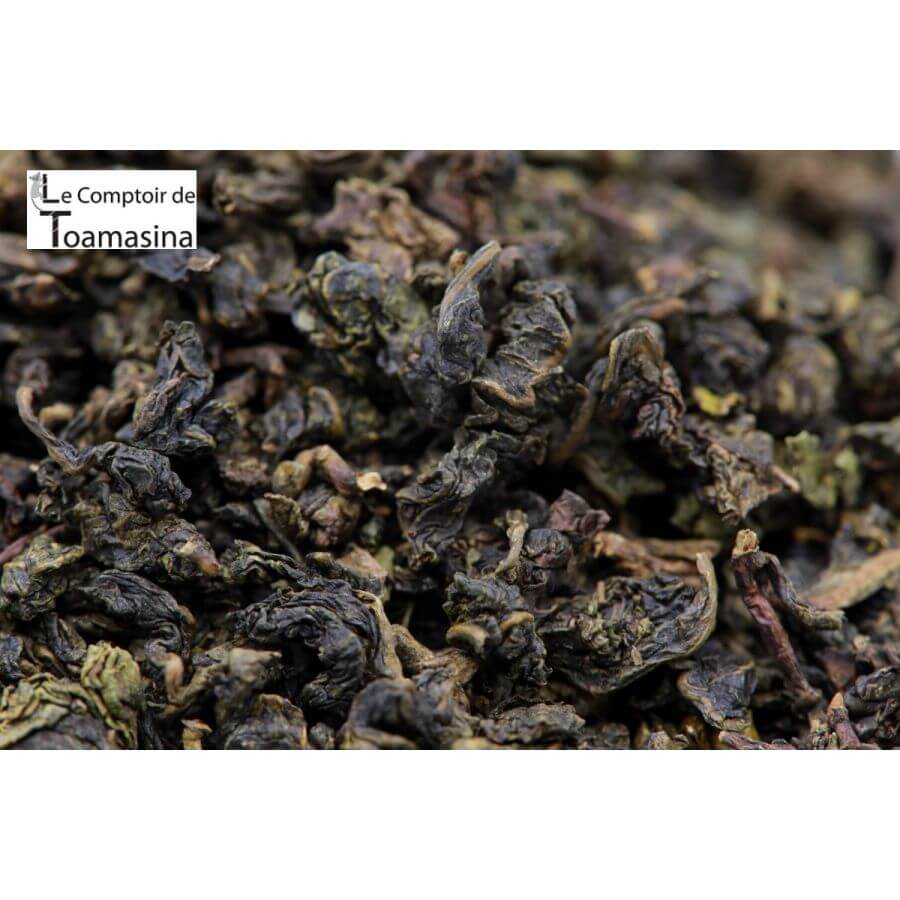
Oolong Tea
Oolong Tea
Oolong Tea
Oolong Tea
Oolong Tea
Oolong Tea

Oolong Tea

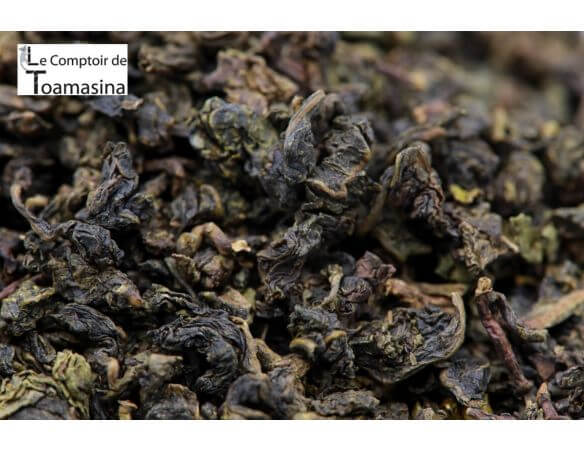
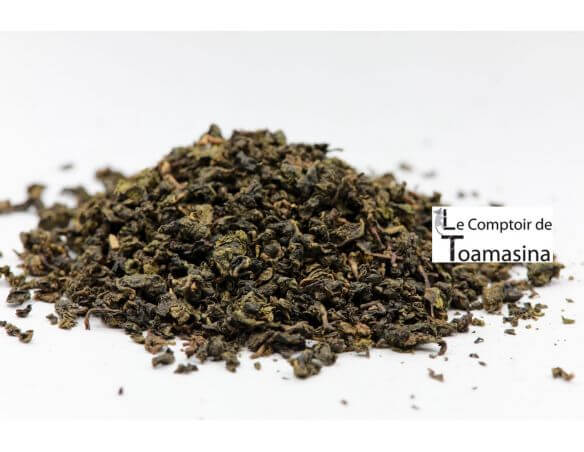
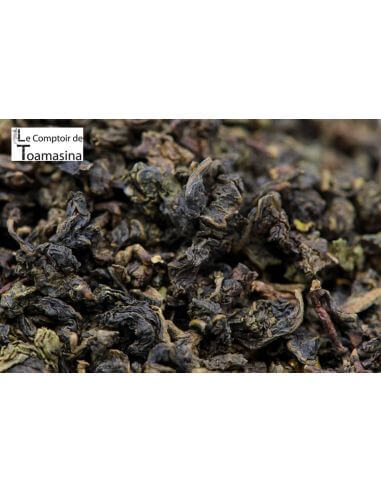
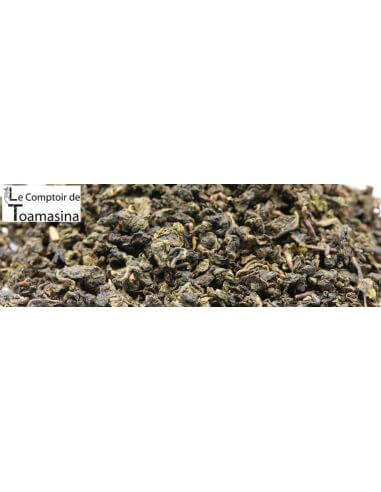
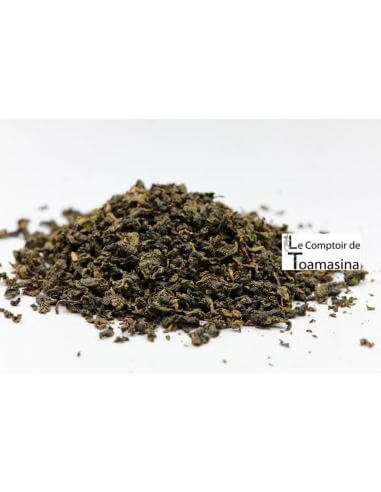
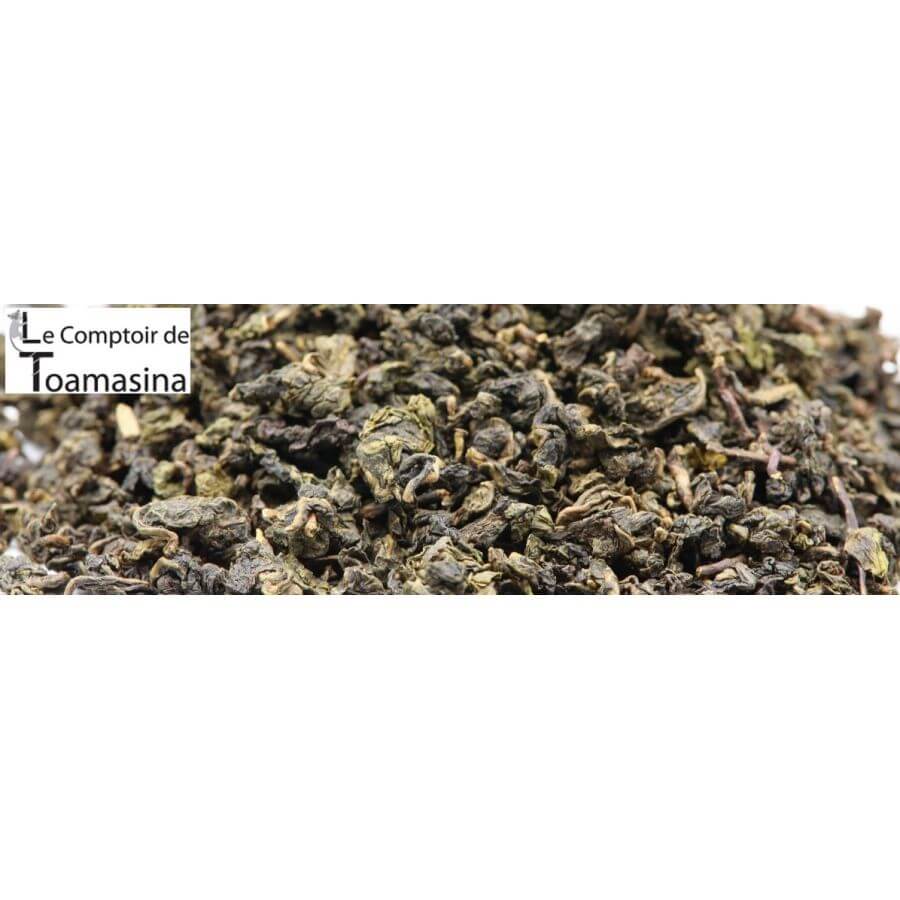
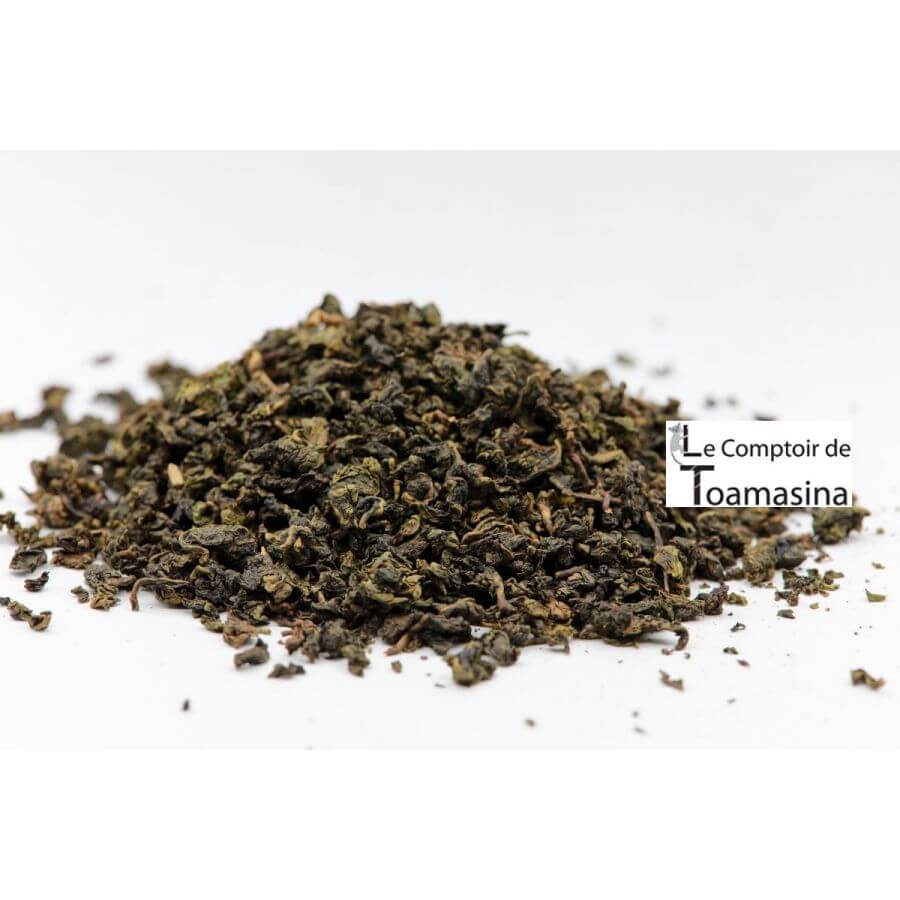
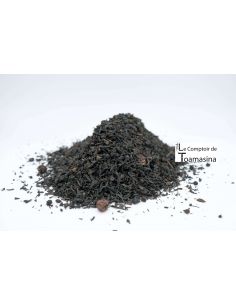
Oolong Tea means "black dragon" or "black snake", it is also called blue or blue-green tea in reference to the color of their infused leaves, they are fermented then this fermentation was interrupted during the process. Our Oolong is semi-fermented with a regular leaf.

  • Power of Oolong tea: 8/10
  • Main notes: Fresh, slightly buttery flowers
  • To savor: In the morning

Discover and buy the best quality oolong tea online at the best price per kilo.

If you are looking for a semi-fermented tea called blue-green tea it is here in our Tea Counter that you will buy a wonderful tea.
Packaging
TOG
€10.90


Oolong Tea (Wu Long)
The Blue-Green Tea

"Neither completely green, nor completely black. Oolong tea is the 'Black Dragon' of Asian tradition, a semi-oxidized tea offering a floral, buttery, and incredibly smooth aromatic complexity."

Taiwan / China Semi-oxidized Floral & Smooth

Semi-Oxidized

Oxidation is stopped halfway (between 15% and 70%), creating the perfect balance between vegetal freshness and woody roundness.

Floral & Buttery Notes

A rich aromatic profile, dominated by notes of orchid, sweet milk, and sometimes roasted nuts.

Multiple Infusions

The large, rolled whole leaves open slowly, allowing up to 6 or 7 successive flavor-rich infusions.

Oolong tea (or Wu Long, literally meaning "Black Dragon" in Chinese) is one of the most fascinating and complex teas in the world. Often called "blue-green tea" because of the color of its infused leaves, it represents a category in its own right, situated halfway between green tea (unoxidized) and black tea (fully oxidized). Its degree of oxidation can vary from 15% (green Oolong, very floral and close to a green tea) to 70% (brown Oolong, woody and close to a black tea).

The Oolong manufacturing process is a true art that requires exceptional mastery. Freshly picked leaves are first withered in the sun, then gently tossed in bamboo baskets to slightly bruise the edges and trigger oxidation. The tea master must then stop this oxidation at the exact moment the desired aromatic profile is reached, by roasting the leaves at a high temperature (desiccation). Finally, they are often rolled into small pearls or twisted, which traps the aromas and allows the leaf to unfold gracefully during infusion.

Comparative Sensory Analysis

Oolong vs Green Tea vs Black Tea

The perfect compromise between freshness and strength

Floral · Orchid
Milky Sweetness · Butter
Astringency · Bitterness
Woody · Full-bodied
Oolong Tea
Classic Green Tea
Classic Black Tea

The unique balance of Oolong: Unlike often herbaceous green tea or sometimes tannic black tea, Oolong stands out for its almost total lack of bitterness and its natural sweetness. Its aromas evolve with each steep, moving from highly floral top notes (orchid, lilac) to soft and comforting heart notes reminiscent of sweet butter or honey.

Oolong · Green Tea · Black Tea

The Olfactory Pyramid of Oolong Tea

The magical evolution of the leaves in water

ATTACK Orchid · White flowers HEART Sweet butter · Honey BASE Chestnut · Lightly roasted wood

Technical Sheet

What You Receive

  • OriginTaiwan / China
  • Botanical SpeciesCamellia Sinensis
  • CategoryOolong Tea (Semi-oxidized)
  • Aromatic Power6/10 (Subtle and Balanced)
  • Main NotesFloral, buttery and sweet
  • To be enjoyedAll day long
  • AllergenNone
  • Packaging80g airtight pouch
  • LogisticsPrepared within 24h - Delivered within 48h

How to properly prepare your Oolong Tea

Oolong tea is undoubtedly the tea best suited for multiple infusions. Its large rolled leaves need time and space to fully unfold and release all their essential oils.

The Western method (simple)

  1. Dosage: Allow about 2 to 3 grams of Oolong tea per cup (one heaping teaspoon).
  2. Water temperature: Heat your water (preferably low mineral content) to about 90°C. Never use boiling water, so as not to burn the leaves.
  3. Steeping time: Let steep for 4 to 5 minutes for the first cup.
  4. Resteeping: You can resteep the same leaves 2 to 3 times, increasing the time by one minute for each brew.

The Traditional method (Gong Fu Cha)

This is the king method for Oolong. Use a small teapot (Gaiwan or Yixing) and fill it a third full with tea leaves. Briefly rinse the leaves with hot water (90-95°C) to "wake them up" and discard this first water. Then proceed with very short steeps (20 to 30 seconds), which you will pour into tiny cups. Repeat the operation 6 to 8 times. You will observe the magical evolution of the aromas, from the floral vegetal of the first cups to the woody roundness of the last ones.

Recipes to sublimate Oolong Tea

Pears Poached in Oolong Tea and Vanilla

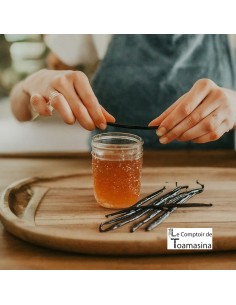
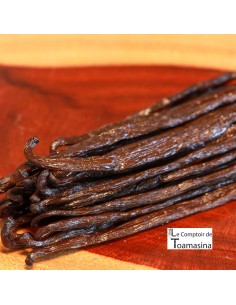
Ingredients: 4 firm pears, 1 liter of water, 15g of Oolong tea, 150g of brown sugar, 1 Madagascar vanilla bean.

Preparation: Steep the Oolong tea in the liter of water at 90°C for 10 minutes. Strain the tea. Put the liquid back on the stove with the sugar and the split vanilla bean. Peel the pears keeping the stem, plunge them into the simmering syrup and poach over low heat for 25 minutes. Let cool in the syrup. The floral notes of the Oolong magnify the fruit!

Peach & Orchid Oolong Mocktail

Ingredients: 50cl brewed and cooled Oolong tea, 20cl white peach nectar, ice cubes, a few edible flowers.

Preparation: Fill two large glasses with ice cubes. Pour in the peach nectar, then gently top up with the iced Oolong tea to create a nice gradient. Stir slightly before tasting. The milky sweetness of Oolong pairs perfectly with peach.

Oolong Infused Cream for Pastries

Chef's tip: To bring a sophisticated touch to your ganaches or pastry creams, heat your liquid cream, add 2 tablespoons of Oolong tea, turn off the heat and let steep for 15 minutes covered. Strain by pressing the leaves well, then place the cream in the fridge. Then use it normally to whip up a chantilly or a ganache. The sweet butter notes of Oolong will work wonders!

Frequently Asked Questions

Does Oolong tea contain caffeine (theine)?
Yes, like all teas, but generally less than a black tea and sometimes less than a green tea. It is a mild tea, often consumed throughout the day, or even in the evening by those who are not very sensitive.
Why are Oolong leaves in little balls?
During manufacturing, many Oolongs (especially in Taiwan) are rolled tightly in cotton cloths to bruise the leaf and trap the aromas. In hot water, the pearl opens up to become a large, whole leaf again.
Should I add sugar or milk?
Oolong is renowned for its natural sweetness and lack of bitterness. It is strongly advised to taste it plain to enjoy its delicate floral and buttery notes. Milk would mask its complexity.
How to store it properly?
In an airtight bag or tin, away from light, humidity, and especially strong odors (spices, coffee), because tea leaves easily absorb surrounding aromas.

"The Black Dragon — a floral, silky cup without bitterness, the perfect compromise between green and black."

Order my Oolong Tea

Camellia Sinensis · Taiwan/China · 80g Pouch for €8.90 · Arnaud Sion Selection

Native country
Asia
BOTANICAL SPECIES
Camellia Sinensis
INGREDIENTS
Oolong tea
AROMATIC POWER
8/10
ALLERGEN
Absence
POSSIBLE TRACES OF ALLERGENS
None
PACKAGING
Bag
Preparation / Delivery
Preparation within 24 hours - Delivery within 48 hours
No reviews

Customers who bought this product also bought: