Your cart
There are no more items in your cart
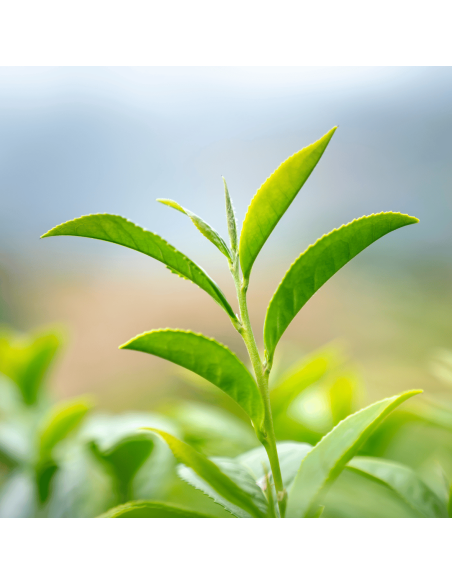
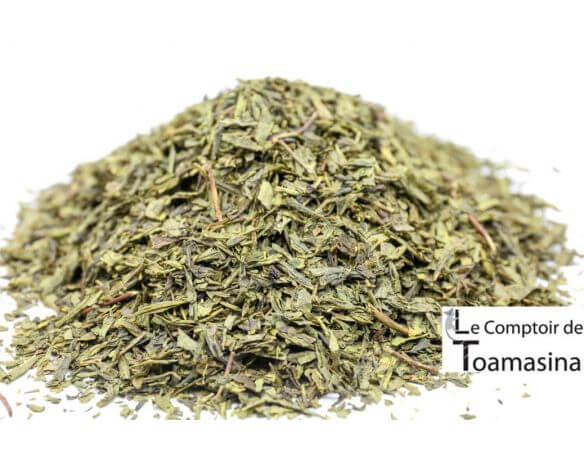
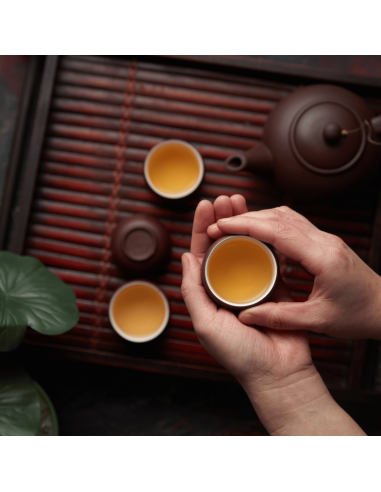
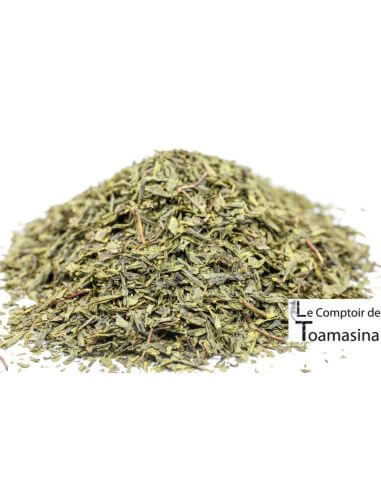
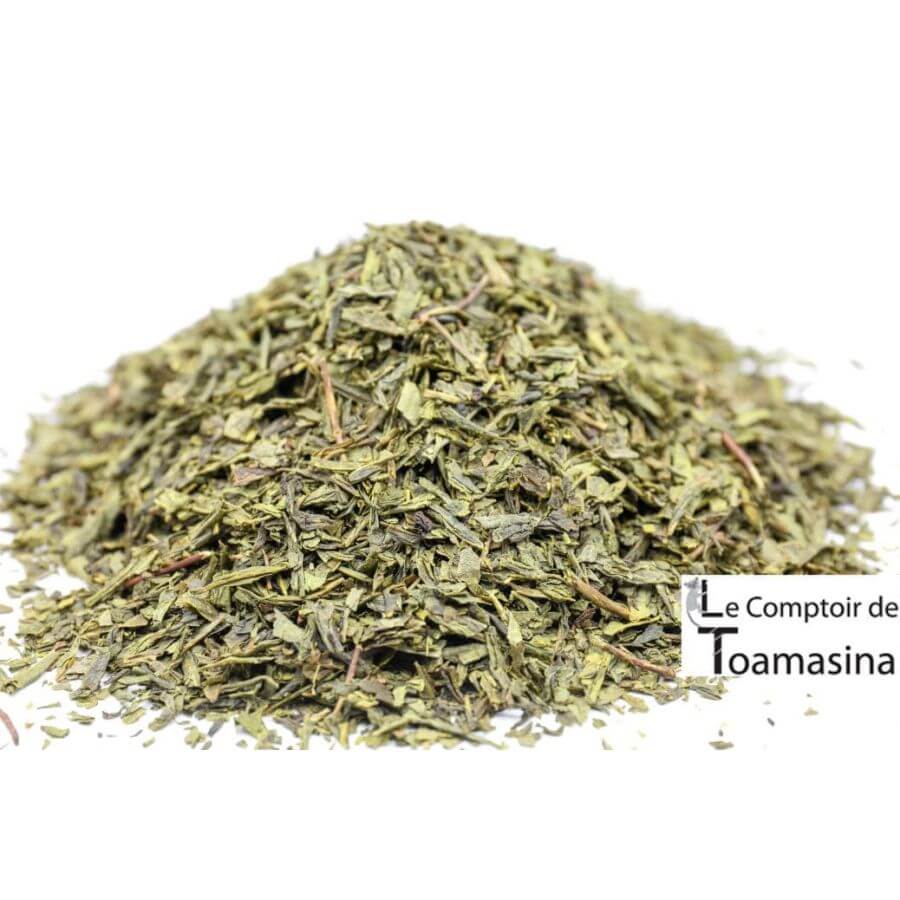



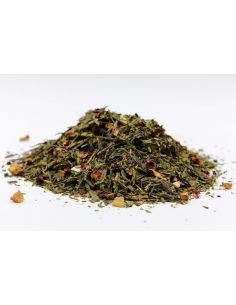
Discover the simple elegance of Bancha green tea flavor. This tea is a must-have for all tea lovers. It is a perfect tea for those who are new to the world of Japanese green teas, offering a mild and discreet flavor, but still marked by characteristic traits.
Renowned for its excellent value for money and offers a taste that is both refreshing and balanced. It has delicate herbaceous notes and a sweet, almost fruity flavor, reminiscent of green apple. A soft tea on the palate, slightly dry and with a touch of bitterness which gives it depth and complexity.
Prepared in accordance with Japanese traditions, our Bancha tea reveals a subtle fragrance, a beautiful shimmering green color and a sweetness that is both soothing and energizing. A tea that stands out from other green teas!
Our online tea shop offers you to buy selection teas at the best price per kilo.
The second most consumed tea in Japan after Sencha, ideal to accompany meals thanks to its lightness.
Thanks to its more mature leaves, it offers a reduced caffeine content, suitable for consumption throughout the day.
A rigorous selection of the best mature leaves for a remarkable richness and complexity of flavors.
Appreciated for its mildness and unique flavor, Bancha traditionally accompanies meals in Japan, where it is consumed daily at lunchtime. Discover our Sencha Green Tea as well. On this page, you will learn everything about Bancha Selection Green Tea: its multiple uses, different infusions, and some recipes to perfectly integrate it into your daily life.
Whether you are a neophyte curious to discover the world of tea, or a connoisseur wishing to expand your knowledge, this information will help you get the best out of this product. Bancha Selection Green Tea is an ideal choice for those looking for the quality of a beautiful tea leaf. This high-end tea develops a richness and complexity of flavors that few everyday teas can boast of—precious and prestigious, it is the result of a rigorous selection of the best leaves.
.jpg)
Comparative Sensory Analysis
The everyday tea facing its noble cousin and its smoky variant
Bancha · Sencha · Kyōbancha
How the aromas unfold in your cup
Technical Sheet
Bancha, within the fascinating palette of Japanese green teas, is positioned after the prestigious Sencha. It is essential to emphasize that their botanical relationship is the only similarity that unites them, as they differ greatly in many other aspects. Bancha green tea, also grown in China, is very popular in Japan but much less so in China.
This tea is often categorized as "ordinary tea" or "everyday tea", due to its frequent presence in Japanese homes, because of its moderate cost and pronounced flavor profile. Its name — Ban means common, Cha means tea — literally translates to "everyday tea". It represents about 10% of national tea production.
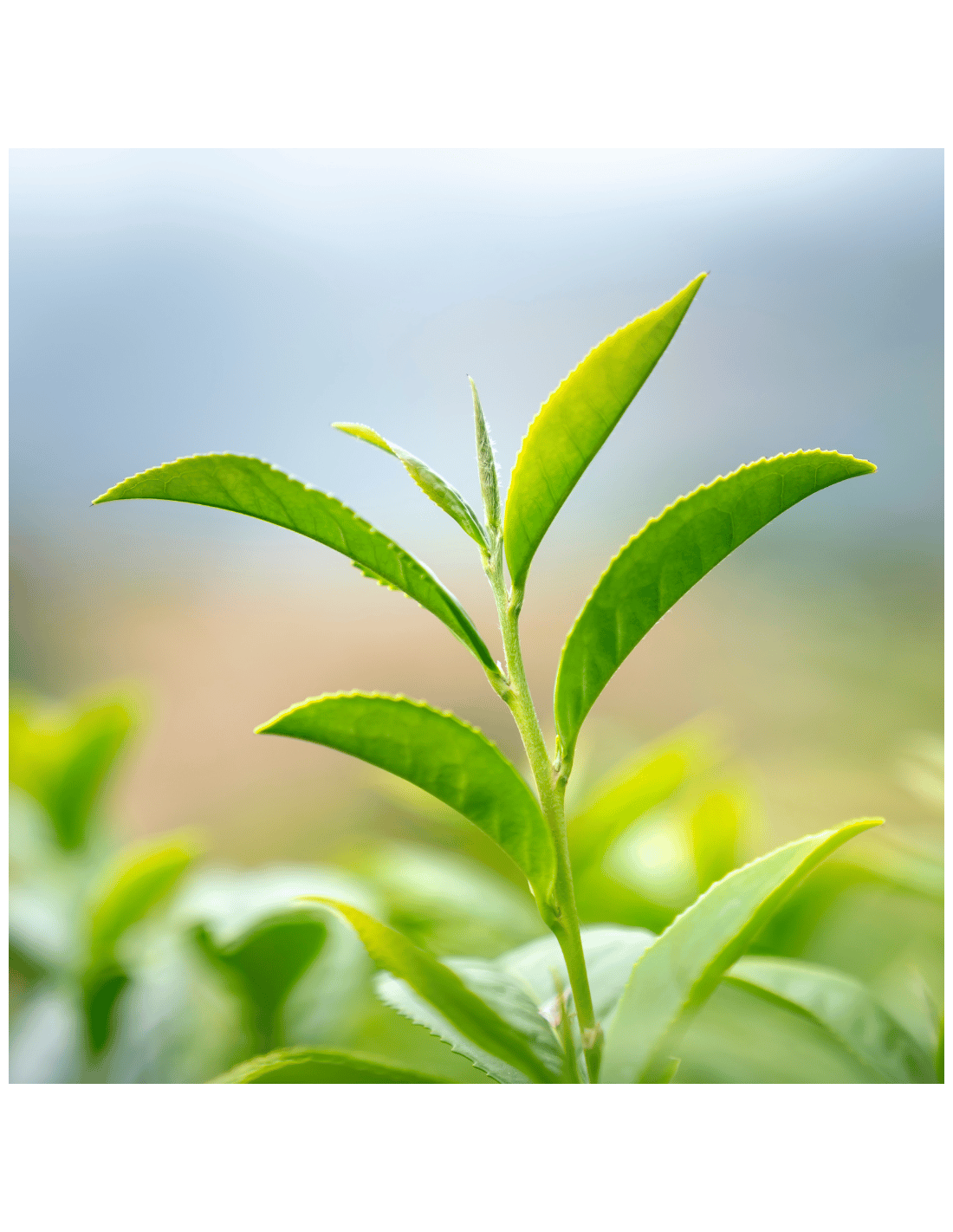
Bancha is picked after Sencha, late in the season, from the same plant. While Sencha favors only young leaves and buds, the remaining leaves are deliberately left to mature further, then harvested in several distinct waves.
Bancha leaves are harvested in June (nibancha, second harvest), August (sanbancha, third harvest), and October (yonbancha, fourth harvest)—hence their nomenclature linked to successive harvests. Thus, each plant can be grown and harvested up to four times a year, a generosity that few green teas share.
Bancha green tea from Japan derives its origins from two crucial factors: the part of the plant used and the timing of the harvest. We offer two types of Bancha: kariban and shuutoubancha. Throughout the year, different tea harvests take place at specific times. The first, commonly called "shincha" (first harvest), occurs in spring and marks the picking of shincha and sencha from young shoots. During this time, the lower shoots of the plant are deliberately pruned to shape the bushes—it is the larger, more robust leaves from these lower shoots that serve as raw material for kariban.
You can see that to arrive at this beautiful mature Bancha leaf, there is a lot of know-how involved. Today, China has the highest tea production in the world, just like Madagascar with Madagascar vanilla.
The term "Bancha" shelters a fascinating cultural and technical diversity across the Japanese archipelago. Standard Green Bancha—the one we offer you—sees its late-season leaves steamed to block oxidation, rolled, and then dried: it is the classic everyday tea, fresh and thirst-quenching. But there are much rarer regional variants:
Bancha green tea is a highly appreciated Japanese tea for its unique flavor and aromatic power, ideal for accompanying meals. It has delicate herbaceous notes and a mild, almost fruity flavor, reminiscent of green apple—a sweet tea on the palate, slightly dry, with a touch of bitterness that gives it depth. Some also detect notes of honey, hazelnut, and sometimes a slight hint of plum, as well as a more earthy undergrowth background. Its low caffeine content makes it an excellent choice for drinking throughout the day.
Bancha should not be steeped above 90°C. Since it is a late harvest of mature leaves, it tolerates heat better than a Sencha, but remains more flavorful with a gentle and controlled infusion.
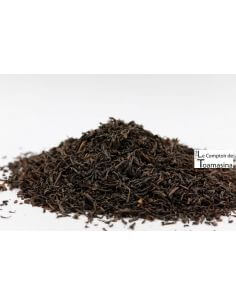
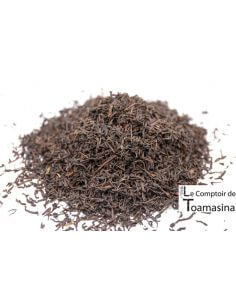
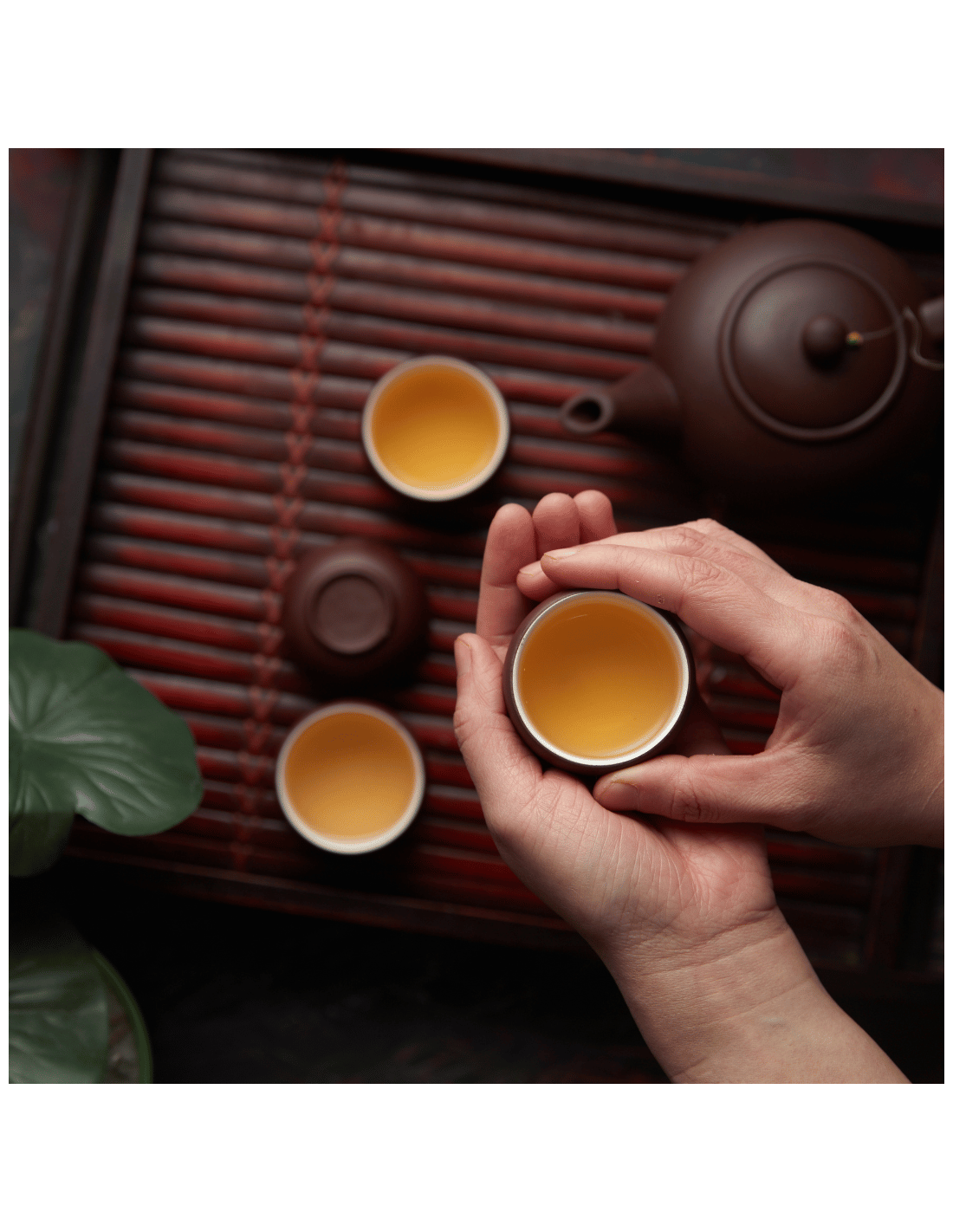
Classic preparation: heat the water to the boiling point and let it rest to cool to 75-77°C. Put the leaves loosely in the teapot—do not force them, they are fragile. Pour the water, cover, and let steep for 2 to 3 minutes. Serve hot.
For the most rustic roasted varieties, a different method is required: add 10 to 15g of leaves directly into 1 liter of boiling water on the stove, then let simmer over low heat for 5 to 15 minutes to extract all the aromatic depth and warming character of these roasted teas.
Did you know? Japanese Bancha green tea is the second most consumed tea in Japan, just after Sencha, and represents about 10% of national tea production.
| Criteria | Bancha | Sencha |
|---|---|---|
| Harvest time | Second harvest and beyond, mature leaves | First flush, young top leaves |
| Flavor | Milder, herbaceous, honey and undergrowth notes | Rich, umami, sweeter |
| Caffeine and catechins | Less caffeine, lower bitter astringency | More concentrated |
| Texture | Coarser (mature and thick leaves) | Finer (young leaves) |
| Price | Generally more economical | Higher |
Specialist in vanilla beans since 2010, Le Comptoir de Toamasina wants you to enjoy Bancha green tea at the best value for money by the kilo. Here, you will buy the exceptional Bancha green tea by the kilo! Immerse yourself in a unique gustatory experience with our selection of premium Bancha tea, available in generous quantities—but also in 80g pouches.
At Le Comptoir de Toamasina, we sell this tea in economical packaging that lowers the price per kilo: buy your Bancha green tea from Japan at 81.20 euros per kilo, and from €7.20 for the 80g pouch (also available in 480g). It is a green tea with a very beautiful leaf and a mild flavor.
"The everyday tea in Japan—mild, honeyed, woody, and the ideal companion for every meal."
Order my Bancha Green TeaCamellia Sinensis · Japan · 80g Pouch for €7.20 · Kilo for €81.20 · Arnaud Sion Selection