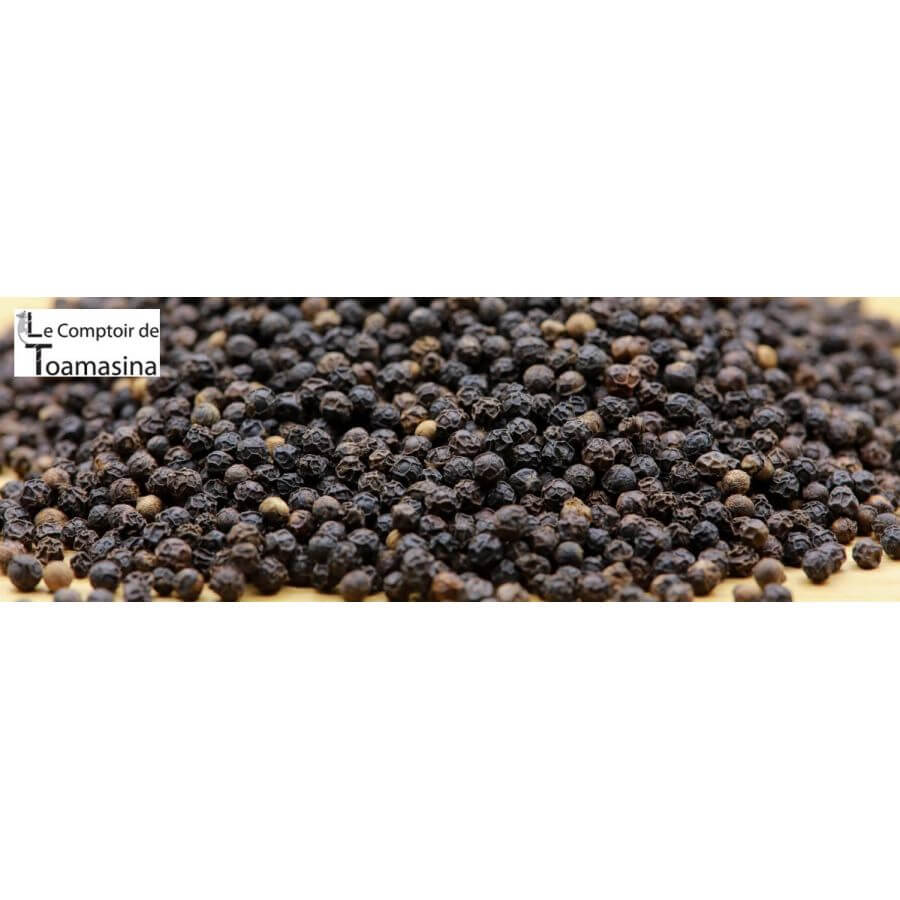
Sarawak Black Pepper

Sarawak Black Pepper

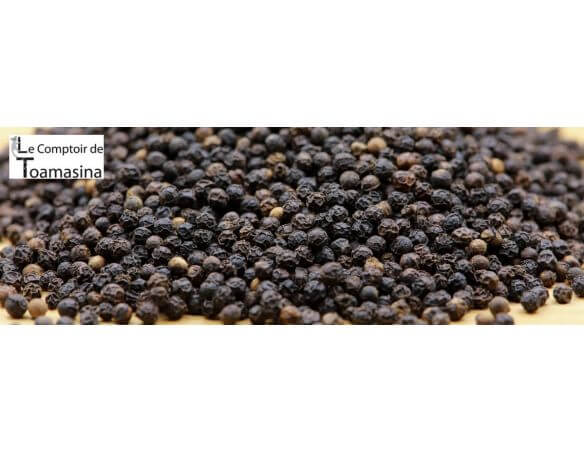
Sarawak black pepper is a grain of black pepper that is harvested on the island of Borneo in Malaysia.

It is a black pepper of very high quality and very tasty in the mouth.

It is harvested by hand grain after grain, as with Madagascar vanilla, which gives it extraordinary quality.

Then dried in the sun, it will develop woody notes and fresh fruit that will make your taste buds travel.

  • Pepper Power: 8/10
  • Main notes: Woody notes and fresh fruit
  • Use: Grilled meat, poultry, vegetables and red fruit desserts
  • Origin: Island of Borneo, Malaysia


Buy the best Sarawak black pepper and discover a powerful, fruity and woody black pepper.

Arnaud invites you to discover the best peppers in the world.

Conditionnement
PNSM
€4.75


Sarawak Black Pepper

Sarawak Black Pepper
The prestige of Borneo

"It is the most pungent of all my peppers. Sarawak hits hard, frank, without detour — and behind this bite, a whole woody and citrus register continues to tell a story once the burn has passed."

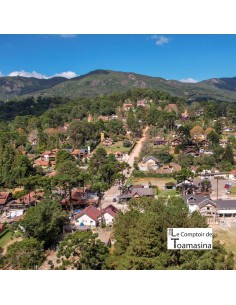
Borneo, land of pepper

Grown in the State of Sarawak, on the island of Borneo, by small Malaysian family farms.

A drying process that changes everything

Dried indoors, with continuous hot air, within 24 hours of harvesting — a rare method that preserves aromas that sun-drying typically disperses.

The most pungent of my range

Ahead of Tellicherry and Kampot, Sarawak is the one that hits hardest in my selection — a frank power, carried by a woody and citrus background.

What you will see in this video

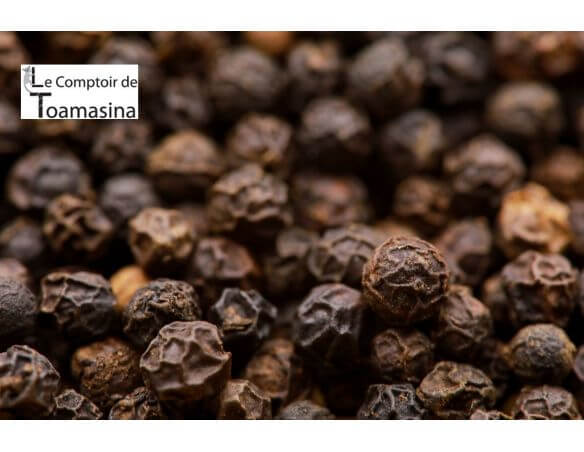
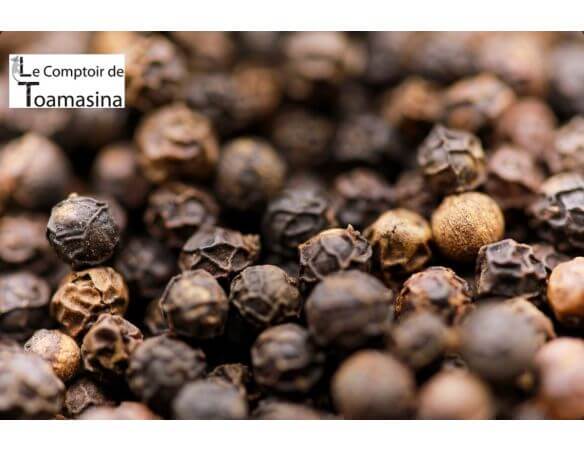
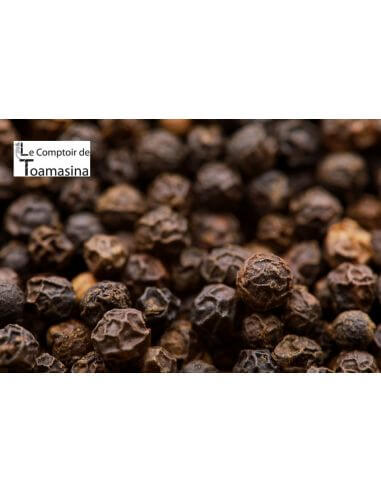
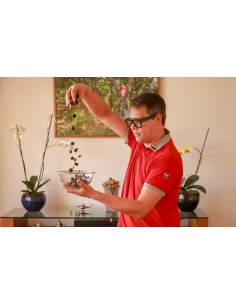
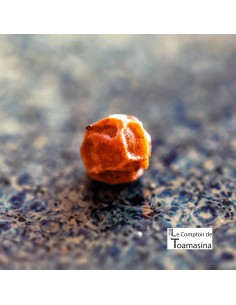
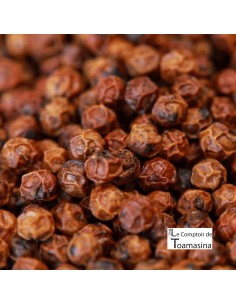
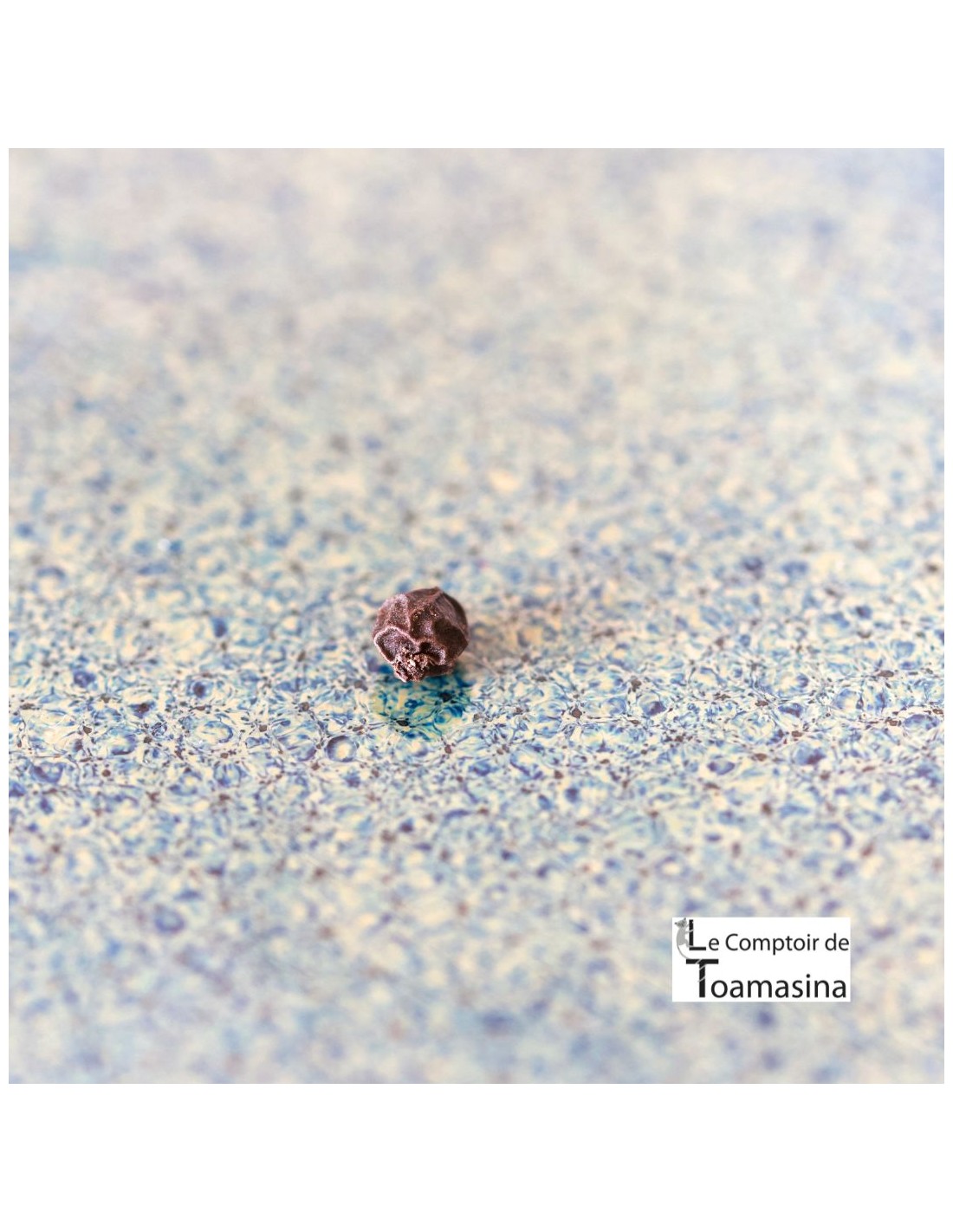
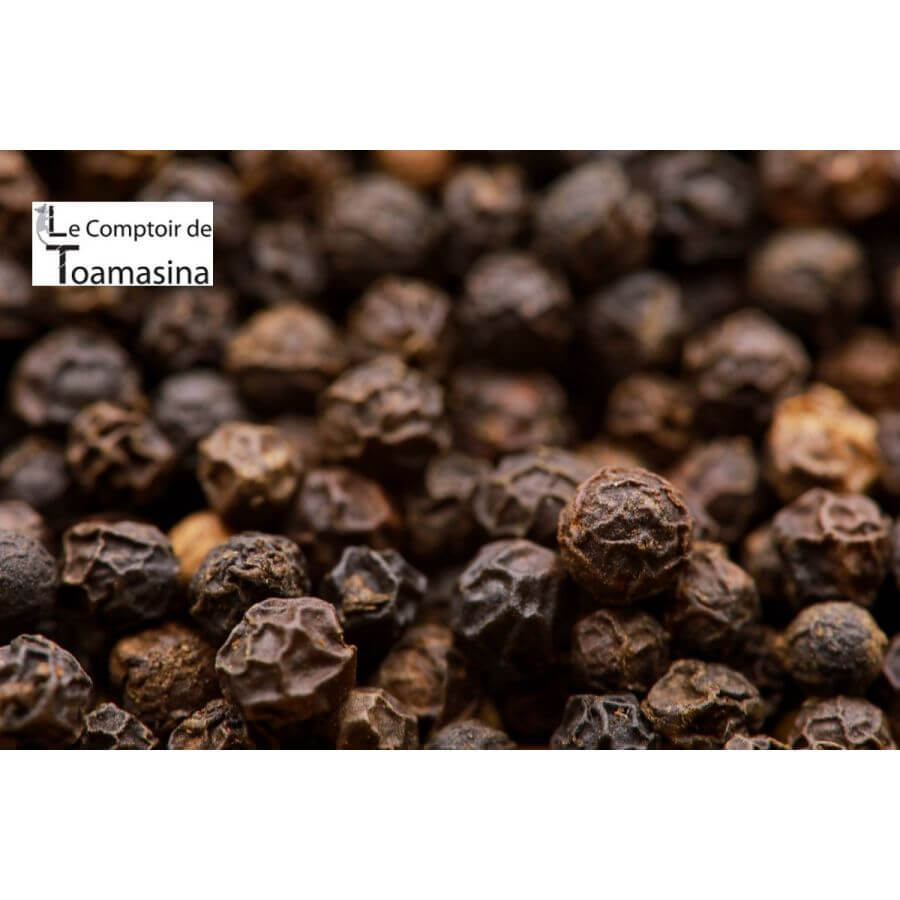
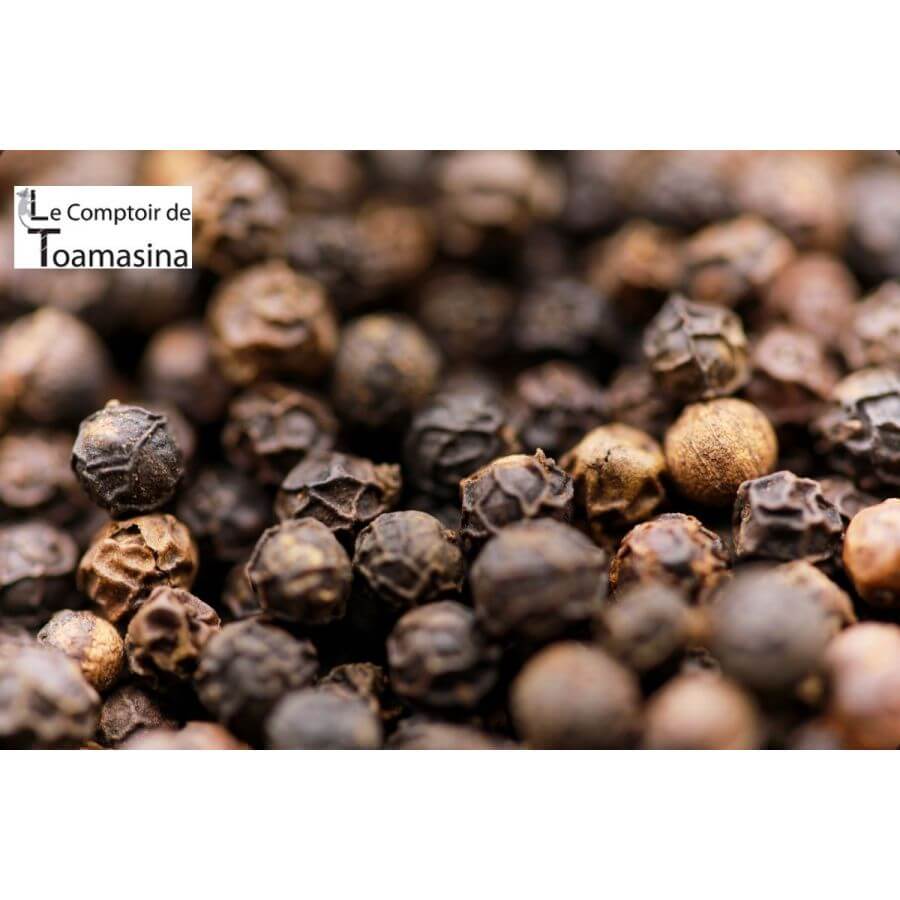
The Sarawak grain in hand: its regular size, its deep brown-black color, and its cold scent — woody, citrus, almost cocoa-like, very different from a generic black pepper.

There is a handful of black peppers that are always cited as examples when talking about "grand crus": Kampot from Cambodia, Indian Tellicherry, and Sarawak from Malaysia. The latter is undoubtedly the most unknown of the three, and that is a mistake — it is also the one that most surprises people accustomed to everyday black pepper, which is brutal and one-dimensional.

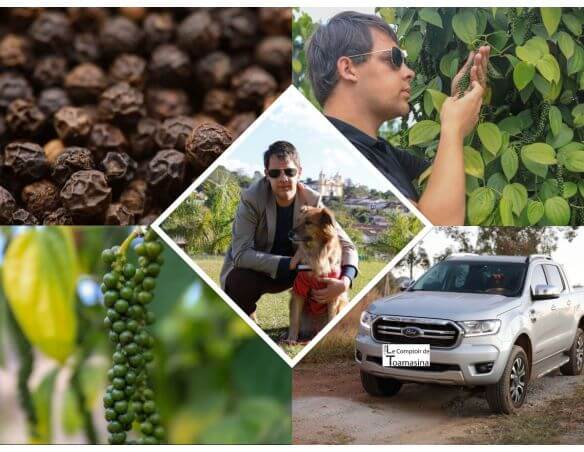
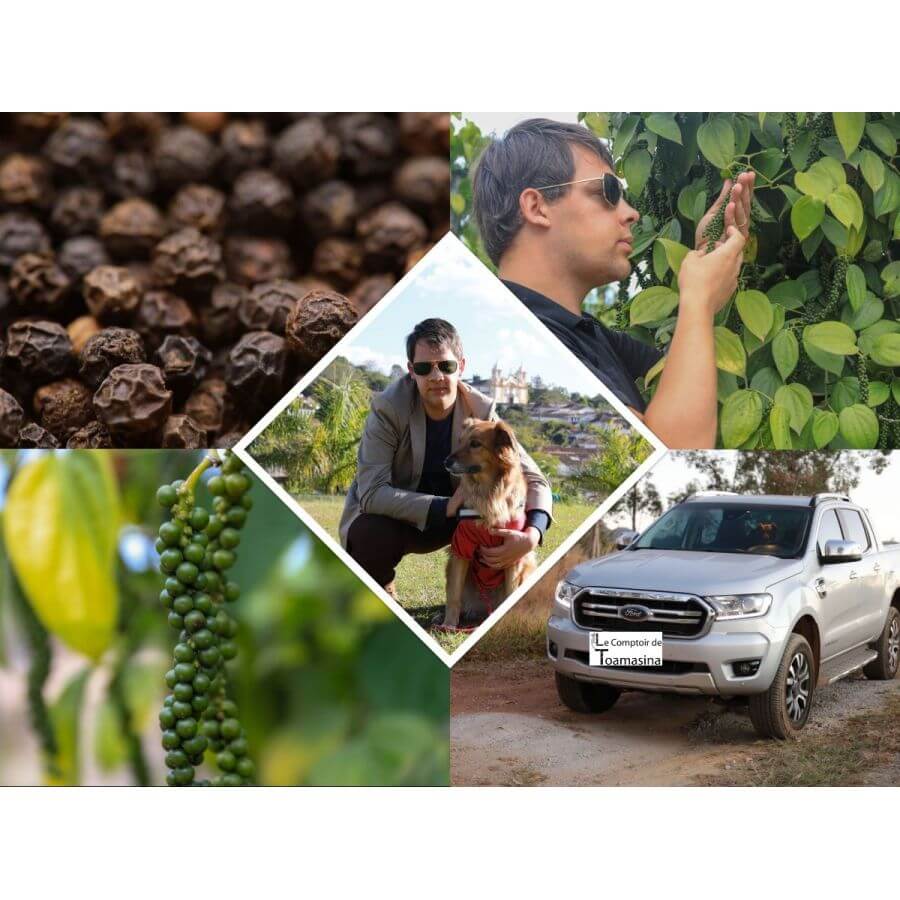
I am Arnaud Sion, creator of Le Comptoir de Toamasina. I have been selecting peppers since 2010, and I have tasted, compared, and spat out more grains than I could count — from Madagascar to Cambodia, from India to Indonesia. Sarawak holds a special place in this map of peppers: it is the most pungent in my entire range, the one I recommend to those who find their other peppers too mild.

I am not an importer: I buy this pepper in Europe, from a supplier, and I am the one who selects each batch according to precise criteria — the regularity of the size, the color, and above all the perfume the moment the bag is opened, which never deceives.

Technical sheet

What you receive

Whole black peppercorns, originating from the State of Sarawak, on the island of Borneo in Malaysia, selected for their regularity and aromatic intensity.

  • SpeciesPiper nigrum
  • OriginSarawak, Borneo island, Malaysia
  • HarvestHand-picked, once a year (April to June)
  • DryingIndoors, continuous hot air, within 24h
  • AppearanceBrown-black grain, regular size
  • ProfileWoody, fruity, citrus, cocoa notes
  • PungencyThe highest in our pepper range
  • UseSavory and sweet cooking, meats, fish, desserts

Comparative Sensory Analysis

Sarawak vs Tellicherry vs Kampot

Three great black peppers, three very distinct characters

Woody
Citrus
Fruity · Cocoa
Pungency
Length on palate
Sarawak
Tellicherry
Kampot

Arnaud's note : "Tellicherry and Kampot each have their power, but it is Sarawak that hits the hardest in my entire selection — a frank, immediate pungency. What makes it unique is what comes right after: wood, citrus, a hint of cocoa that settle in once the bite has passed."

Sarawak · Tellicherry · Kampot

Borneo, a terroir apart for pepper

Sarawak is a Malaysian State located on the island of Borneo, a territory shared with Indonesia and Brunei. It is there, in an equatorial climate that is hot and humid all year round, that pepper cultivation has developed since the 19th century, driven in particular by Chinese immigration to the region. Today, production remains largely in the hands of small family farms.

What truly distinguishes Sarawak from other great peppers is its drying method. Elsewhere in the world, pepper is traditionally dried outdoors over long periods, which allows some of its most volatile aromatic compounds to escape. In Sarawak, the grain is dried indoors, under a continuous flow of hot air, within twenty-four hours of harvesting. The result is a pepper that retains an unusual aromatic freshness — it is precisely this citrus note that distinguishes it immediately upon tasting.

The harvest takes place once a year, between April and June, by hand, grain by grain. The pepper is then classified according to a quality system specific to the region, which distinguishes several grades of fineness — the most sought-after corresponds to regular, dense, and uniformly colored grains.

Why I recommend it to those who find their peppers too mild

Many people who buy a "quality" black pepper are actually disappointed: they expected real power, and they encounter an elegant but timid grain, which preserves finesse at the expense of a shock. This is not a flaw in itself — but it's not what everyone is looking for.

Sarawak is the opposite: it is the most pungent pepper in my entire selection. The bite is immediate, frank, without restraint. And that is precisely what makes its aromatic complexity so interesting: it does not need to apologize behind the power, it arrives just after, in a second beat — the wood, the lemon, the cocoa that persist once the burn drops. It is a pepper for those who want to feel that they are peppering, not simply suggesting it.

How to use Sarawak pepper

  • Grilled and roasted meats: its woody profile and its length in the mouth pair particularly well with beef and lamb.
  • Fish and seafood: its natural citrus note makes it an ideal companion for grilled fish or scallops, without the need to add lemon.
  • Poultry and white meats: use with a little restraint — its power can quickly dominate delicate flesh.
  • Cheeses: a few turns of the grinder on a cheese board, especially on soft cheeses.
  • Chocolate or red fruit desserts: its cocoa and fruit notes make it one of the few black peppers that truly work in baking.
  • Ground at the last moment: like any great pepper, it loses a good part of its complexity once ground in advance — an adjustable grinder makes the best use of it.
1

Smell cold

Even before cooking, crush a grain between your fingers and smell: the wood and lemon should rise immediately.

2

Grind coarsely

For meats and fish, a coarse grind preserves the aromatic complexity better than a fine powder.

3

Add at the end of cooking

As with any great pepper, part of its fragrance evaporates in the heat — reserve the bulk of the dose for the end.

Some recipe ideas

  • Sarawak pepper steak: a coarse grind pressed onto the meat before cooking, for a classic revisited by the sweetness of the grain.
  • Seared scallops, Sarawak pepper: a few turns of the grinder at the very end of cooking, without any other seasoning — its citrus note does all the work.
  • Strawberries and Sarawak pepper: a dash of freshly ground pepper on sweet strawberries, for a dessert that surprises every time.
  • Roast chicken with Sarawak and lemon: crushed grains slipped under the skin with a little butter, before putting in the oven.
  • Dark chocolate and Sarawak ganache: a pinch of freshly ground pepper in a ganache, to prolong the cocoa notes already present in the grain.

How to store Sarawak pepper

  • In whole grains, always — never ground in advance.
  • In an airtight container, away from light.
  • At room temperature, never in the refrigerator or freezer.
  • Away from heat sources, such as the oven or stovetop.

Frequently Asked Questions

What distinguishes Sarawak pepper from other great black peppers?
Its drying method is unique: the grain is dried indoors, with continuous hot air, within 24 hours of harvesting, unlike outdoor drying practiced elsewhere. This technique preserves notes of wood, citrus, and cocoa, supported by the highest pungency of our entire range.
Is Sarawak the most pungent pepper in your range?
Yes, it is the most pungent pepper of the selection. Its bite is frank and immediate, which is exactly what highlights what comes right after: the wood, the citrus, and the cocoa.
Where does Sarawak pepper from Le Comptoir de Toamasina come from?
From the State of Sarawak, on the island of Borneo in Malaysia, cultivated by small family farms. It is bought in Europe and selected batch by batch according to criteria of size, color, and scent.
How to dose Sarawak pepper in cooking?
Grind it at the last moment, in a coarse grind for meats and fish, finer for baking purposes. Add most of the dose at the end of cooking to preserve its most volatile aromas.
Can Sarawak pepper be used in baking?
Yes. Its natural cocoa and fruit notes make it one of the few black peppers that pair well with dark chocolate or red fruits, in very small quantities.
Native country
Sarawak
BOTANICAL SPECIES
Piper nigrum
INGREDIENTS
Sarawak Black Pepper
AROMATIC POWER
9,5/10
ALLERGEN
Absence
POSSIBLE TRACES OF ALLERGENS
None
PACKAGING
Bottle, Mill and Bag
Preparation / Delivery
Preparation within 24 hours - Delivery within 48 hours
No reviews

Customers who bought this product also bought: