Muntok White Pepper
Muntok White Pepper
Muntok White Pepper
Muntok White Pepper
Muntok White Pepper
Muntok White Pepper

Muntok White Pepper

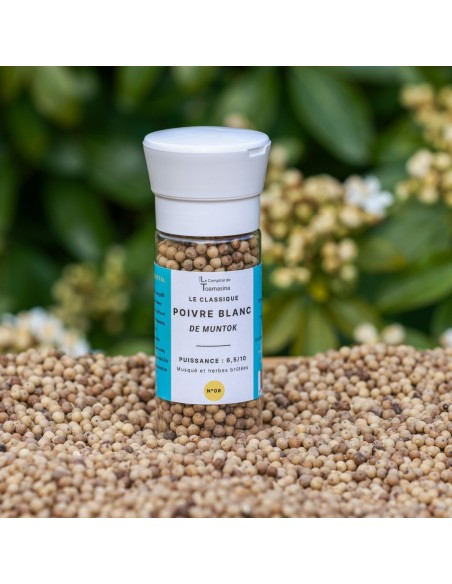
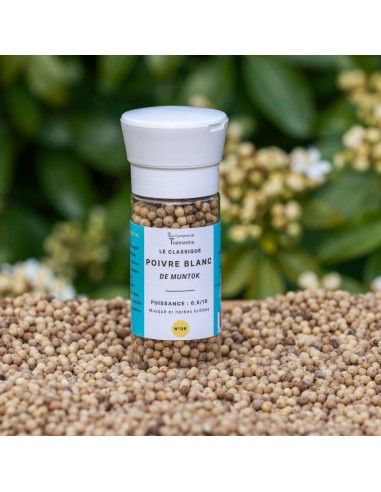
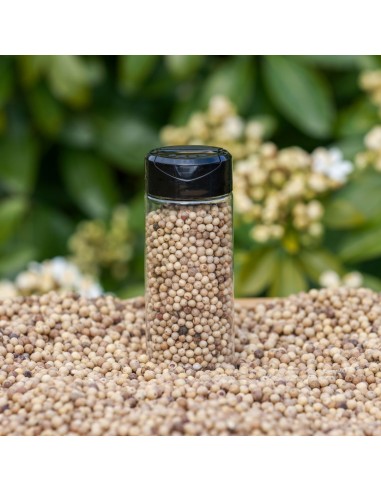
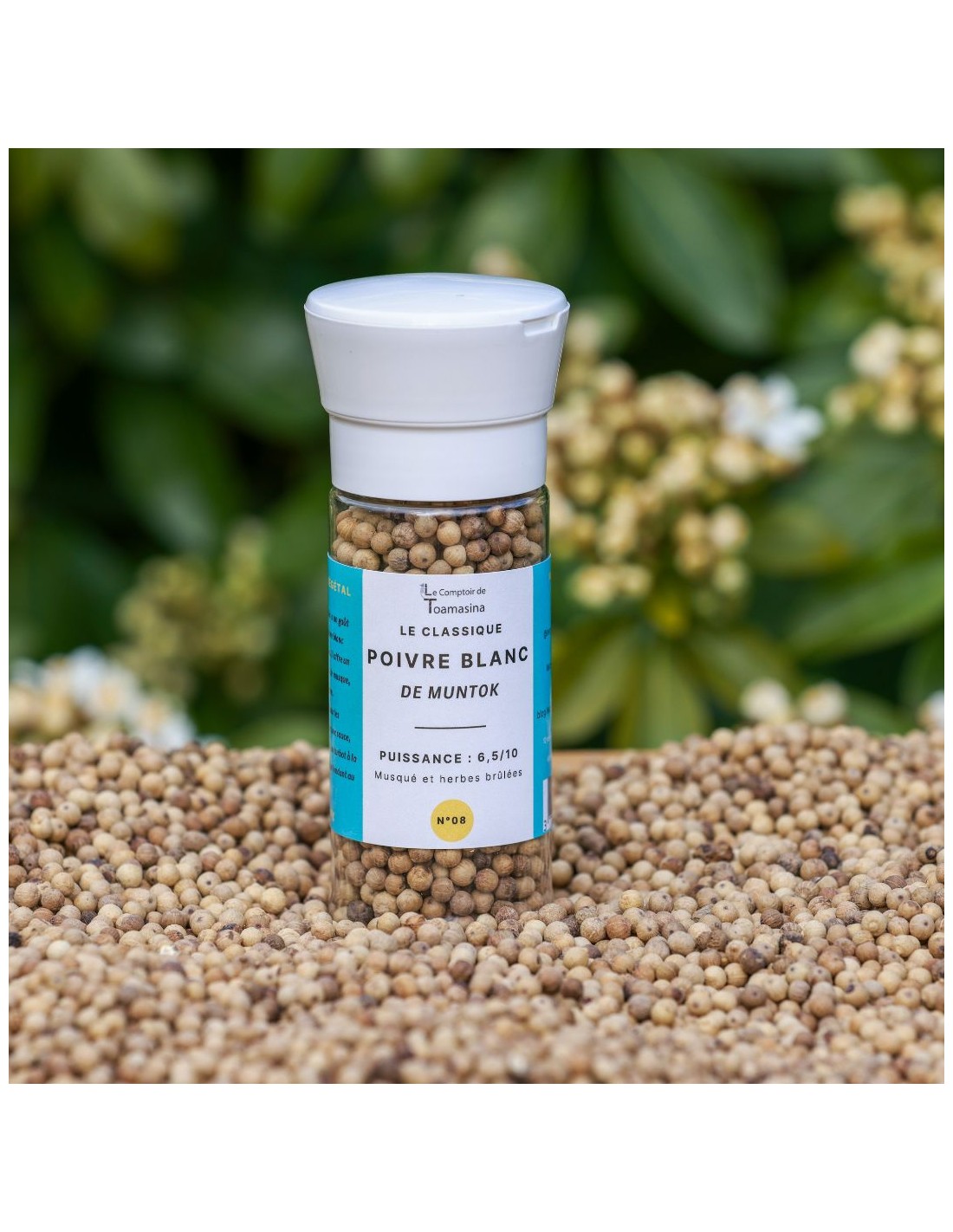
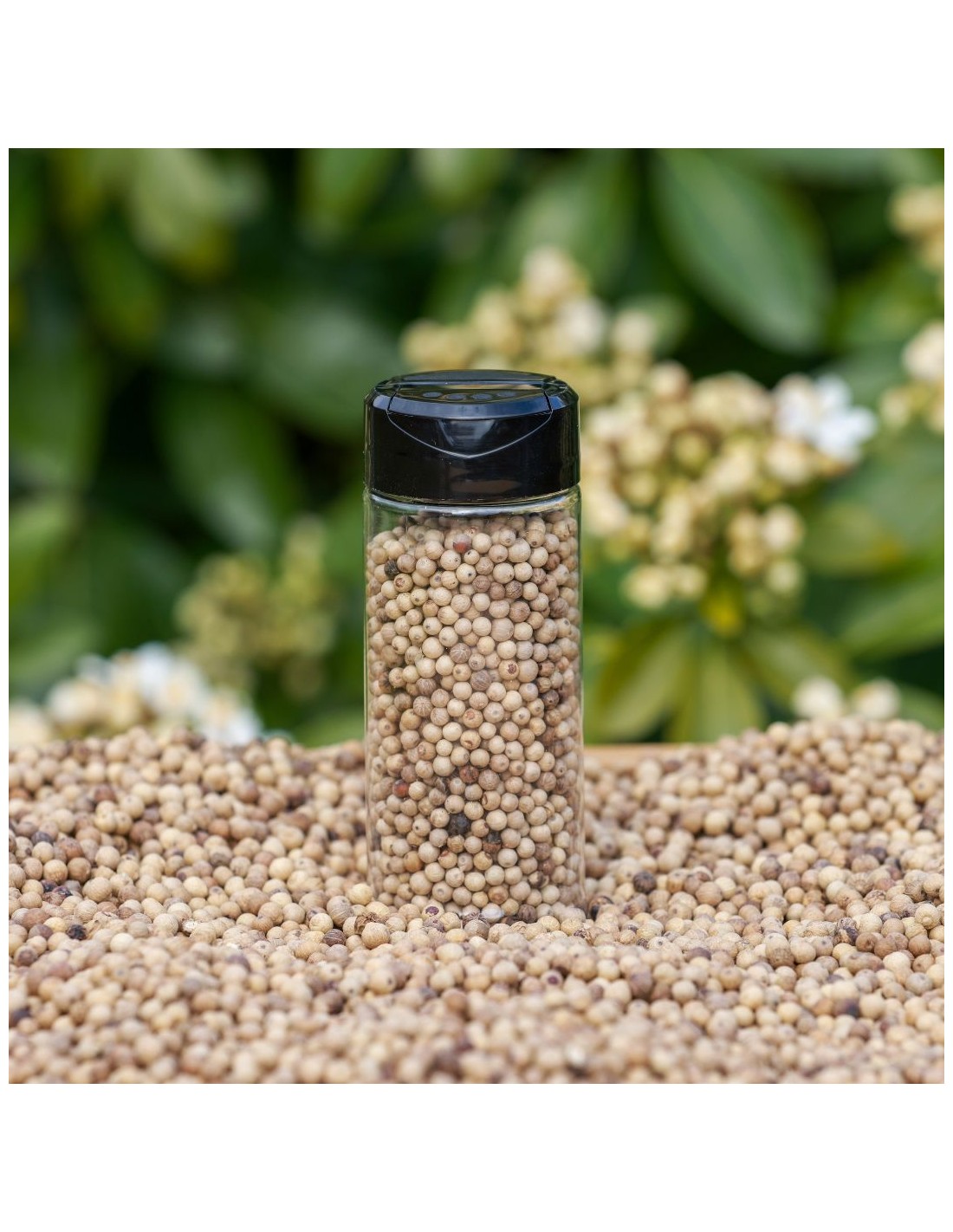
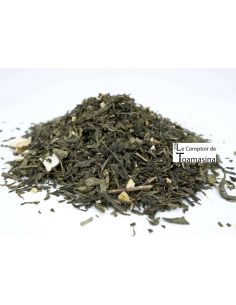
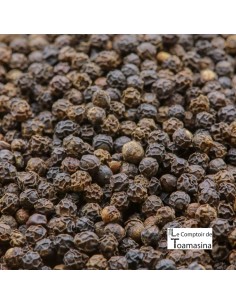
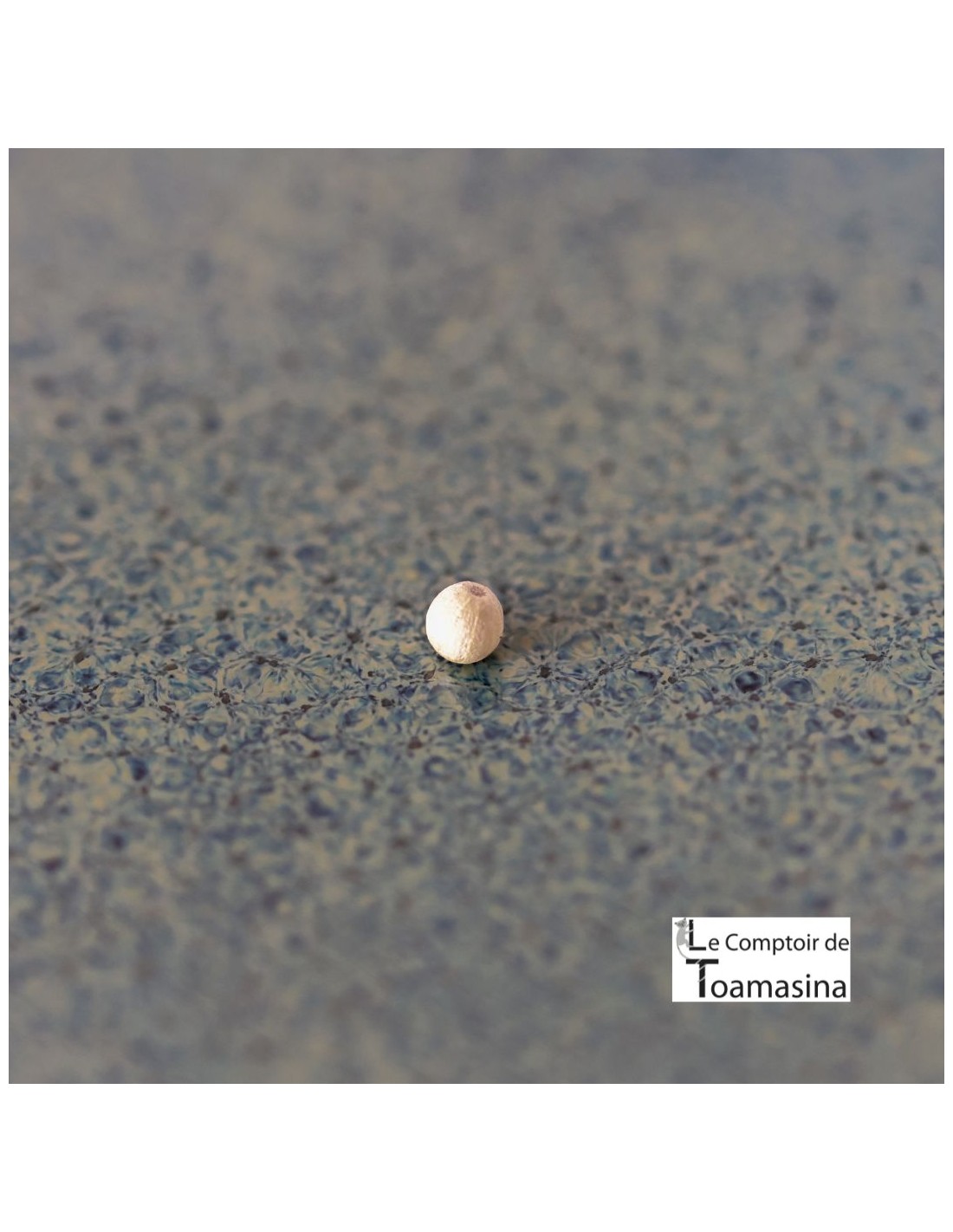
Whole MuntokWhite Pepper with a very spicy taste. It’s a white pepper with a lot of fire. It has a background of burnt herbs, musk, mint and camphor.

A white pepper ideal for farm poultry with a sauce, crunchy vegetables, sautéed in butter, a turbot with Hollandaise sauce or a caramel chocolate fondant.

  • Pepper power: 6.5 / 10
  • Main notes: a mixture of camphor, mint, musk and burnt herbs
  • Use: White meats, vegetables and Sauces
  • Origin: Indonesia

Buy the best whole muntok pepper at the best price per kilo, at the Comptoir de Toamasina, the peppers' counter. Discover the best quality of Muntok White pepper at the best price per kilo.
Packaging
PBM60
€4.75


Muntok White Pepper
Indonesia's Great White Pepper

“It is the most recognizable white pepper in the world. Its distinct animal notes of leather and civet, blended with camphor and menthol, belong to it alone. People either love it or hate it — but no one ever confuses it.”

Purity & Elegance

Stripped of its outer pericarp, this pepper offers a cream color and a clean initial heat without black pepper bitterness.

Signature Animal Notes

Globally renowned for unique notes of leather and civet, layered with camphor and cooling menthol.

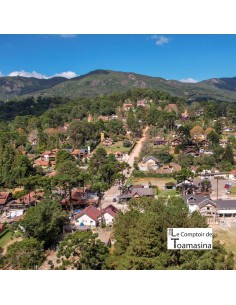
Treasure of Indonesia

Traditionally cultivated on Bangka Island, pairing exquisitely with poultry, fish sauces, and dark chocolate.

Muntok white pepper stands in a league of its own. Where most commercial white peppers are neutral and interchangeable, Muntok possesses unmistakable personality: animal undertones, leather, civet, and a camphoraceous freshness that greets the nose the moment the pouch is opened.

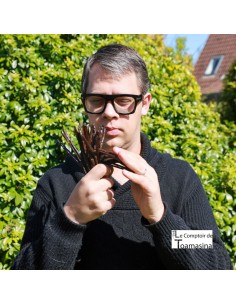
Hailing from Bangka Island in Indonesia, it takes its name from the historic port of Muntok. I am Arnaud Sion, founder of Le Comptoir de Toamasina. Having trained in spice sourcing across Madagascar and Brazil, I apply the exact same rigorous selection standards when sourcing premium Muntok lots.

On this page, I break down what sets this pepper apart from other white peppers, how it is crafted, how to identify genuine quality, and how to use it in your kitchen — because white pepper demands a different culinary approach than black pepper.

What You Will See in This Video

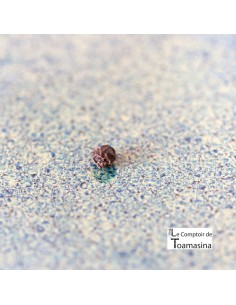
The Muntok peppercorn up close: its slightly grayish-cream hue, vastly different from the artificial bright white of mass-market pepper, and its subtle surface texture resulting from traditional water retting rather than chemical processing. Arnaud explains why its heat feels smoother on the tongue despite retaining natural piperine — and where its signature aroma comes from.

Technical Specification

What You Receive

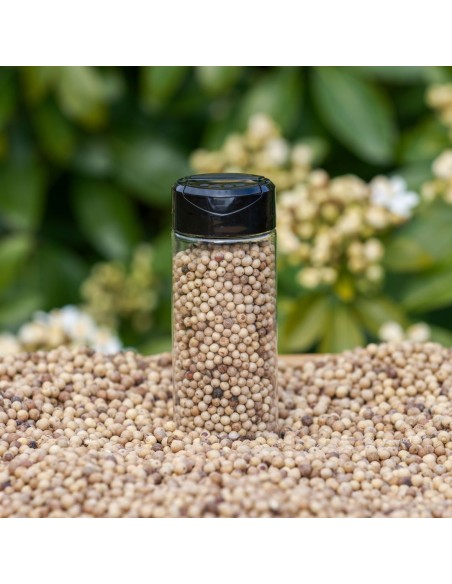
Whole white peppercorns sourced through traditional water retting, selected for aromatic strength and consistent grain size.

  • SpeciesPiper nigrum
  • OriginBangka Island, Indonesia
  • Harvest StageFully mature berries
  • ProcessingTraditional water retting and sun-drying
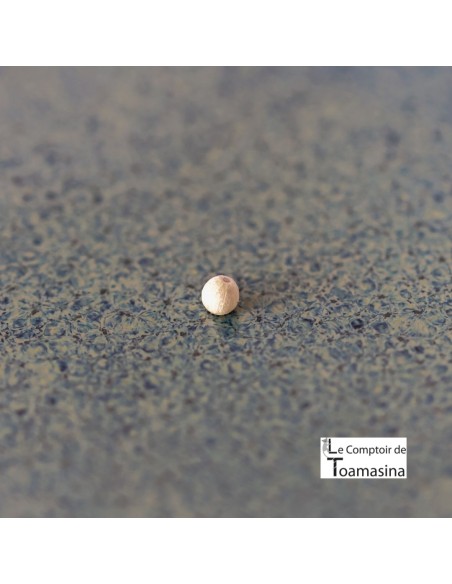
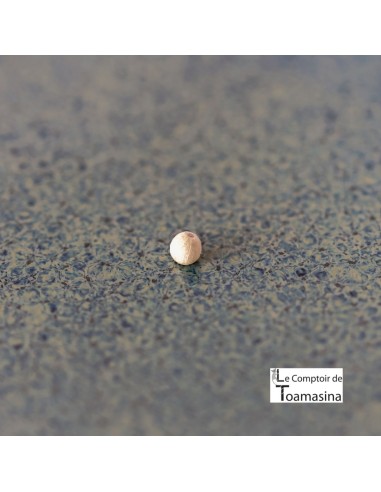
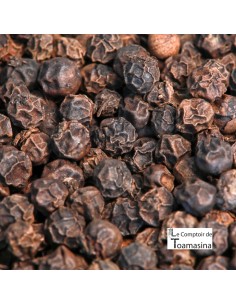
  • AppearanceRound berries, cream to grayish-ivory, stemless
  • ProfileLeather, civet, camphor, menthol, eucalyptus
  • Packaging Options60g jar, pouch, refillable mill, bulk kilo
  • Shelf Life3 years as whole peppercorns, stored away from light

Sensory Analysis

Comparative Aromatic Profile

Muntok White Pepper · Penja White Pepper · Classic Black Pepper

Animal · Leather · Civet
Camphor · Menthol · Eucalyptus
Musky · Truffled
Woody · Fruity
Pungency (Heat)
Muntok White Pepper
Penja White Pepper
Classic Black Pepper

Note from Arnaud: “There is a common misconception that white pepper is always mild. That is false: Muntok delivers a punchy heat, just differently. Removing the pericarp strips away the fruity, woody notes of black pepper, replacing them with a complex animal and camphoraceous signature found nowhere else.”

Muntok · Penja · Black Pepper

What Is Muntok White Pepper

White pepper is not a different plant species from black pepper: both come from the same fruit, Piper nigrum. The distinction lies in the pericarp, the fleshy outer layer surrounding the inner seed.

For black pepper, unripe green berries are sun-dried with their pericarp intact, which darkens and wrinkles. For white pepper, fully ripened red berries are picked and stripped of this outer skin, leaving only the smooth, light inner seed.

In Bangka, skin removal is done through traditional water retting. This natural fermentation endows Muntok with its legendary character—and accounts for its distinctive animal undertones.

1

Mature Harvest

Berry clusters are hand-picked at full ripeness, later than for black pepper production.

2

Water Retting

Ripe berries soak in running water for 1 to 2 weeks. Controlled natural fermentation softens the husk and develops animal notes.

3

Rubbing & Drying

Husks are rubbed away, seeds are thoroughly washed and sun-dried to attain their signature cream finish.

Understanding the Leather and Civet Descriptors

“Leather” and “civet” are aromatic descriptors resulting from natural water retting fermentation. Industrially bleached or machine-hulled white pepper lacks these complex compounds, yielding a flat, uninspiring flavor.

Muntok, Penja, Kampot, Sarawak: Choosing the Right White Pepper

White peppers vary significantly depending on origin and processing techniques:

White Pepper Origin Processing Dominant Profile Best Culinary Uses
Muntok Bangka, Indonesia Water retting, sun drying Leather, civet, camphor, menthol — bold animal signature Foie gras, fish in sauce, chocolate, poultry
Penja Penja Valley, Cameroon (PGI) Water retting, drying Musky, truffled, rich aromatic depth Cream sauces, veal, poultry, egg dishes
White Kampot Kampot, Cambodia (PGI) Short retting, drying Floral, mentholated, citrusy — delicate Raw fish, shellfish, fine dining
White Sarawak Sarawak, Malaysia River water retting Clean, mild, light citrus notes Classic white sauces, delicate dishes
Standard White Various blended sources Mechanical/chemical dehulling Neutral, one-dimensional heat Mass catering and commercial manufacturing

Muntok Flavor Profile & Cooking Guidelines

On the nose, expect rich leather, light smoke, and camphor freshness. On the palate, it delivers a direct, clean bite followed by a long, pristine finish.

Crucial Rule: Do not dry-toast Muntok white pepper. Unlike black pepper, Muntok's volatile camphoraceous compounds degrade and turn bitter under dry heat. Always grind fresh right before serving or at the end of cooking.

Recommended Pairings

  • Fish & Seafood: sublime on poached white fish, lobster, or scallops in cream sauces.
  • Poultry & Veal: elevates cream-based chicken or veal sauces without discoloring the dish.
  • White Sauces: the premier choice for Beurre Blanc, Hollandaise, or Béchamel.
  • Foie Gras: a world-class pairing alongside coarse sea salt.
  • Fruit & Chocolate Desserts: pairs surprisingly well with citrus tarts, poached pears, or dark chocolate.

Eight Simple Recipes with Muntok White Pepper

  1. Lemon Pepper Chicken: Marinate chicken breasts with ground Muntok, lemon zest and juice, minced garlic, olive oil, and sea salt before grilling.
  2. Ginger Pork Chops: Blend ground Muntok, grated fresh ginger, soy sauce, rice vinegar, and sesame oil. Marinate pork for 4 hours and grill.
  3. Herbed Poultry Rub: Coat poultry with ground Muntok, herbs de Provence, olive oil, garlic, and lemon juice.
  4. Yogurt Chicken Skewers: Marinate chicken cubes in plain yogurt, ground Muntok, chopped cilantro, garlic, and cumin.
  5. White Wine Shrimp: Pan-sear shrimp with dry white wine, butter, garlic, fresh thyme, and finish with ground Muntok.
  6. Roasted Rosemary Vegetables: Toss zucchini, bell peppers, and eggplant with olive oil, fresh rosemary, and ground Muntok before roasting.
  7. Garlic Steak Rub: Rub steaks with ground Muntok, crushed garlic, and sea salt prior to searing.
  8. Dill Salmon Fillets: Season salmon with ground Muntok, fresh dill, lemon juice, and olive oil.

Frequently Asked Questions

What is the difference between white and black pepper?
Both come from Piper nigrum. Black pepper is sun-dried with its outer skin on. White pepper is harvested fully ripe and soaked in water to remove the outer husk, leaving only the inner seed.
Is Muntok white pepper hot?
Yes. It delivers a direct, sharp heat combined with distinct camphoraceous and animal aromatic notes.
Should I toast Muntok white pepper before grinding?
No. Dry-toasting degrades its delicate menthol and camphor notes, causing bitterness. Always grind fresh onto hot dishes right at serving.
Native country
Indonésia
BOTANICAL SPECIES
Piper Nigrum
INGREDIENTS
White Pipper
AROMATIC POWER
6,5/10
ALLERGEN
None
POSSIBLE TRACES OF ALLERGENS
None
PACKAGING
Bottle, Mill and Bag
Preparation / Delivery
Preparation within 24h - Delivery within 48h00
No reviews

Customers who bought this product also bought: