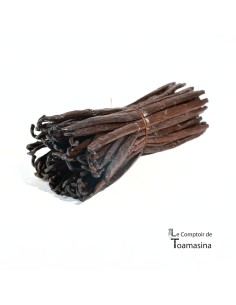
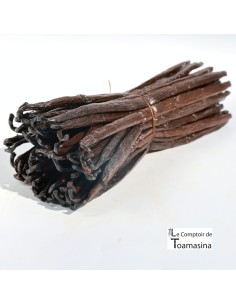
Vanilla - Premium Pods, Powders & Extracts
"I select vanilla the way a sommelier chooses fine vintages. Every origin tells a story, every pod is a promise of escape. Welcome to Le Comptoir de Toamasina." — Arnaud Sion
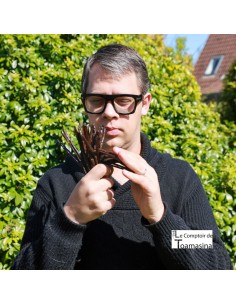
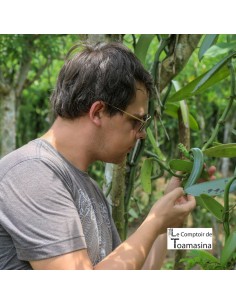
Arnaud Sion, creator of Le Comptoir de Toamasina, invites you to discover a meticulous selection of gourmet vanilla. Whether you are looking for the nostalgic sweetness of Madagascar or the rare exoticism of Brazil, each pod is selected for its exceptional value.
Madagascar Bourbon
The global benchmark. A rich, supple, and irresistible pod with subtle cocoa notes and exquisite vanilla intensity. Ideal for traditional baking.
Tahiti (Tahitensis)
Pure luxury. A dazzling pod with sensual aromas of prune and anise, blossoming into a captivating floral vanilla.
Papua New Guinea
Two treasure varieties: Tahitensis with notes of spice and leather, and Planifolia for an intense, woody aromatic journey.
Brazil (Cerrado)
The new frontier. A generous pod with exotic and floral aromas, enhanced by a subtle touch of acidity unique in the world.
Expertise & Tradition Since 2010
With over 14 years of experience in vanilla trading and cultivation, Arnaud Sion brings unmatched knowledge to every single pod. Our trial plantation in Brazil serves as a testing ground where we cultivate a passion for vanilla and share our expertise on how best to select and use this precious spice.
Buy your vanilla with complete confidence at Le Comptoir de Toamasina to elevate your creative cooking with the finest vanilla, and let our expertise guide you toward an unforgettable tasting experience.
Tahitensis Vanilla Extract with Pastry
Off the Beaten Path: The Arnaud Vanille Selection
In our online shop, you will explore the complex universe of vanilla by moving away from conventional origins to dive straight into the heart of biodiversity. Our focus centers on our experimental Brazilian plantation—a project redefining the boundaries of this spice.
Although Mexico is recognized as the cultural birthplace of vanilla (initiated by the Totonacs of Veracruz), Brazil stands out today as the country hosting the greatest genetic diversity of vanilla in the world. The historical Mexican monopoly relied on an endemic bee, the Melipona, which was solely capable of ensuring natural pollination.
Today, the "Arnaud Vanille Plantation" in Brazil is not a simple off-shoring effort; it represents a return to botanical origins—a research center dedicated to bio-prospecting, far from the monoculture of the Vanilla planifolia species that dominates 95% of the global market.
The Experimental Terroir: An Ecosystem of Flavors
Brazil, with its distinct biomes such as the tropical rainforest (Mata Atlântica) and the tropical savanna (the Cerrado), is a true treasure trove. Home to over 40 native species, Brazil offers a diverse range of vanillas, often sourced from micro-lots. The "Arnaud Vanille Plantation" focuses on these gems:
Vanilla Bahiana
A species with a revolutionary profile. Unlike planifolia, its flavor is not dominated by vanillin. It boasts an aromatic profile six times more complex, with less sweet and more fruity notes.
Vanilla Dubia
A wild vanilla from Minas Gerais, currently endangered, which we are working actively to preserve.
Vanilla from Cerrado
Nicknamed "banana vanilla" (V. edwalli or V. cerradoensis), it offers a powerful, wild, smoky, and phenolic profile reminiscent of burnt wood and cloves.
Comparative Guide: World-Class Exceptional Vanillas
Arnaud Sion, trained in vanilla cultivation in Madagascar, evolved from a "spice hunter" into a producer. Here is a detailed breakdown of the terroirs we offer:
The "Black Gold." It remains the global benchmark. A warm, well-rounded vanilla featuring intense chocolaty notes. Ideal for baking and pastry work.
Vanilla tahitensis is unique. Lower in vanillin but rich in eugenol, it offers notes of anise and prune that evolve into a captivating floral vanilla. Perfect for cold preparations as it does not undergo scalding during processing.
One of the finest in the world. The planifolia variety offers spicy, leathery, and chocolaty notes. PNG's tahitensis variety, processed Bourbon-style with scalding, reveals highly floral gingerbread notes.
A cousin of Malagasy vanilla (under the Bourbon designation), it provides aromas described as uniquely "intense and balanced."
The historical birthplace. Finer than Malagasy vanilla, it presents a floral, smooth, and deep profile.
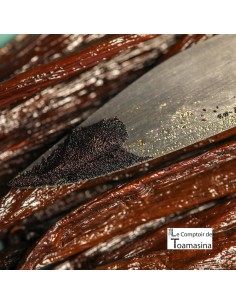
An incredible production. The "frost" (natural vanillin crystals) demonstrates flawless curing, yielding a rare buttery and chocolaty intensity.
Rich and complex, displaying surprising notes of "dulce de leche," caramel, and dates.
Often misjudged, it actually possesses a signature "earthy, strong, and smoky" profile, highly sought-after for dark chocolates.
Although Ugandan vanilla features a powerful aromatic profile (with animal and peat notes), Le Comptoir de Toamasina has decided to stop selling this origin altogether. Following US Administration reports and investigative documentaries exposing child labor within this supply chain, we refuse to endorse such practices despite its attractive pricing (€30/kg). Ethics always come before profit.
Comparative Table of Aromatic Profiles
| Origin | Species | Aromatic Profile | Ideal Application |
|---|---|---|---|
| Madagascar (Bourbon) | V. planifolia | Cocoa, Buttery, Classic Vanillin | Classic Pastry, Custards/Flans |
| Tahiti | V. tahitensis | Aniseed, Floral, Prune | Cold preparations, Ice creams |
| Brazil (Cerrado) | V. cerradoensis | Smoky, Phenolic, Clove | Savory dishes, Spirits |
| Papua New Guinea (Tahitensis) | V. tahitensis | Gingerbread, Floral, Musky | Creams, Sweet-and-savory pairings |
| French Guiana (Pompona) | V. pompona | Tonka, Tobacco, Licorice | Infused Rums |
| Mayotte (Frosted) | V. planifolia | Butter, Chocolate, Pure Vanillin | Luxury Gastronomy |
From Flower to Pod: Technical Expertise
The price of vanilla is not due to its rarity, but to the labor intensity required. The vanilla vine is an exacting plant that requires manual "marriage" (pollination).
In 1841, on Bourbon Island (Reunion Island), a young enslaved boy named Edmond Albius invented manual pollination. This process must be repeated flower by flower every morning.
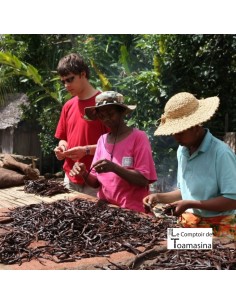
Once picked, the green pod is odorless. It is the Bourbon curing process that develops its aroma:
Scalding (Échaudage)
A thermal shock (63°C / 145°F) to stop vegetative growth.
Sweating (Étuvage)
The pod "sweats" inside wool blankets, turning brown.
Drying
A slow alternation between sun and shade.
Curing (Affinage)
Maturation in wooden trunks for several months to develop over 180 aromatic compounds.
How to Identify an Exceptional Pod?
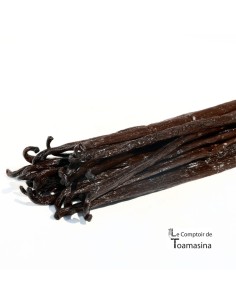
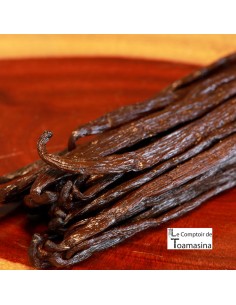
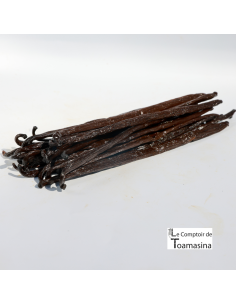
A fine "Gourmet" vanilla pod should be:
Supple
You can tie it into a knot without it snapping.
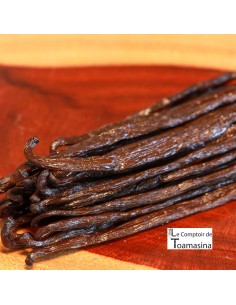
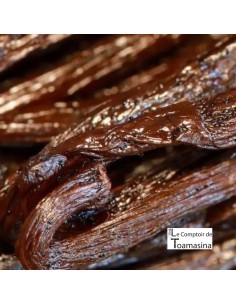
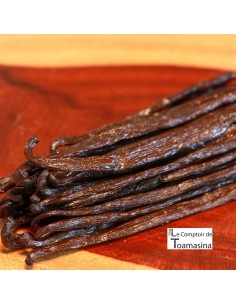
Plump & Glossy
Deep black, oily to the touch, but never wet.
Moisture Level
Ideally between 28% and 35%.
How to Use and Preserve Vanilla?
Culinary Uses
For pastry and baking, Madagascar Vanilla (Planifolia) remains supreme.
For cold preparations (whipped cream, ice cream), opt for Tahitian Vanilla.
For savory cooking, dare to try Brazilian vanillas (Cerrado). Their smoky or leathery notes will elevate marinades and sauces.
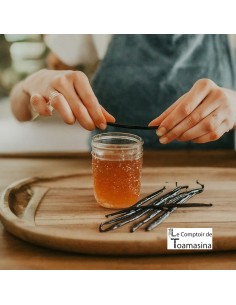
Zero-Waste Tip: Never throw away spent pods! Dry them out and blend them to make homemade vanilla powder, or store them in a sugar jar to create vanilla sugar far superior to industrial lignin-based alternatives.
Golden Rules of Storage
Vanilla is a living product. To keep it supple and fragrant for over a year:
The Container: An airtight glass tube or a tightly sealed tin box.
The Environment: A cool (15–20°C / 59–68°F), dry place protected from light.
NEVER store your vanilla in the refrigerator (humidity causes mold) or in the freezer (stops aroma development).
Do not store it in alcohol (Rum) unless you intend to make an extract, as alcohol strips the pod of its aromas and dries it out.
Frequently Asked Questions on Price & Origin (FAQ)
What is the true price of vanilla per kilogram?
The price of vanilla varies greatly depending on origin, cultivation method, and ethics. Here are the current market trends for Gourmet grade:
- Ugandan Vanilla (€30/kg): The cheapest on the market. However, we do not sell it. Due to investigative reports and a US Administration note on child labor, we boycott this supply chain.
- Madagascar Vanilla (€80 to €150/kg): The best value for money. It is the global standard for baking.
- Tahitian Vanilla (Around €800/kg): A rare luxury vanilla requiring meticulous preparation without scalding.
- Brazilian Vanilla (€2000+/kg): A rare, wild collector's vanilla (such as Bahiana or Cerrado) reserved for haute gastronomie.
What is the difference between Bourbon Vanilla and Tahitian Vanilla?
It comes down to taste and species. Bourbon (Planifolia) is the historical species: its flavor is direct, chocolaty, and warm—the classic vanilla of our childhood. Tahiti (Tahitensis) is a different species: it is more floral, aniseed-like, and fruity (prune). Bourbon is ideal for cooked dishes (custards), whereas Tahiti excels in raw applications (fruit salads).
Do you offer wholesale sales for professionals?
Yes. Le Comptoir de Toamasina has been an importing wholesaler since 2010. We supply pastry chefs, ice cream makers, and breweries. We offer packaging from 250g to 5kg with full traceability from our partner plantations or collectors. Contact us for a professional quote.
Why shouldn't you buy vanilla from supermarket chains?
Supermarket vanilla is often artificially dried to prevent mold during long shelf storage, making it brittle and flavor-deficient. At Le Comptoir de Toamasina, we sell craft-cured "table-grade" vanilla that retains its moisture and essential oils. It is the difference between an industrial product and a true artisanal terroir product.