Madagascar Black Pepper

Madagascar Black Pepper

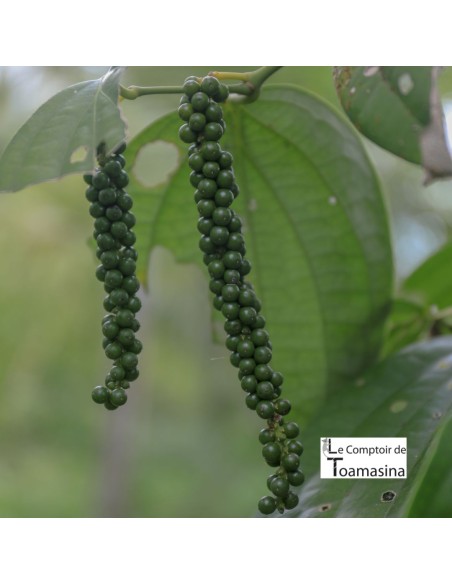
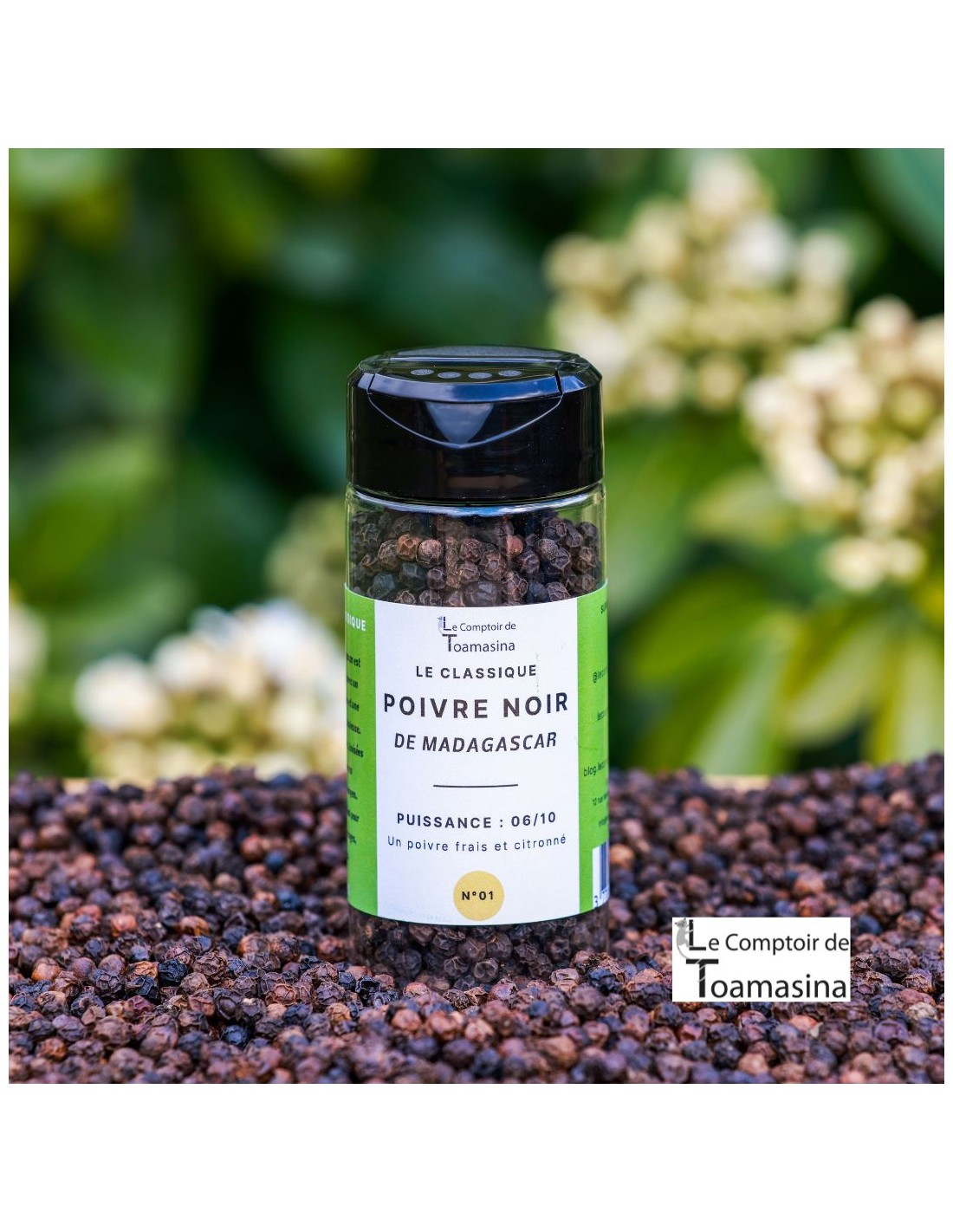
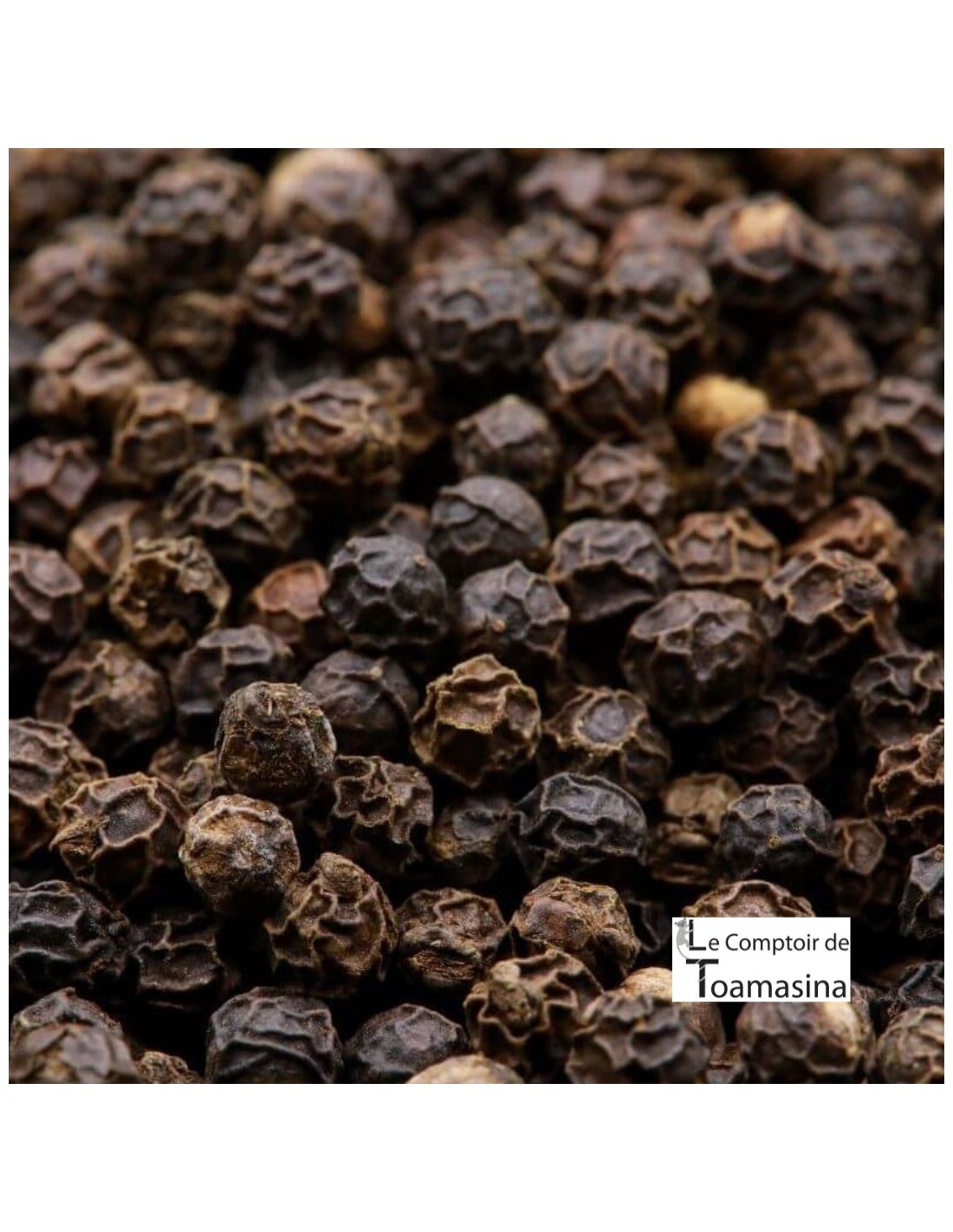
The black pepper of Madagascar is an extraordinary pepper, the best in the world with the ceylan pepper. It offers a fresh, spicy, long-lasting taste with a slight lemon flavor. Buy the best Madagascar pepper at the Comptoir of Toamasina.

  • Pepper power: 6/10
  • Main Notes: Woodsy and a citric touch
  • Use: Ideal for all savory dishes, especially meats
  • Origin: Madagascar

It is a slightly spicy pepper, black pepper from Madagascar offers a woody and lemon note. Buy the best pepper from Madagascar, at the best price. The loose Madagascar black pepper that everyone should have in their kitchen.
Packaging
PNMT50
€5.00


Madagascar Black Pepper
Malagasy Pepper at 550 g/L Density

“Madagascar black pepper is a Piper nigrum. It is the pepper I put on everything, my everyday essential — whereas Voatsiperifery is reserved for special occasions.”

ASTRA Grade (550 g/L)

Exceptional density, indicating a peppercorn rich in essential oils and piperine. ASTRA is the benchmark grade in international spice trade.

Sun-Dried Processing

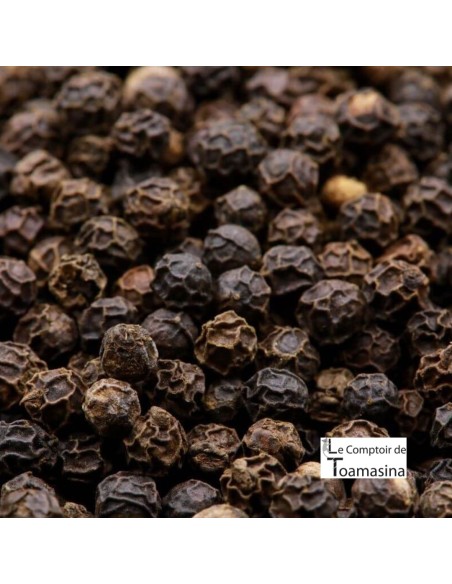
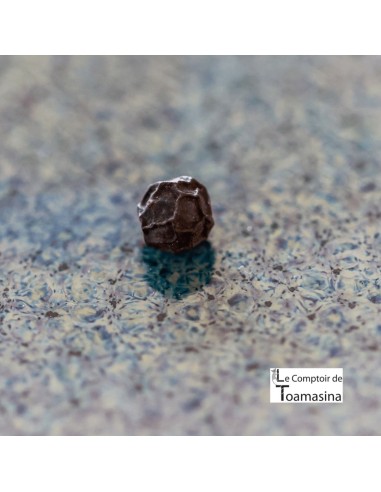
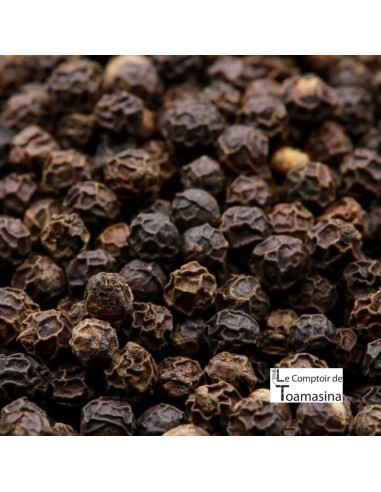
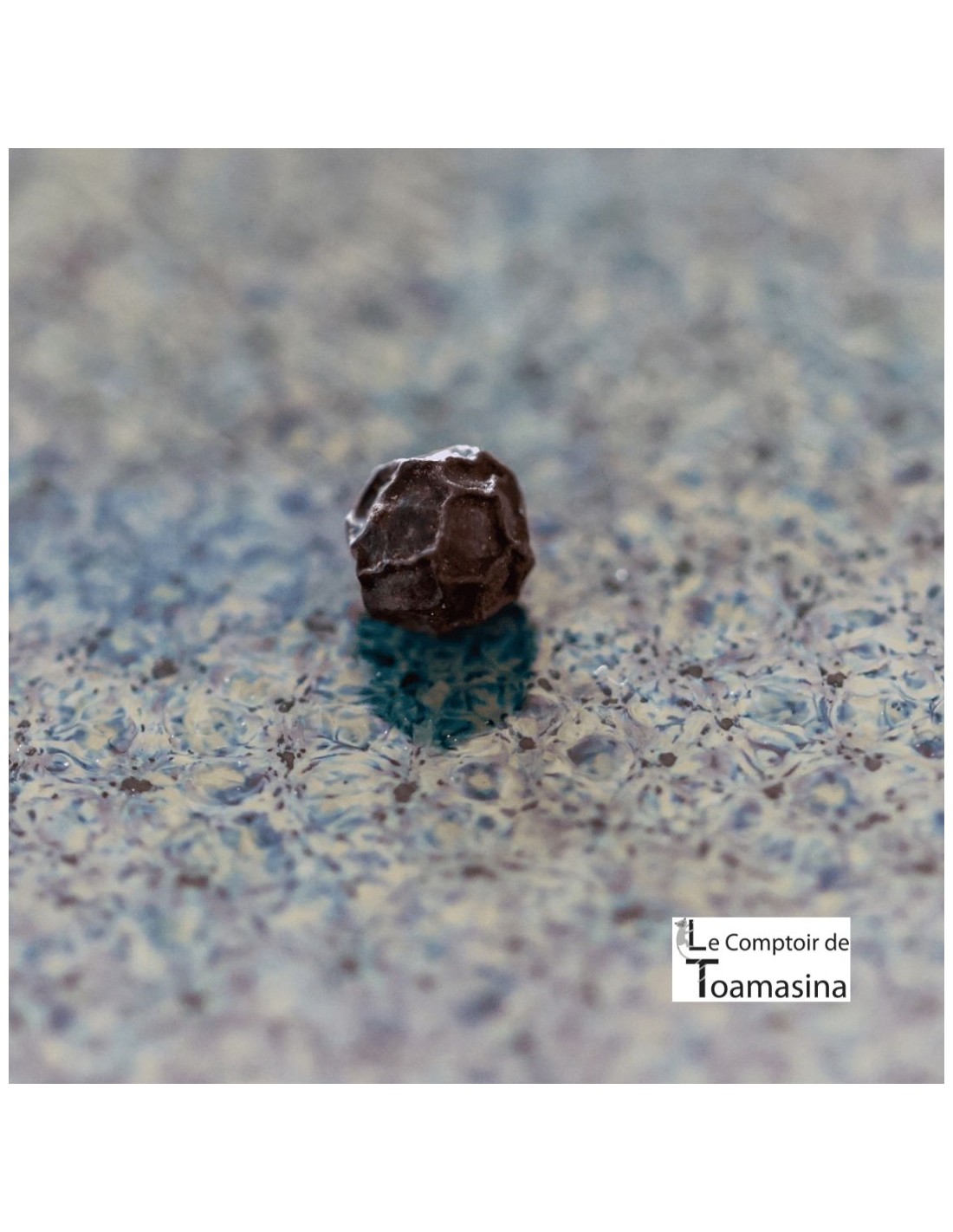
Naturally dried in the sun to preserve the pericarp and guarantee a dark berry with a signature wrinkled husk.

Fresh & Woody Notes

Delivers impressive depth on the palate, fresh woody tones, and a signature citrusy touch unique to Malagasy soil.

In Madagascar, black pepper cultivation centers around the Toamasina region, alongside Voatsiperifery, the island's wild pepper. Our family business was founded in 2010 with a single spice at the start: Madagascar vanilla. Step by step, I expanded our catalog with island-grown spices: alongside vanilla and peppercorns, you'll discover Madagascar cinnamon and Malagasy turmeric.

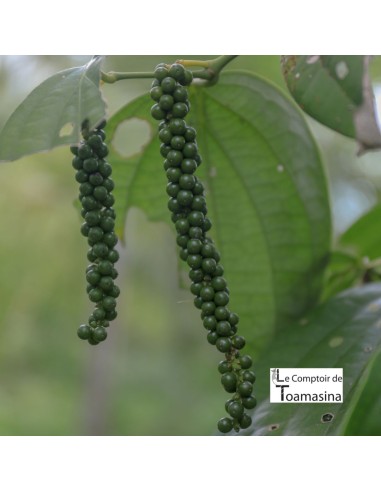
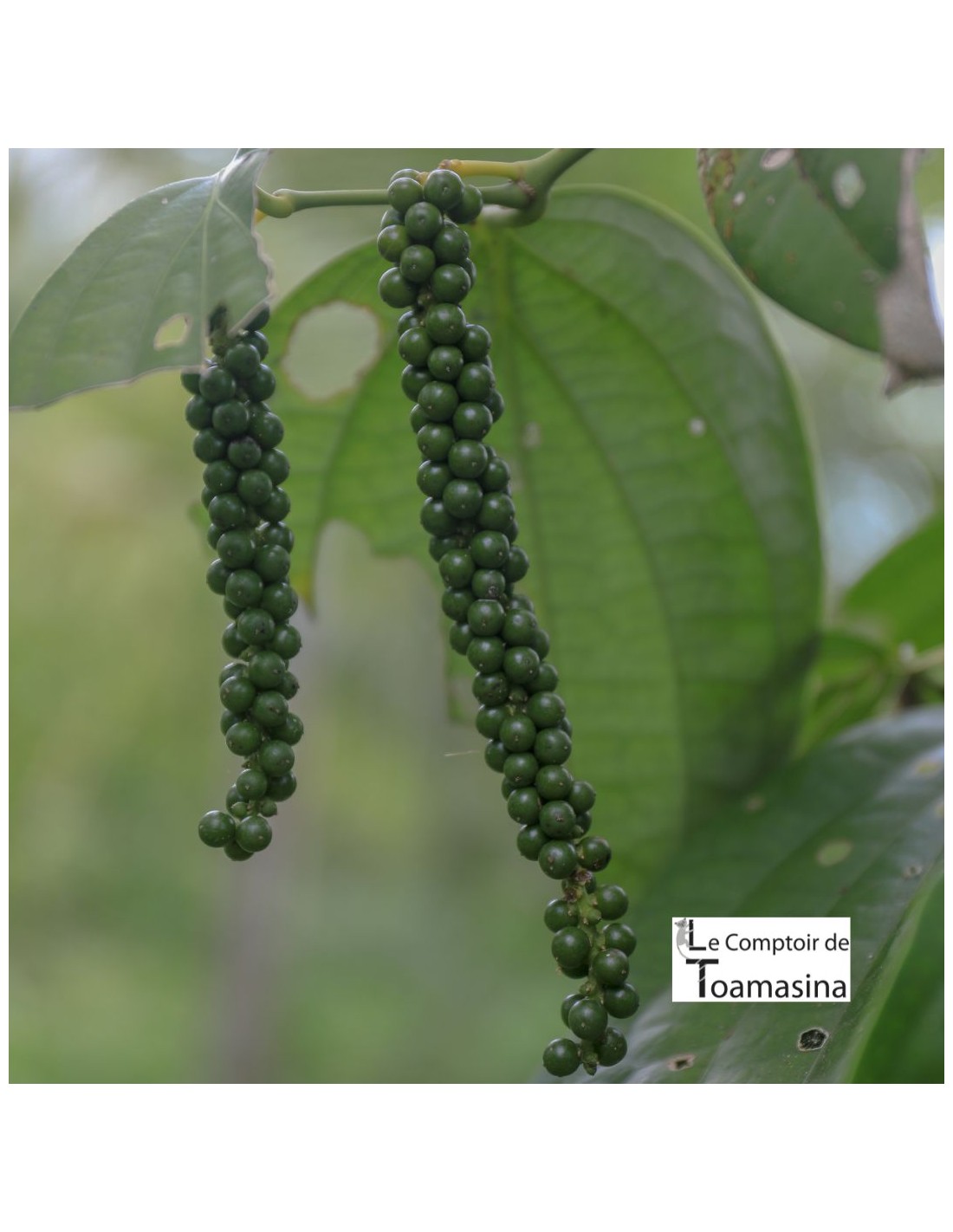
The Malagasy pepper vine requires specific climate conditions: constant warmth, high humidity, and well-drained soil. Similar conditions are found in a few select pepper hubs around the globe, such as Kampot in Cambodia or the states of Espírito Santo and Bahia in Brazil — two regions I know well, having personally visited pepper plantations situated next to coffee farms there.

Technical Specifications

Product Overview

Every peppercorn I select must reach a weight of 550 g per liter. This is not an arbitrary number: it is the threshold of ASTRA quality, the international gold standard in pepper exports, signaling a dense grain packed with essential oils.

  • SpeciesPiper nigrum
  • OriginMadagascar, Toamasina Region
  • Density550 g per liter — ASTRA Quality
  • Drying MethodHand sun-dried over 7 to 8 days
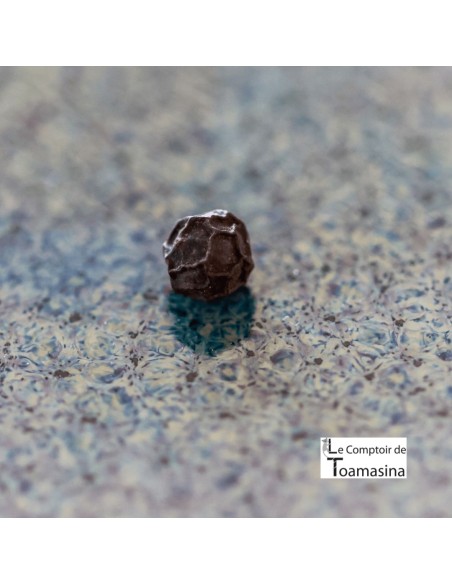
  • AppearanceWhole black peppercorns, signature wrinkled husk
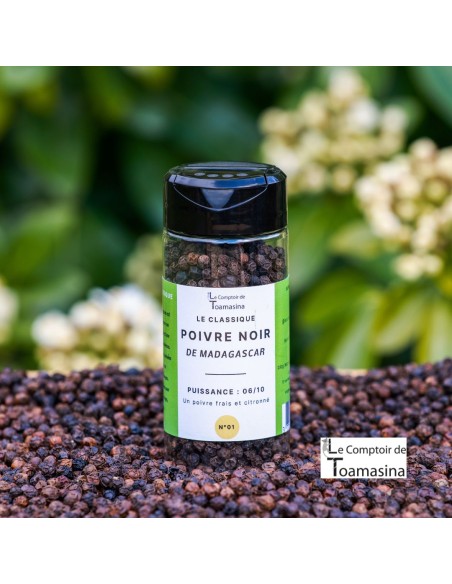
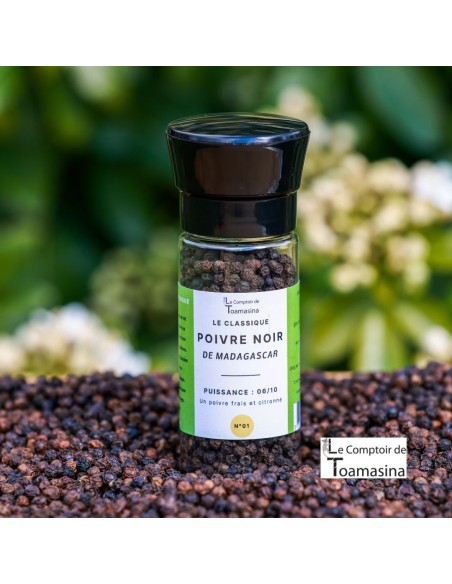
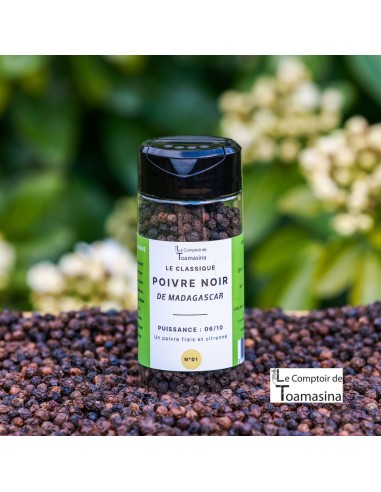
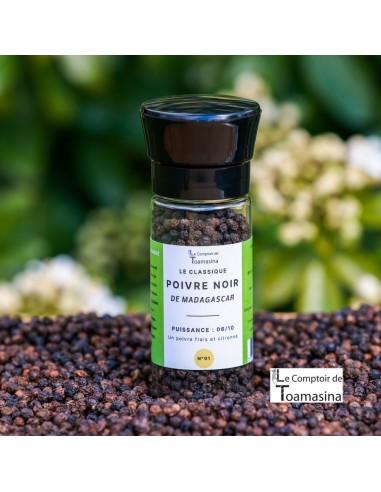
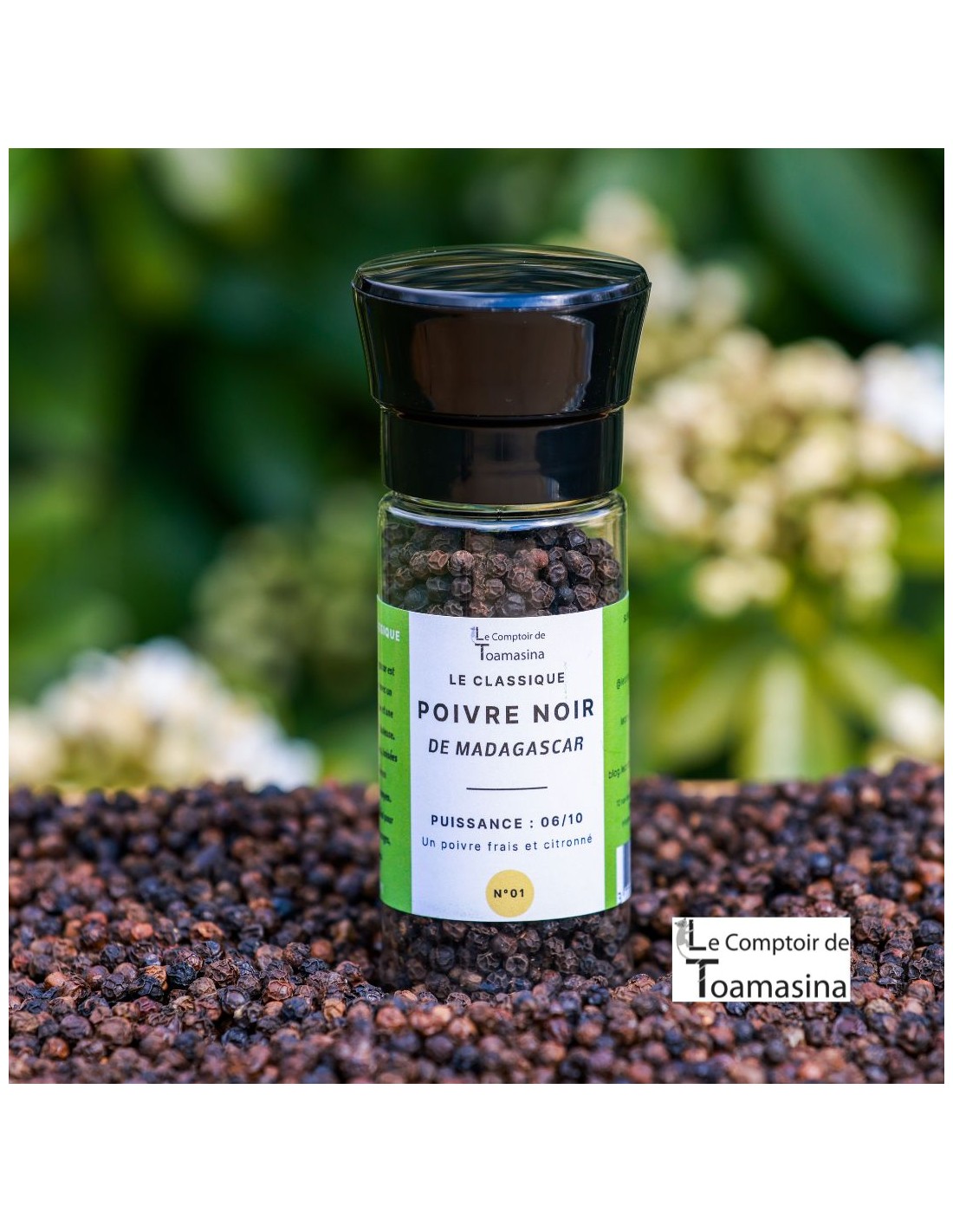
  • Packaging OptionsJar, pouch, refillable mill, bulk kilo
  • Kilo Price€29 per kg; bulk options available (5 kg, 10 kg, 25 kg, 100 kg upon request)
  • Shelf Life3 years as whole peppercorns, stored away from light

Sensory Analysis

Comparative Aromatic Profile — Black · Voatsiperifery · Timut

Three distinct profiles for three different culinary uses

Woody · Earthy
Citrus
Floral · Fresh Herbs · Menthol
Warmth · Spiced
Pure Heat (Pungency)
Madagascar Black Pepper
Voatsiperifery
Timut Berry

Note from Arnaud: “Madagascar black pepper is my benchmark for daily cooking. Rich woody notes with straightforward heat — where Voatsiperifery is reserved for special occasions, Malagasy black pepper is the go-to for everything. An exceptional Piper nigrum.”

Overall Analysis of the 3 Peppers

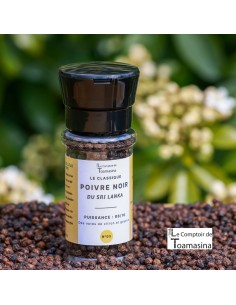
Buy Whole Madagascar Black Peppercorns in Jars, Kilo Pouches, or Refillable Mills

On my online shop, you will find whole black peppercorns featuring their characteristic wrinkled skin—a sign of natural sun-drying rather than industrial heat processing. Madagascar black pepper is, in my view, the best everyday pepper in the world: it is the spice I recommend if you're looking for an all-around kitchen staple.

Pricing & Bulk Options

  • By the kilo: €29 — the perfect size for restaurants and enthusiastic home chefs
  • Bulk quantities available in 5 kg, 10 kg, 25 kg, and 100 kg bags

The 1 kg format is ideal for pepper lovers, best consumed within two years of opening. For bulk quotes, contact us at info@lecomptoirdetoamasina.fr. Check out also our refillable pepper mills and world pepper gift sets.

What Is Madagascar Black Pepper — The Story of an Exceptional Spice

In France, under official spice trade regulations, only fruits of Piper nigrum — black pepper, green pepper, red pepper, and white pepper — can legally be labeled as "pepper" without qualification. This same rule is why Timut berries cannot officially be named "pepper."

Compared to Voatsiperifery pepper, a wild vine harvested precariously from high forest canopies, black pepper is significantly simpler to cultivate. It yields more abundant harvests: black peppercorns produce two crops a year, compared to just one for white or red pepper.

The Three Methods of Drying Peppercorns

  • Manual Sun-Drying: Dried on mats under the sun for 7 to 8 days. Preserves the pericarp, retaining full flavor and heat.
  • Semi-Mechanical Drying: Initial sun-drying followed by machine heat to accelerate the process.
  • Mechanical Drying: The fastest method, but damages the outer shell, resulting in dull, flat pepper.

This is why manual sun-drying remains the only method we trust.

Once dried, peppercorns are graded, bagged, and exported. Upon arrival in Europe, they undergo regulatory heat treatment and packaging—which we handle directly in our French workshop.

Pepper cultivation was officially introduced to Madagascar in 1930. It quickly grew into an essential agricultural commodity for the island, flourishing in the unique terroir of the eastern coast.

Despite its remarkable quality, Malagasy pepper remains somewhat under the radar internationally compared to massive producers like India, Vietnam, or Indonesia. Yet, its distinct flavor profile makes it truly world-class for food enthusiasts worldwide.

What Does Madagascar Black Pepper Taste Like

Madagascar black peppercorns deliver the perfect balance of heat and aromatic strength. You will taste fresh, woody notes accompanied by a bright citrusy accent. It offers rich depth on the palate with a satisfying, lingering finish.

How to Use Madagascar Black Pepper in Cooking

For best results, grind right before serving—or coarsely crush the berries rather than grinding finely, to unleash maximum aroma and heat. It pairs exceptionally well with red meats, poultry, and oily fish like mackerel, sardines, tuna, and salmon.

It shines in dark sauces and tomato preparations. Excellent with hearty vegetables (lentils, chickpeas, red cabbage), marinades, cured meats, and fresh cheeses. It also pairs surprisingly well with fruits like strawberries, peaches, and pineapple, as well as chocolate desserts.

Eight Favorite Recipes Featuring Malagasy Pepper

  • Black Pepper Chicken Pan-sear chicken pieces, season with crushed black pepper and sea salt.
  • Garlic & Black Pepper Pasta Sauté minced garlic in olive oil, toss in crushed pepper and cooked pasta. Finish with parmesan.
  • Grilled Pepper Salmon Season fillets with salt and crushed pepper before grilling.
  • Pepper-Butter Rice Stir butter and coarsely crushed pepper into hot cooked rice.
  • Roasted Potato Wedges Oven-baked with olive oil, rosemary, and freshly crushed pepper.
  • Classic Black Pepper Omelette Whisk eggs with pepper and a pinch of salt; cook in butter.
  • Hearty Vegetable Soup Sauté vegetables in olive oil, add broth and crushed pepper, simmer slowly.
  • Arugula & Pepper Salad Fresh arugula, parmesan, cherry tomatoes, and a pepper-infused vinaigrette.

Why and How to Toast Madagascar Black Pepper

Toasting peppercorns activates the Maillard reaction, unlocking hidden essential oils for an incredible aroma boost.

1

Dry Skillet

Heat a skillet over medium heat without oil or fat.

2

Watch Them Pop

Add peppercorns in a single layer, stirring for 1 to 2 minutes until they begin popping.

3

Cool & Crush

Allow to cool completely, then crush just before serving.

How to Store Madagascar Black Pepper

Keep your peppercorns fresh and potent with these four rules:

  • Use an airtight container: Glass jar or stainless steel container.
  • Protect from sunlight: Keep in a cool, dark cupboard.
  • Do not pre-grind: Grind only when ready to cook or serve.
  • Keep away from heat: Store away from stoves or ovens.

Best Substitutes for Madagascar Black Pepper

  • Freeze-dried Green Pepper: Mix 10 g green pepper with 3 g green Sichuan berries.
  • Kampot White Pepper: Blend 8 g Kampot white pepper with 3 g Tanzanian black pepper.
  • Pink Peppercorns: Blend 5 g pink berries with 4 g wild Madagascar pepper.
  • Wild Tsiperifery Pepper: Combine 8 g Tsiperifery with 2 g red Sichuan berries.
  • Long Pepper: Combine 7 g long pepper with 3 g cubeb pepper.

Frequently Asked Questions

What makes Madagascar black pepper different from ordinary black pepper?
Its high density (550 g/L, ASTRA quality) and traditional sun-drying process keep the outer shell intact, ensuring superior aroma and heat.
Why does Madagascar black pepper have citrus notes?
It is a natural trait of Malagasy soil, giving traditional Piper nigrum a fresh, citrusy top note.
How does black pepper differ from Voatsiperifery pepper?
Black pepper is cultivated with direct spiciness for daily meals. Voatsiperifery is a wild vine pepper with mild heat and strong citrus notes.
Native country
Madagascar
BOTANICAL SPECIES
Piper nigrum
INGREDIENTS
Black Pepper from Madagascar
AROMATIC POWER
6/10
ALLERGEN
Absence
POSSIBLE TRACES OF ALLERGENS
None
PACKAGING
Bottle or Bag
Preparation / Delivery
Preparation within 24 hours - Delivery within 48 hours
No reviews

Customers who bought this product also bought: